Event
Extreme H: What’s next for the world’s first hydrogen World Cup?
by Samarth Kanal
7min read
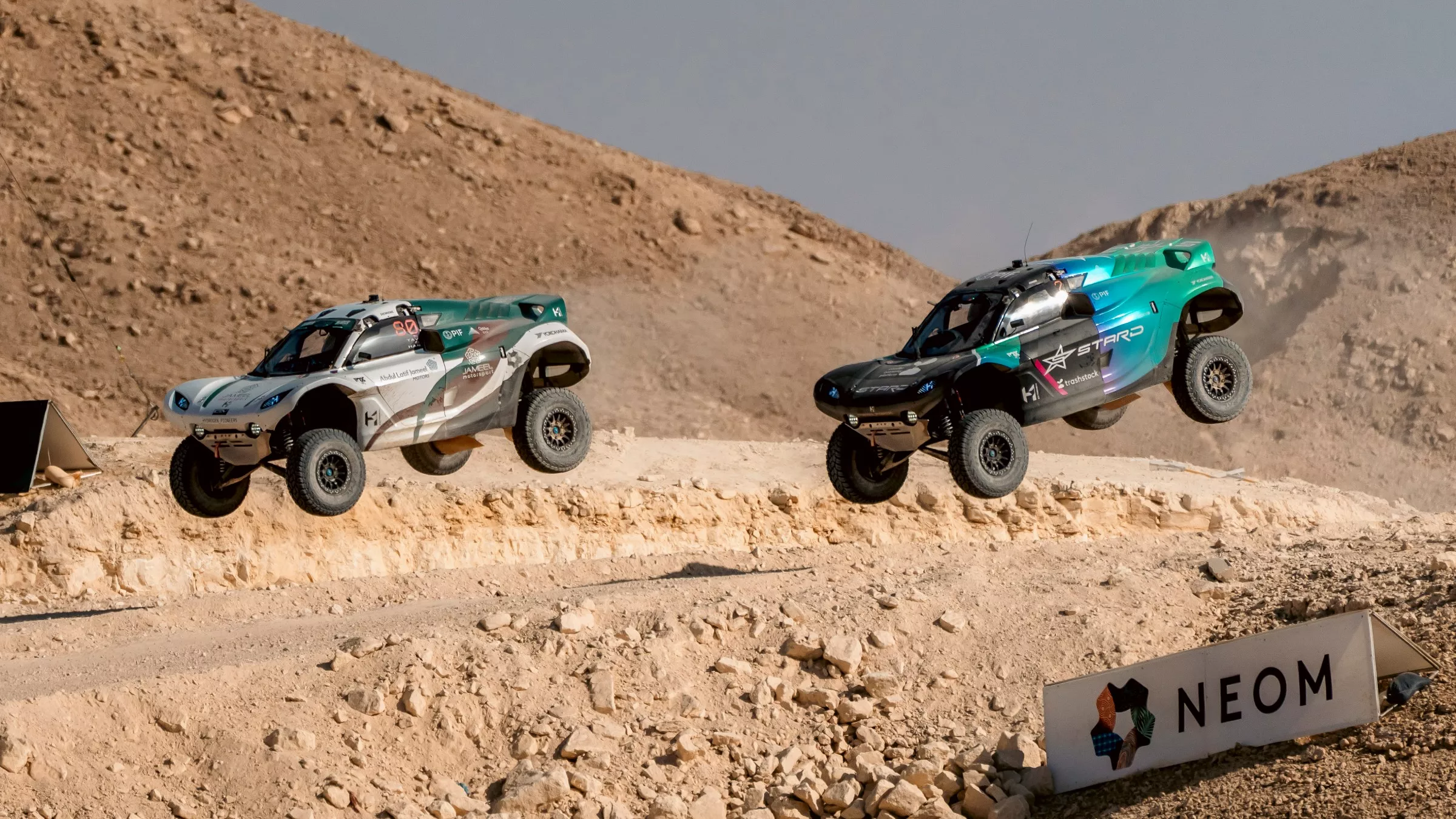
<div>Hydrogen motorsport is here. And it’s here to stay, after Extreme H made its debut with the first-ever FIA hydrogen World Cup in October 2025.<br></div>
Sign up for a newsletter and we'll make sure you're fully up-to-date in the world of race technology
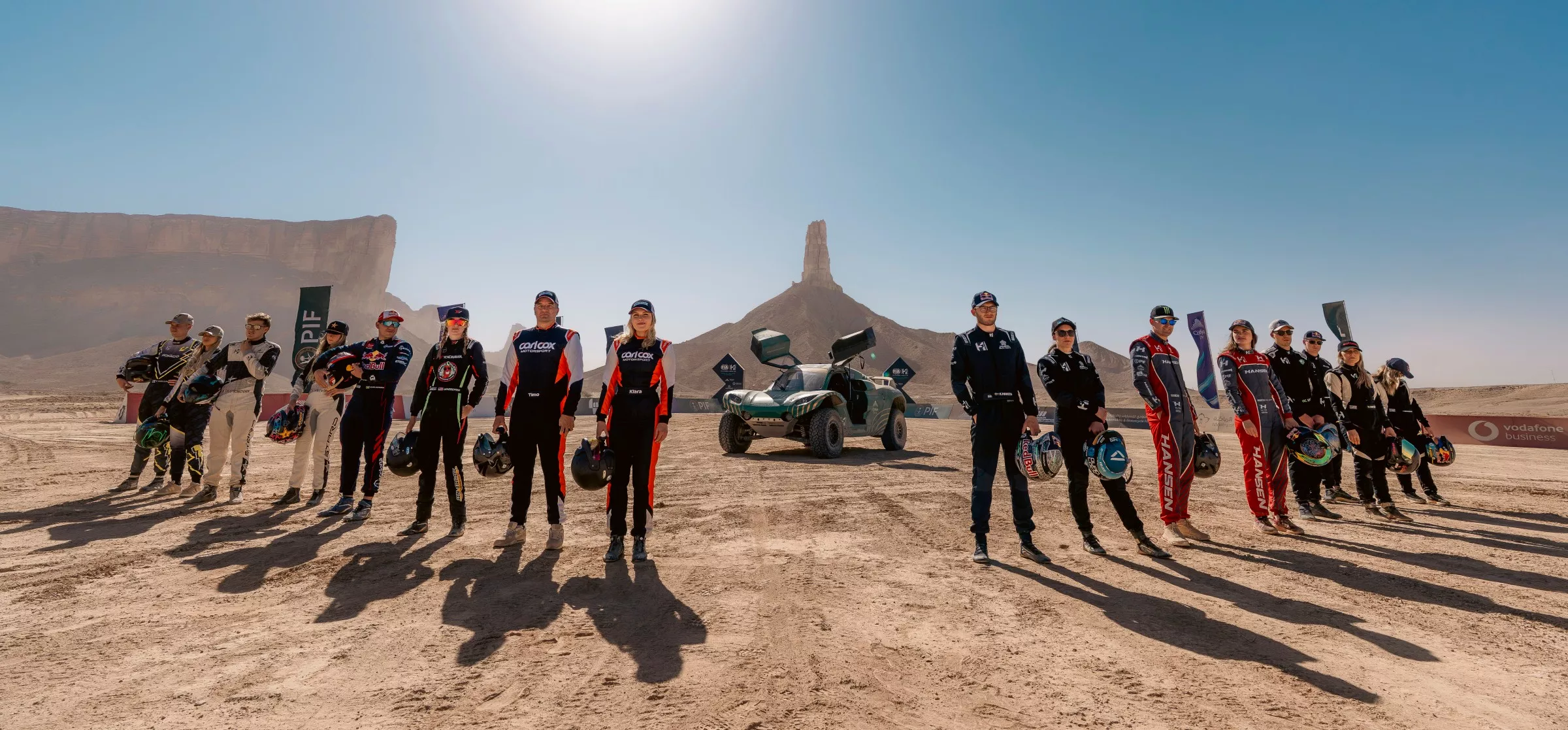
The field of drivers for the 2025 Extreme H World Cup in the Tuwaiq Mountains near Qiddiya, Saudi Arabia. All images courtesy of Extreme H/Spacesuit Media
/enhanced_resized_image_1920x1080.webp?cx=0.5&cy=0.5)
How the Pioneer 25 and Extreme H are powered
The Pioneer 25 was built and designed by Spark Racing Technology, the French manufacturer that also makes cars for the all-electric Formula E championship.
As a replacement for Extreme E, the Extreme H car transitioned from electric power to hydrogen power using a 75-kiloWatt (kW) hydrogen fuel cell built by Symbio.
It’s in this fuel cell that hydrogen molecules are carried by two 2kg storage tanks into the anode of the fuel cell. There, they are split into electrons and protons. The protons pass through a membrane to the cathode through an electrolyte membrane, while the electrons are redirected externally through an electrical circuit, generating electrical current.
Electrical power is then transferred to the car’s 36-kilowatt-hour (kWh) Fortescue-built battery and Helix-provided motor while the electrons return to the cathode, joining up with protons and oxygen. This generates water vapour and heat - the waste products.
Peak output is 400kW, while torque is instant, which helps the hydrogen cars deal with steep inclines and slippery surfaces. Some energy is also recovered under braking.
Refuelling is carried out at a mobile hydrogen station. In this station, pre-cooled hydrogen is stored in gaseous form. It takes up to five minutes to refuel an empty Pioneer 25.
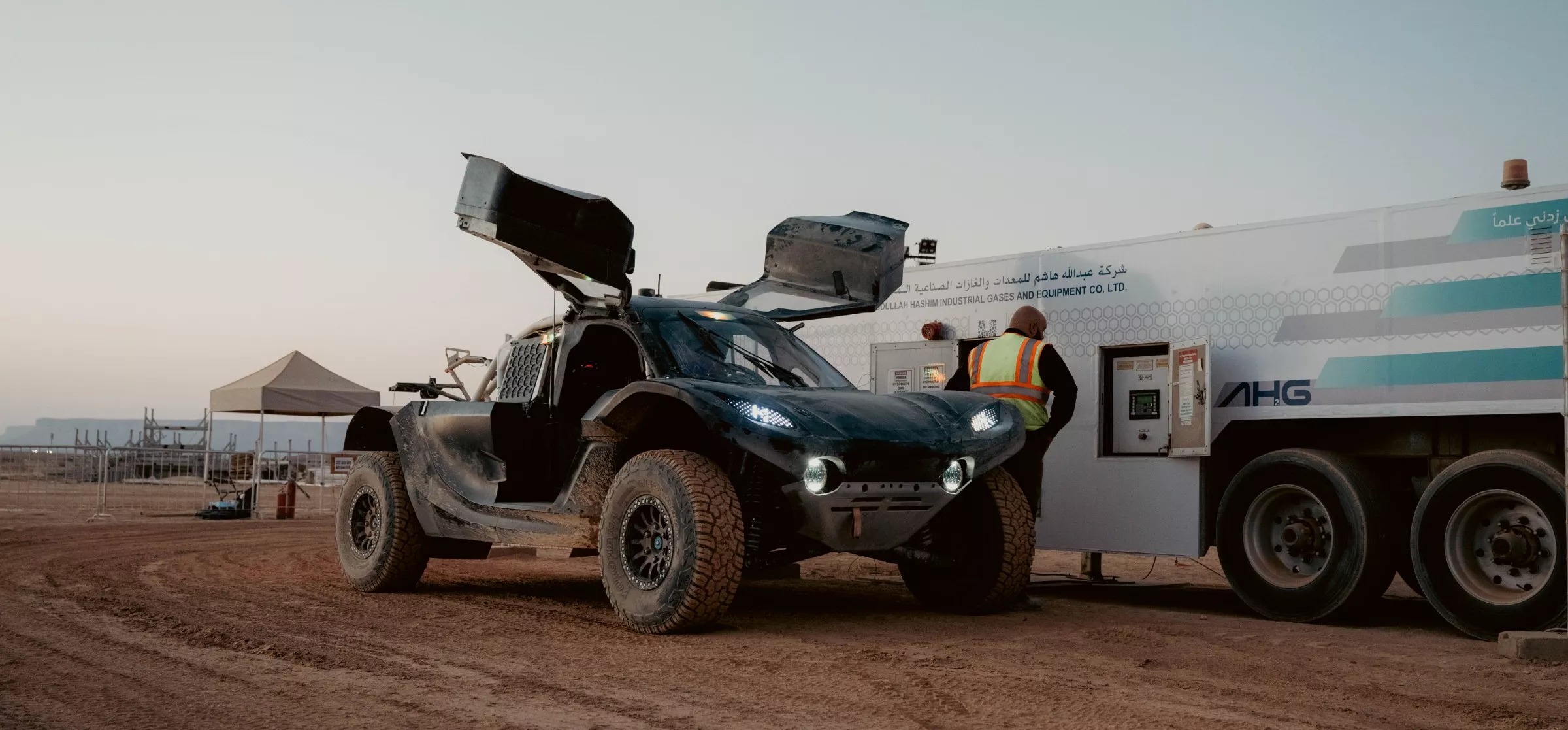
An Extreme H Pioneer 25 refuelling its hydrogen tanks
.webp?cx=0.5&cy=0.5)
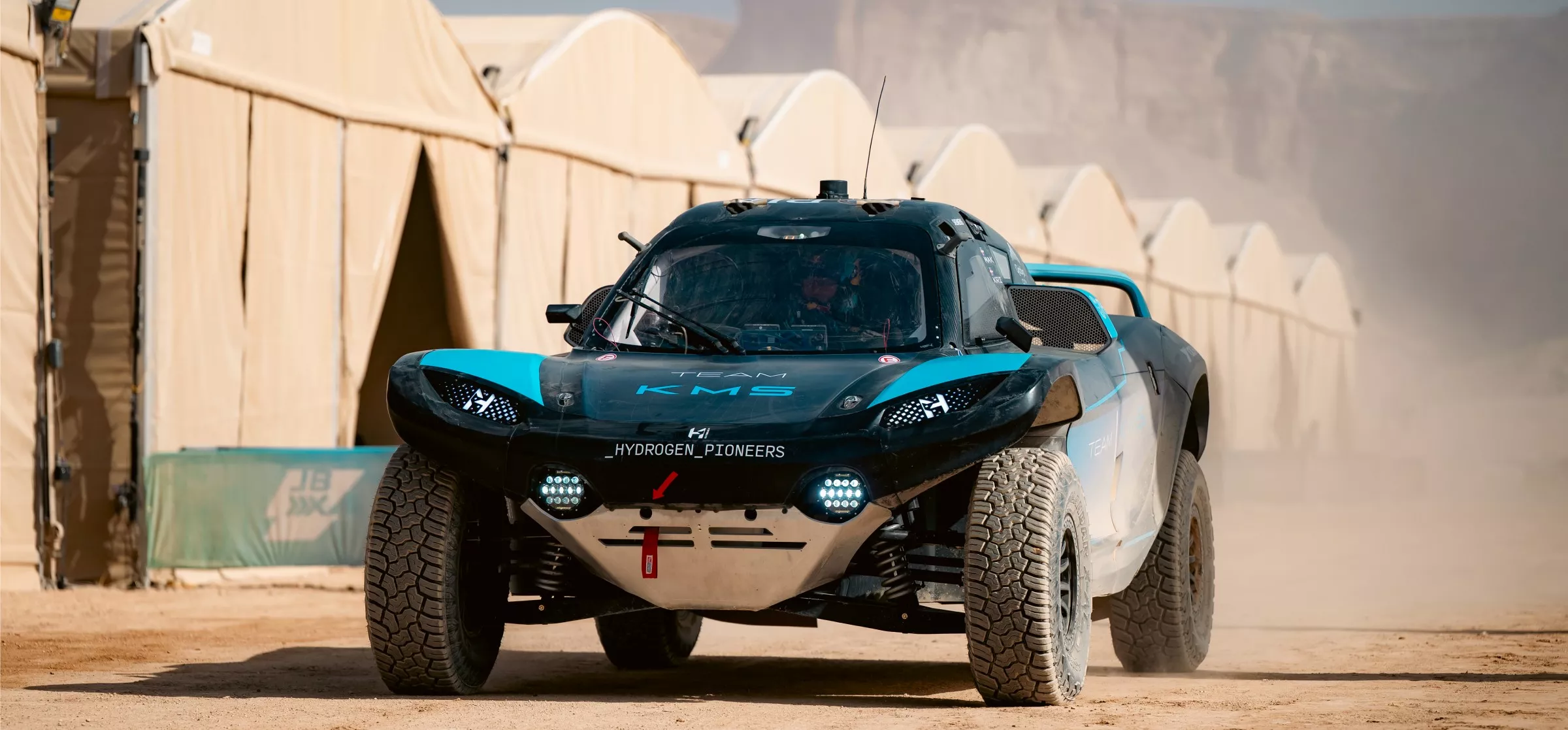
Up to 80% of Extreme H’s paddock facilities are powered by hydrogen
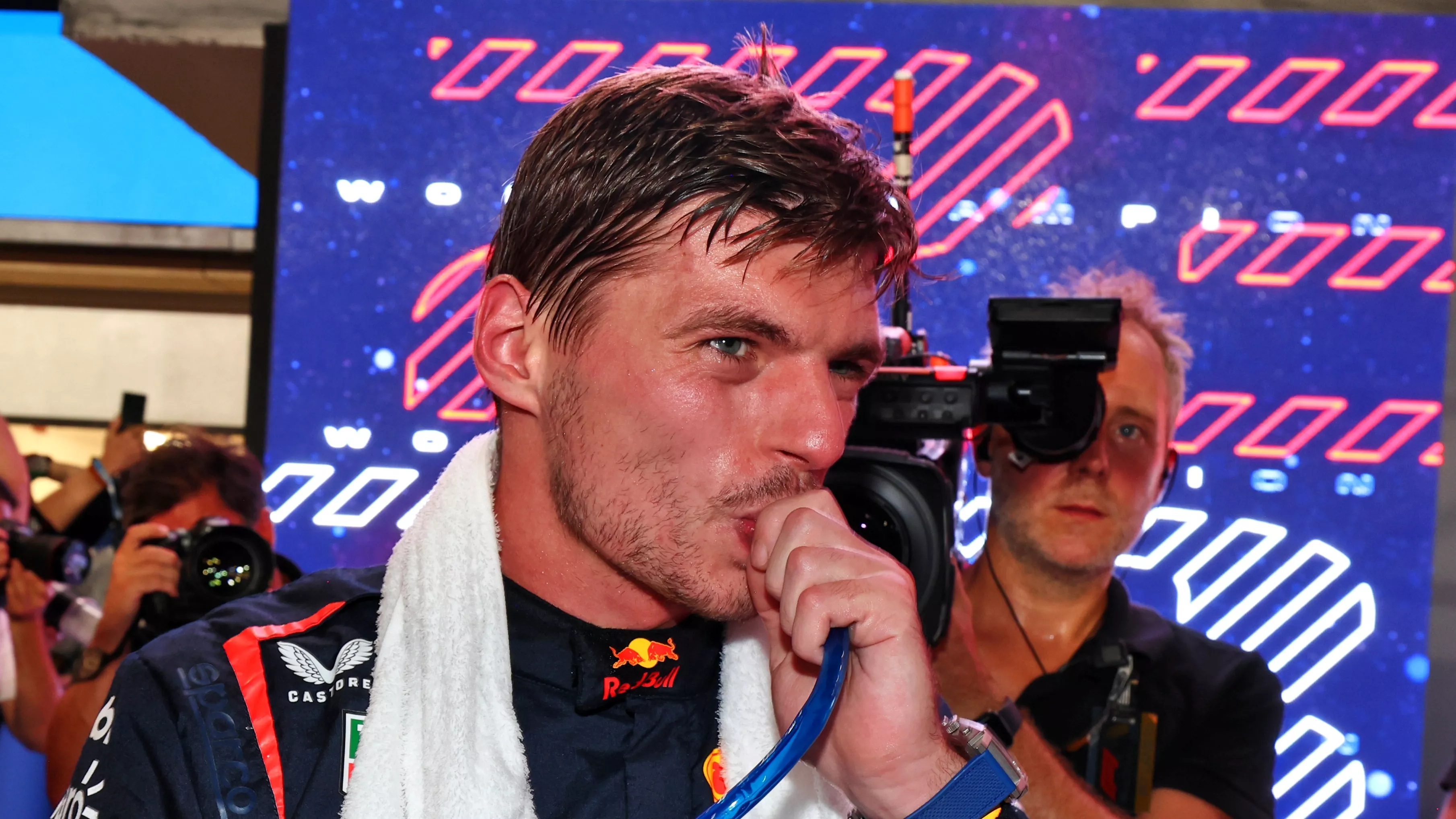
How the event unfolded

The Extreme E car of Team Hansen in the Extreme E finale
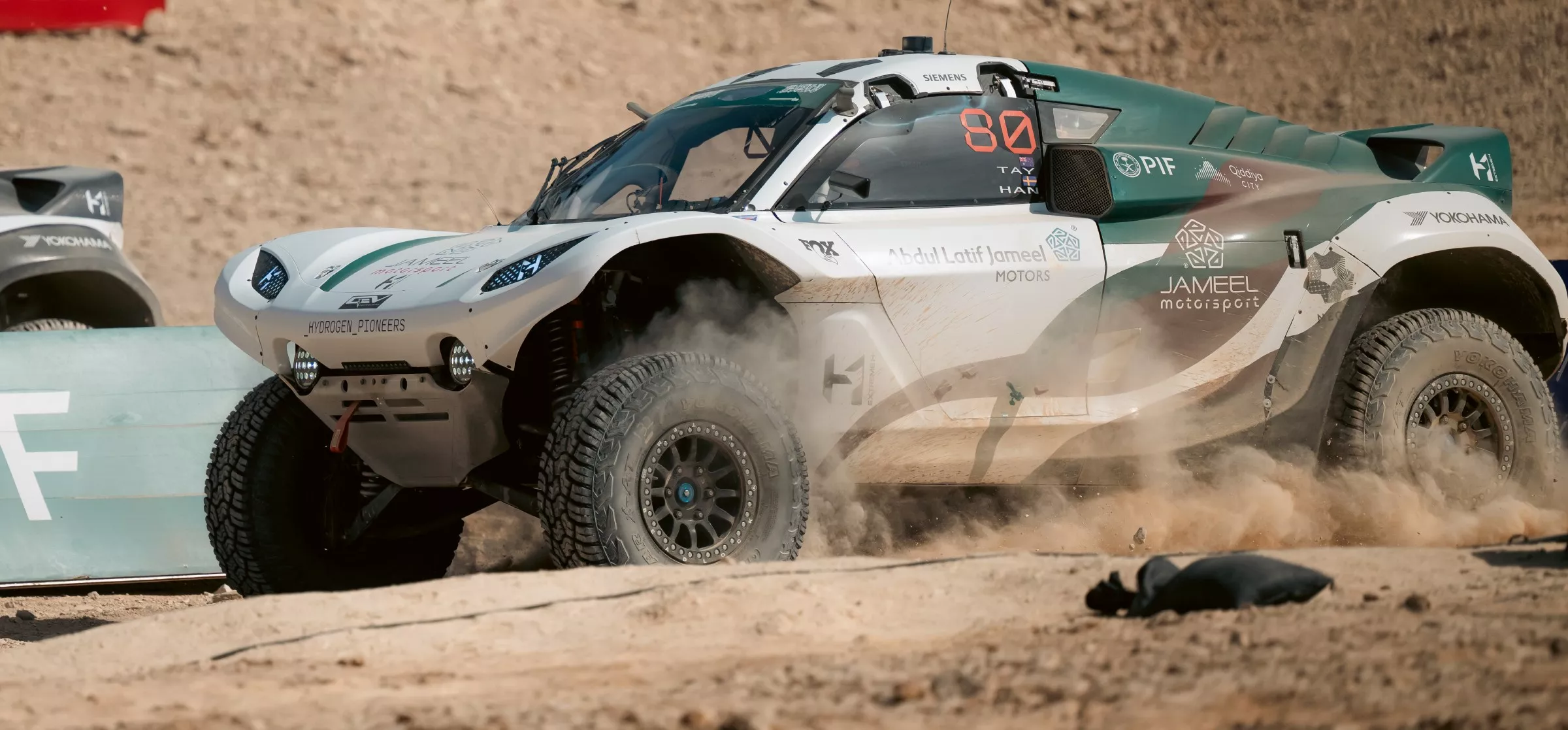
Kevin Hansen at the wheel of Jameel Motorsport’s car in the Extreme H World Cup
What does the future hold for hydrogen motorsport and Extreme H?
When it comes to hydrogen motorsport, the Extreme H World Cup will be the flag-bearer for years to come having signed a multi-year agreement with the FIA in September 2025.
“If you go back a few years ago, there was nothing other than [conventional] fuel. Now, with the advent of new technologies and alternative energy sources, the landscape has changed enormously,” says FIA technical engineering director Thomas Chevaucher.
The FIA is even trying to simulate what might “go wrong” with the storage and transport of hydrogen for motorsport.
Chevaucher explains: “To give one example, we are currently trying to do failure analysis on hydrogen storage tanks. We have constructed prototype tanks that we damage on purpose to see what happens.”
Extreme H will continue to be held in Qiddiya, Saudi Arabia with five years left on its deal. As Qiddiya gears up to host a Formula 1 or MotoGP event in 2027 and FIFA World Cup matches in 2034, improved infrastructure might allow fans to attend Extreme H events there in the future too.
Other venues are being explored.
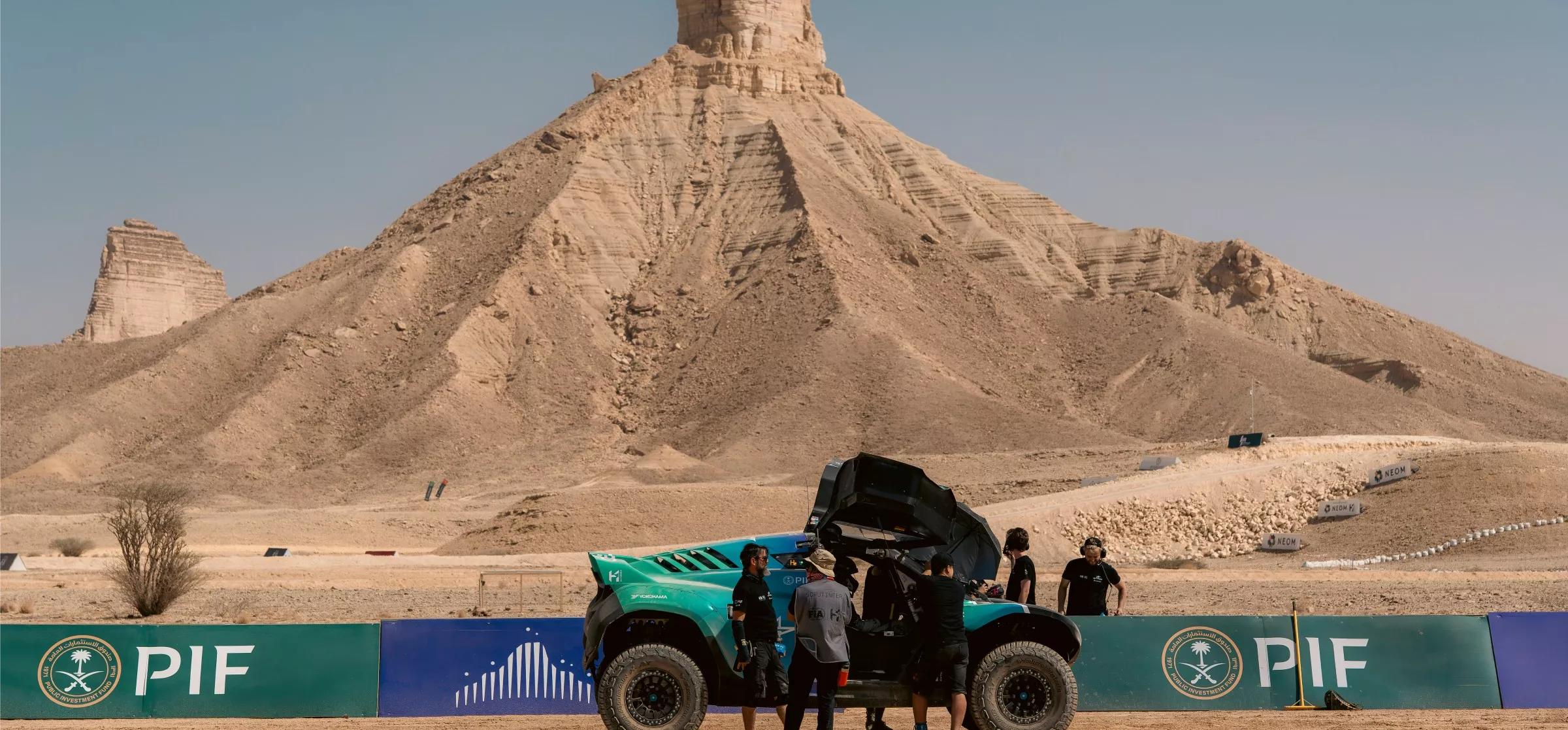
The Tuwaiq Mountains provided the backdrop to the inaugural Extreme H event and Saudi Arabia will continue to host the Extreme H World Cup until at least 2030