Car
How Aramco helped bridge the past and present in a historic F1 race
by Samarth Kanal
4min read
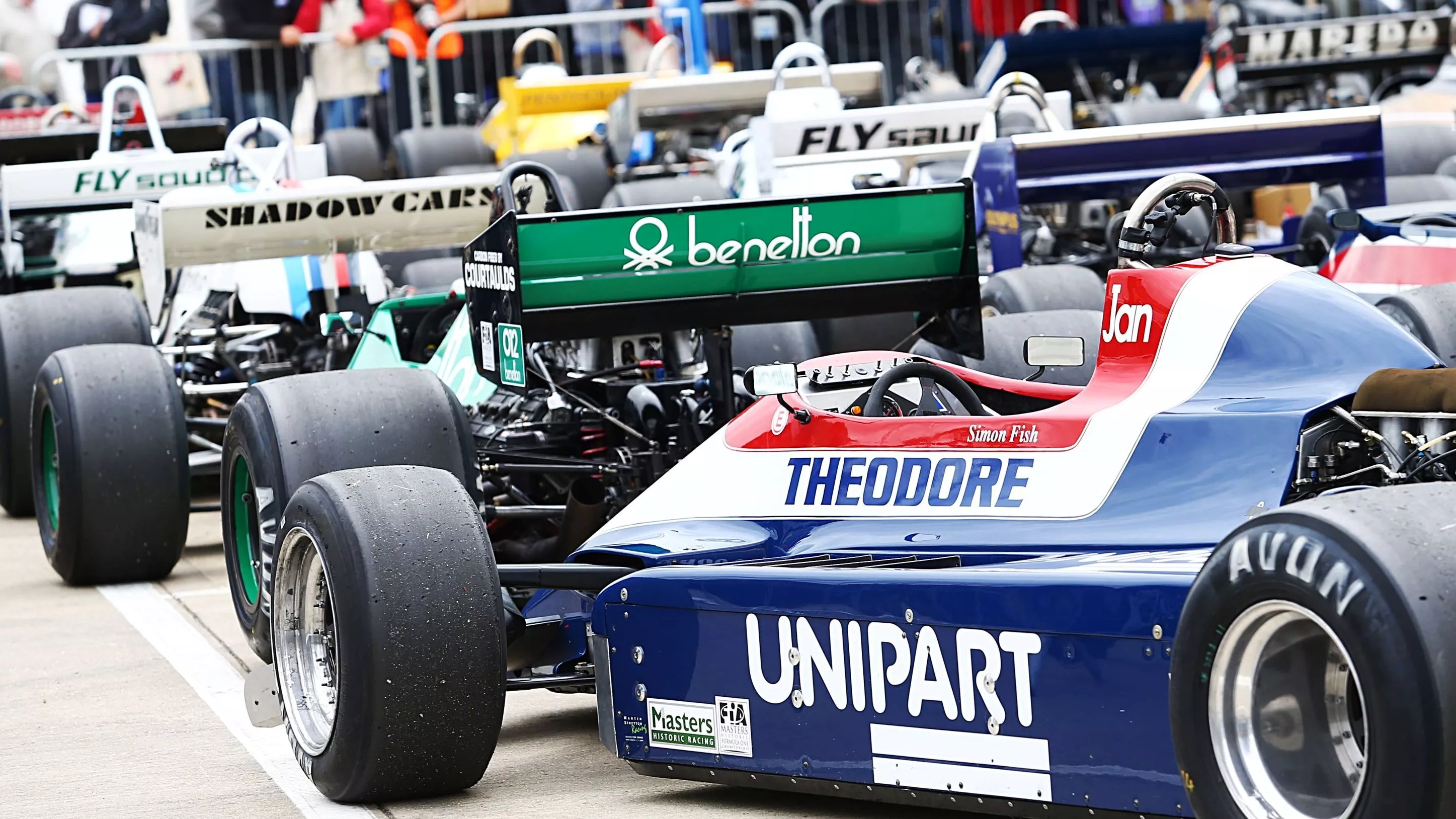
In the lulls that punctuated the dramatic conclusion to last year's Formula 1 season at Abu Dhabi’s Yas Marina Circuit, a symphony of screaming V8-engined cars drew crowds. And it turns out there’s more to these F1 cars of decades past than meets the eye.
Sign up for a newsletter and we'll make sure you're fully up-to-date in the world of race technology
Masters Historic Racing is the series in question, bringing together enthusiastic drivers and illustrious F1 cars that raced between 1966 and 1985. Since 2025, Aramco has supplied FIA-compliant 70% Advanced Sustainable Fuel, as defined by the FIA, for the historic F1 rounds of the Masters Historic calendar.
The fuel Aramco supplied for this series is formulated for consistent reliability and high performance - without ethanol and low amounts of oxygenates - but it does differ from the fuel used in F2 and F3, which from 2025 onwards contains 100% FIA-compliant Advanced Sustainable Fuel, supplied by Aramco .
That means these historic F1 cars are brought roaring into the present day using technology similar to that deployed in FIA Formula 2, Formula 3, and F1 Academy cars.
The retro machines use 3.0-litre Cosworth V8 power units that differ greatly from the V6 engines used in F2 and F3, and the four-cylinder units of F1 Academy.
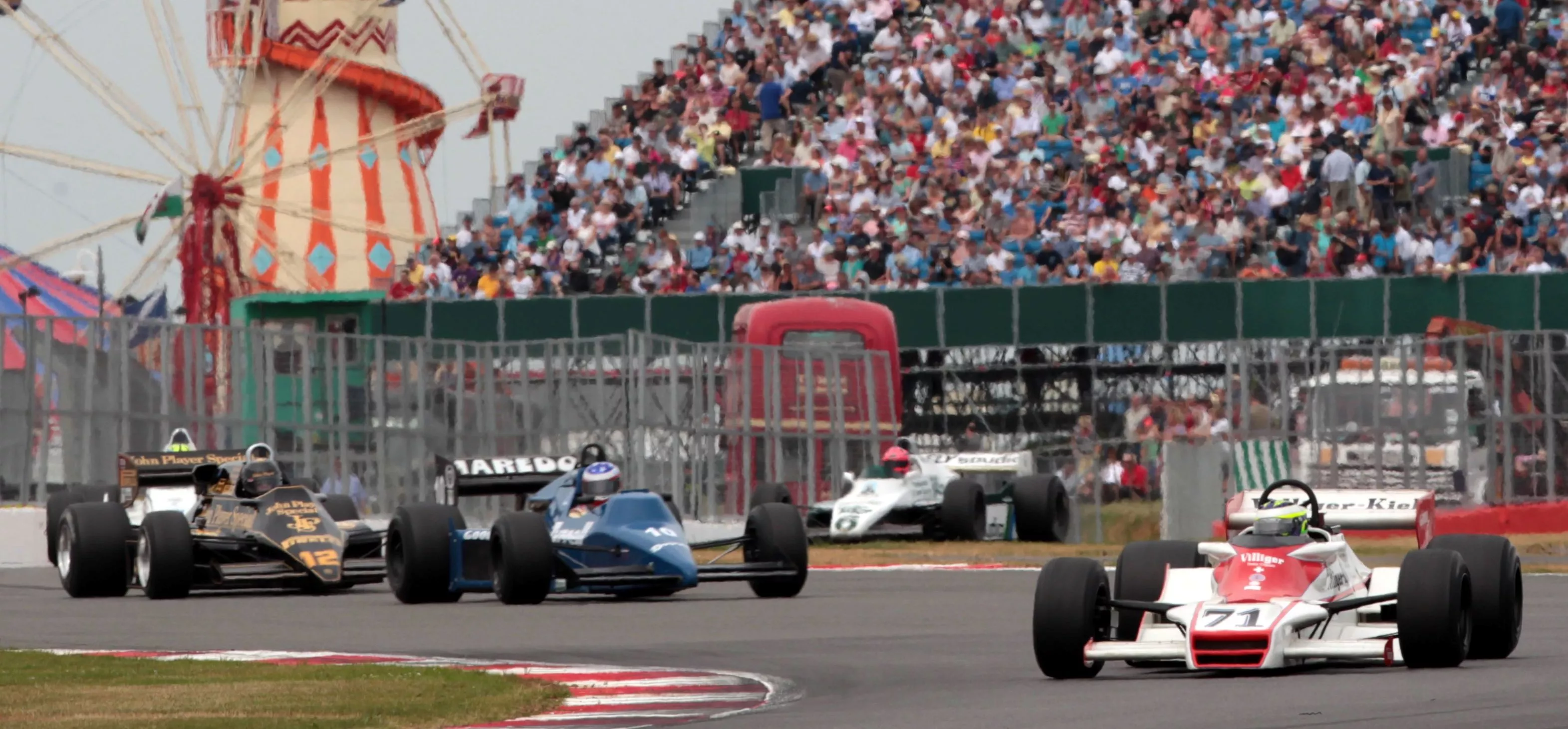
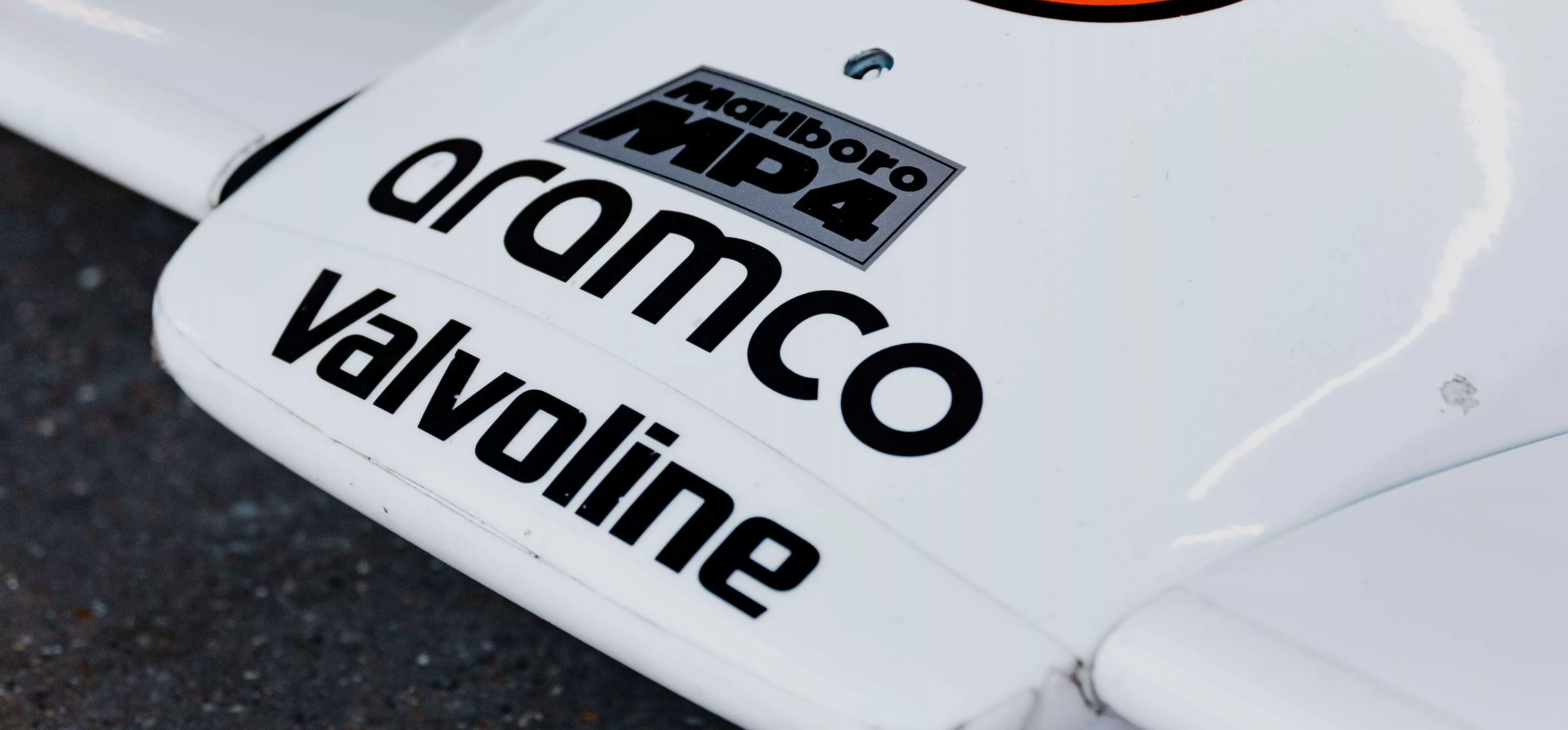
Masters Historic F1 cars racing at Silverstone, UK
Pierre-Olivier Calendini is the Fuel Research Centre Director at Aramco’s research hub in Paris, France, and he explains why his team of engineers values historic racing machines as much as modern-day single-seaters.
“We considered the value of how much we could learn from supplying fuel with Advanced Sustainable components to these Cosworth V8 engines, which share a similar base engine design with those used at the 2023 and 2025 Le Mans Classic, for which we supplied a handful of historic cars with FIA compliant 70% Advanced Sustainable Fuel,” he says.
“By widening the base of cars we fuel, we can test and improve the reliability of this formulation. At Le Mans Classic, we only had four or five cars with this V8 F1 engine; here in Abu Dhabi we have 18.”
Calendini outlines one of the major challenges faced by his engineers back in 2023 in formulating this fuel.
“Older engines can present some challenges regarding fuel compatibility with specific materials, and carbon deposits can also cause issues. That’s a particular problem in historic racing cars like these because they use fuel injectors, and those deposits can clog the fuel lines.
“But we’re very happy because there have been no reliability problems.”
Calendini explains that the RON - the octane rating that measures how much the fuel can be compressed without causing engine knocking - of this fuel in question is between 100 and 101, which is slightly lower than the 102 RON fuel used in F2 and F3.
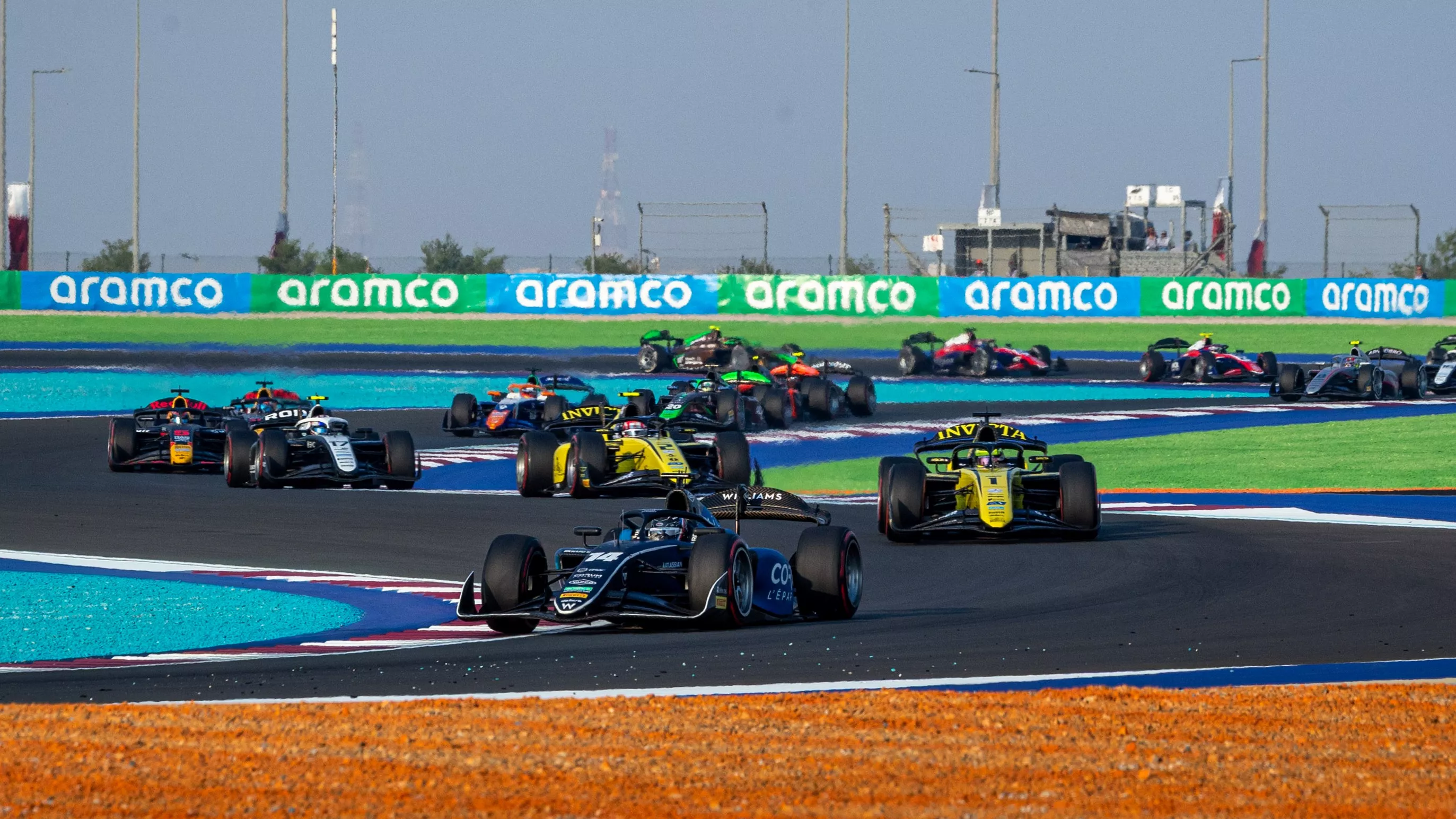
Aramco also supplies FIA-compliant 100% sustainable fuel to Formula 2 and Formula 3
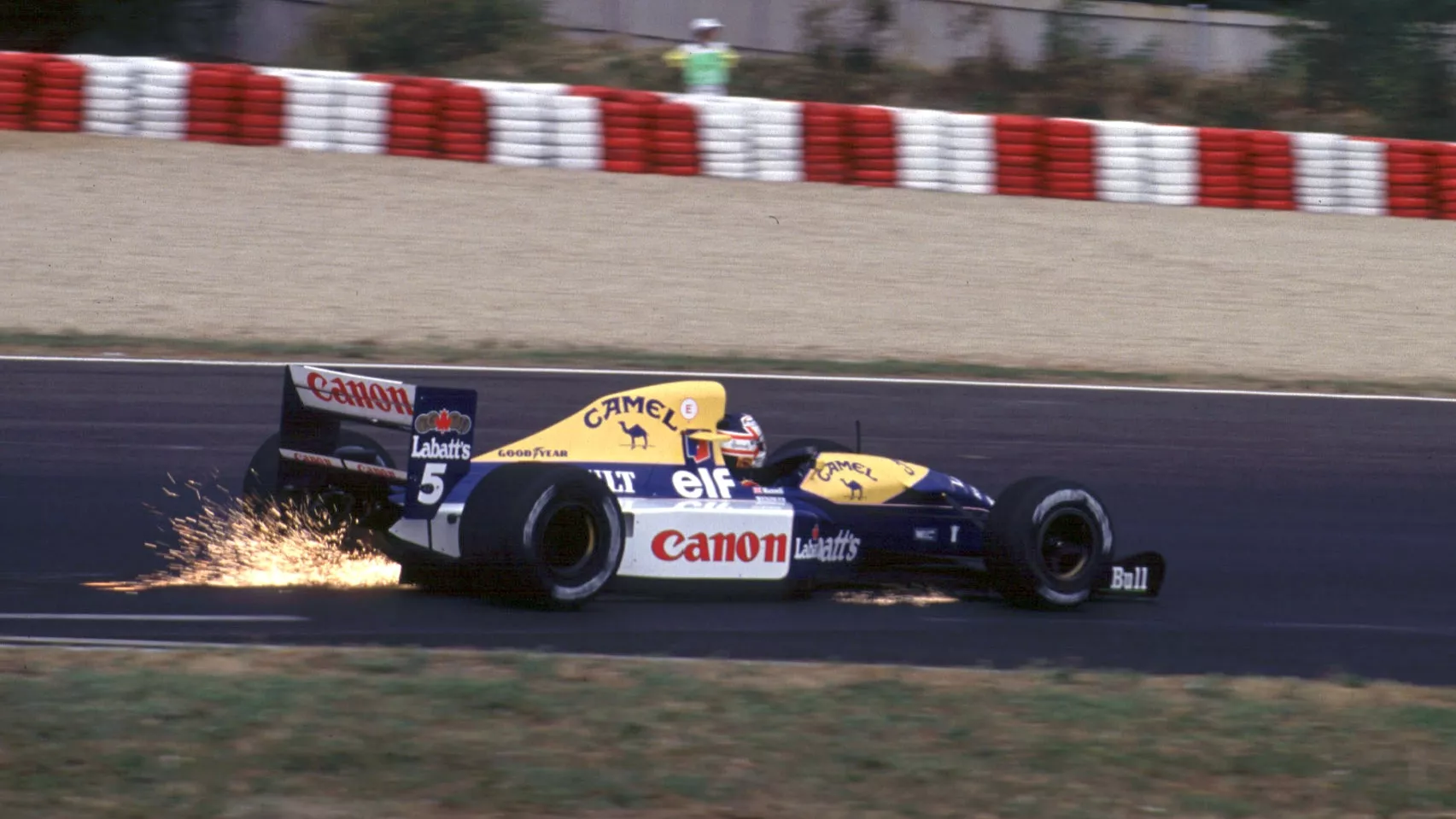
Masters Historic owner Fred Fatien, who drove the 1974 Hesketh 308B (famous for giving James Hunt his first F1 championship win the following year) at Yas Marina Circuit, says: “Supporting F1 at this circuit is great for our customers and drivers because they love sharing the same space as the F1, F2 and F3 cars, and it’s a fantastic circuit.
“In the future we want to extend to other grids of historic cars but everything is perfect right now and we have begun a very productive collaboration, which is great for the future.
“Sustainability and the image of being associated with Aramco - given it supplies fuel to F2, F3, F1 Academy and is Aston Martin Aramco Formula One™ Team’s partner - are big advantages for us.
“We tested extensively with Aramco and we have used it without any reliability issues - so we will use it in 2026.”
Fatien doesn’t rule out the possibility of other historic F1 engines - including V10s and V12s - being powered by FIA-compliant Advanced Sustainable Fuel, supplied by Aramco.
Calendini pauses to look at the 1982 Lotus 91, one of the first cars to use a carbon fibre-kevlar monocoque.
“It’s amazing, isn’t it?” he says.
“I think there are a lot of different motivations in this job. There is the engineering motivation to understand the past and present of motorsport to learn for the future, but there is also a sense of pride when you see these cars up close.
“These innovations don’t enjoy the same visibility as those in F1 do - but it’s important to the team, and we have a lot of scientists and engineers working back in Paris and Dhahran [Saudi Arabia] who have done a great job to make this happen.”
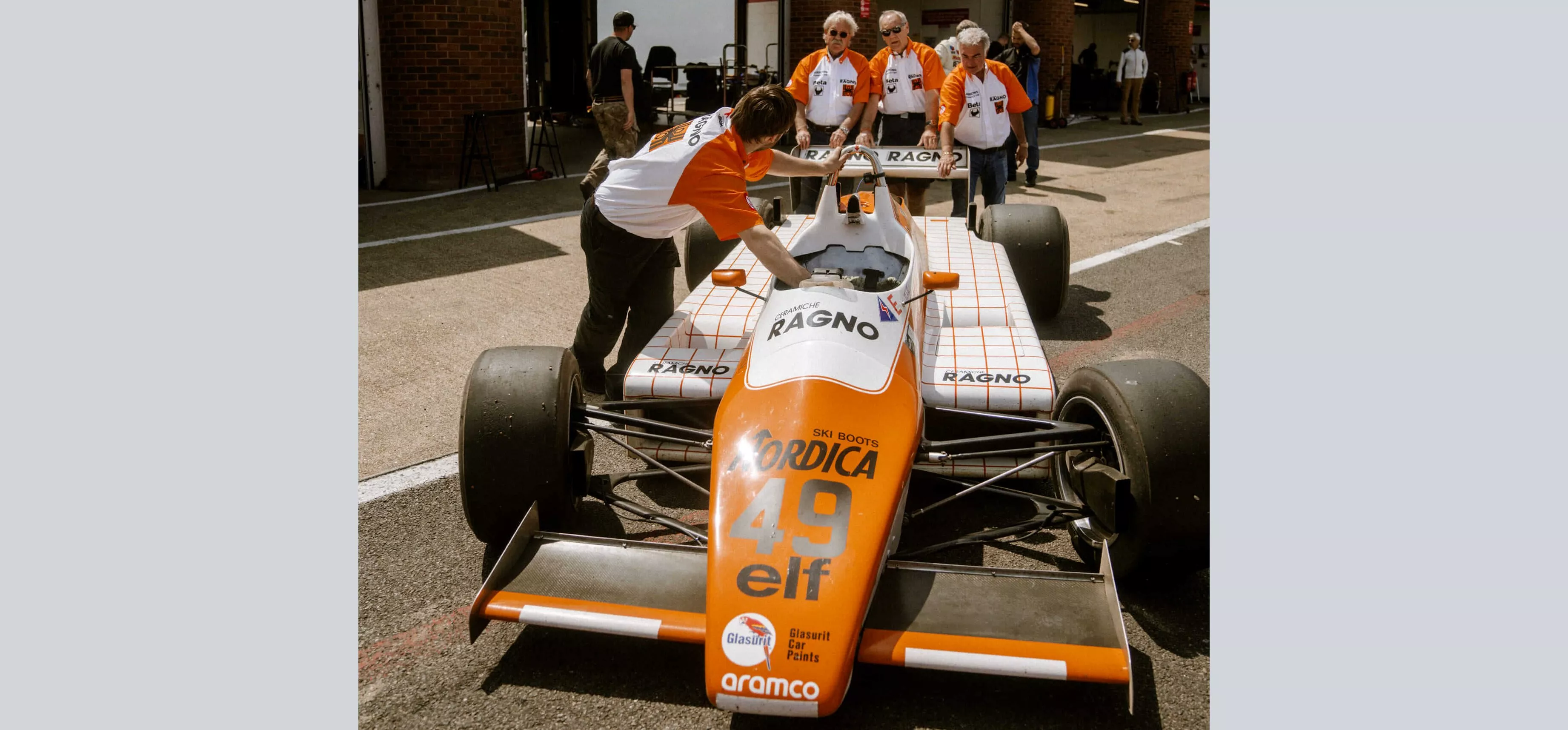
The Arrows A4 historic F1 car exiting the paddock
He turns his attention to the modern V6 hybrid-powered Formula 1 cars that are emerging on Yas Marina Circuit.
“Now the big challenge for us is Formula 1 next year,” says Calendini.
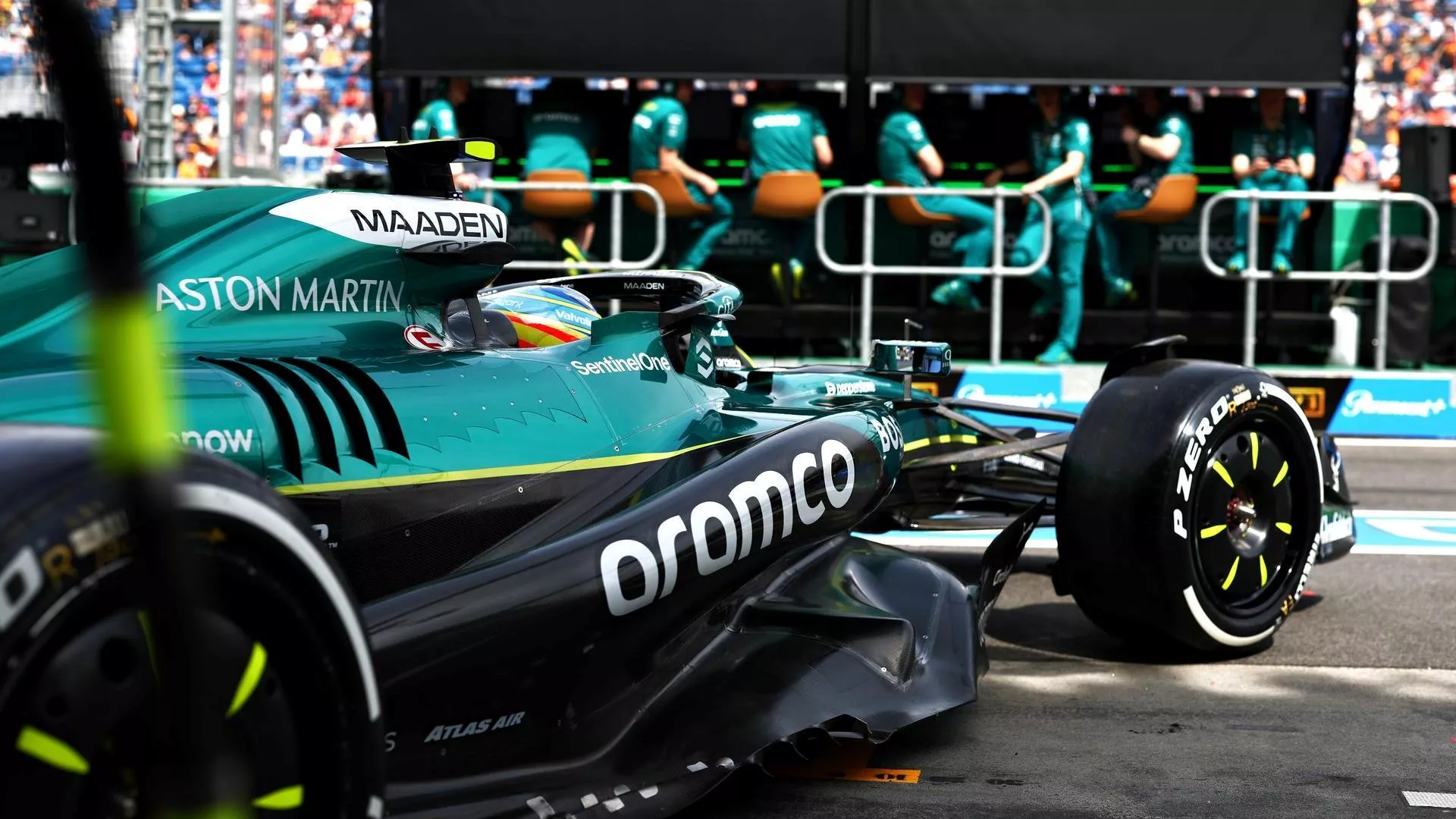
“We are introducing FIA-compliant 100% Advanced Sustainable Fuel with Aston Martin Aramco Formula 1 Team and Honda to comply with new FIA regulations. It will be a very interesting year.”
“We’re the new challengers here and, in the space of a few years, we’ve accomplished what competitors have managed over decades.”
The work that Aramco conducts in Paris and Dhahran therefore allows for the development of a fuel blend with lower lifecycle greenhouse gas emissions (as required by FIA regulations) while retaining the stunning soundtracks and dramatic performances of racing cars past and present.
/26llow-(1).webp?cx=0.5&cy=0.5)