Event
Everything you need to know about 2026 Formula 1 pre-season testing
by Samarth Kanal
5min read
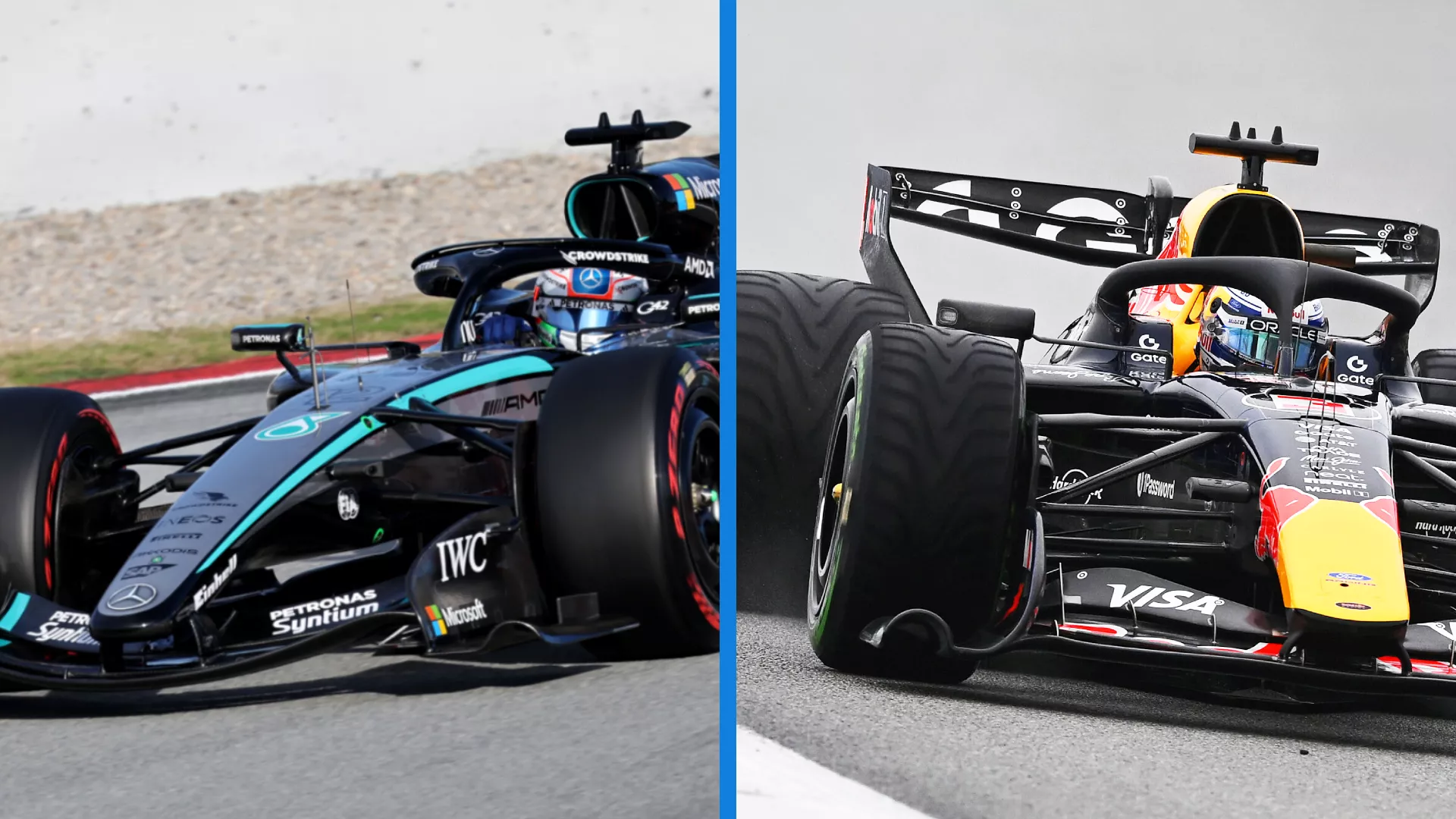
The first time we see all 11 teams run their new 2026 Formula 1 cars will be at Bahrain International Circuit - but what should you expect to see during pre-season testing, what should you watch out for, and why is it such an important event?
Sign up for a newsletter and we'll make sure you're fully up-to-date in the world of race technology
What is pre-season testing?
Bahrain hosts two three-day sessions of F1 pre-season testing in 2026
What will happen during 2026 pre-season testing?
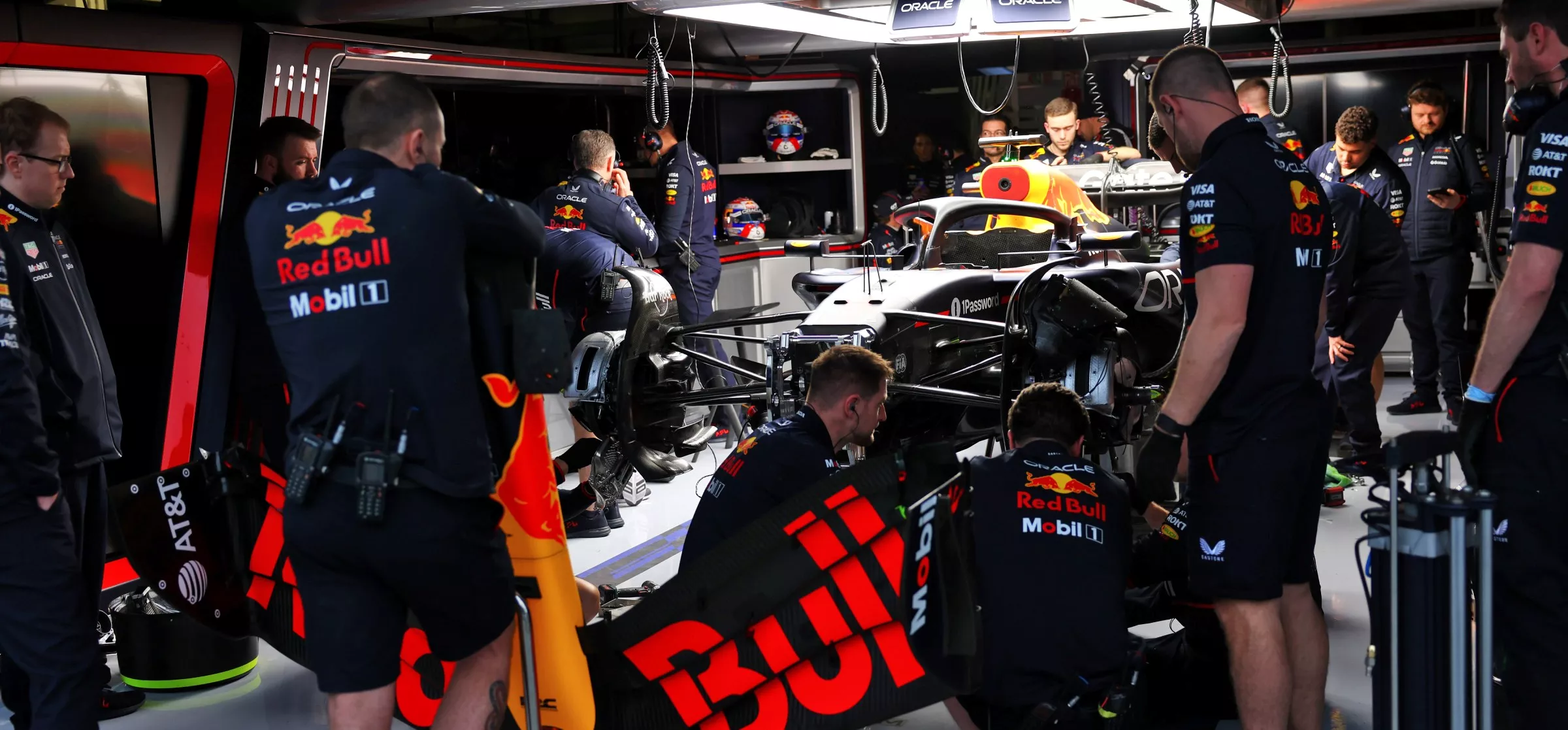
The Red Bull F1 team conducts its work in relative darkness as a powercut strikes during 2025 pre-season testing
Is Bahrain hosting the first pre-season test of 2026?
Bahrain is not hosting the first pre-season session of 2026, but the first official pre-season test.
Teams previously took part in what was called the Barcelona Shakedown from January 26 to 30. This was a behind-closed-doors session in which the 2026 cars hit the racetrack together for the first time. Each team was allowed to test for three out of five days in Spain.
Not every team debuted its car in the Barcelona session.
Williams did not bring its car to Barcelona due to development delays. The team didn’t confirm the exact reason for its absence but there are numerous reasons why a team could skip testing: failed crash tests, an overweight car, or a lack of sufficient parts could all prevent a team from testing.
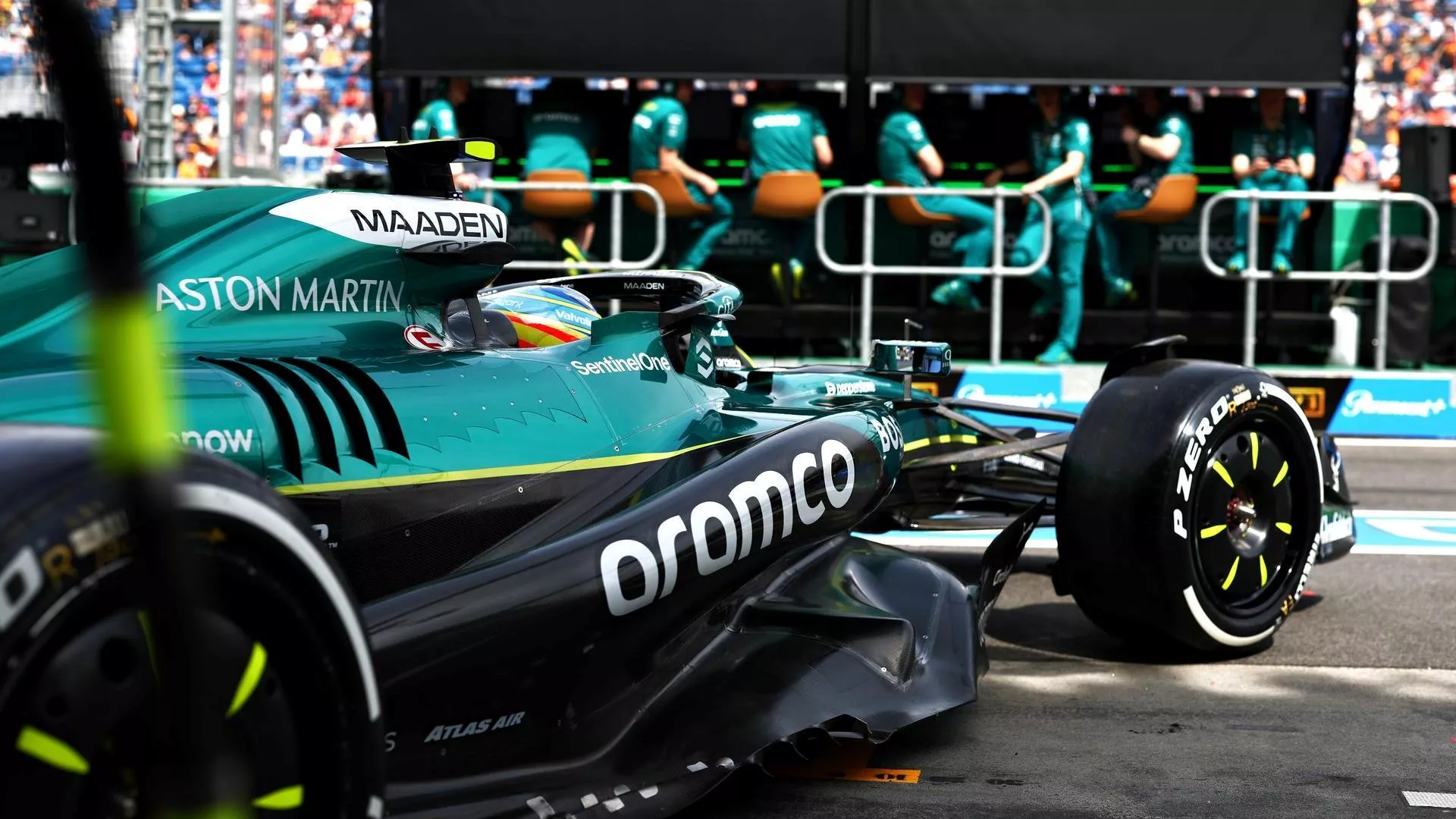
Aston Martin missed the bulk of Barcelona running. Still, its Adrian Newey-designed car broke cover on the penultimate day - before stopping on track - and then returned to execute its first proper laps on the fifth and final day.
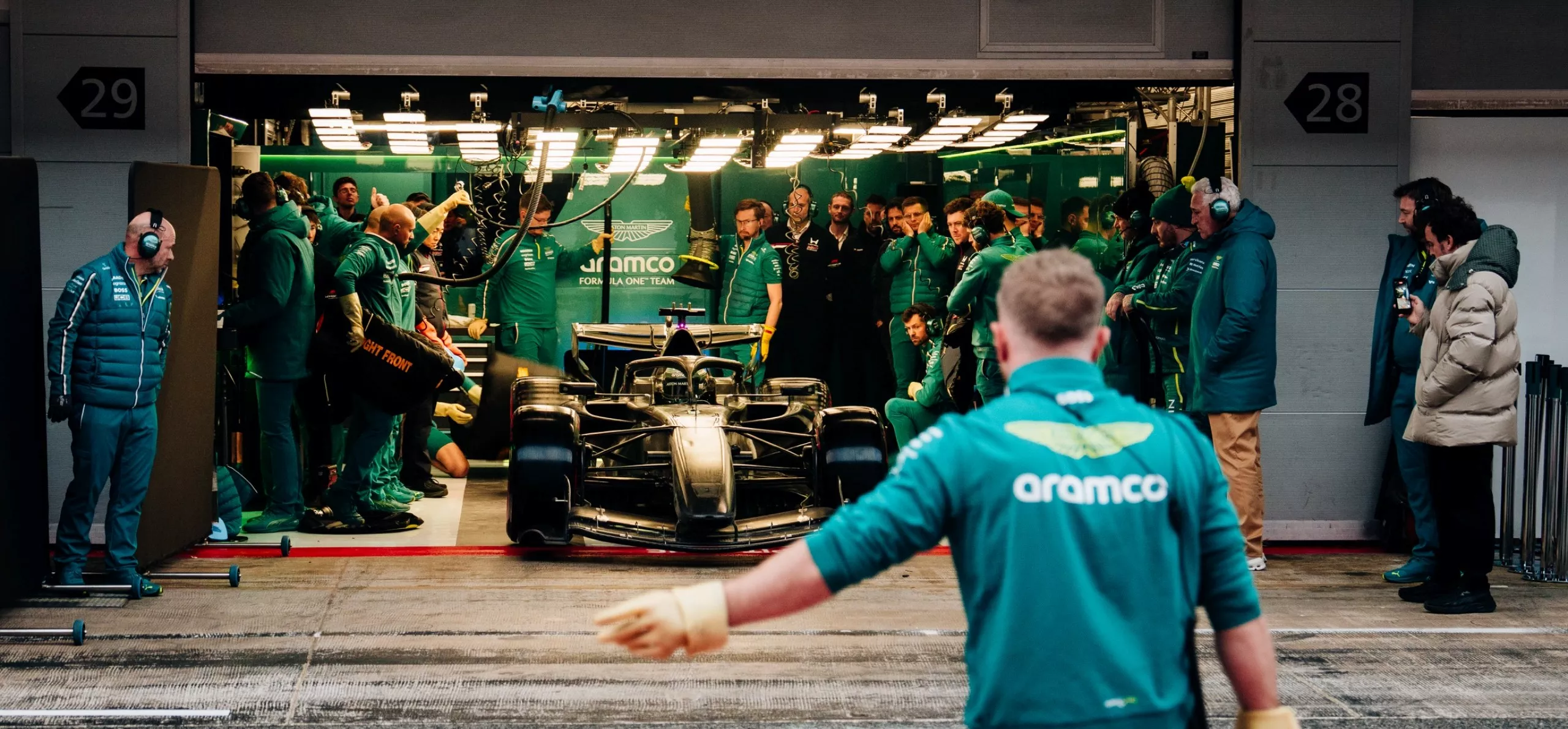
The Aston Martin AMR26 F1 car made its debut in the 2026 Barcelona shakedown
Red Bull encountered its own difficulties, as new recruit Isack Hadjar crashed the car on day two. A lack of spare parts forced the team to sit out days three and four, but the parts were flown in for Max Verstappen to resume driving on day five so that Red Bull could use its three allotted days.
There were more reliability issues as McLaren, Haas, Audi, and Cadillac encountered problems of varying degrees.
Mercedes, on the other hand, managed 500 laps over its three days of testing, while Red Bull, Ferrari, and Racing Bulls all enjoyed relatively stable sessions.
Testing is about ironing out reliability issues and finding new ones, so it’s no disaster for the teams that did have problems - but the teams that didn’t have them will be buoyed by their respective 2026 debuts.
What should you look out for in Bahrain pre-season testing?
Teams that hit problems in Spain will want to gain mileage in Bahrain. They will be looking to hit the track as soon as possible, turn as many laps of the track as they can, and send data back to the factory for evaluation while diagnosing any more potential issues with their power units and cars.
Teams that fared well in Spain will want to turn the wick up and set fast times in Bahrain, consolidating what they learned about their cars’ reliability and behaviour to pure performance on track.
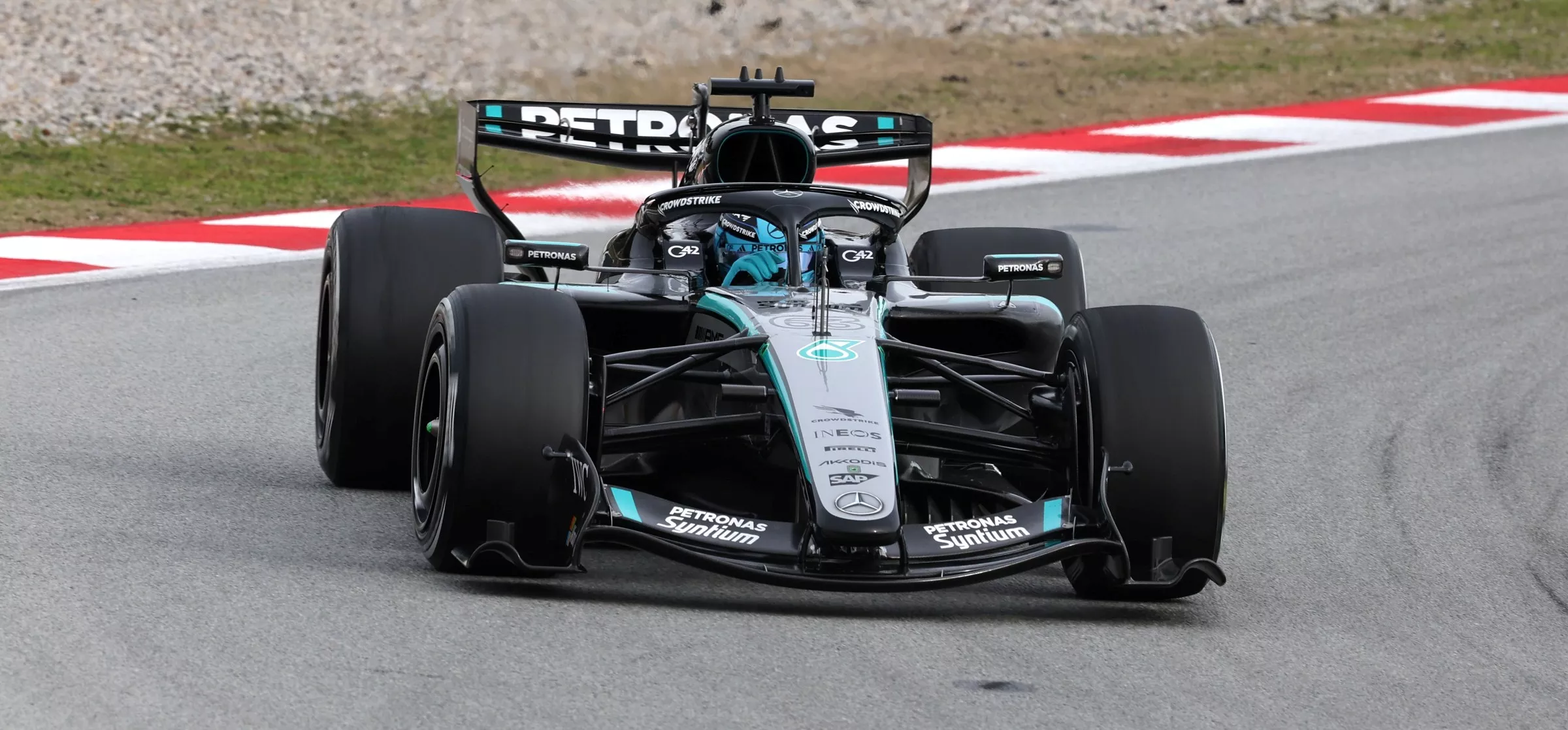
Mercedes completed the most laps in the 2026 pre-season shakedown with its 2026 F1 car

Laptimes should, however, be taken with a pinch of salt. We do not know how much fuel each team is running and, even if you take a magnifying glass to a photograph, it’s not possible to know the exact downforce levels and set-up of each car.
One could take an educated guess at fuel levels and engine levels by seeing how many laps a driver has completed in a given stint and how fast those laps have been - but even then, there’s a lot of obfuscation during testing. In general, timesheets and lap counts give a solid picture of where teams stand - but the numbers just aren’t definitive enough.
Teams might alternate high-fuel running with low-fuel running to test for different scenarios. They might turn their engines down to extend mileage or even practise fuel-saving. They might even engage in… sandbagging.
Sandbagging, flo-vis, and aero rakes - 6 pre-season testing terms explained
Sandbagging is a term used to describe a team’s deliberate obscuration of its performance in pre-season testing, to throw a rival team or teams off the scent and prevent them from investigating why a car is so fast. It’s never been proven that a team has sandbagged, but the term gets used a lot during pre-season testing.
Flow-vis paint is daubed over cars to show how air flows over bodywork. It’s a visual indicator of airflow, and a useful one given that it stems from real-life testing. Coloured powder is mixed with paraffin and then painted onto a car to show how a part upstream (such as a front wing) affects a part downstream (such as the sidepods behind it).
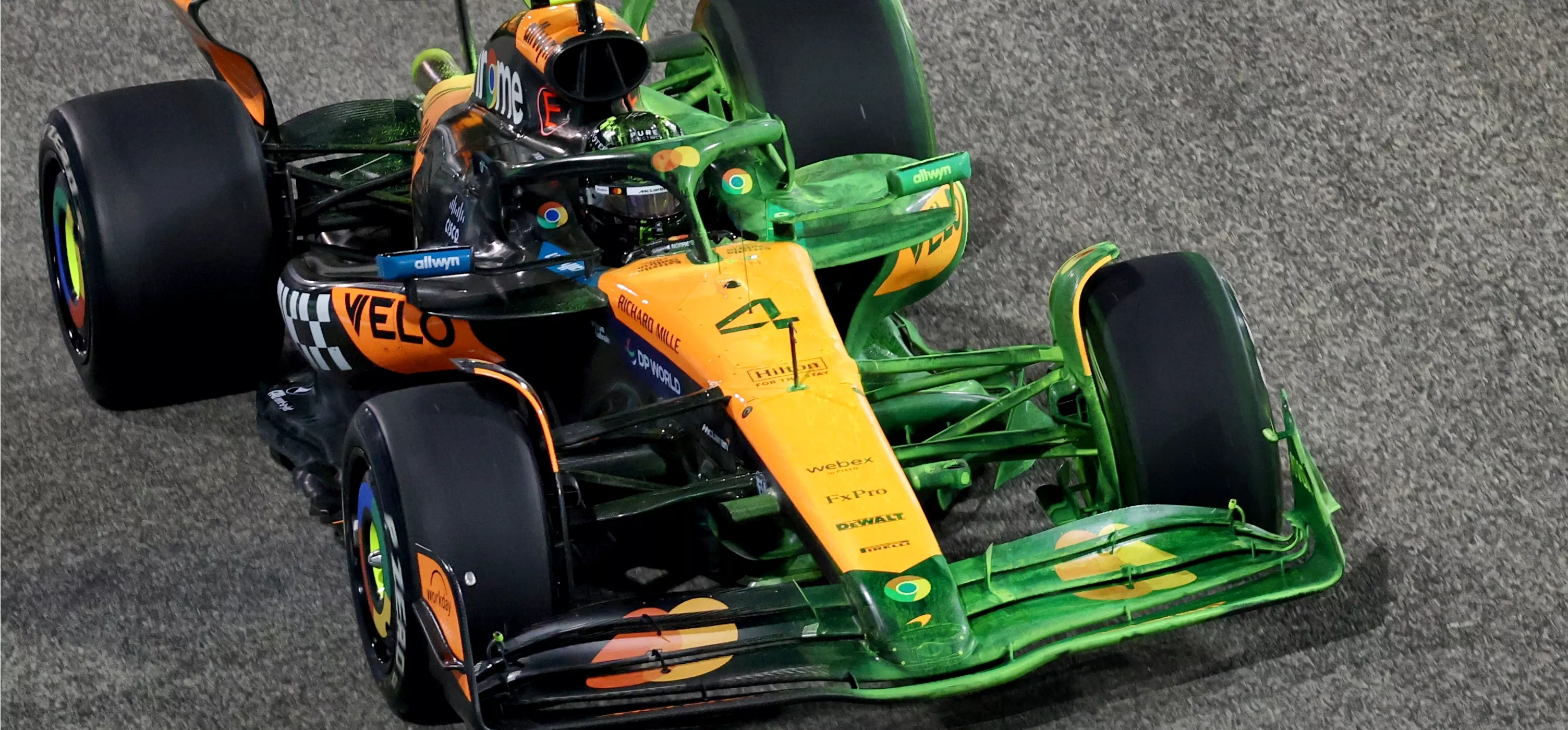
The 2025 McLaren F1 car with green flow-vis paint on its left-hand side during a test
Long runs are when a driver conducts numerous consecutive laps to simulate a long stint during a race, or conducts lots of data on one particular tyre. These laps will give a team an accurate level of fuel consumption, plank wear, and tyre wear.
Glory runs refer to laps conducted with low fuel and soft tyre compounds to achieve fast times, boosting team morale and giving a misleading picture of true pace to attract new sponsors. A famous example of this is Prost GP, which, in 2001, finished towards the top of the pre-season testing timesheets - but scored just four points throughout the season and finished ninth in the championship.
Installation laps are slow, initial laps conducted by drivers to test that everything is working on the car. In 2026, these will be useful to check whether the new power units and active aero devices are working properly.