Motor
MGU-K, megajoules, and managing the battery: F1's 2026 energy system explained
by Samarth Kanal
7min read
For 12 years, Formula 1's hybrid power units were defined by a piece of technology almost no road car ever used. That was the Motor Generator Unit - Heat or MGU-H, a tiny generator sitting on the turbocharger shaft that harvested energy from exhaust gases and used it to spool the turbo at 150,000 RPM.
Sign up for a newsletter and we'll make sure you're fully up-to-date in the world of race technology
Effective as it was, it was expensive, complex, and it enjoyed close to zero road relevance. The Mercedes AMG One supercar was the only major example of a roadgoing MGU-H.
The MGU-H worked alongside the Motor Generator Unit – Kinetic (MGU-K) to recharge the battery, with the MGU-K linked to energy being recovered through the act of braking.
There is only an MGU-K in the new 2026 power units - but it is much more powerful, meaning F1 has been able to wave goodbye altogether to the MGU-H.
This decision is crucial to understanding how recharging works, and its expansion has changed almost everything a driver does on track in 2026. Moreover, the rules are still changing and shifting.
One motor, doing far more
The 1.6-litre turbocharged 2026 F1 power units contain a combustion engine (ICE) with a wider system that includes the turbocharger (TC), battery (ES or Energy Store), control electronics (CE) and the MGU-K, which harvests and delivers energy.
That electric power comes from the MGU-K, which delivers 350kW - a near three-fold increase from the 120kW figure from the previous generation of power units.
That is a significant number. The FIA’s goal for 2026 was to achieve roughly a 50% electrical contribution.
Where the lithium-ion batteries in F1 cars differ from those in road cars is that the F1 batteries are designed for extreme power density rather than high capacity, which allows for quick, intense bursts of power.
The battery does not need to last days or miles - but only to deliver a surge of torque and provide acceleration out of corners and over straight lines.
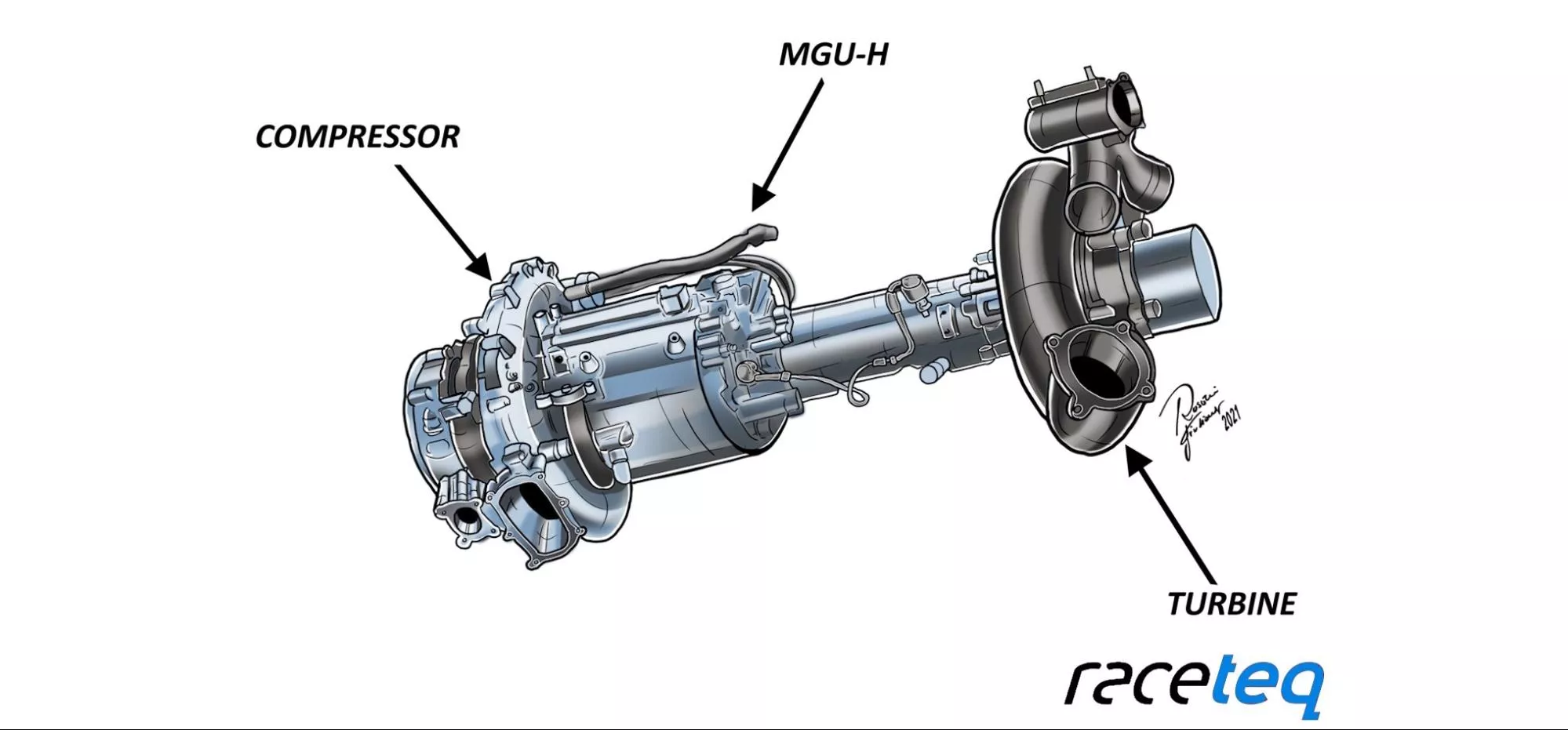
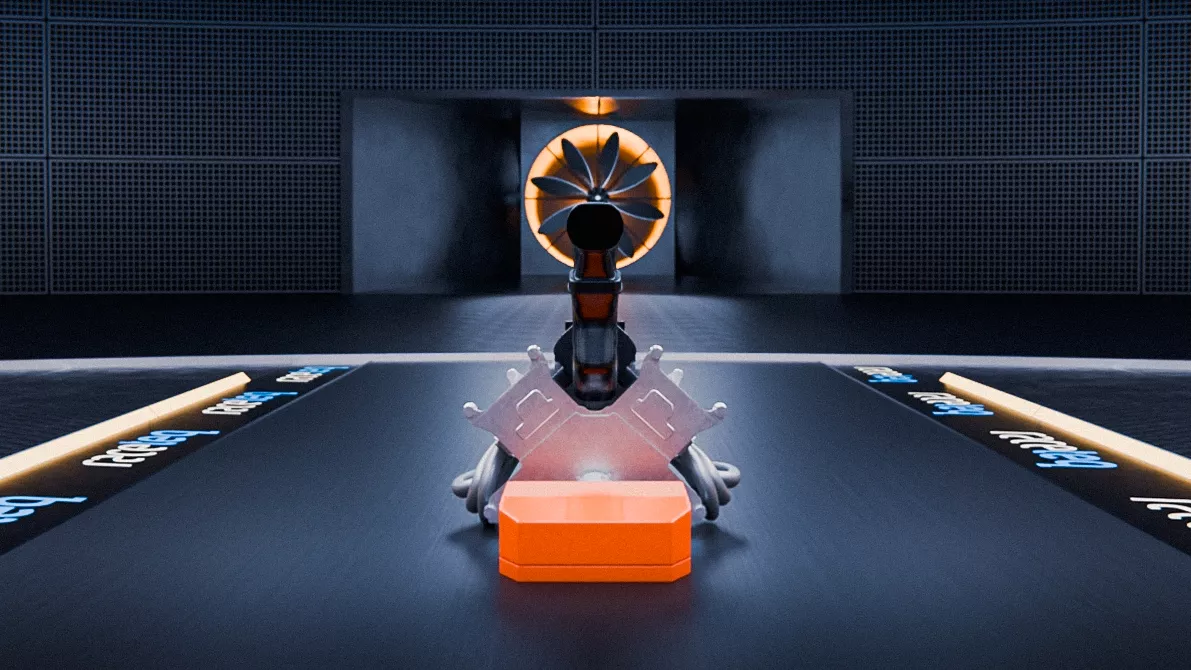
A representative illustration showing the MGU-H and its position on the turbocharger from 2014-2025
Four ways to charge the F1 battery
Recharge can be achieved in several different ways: under braking, on part-throttle, engine clipping at the end of a straight, or the classic lift-and-coast, when a driver lifts off the throttle early in a braking zone.
Each method comes with its own trade-off.
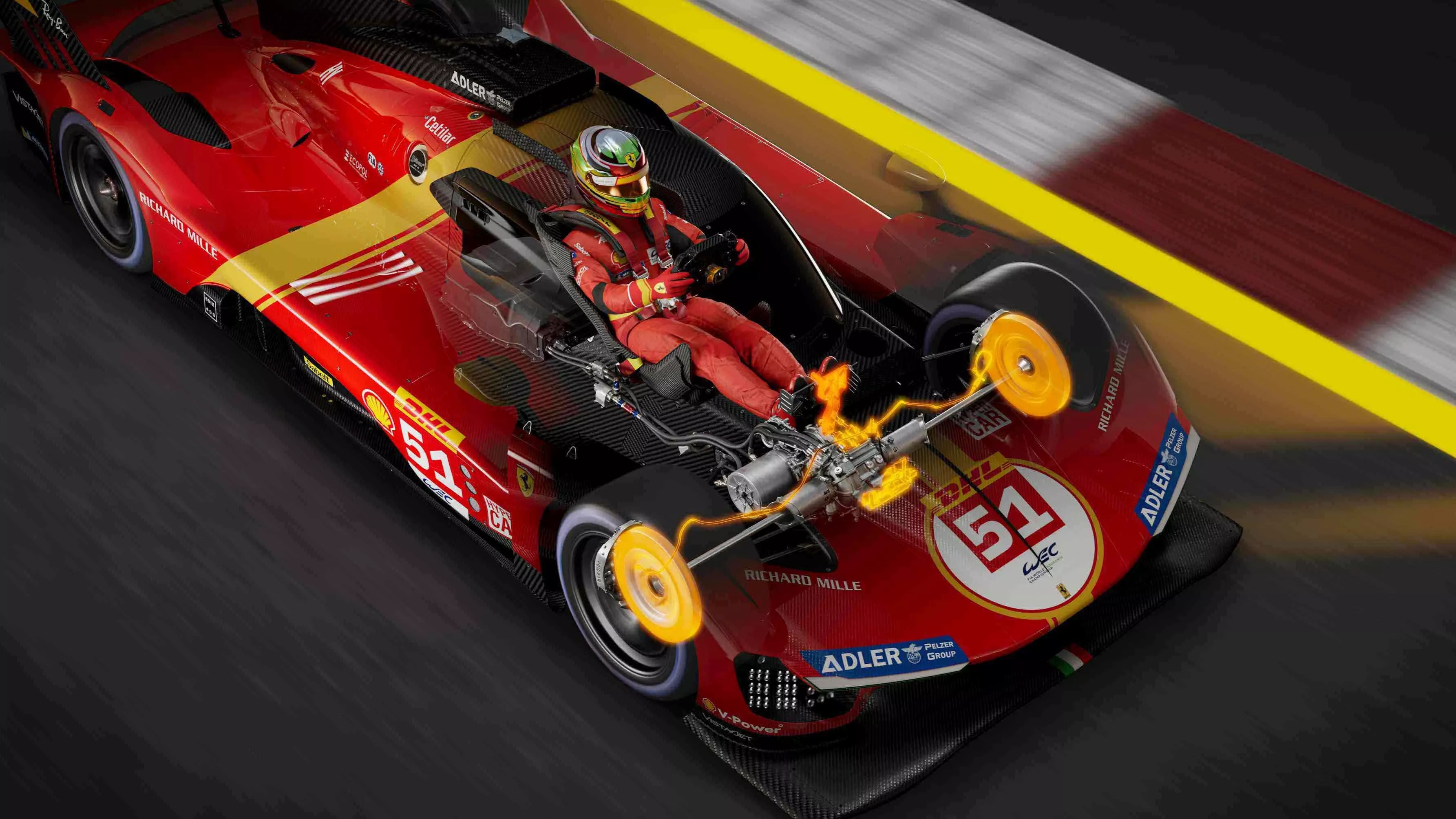
Braking is the most intuitive. As a driver stamps on the pedal heading into a corner, the MGU-K switches into generator mode and converts the kinetic energy of the decelerating car into electrical charge. Just as in 2009, this is a Kinetic Energy Recovery System or KERS-style setup.
On deceleration, the MGU goes into recharge mode and effectively brakes the rear axle. That’s led to much smaller rear brakes being used in 2026.
At a circuit like Monaco with its tight chicanes, braking zones are plentiful and recharging under deceleration becomes almost routine.
Part-throttle overload is where the battery takes power from the engine in parts of the track where the driver does not need to apply full throttle. On many occasions, drivers can rely on the MGU to decelerate the car sufficiently, especially through medium-speed corners such as Suzuka’s 130R or Silverstone’s Maggotts-Becketts sequence.
Not only does the ICE run at high RPM during acceleration, but during deceleration.
Lift and coast, often shortened to Li-Co, has become more pronounced in 2026. Rather than braking hard at the last possible moment, a driver lifts off the throttle early - sometimes well before a braking zone - allowing the car to slow under aerodynamic drag while the MGU-K simultaneously harvests the deceleration energy.
Adopting this tactic disables the active aerodynamic devices on the new cars. The wings therefore switch from Straight Mode to Corner Mode (increasing drag), which is crucial: choosing to lift-and-coast means sacrificing the car’s active aerodynamic advantage. This also leads to faster closing speeds, which goes some way to explaining why we see many unexpected overtaking moves in 2026.
Super clipping is one of the biggest talking points in 2026. This is when the cars automatically redirect power (up to 350kW) from the ICE to the battery at various points around the track when a driver is at full throttle, which results in the car automatically slowing down due to the loss of power, particularly to the rear wheels.
It happens at the end of long straights when the car is at peak velocity and, unlike lift and coast, it allows the active aero to remain open due to the process taking place whilst a driver is still at full throttle.
The aerodynamic efficiency is preserved; the price is a small reduction in terminal speed. Once again, super clipping has contributed to larger closing speeds in 2026.
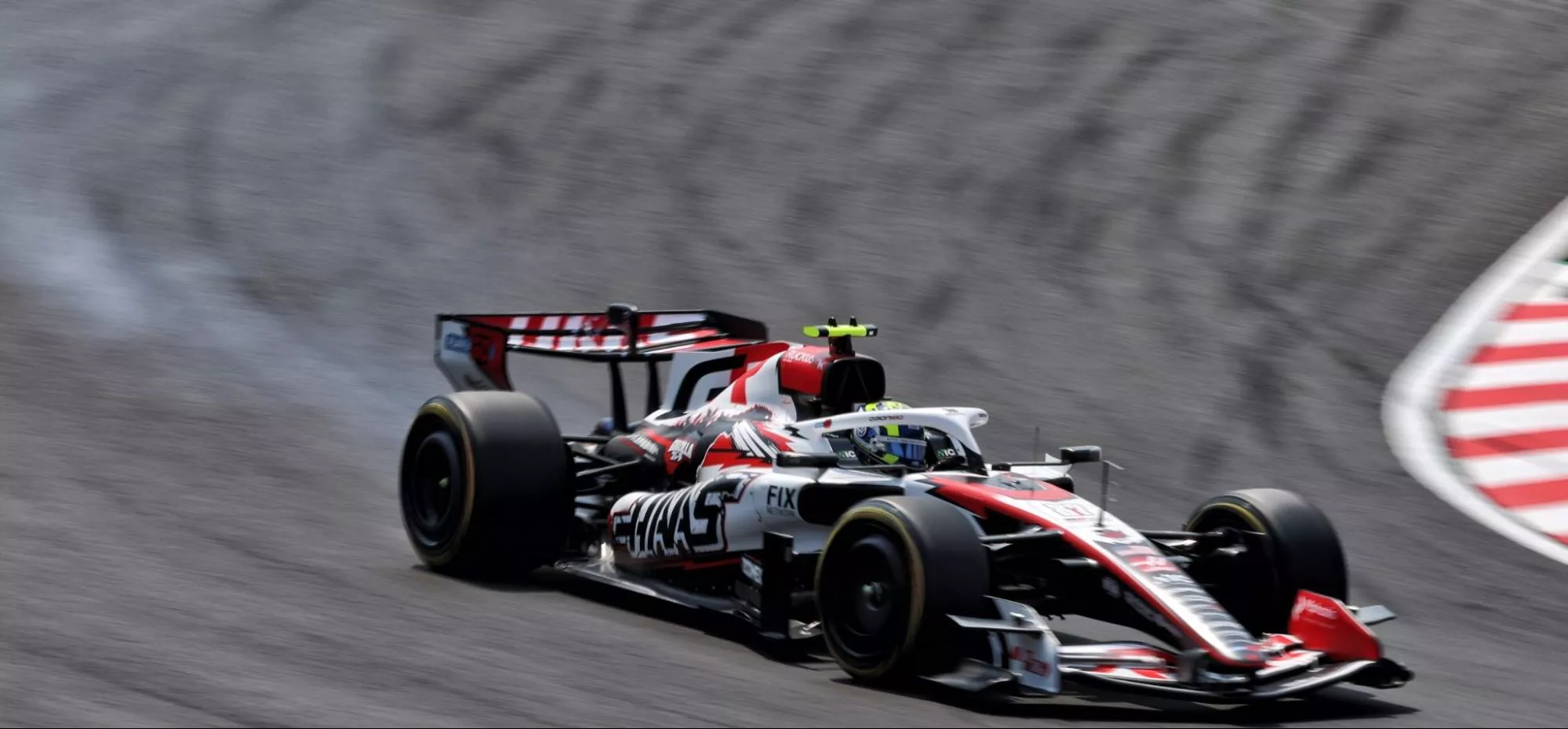
Oliver Bearman locks up under braking during qualifying in the 2026 Japanese Grand Prix. Braking is just one way to recharge the battery in an F1 car
How much energy is actually at stake?
The ERS from 2026 onwards can recharge the battery with up to 9MJ per lap, doubling the previous capacity (in 2025).
Nine megajoules is roughly the kinetic energy of a mid-size family car travelling at approximately 150km/h. Gathered and discharged dozens of times across a race distance, the ERS is the key tactical resource in 2026.
The amount of energy that can be deployed now increases to bursts of up to 4MJ, which equates to 11.5 seconds of full ERS-K power.
In contrast to the past regulations, the hybrid system can use as many of those 4MJ deployments per lap as the battery can deliver, rather than just one. This is a fundamental change from the previous era.
Previously, a driver received one deployment window per lap - managed and optimised, but ultimately a single tool. Now, multiple deployments are possible, provided the battery can support them. The focus shifts entirely onto the recharging side of the equation.
At some tracks, rear braking alone should be enough to deliver the energy recovery required for the optimum lap. At others, there will not be enough braking for the total energy requirement across certain sectors. Circuit characteristics now directly determine energy strategy in ways they never previously had to.
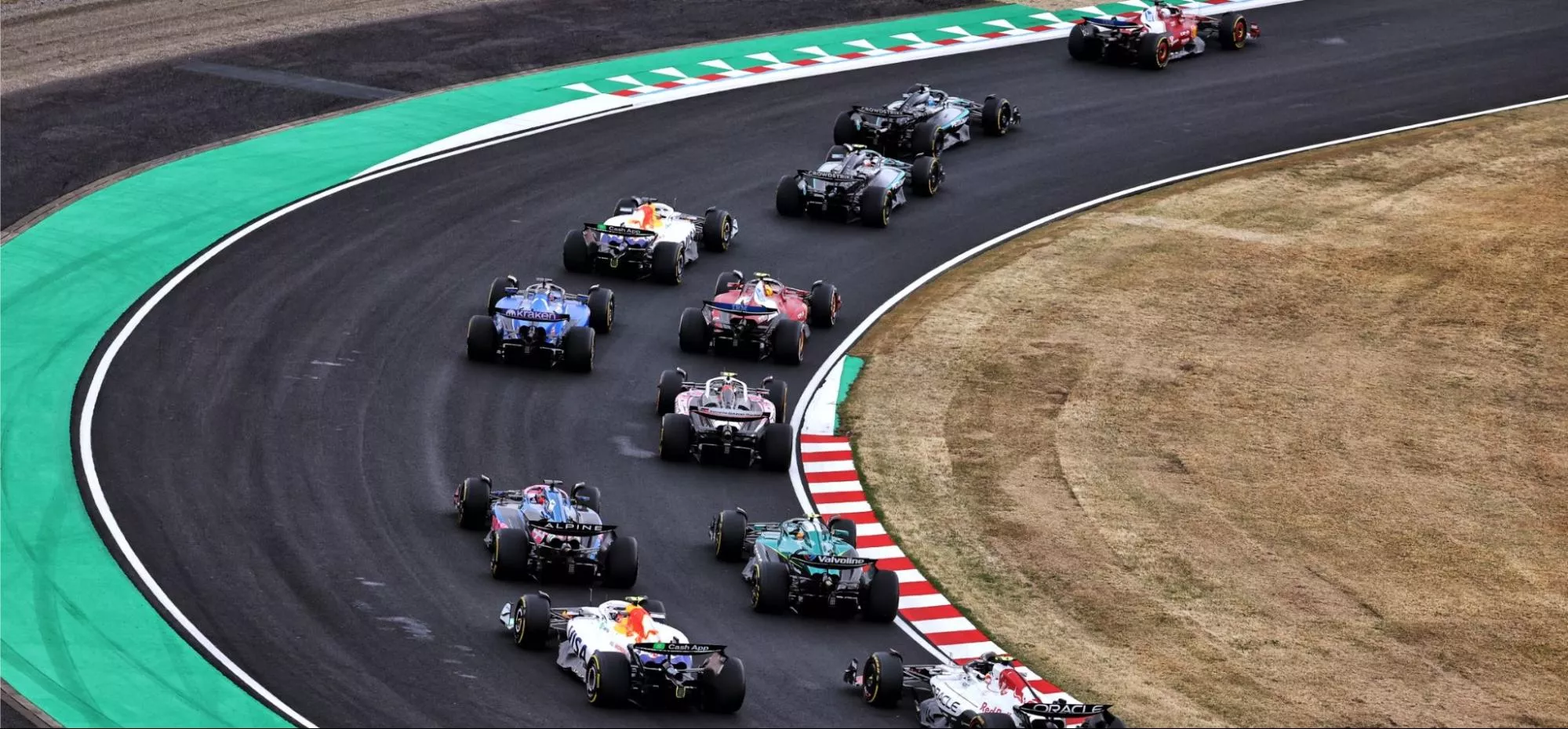
The field of F1 cars at Suzuka, Japan, where major energy management tweaks were first brought in before being refined for Miami
The qualifying conundrum
Here’s where the picture gets complex.
As per the rules, recharge is limited in qualifying, with the limit varying by circuit. Take Monza, Italy, for example, where long straights mean there are few corners to recharge energy and super clipping needs to be relied on - and compare that to Singapore, where numerous corners give the battery a chance to recharge fully.
The baseline technical regulation set the limit at 8.5MJ per lap, but May 2026 rule refinement lowered the threshold at which it can be reduced - from 8MJ down to 7MJ - and the FIA can cut it further to just 5MJ at energy-starved venues like Monza.
The recharge limit may also be bolstered with an additional 0.5MJ allowance based on factors such as Boost Mode.
The result is a range that runs from 5MJ at Monza all the way up to 9MJ at energy-rich tracks like Monaco and Hungary, aimed at reducing excessive harvesting and encouraging flat-out driving. This change targets a maximum superclip duration reduced to approximately 2 to 4 seconds per lap.
| Race | Max Recharge (Qualifying) |
| Miami | 8 MJ |
| Canada | 6 MJ |
| Monaco | 9 MJ |
| Barcelona | 7 MJ |
| Austria | 6 MJ |
| Britain | 7.5 MJ |
| Belgium | 8 MJ |
| Hungary | 9 MJ |
| Netherlands | 7.5 MJ |
| Italy | 5 MJ |
| Spain | 8 MJ |
| Azerbaijan | 8.5 MJ |
| Singapore | 9 MJ |
| USA | 8 MJ |
| Mexico | 8.5 MJ |
| Brazil | 6.5 MJ |
| Las Vegas | 6 MJ |
| Qatar | 8 MJ |
| Abu Dhabi | 7 MJ |
Data via The Race/Jon Noble/FIA
The bigger picture
The removal of the MGU-H was, in one sense, a simplification; F1 and the FIA opted to ditch the MGU-H and focus on kinetic methods of recharging the battery as the MGU-H was a very expensive piece of kit to produce and maintain throughout the season. This has led to Audi entering as a new power unit manufacturer.
But the outcome is less simple. By concentrating all harvesting through a single, dramatically uprated kinetic unit, F1 has made driver-battery synergy the primary variable in the energy equation.
The MGU-K's operation is directly shaped by how and when a driver chooses to decelerate.
Drivers are now more keen to harvest energy throughout the course of laps, with the electrical energy side of the power unit being worth so much more this year - which is why we’re seeing new methods of recharging such as super clipping and lift and coast.
In 2026, the fastest lap is not always the one with the cleanest braking and the deepest throttle application, but the one that sacrifices a little time at one point on the circuit to ensure maximum electrical deployment at another.
From 2014-2025, the battery played a supporting role; in 2026, it has become the main character.