Motor
Stopping power: Comparing regenerative braking performance across motorsport
by George Wright
7min read
It’s only been a couple of races and regenerative braking is already the talk of the F1 season. Yet it’s a technology that has become increasingly common across nearly all high-level categories of motorsport over the past few decades - including IndyCar, Formula 1, and the World Endurance Championship.
Sign up for a newsletter and we'll make sure you're fully up-to-date in the world of race technology
Today, its prevalence is such that regardless of which categories you follow, you will almost certainly have seen a car which makes use of regenerative braking.
And this begs the questions, what exactly is regenerative braking, why is it so, and how has it evolved in motorsport over the years?
What is Regenerative Braking?
In a car with conventional brakes, the vehicle is brought to a stop by the friction between a set of brake pads and brake discs attached to the car’s wheels. This friction dissipates the kinetic energy of the moving car as a combination of heat and a small amount of sound energy.
This process is inherently wasteful. Energy that was spent to get the car travelling at speed, is dissipated as heat and sound, being converted into a form which cannot be readily reused. Regenerative braking aims to address this problem.
The most common form of regenerative braking centres on an MGU, or Motor Generator Unit. This name comes from the fact that the MGU can function in two different ways.
When the MGU is supplied with electricity, it acts as an electric motor to drive the car forward. Under braking or deceleration, however, the MGU is run in reverse, with the kinetic energy of the moving car being used to turn the MGU’s output shaft. The resistance of doing so serves to aid in slowing the car down, and also converts some of the moving car’s kinetic energy into electrical energy, which can be stored in a medium such as batteries or capacitors. This electrical energy can then be fed back to the MGU under acceleration to help the car get up to speed again.
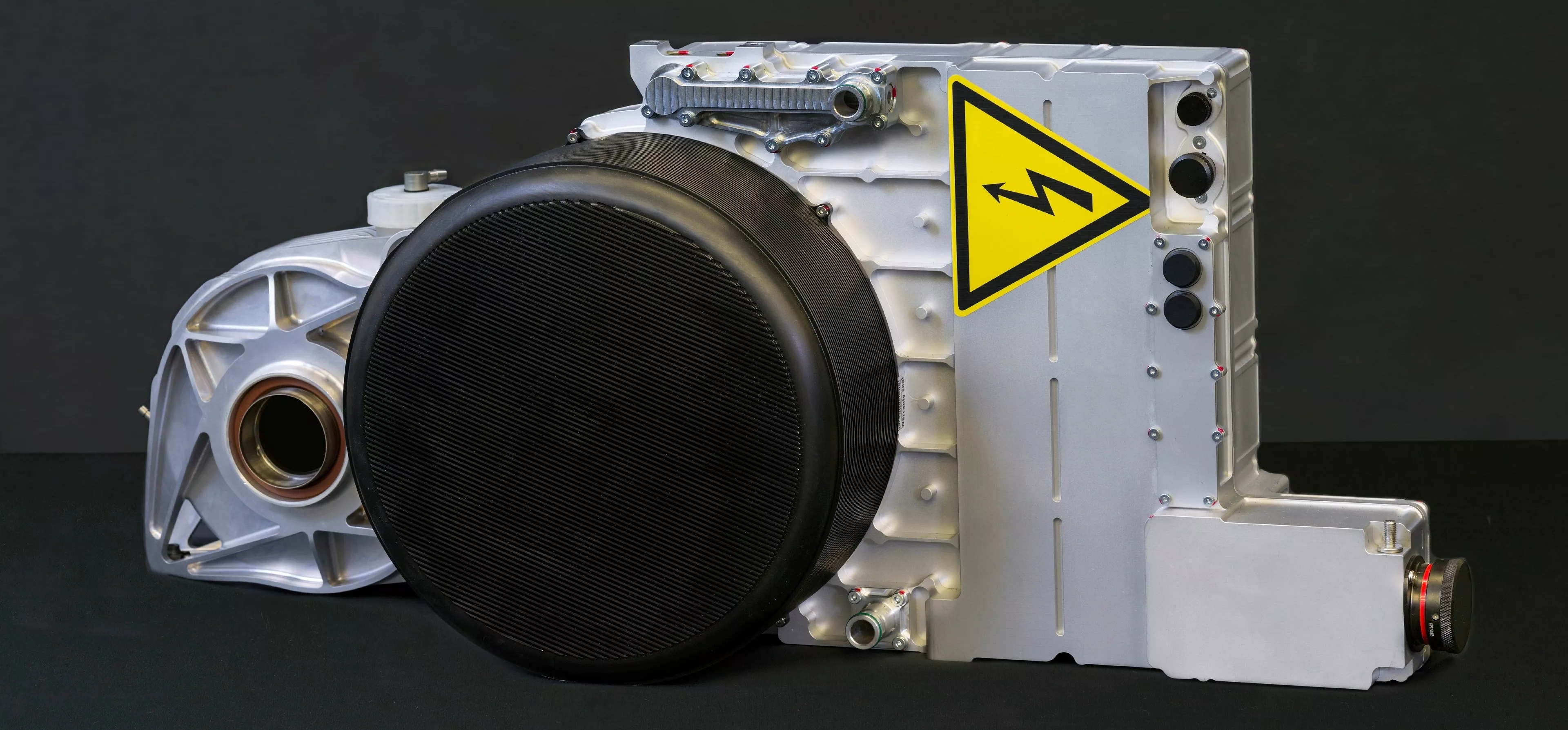
The MGU-K (above, from the Le Mans 24 Hours-winning Audi R18 car) converts kinetic energy into electrical energy
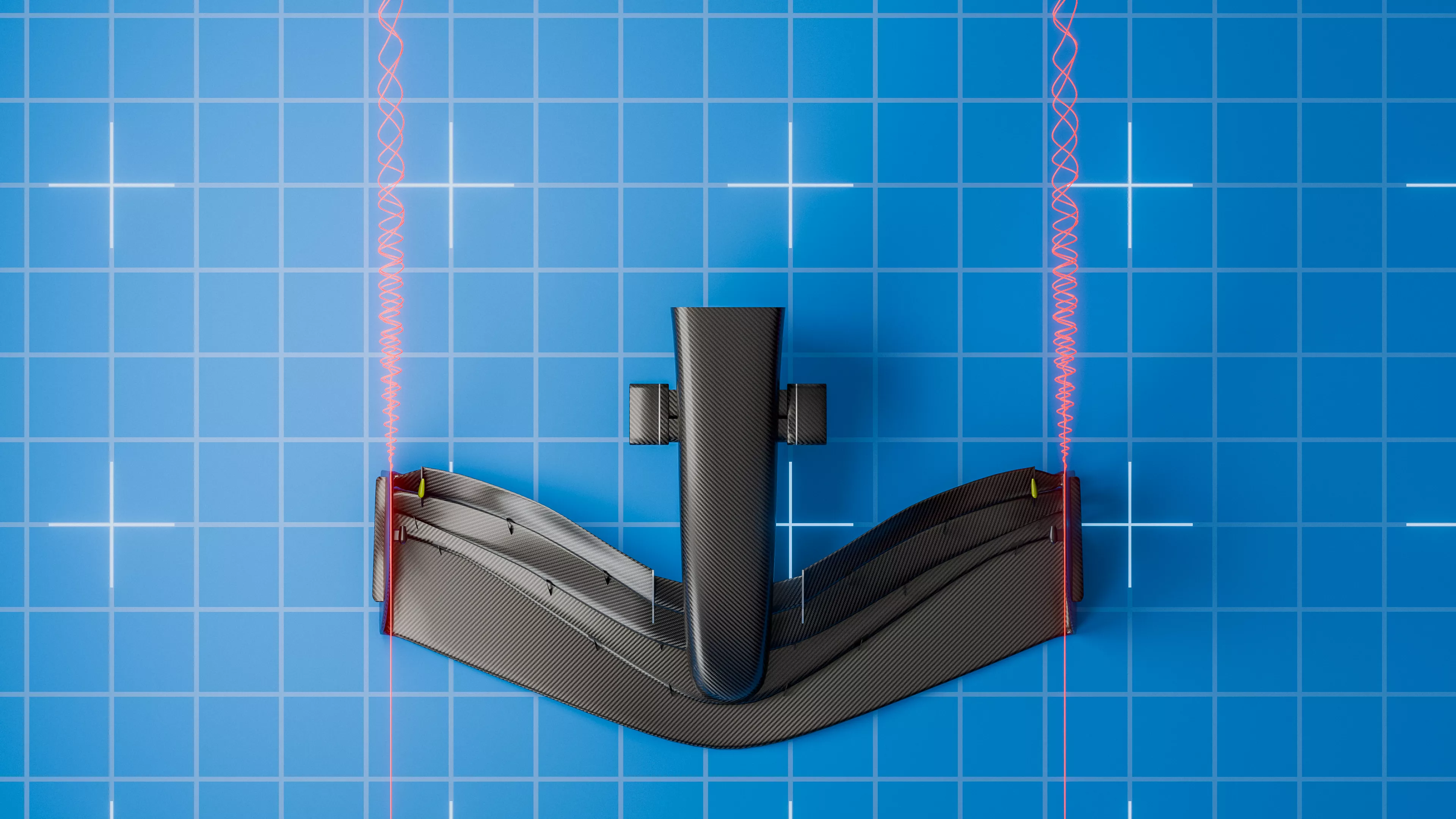
Regenerative Braking in Formula 1
F1 has featured regenerative braking in various forms since 2009. However, this technology takes a more prominent role in F1 than ever before with the dawn of the 2026 ruleset.
Previously, F1 cars (from 2014-2025) featured two different methods of recouping energy. These were referred to as the MGU-K, which harvested wasted kinetic energy under braking as outlined above, and the MGU-H, which functioned by capturing heat energy from the car’s turbocharger.
For 2026, the complex MGU-H has been done away with, leaving regenerative braking through the MGU-K on the rear axle as the sole way for teams to generate electrical energy. However, in 2026, this is particularly crucial because approximately 50% of the total power output of 2026’s F1 cars will be derived from the MGU-K, which is now permitted to supply a boost of up to 350 kW (~470 horsepower).
The MGU-K can deploy energy in two different ways. The first of these is known as Boost mode. This is effectively a manual deployment of the car’s stored energy which can be initiated by the driver pressing the boost button. Boost mode can be used anywhere on track and in any situation the driver desires in accordance with a set of pre-programmed profiles (provided the car has sufficient stored energy).
The second method of deployment is Overtake mode, which has effectively replaced the Drag Reduction System as F1’s primary overtaking aid in 2026. Overtake mode allows drivers to deploy 0.5 Megajoules (MJ) worth of energy at specific points on track (roughly analogous to DRS zones) if they are within 1 second of the driver ahead.
To meet this power demand, 2026’s regulations permit cars to regenerate up to 8.5 megajoules of energy per lap. Much of this figure is accounted for by braking or lifting off-throttle into deceleration zones to allow the MGU-K to harvest energy.
However, a new phenomenon for 2026 has been termed ‘super clipping’. This is where the MGU-K begins to harvest while the driver is still on throttle, albeit at a reduced rate of 250 kW. The MGU-K is effectively working against the car’s traditional Internal Combustion Engine (ICE) in this instance, but the practice helps cars to reach the 8 MJ regeneration limit.
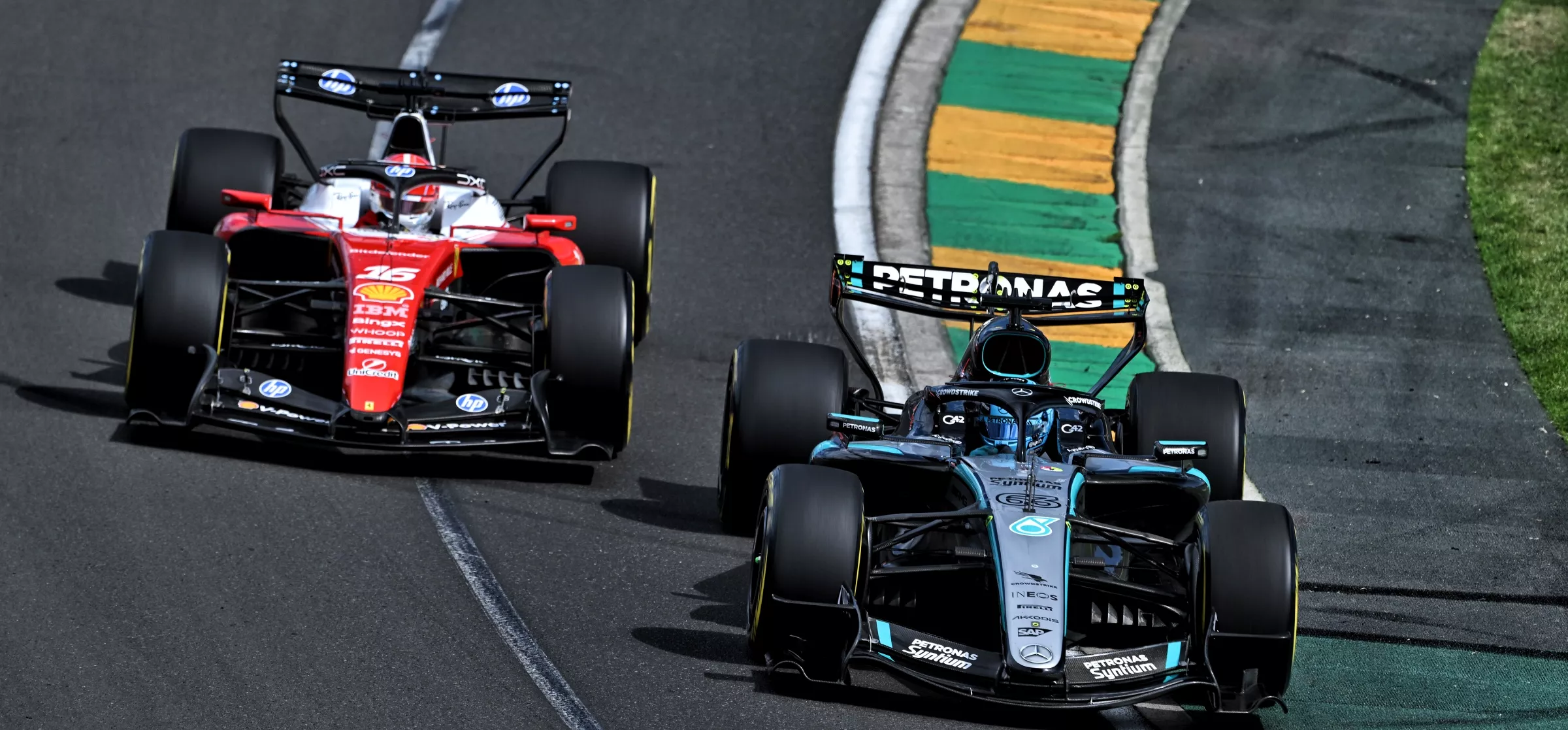
The 2026 Formula 1 power unit regulations have made for interesting racing; there were 120 overtakes during the 2026 Australian Grand Prix compared to 45 in the previous year’s event
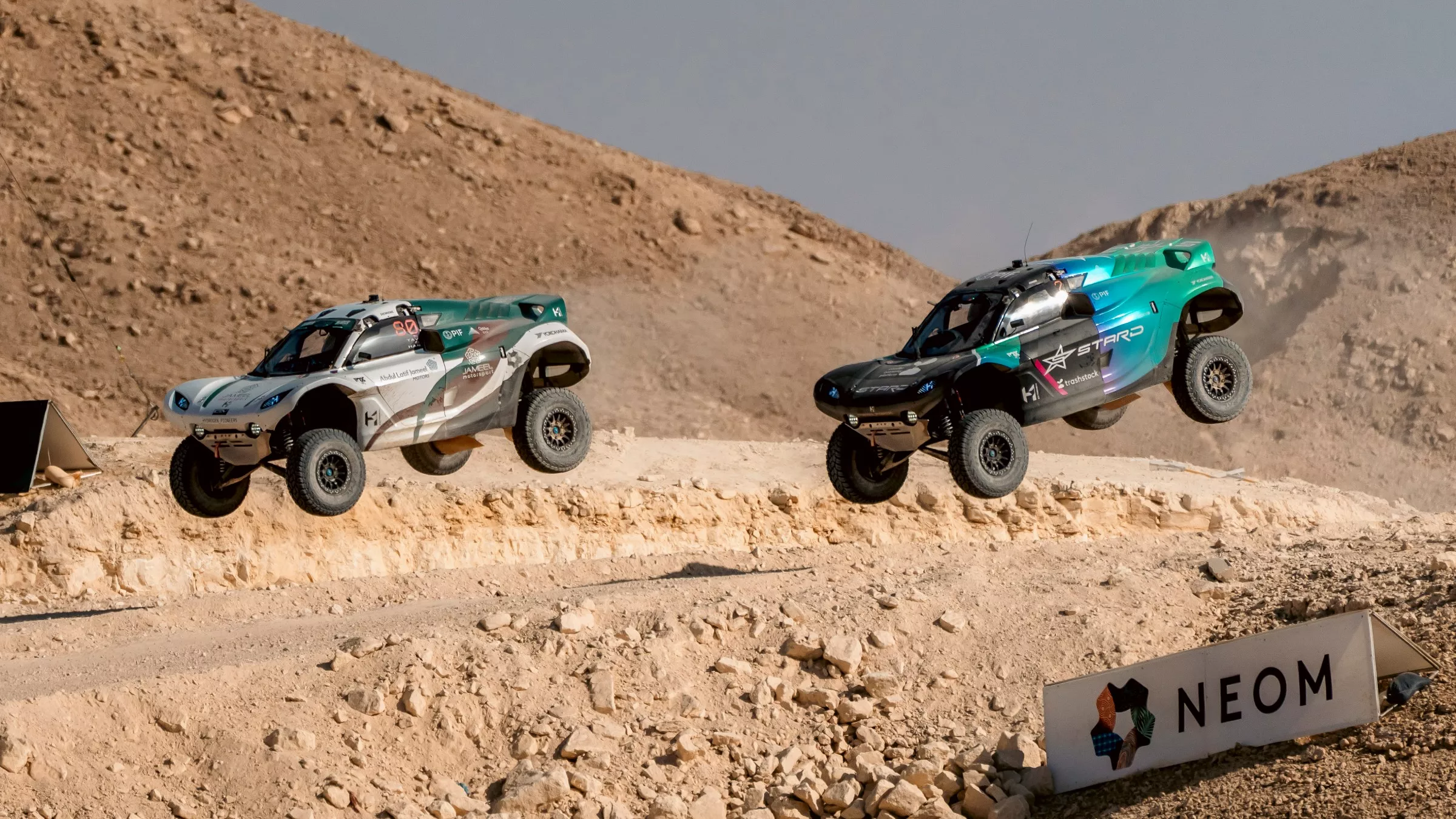
Regenerative Braking in Formula E
As a fully electric series where the car’s MGUs are the only form of propulsion, Formula E is perhaps the motorsport category most dependent on regenerative braking.
Indeed, Formula E cars do not start with enough battery charge to complete a full race distance, and must therefore regenerate energy in order to even make the chequered flag, let alone win the race.
Because of this, Formula E has adopted perhaps the most extreme interpretation of regenerative braking seen in a modern motorsport category. Where F1 cars use a single MGU connected to the rear wheels, since the introduction of the ‘Gen 3’ standard in 2022, Formula E cars have MGUs on both the front and rear wheels.
These two units combine to provide a power output of up to 350kW (~470 hp) when in ‘attack mode’ or on a duels qualifying lap, while allowing the car to regenerate up to 600 Kilowatts (kW) of power (250kW from the front MGU, 350kW from the rear) when harvesting. The braking force generated by harvesting is such that current Formula E cars feature no conventional rear brakes at all.
Notably, the use of front and rear MGUs also enables Formula E cars to run in all-wheel drive. In the current Gen 3 Evo regulation cycle, this is restricted to race starts, qualifying and ‘attack mode’ power boost. However, the upcoming Gen 4 car, set to debut in the 2026/27 Formula E season, will feature permanent all-wheel drive, increase the car’s total power output to 600kW (~805 horsepower) and enable up to 700kW (~938 horsepower) of regeneration under braking.
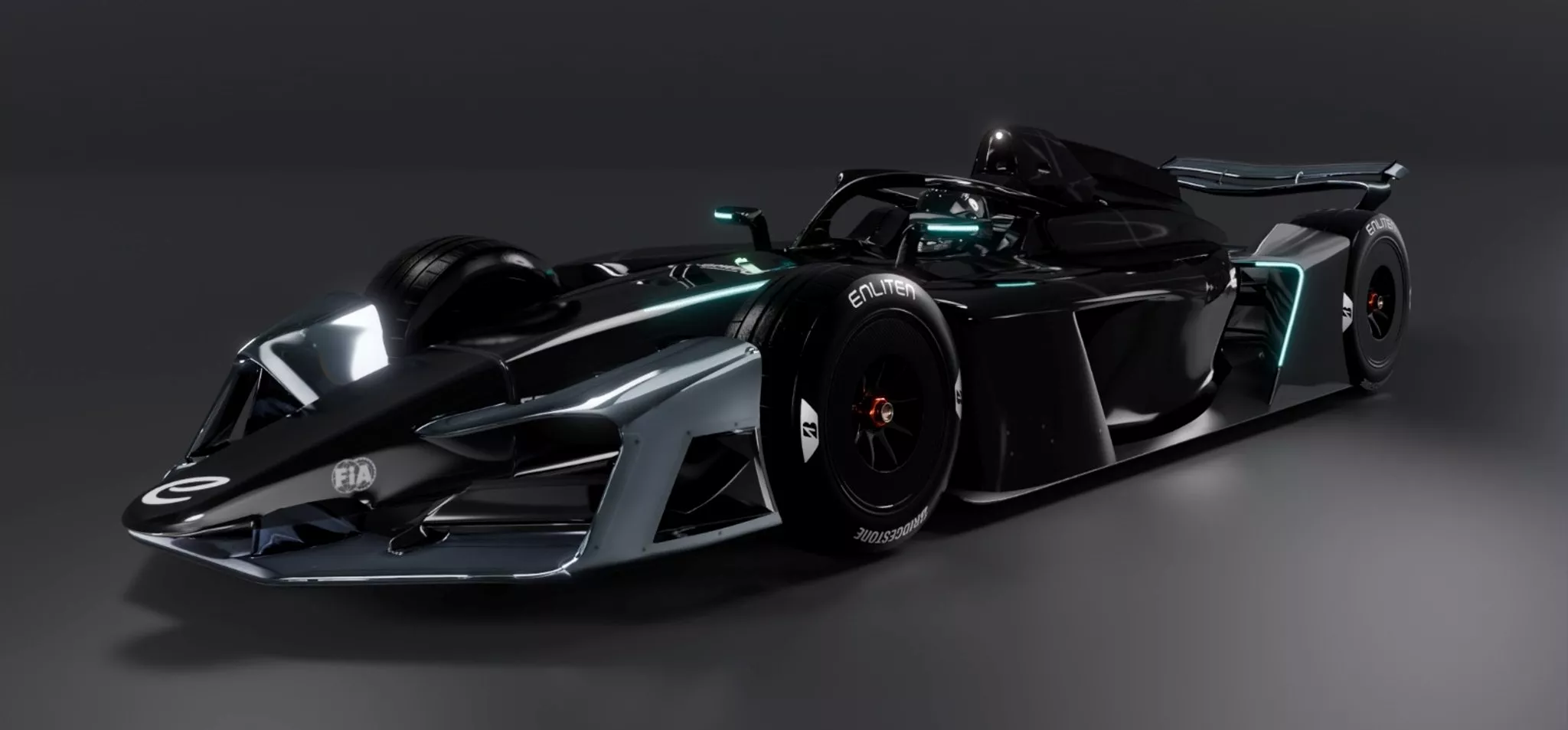
The ‘Gen 4’ Formula E car will feature permanent all-wheel drive with a very powerful regenerative braking system
.webp?cx=0.5&cy=0.5)
Regenerative Braking in the World Endurance Championship
Endurance racing series were among the earliest adopters of regenerative braking in motorsport thanks to the boost in efficiency such systems can provide. This affinity for the system is reflected in the rules for the WEC’s current top-level LMH ‘Hypercar’ class.
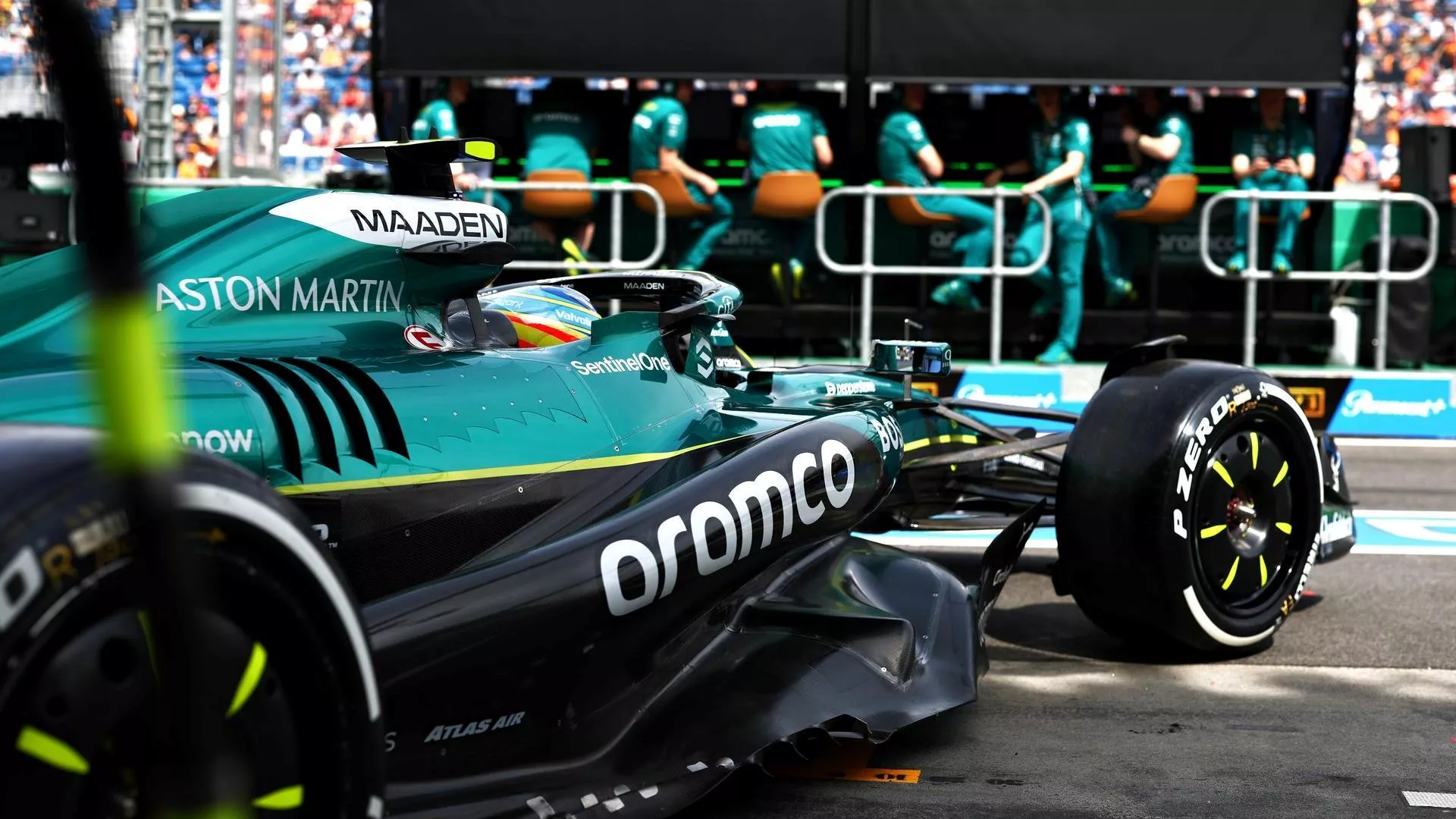
Unlike F1 or Formula E, though, the use of regenerative braking in the LMH class is not mandatory, with some teams such as Aston Martin choosing to forego the system.
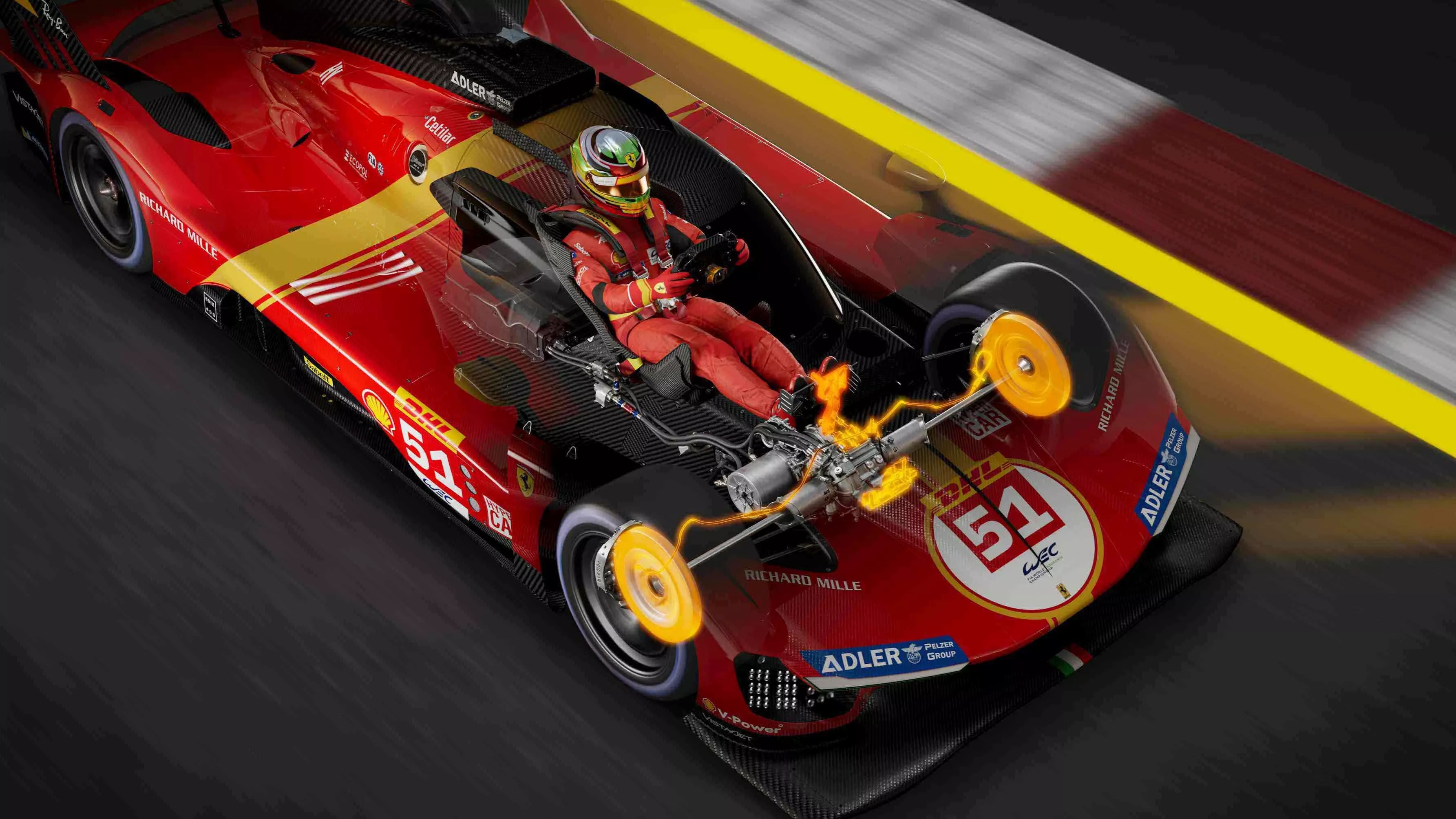
If a team does choose to use regenerative braking, the rules stipulate that the MGU-K of the system must be placed on the car’s front axle, where it can both boost and regenerate power at a rate of 200 kW (~270hp). This placement notably means that then the MGU-K is deploying energy, LMH cars have all-wheel drive.
Usage of regenerative braking is also regulated by WEC’s Balance of Performance (BoP) system, aimed at providing a relatively level playing field. One of the key criteria regulated by BoP is maximum stint energy. This is a limitation placed on the total amount of energy from both the internal combustion engine and the MGU-K of LMH cars.
This limitation varies from team to team and at each race, but it places an effective cap on how much electrical energy teams can regenerate and deploy under braking in a given stint, with typical limits in the several-hundred MJ range.
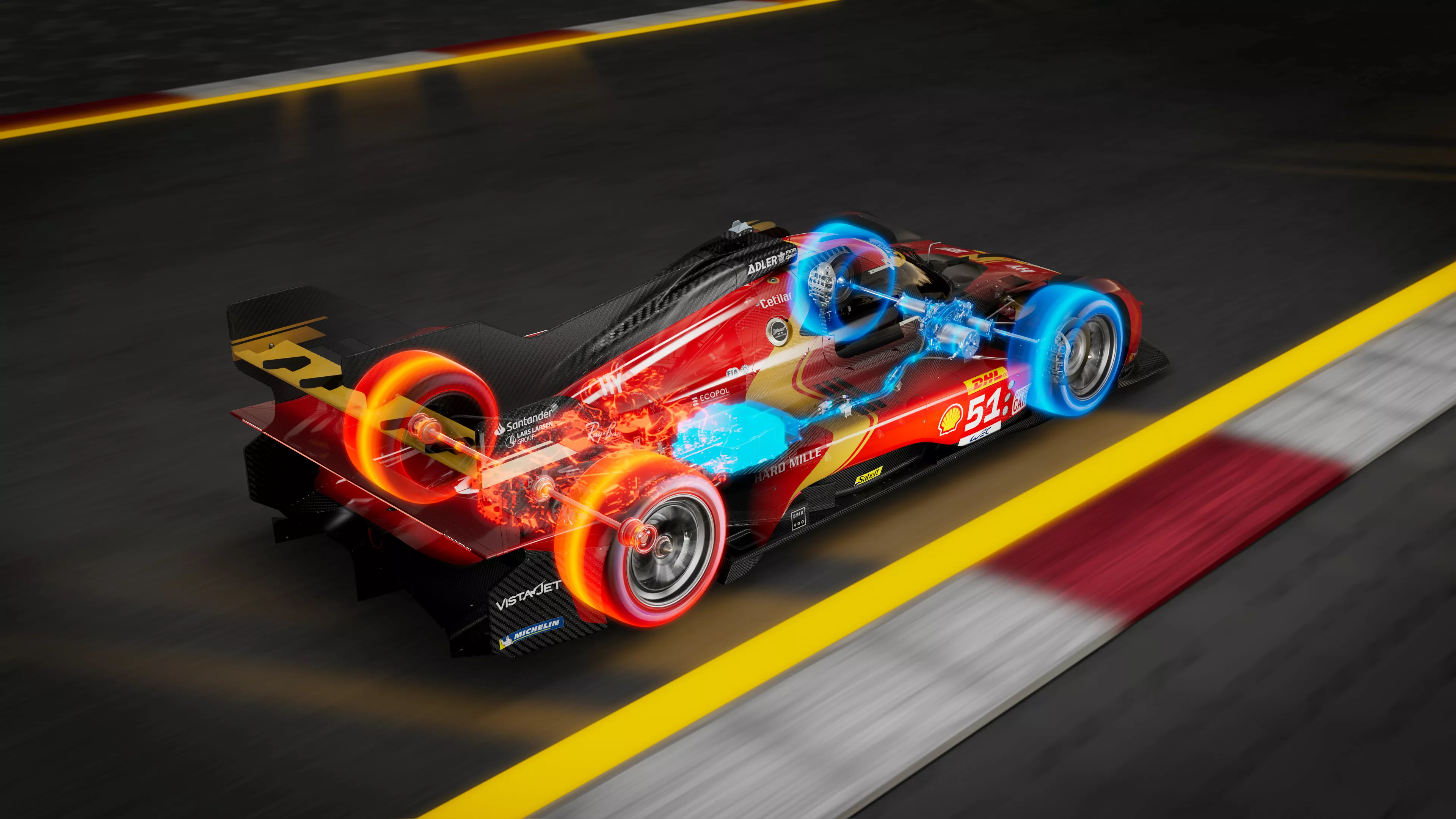
The Ferrari 499P Hypercar features a single MGU that sends power to the front wheels
Regenerative Braking in IndyCar
Compared to other series, IndyCar has been relatively hesitant when it comes to adopting regenerative braking, only introducing its package part way through the 2024 season.
IndyCar is however relatively unique in that instead of using a bank of Lithium-Ion batteries to store the energy harvested under braking, its system instead uses an array of 20 supercapacitors.
Compared to a typical battery-based energy store, a supercapacitor bank can be lighter and more compact.
Supercapacitors also have a far higher charge and discharge rate than batteries, making them well-suited to a series like IndyCar, which races on ovals. On these tracks, drivers can pull a paddle on the steering wheel while still accelerating to rapidly charge the supercapacitors without having to slow down to the extent needed to effectively harvest energy with battery-based regenerative systems.
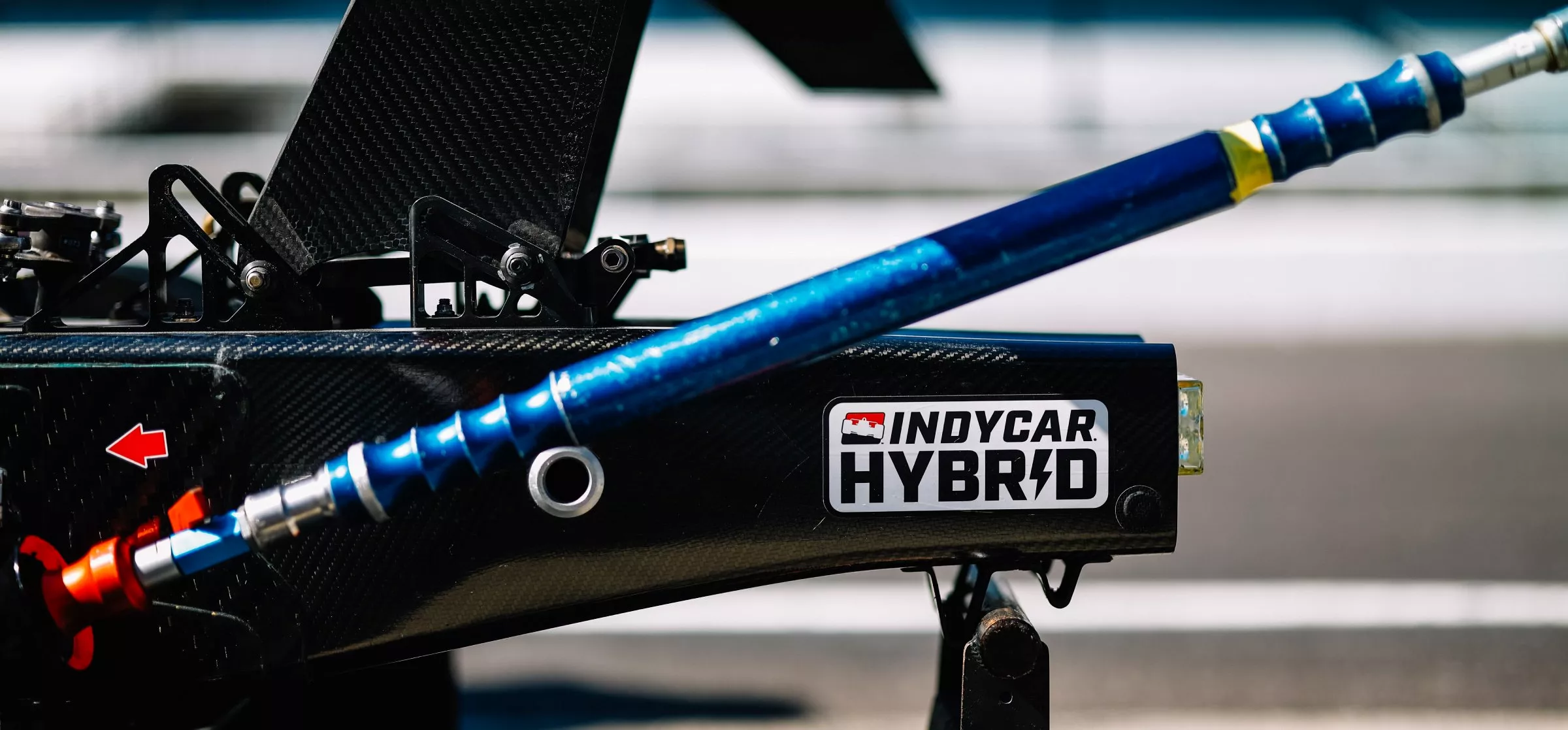
IndyCar is unique in that its single-specification cars feature supercapacitors for rapid regeneration and power delivery
However, supercapacitors are also far more limited when it comes to storage capacity compared to conventional batteries.
This means that the power boost provided by the IndyCar MGU when deploying is significantly less than that seen in series like F1. While the MGU-K of a 2026-spec F1 car provides up to 350 kW of power boost, an IndyCar’s MGU provides a boost of only 45 kW.
The uniting factor of all these applications is the shared goal of recovering energy that would otherwise be lost, and putting it back to work within the wheels of the machines mentioned above.
Regenerative braking might have been divisive when it was first brought into motorsport, but the fact that so many different championships have now incorporated this technology as a key part of their power unit packages speaks to how valuable it is, how rapidly it is evolving, and the fact that it is undoubtedly here to stay.
.webp?cx=0.5&cy=0.5)