Car
Formula 2 2027 car update: new aero, no hybrid, possible push-to-pass system
by Samarth Kanal, Jon Noble
5min read
Formula 1 has forged a distinct path with its sweeping 2026 rules changes, but what does that mean for its closest feeder series, Formula 2? And how might F1and F2 be brought closer together in the future?
Sign up for a newsletter and we'll make sure you're fully up-to-date in the world of race technology
F2 provides exciting racing of its own accord, with a grid of 22 adept drivers competing to make their name. Ask any of them, and they’ll say there’s one destination in mind: F1.
The championship and its feeder series are similar at first glance; single-seater racing cars often compete on the same circuits and reach blistering speeds on Pirelli tyres.
They do differ,
sometimes starkly, and those differences have only become pronounced
in 2026 as F1 has adopted new rules that do away with the drag
reduction system (DRS) while F2 retains it; and F1 has added a
stronger electrical component to its hybrid power unit while F2 has
retained the internal combustion engine (ICE).
While F2 might have
been tempted to sit on its laurels, having introduced a new car in
2024, there are changes on the horizon.
Is F2 close enough to F1?
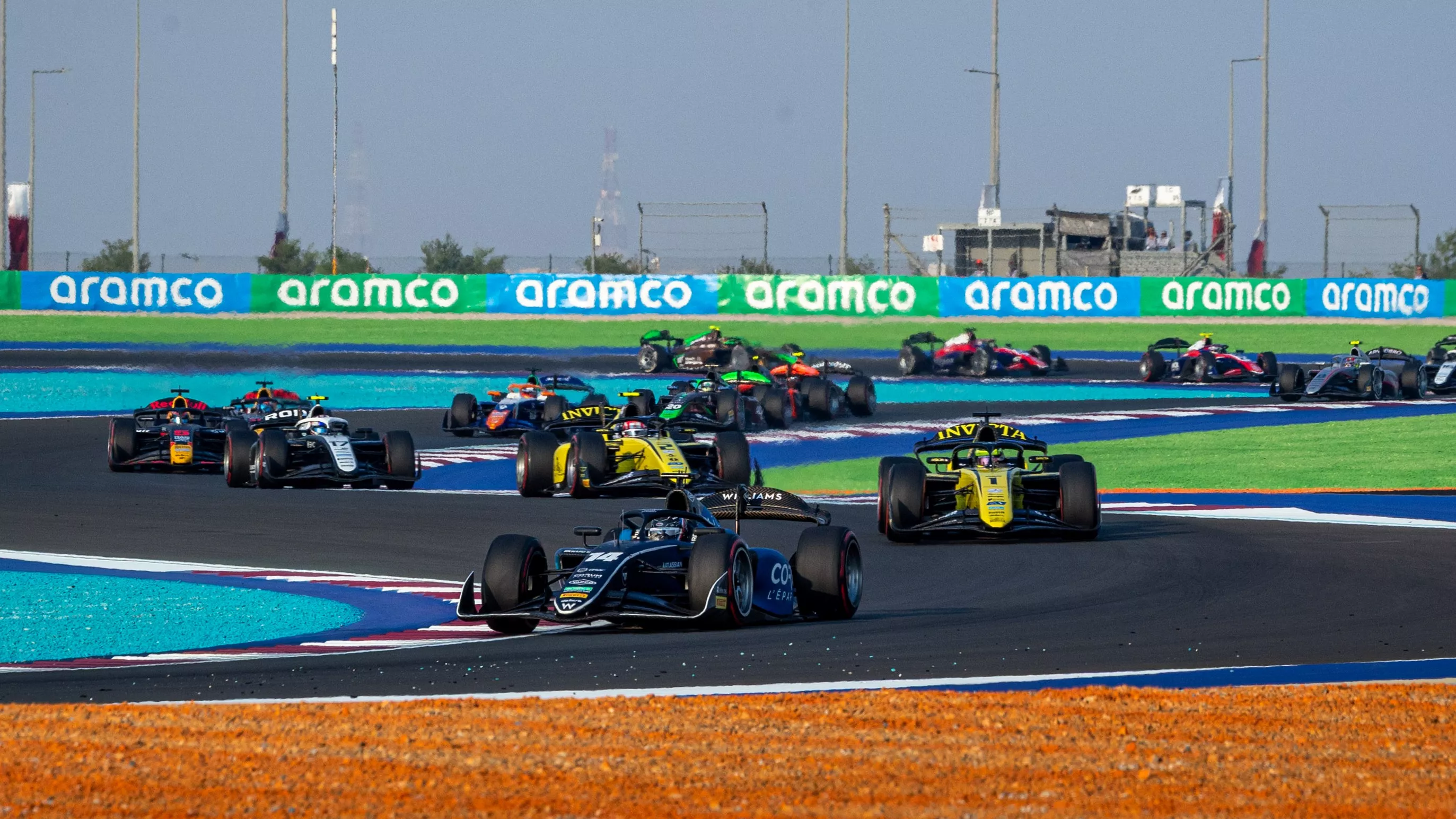
F2 and F3 CEO Bruno Michel spoke after a stunning F2 sprint race in Miami that went down to the last lap, a thrilling conclusion that separated winner Nikola Tsolov and runner-up Laurens van Hoepen by just 0.170s with third-place driver Alex Dunne just over a second away.
The gaps between cars in F1 are seldom that small; neither the chassis nor power units are built equally, and the contrast between F2 and F1 was evident in Miami.
“The one [sprint race] this morning was particularly good, I must say. I don't know if it's one of the best from the last [few years] but it was really, really a good one. And to see three drivers fighting like they were in the last corner is really good,” reflects Michel.
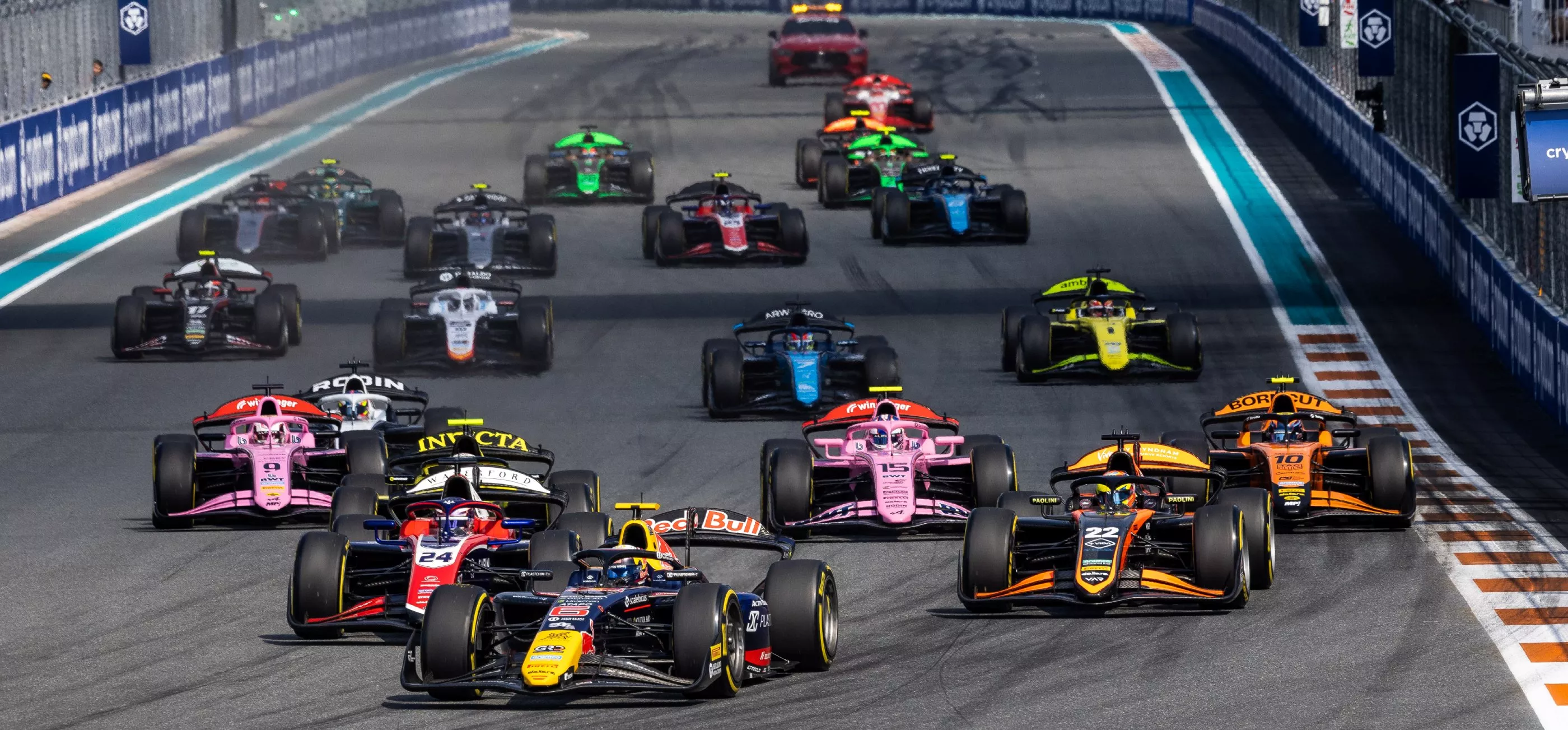
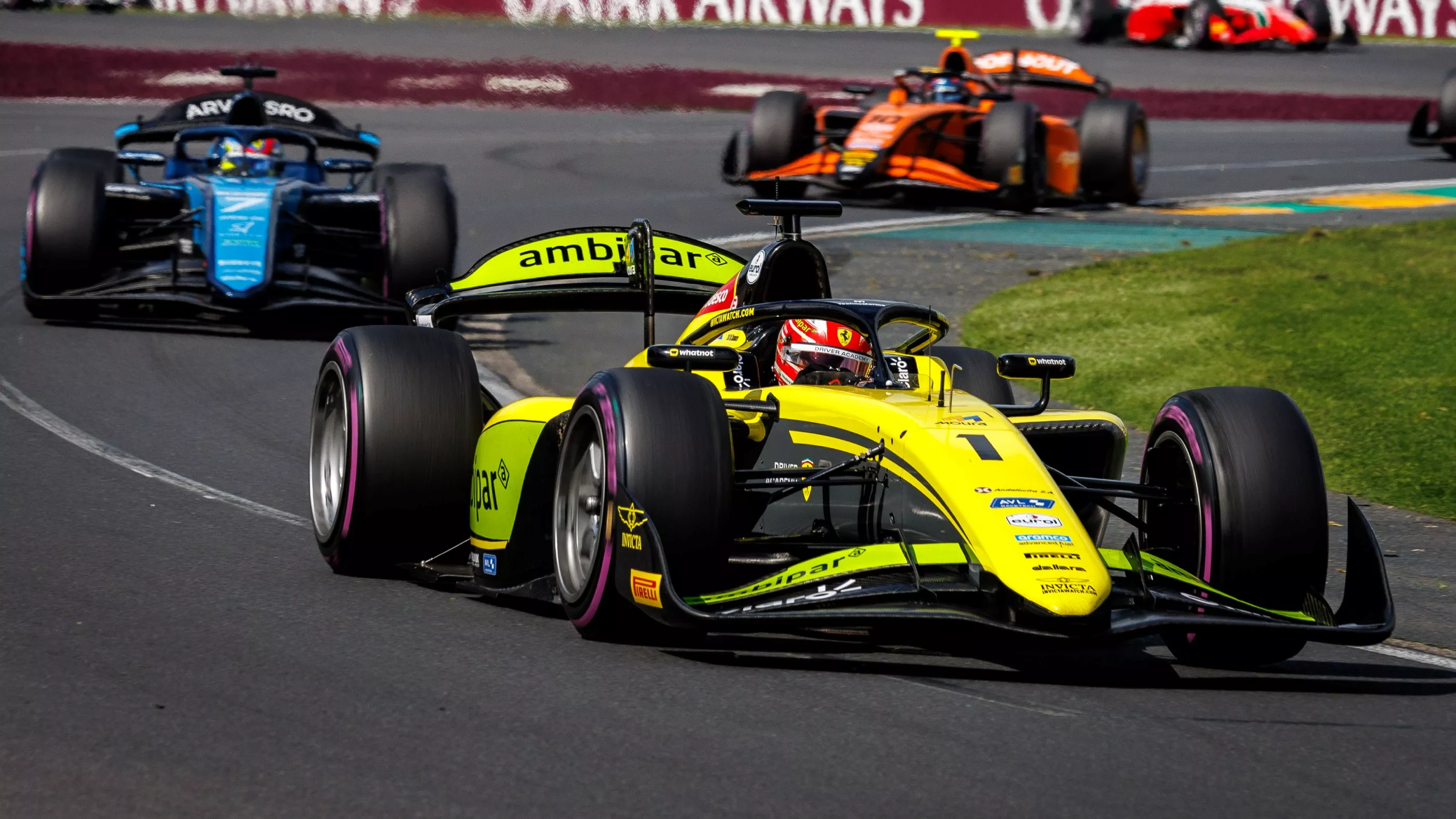
Both the F2 sprint and feature race provided intense and exciting racing in Miami
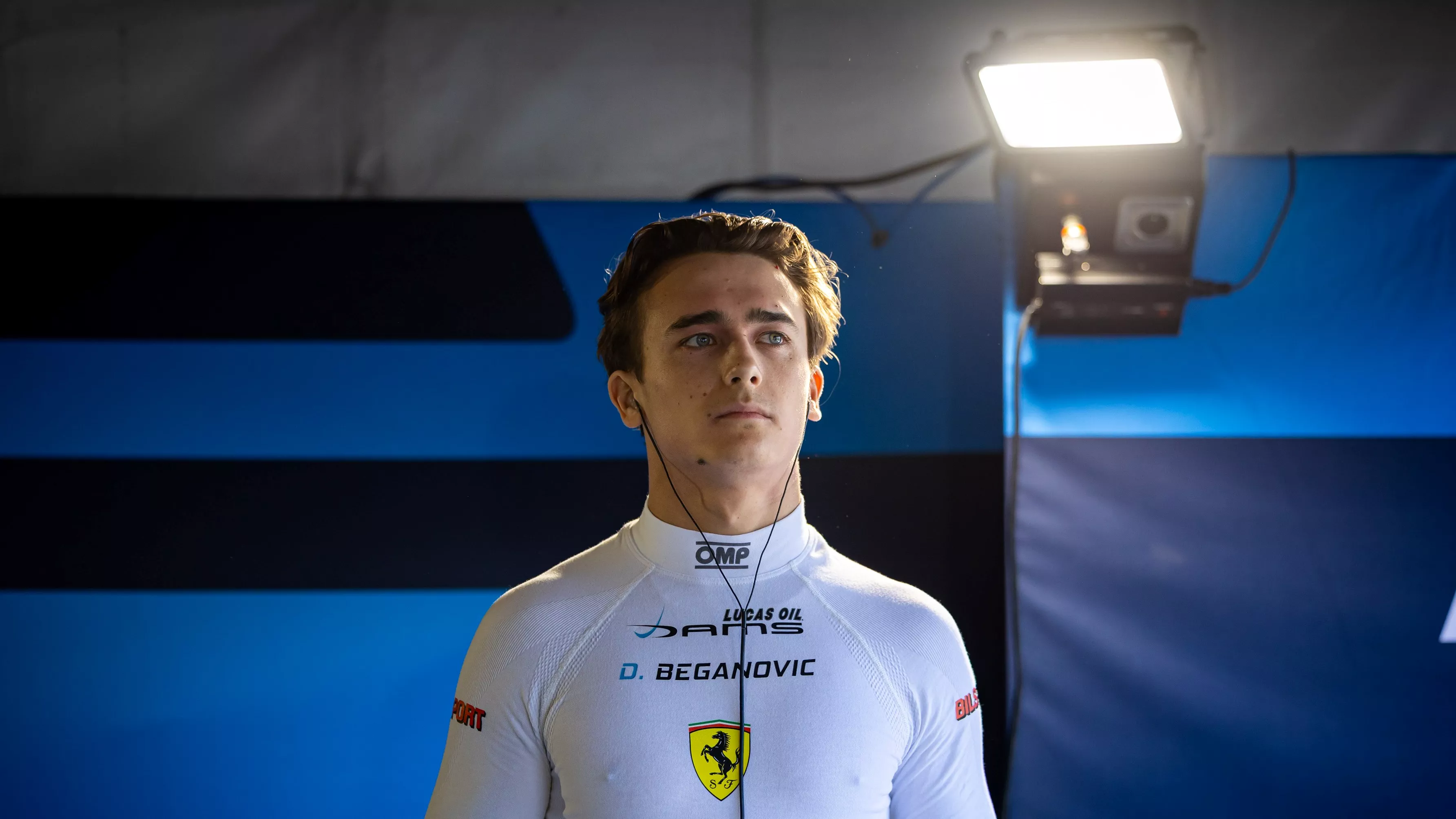
With markedly different racing in F2 than F1, is the feeder series tempted to change the nature of its racing to make it more relevant to the top tier?
“What is important is that we have proper racing because that's the DNA of our championships, and that's why the promoters want us to come because they know that we bring four races every race weekend…” says Michel.
“It's true that
probably our drivers will take a little bit more time to get used -
when they get to Formula 1 - to what Formula 1 is now. But the
Formula 1 races are really great, honestly. I've been watching them
since the beginning of the season, they are really, really impressive
as well.
“But it's slightly different, it's not exactly the same
kind of racing as we're having. But they're both good. There's not
one that has to be better than the other one.
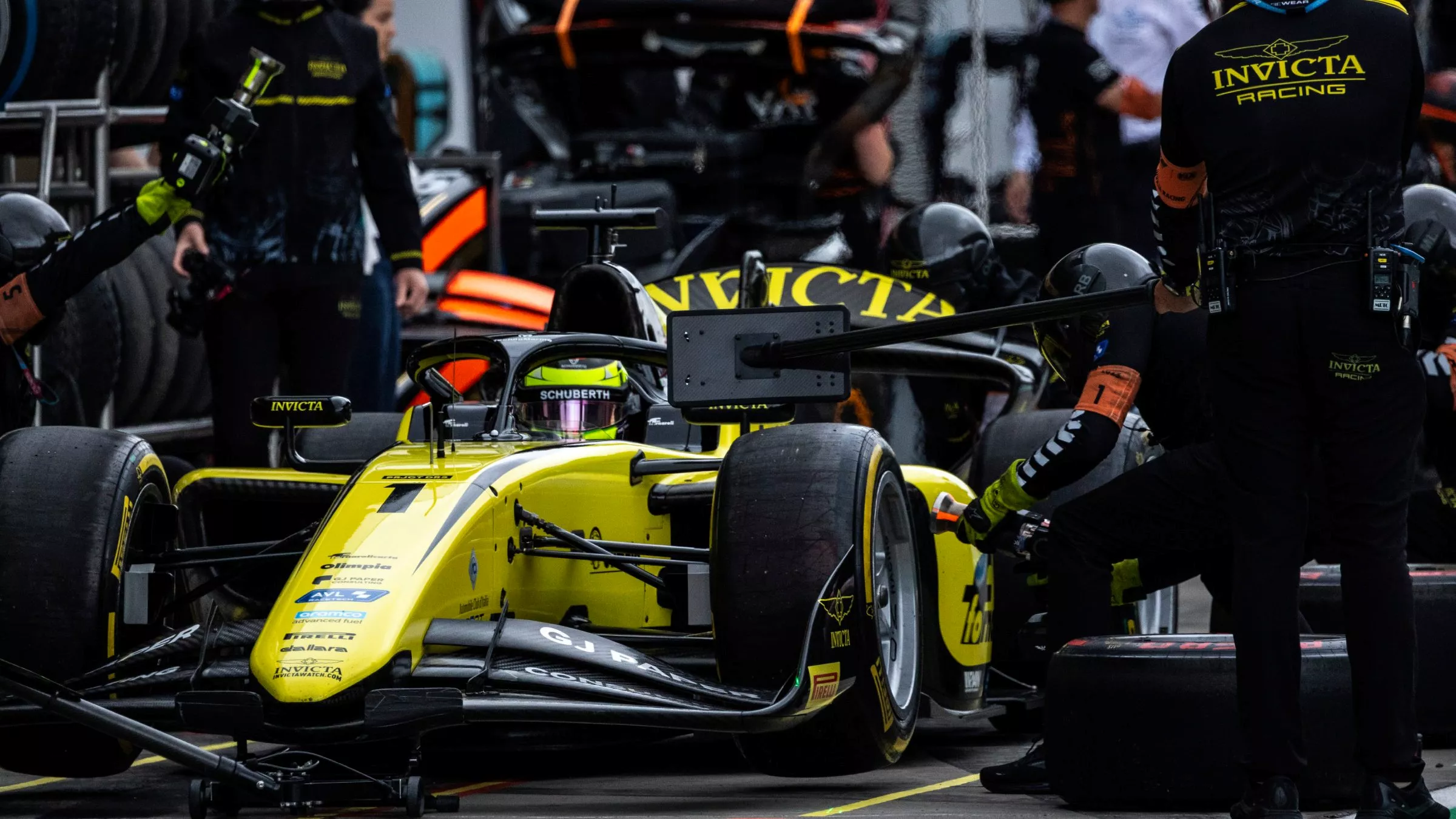
A new F2 bodykit - but no hybrid power unit
F2’s sole role isn’t to train drivers for F1; many go on to race in other series including IndyCar, Formula E and the World Endurance Championship. Yet, providing training for F1 is part of its appeal to young single-seater racing drivers.
This divergence between the championship and its feeder series will prompt tangible changes from F2, as early as 2027.
“And that's something that we've been thinking of,” says Michel.
“We are going to change and to improve the aerodynamics of the car, that's for sure.
“Actually, what we're going to do for the next year's car is an update. We don’t want to make a brand new car because I want to try to limit the cost. And every time you make a brand-new car, the problem is not only the teams have to buy the cars, but they have to constitute a stock of spare parts...
“So what we're going to do, we're going to change the aerodynamics of the car to try to give it a ‘family look’ with the F1 car.”
What F2 will not do is change its power unit to a hybrid. Michel says, “It would make absolutely no sense” to do so, for cost and complexity reasons.
“Now the big difference is of course, the power unit and we absolutely [do not have] the resources to go into that direction. There's no doubt about that. So we will continue [with ICE].
“Our strategy in terms of sustainability has always been, and we've been the first one to do it with Aramco, is to go with an FIA-compliant 100% advanced sustainable fuel blend. And we're racing at the moment with it, and we did it before Formula 1. We're going to continue in that direction.
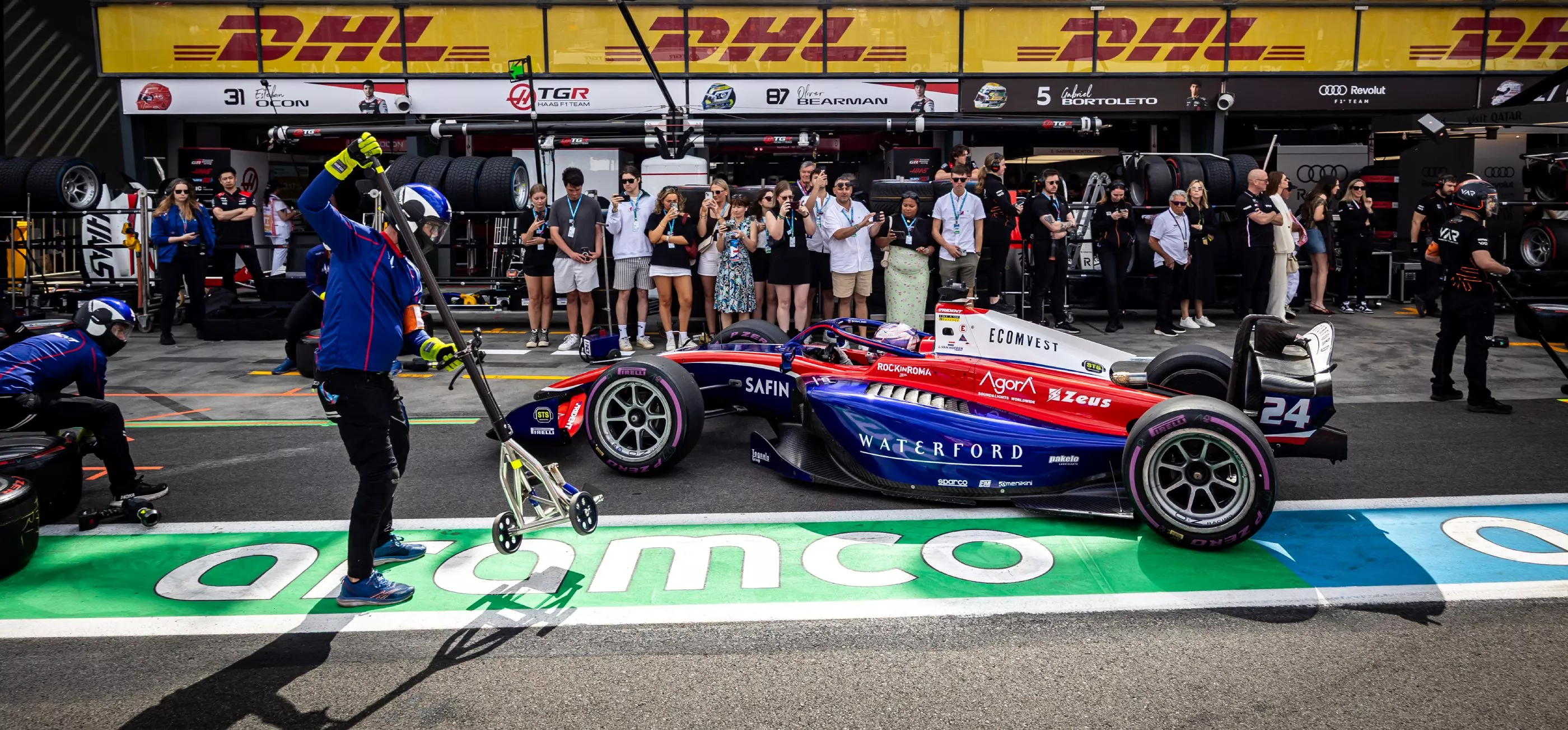
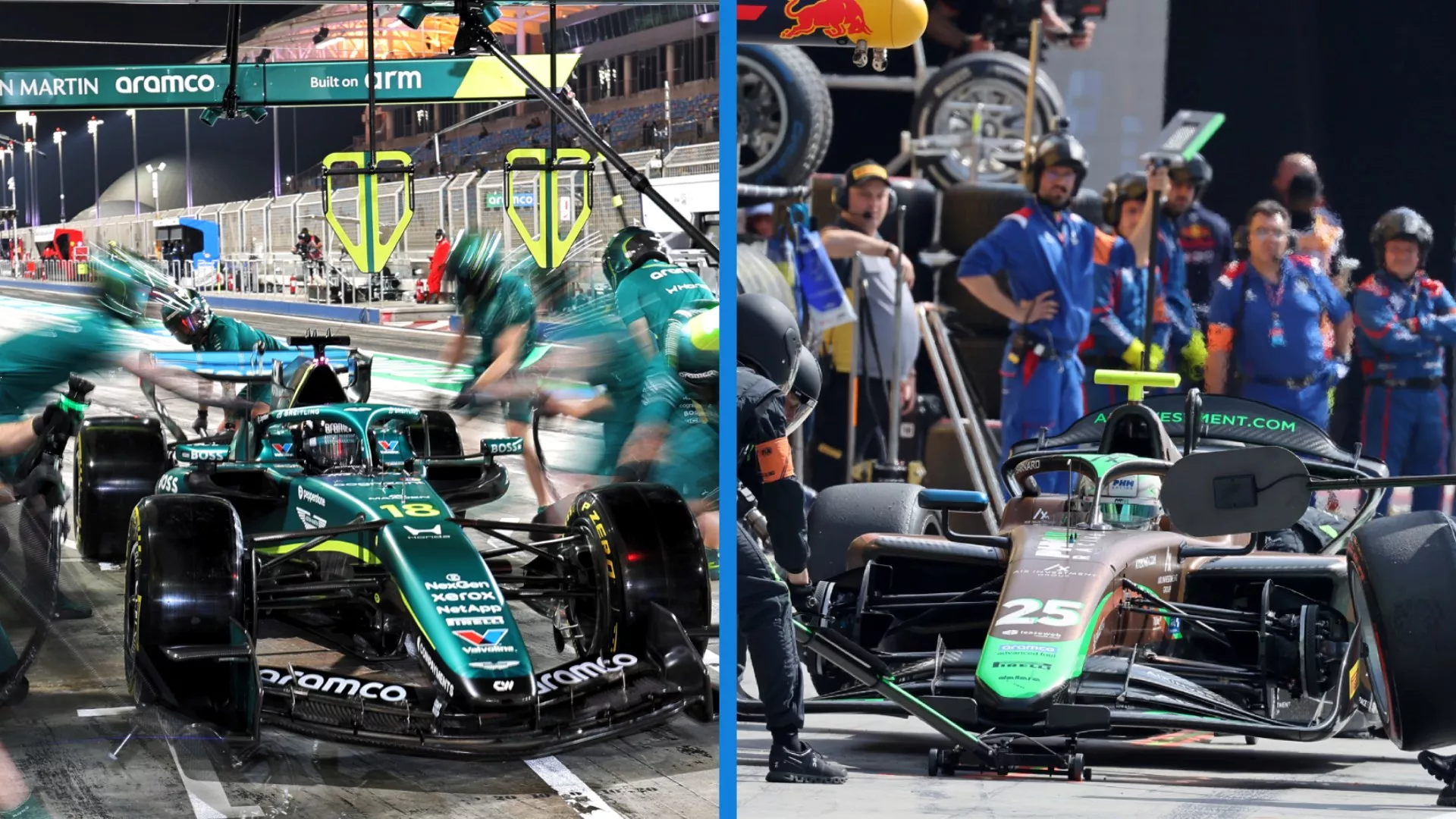
All 52 F2 and F3 cars use an FIA-compliant 100% advanced sustainable fuel blend, supplied by Aramco
Push-to-pass mode being mooted
F1 has done away with DRS from 2026 and adopted straight mode, which opens up the front and rear wings to reduce drag. F2, however, retains DRS with just the rear wing opening.
Without a hybrid power unit, there’s no chance F2 can adopt a ‘Boost’ or ‘Overtake’ mode - yet that doesn’t rule out a new overtaking mode.
“We have the possibility to continue [as is], or we can have some other systems like Formula 1 has. That's something we're discussing: some kind of push-to-pass…”
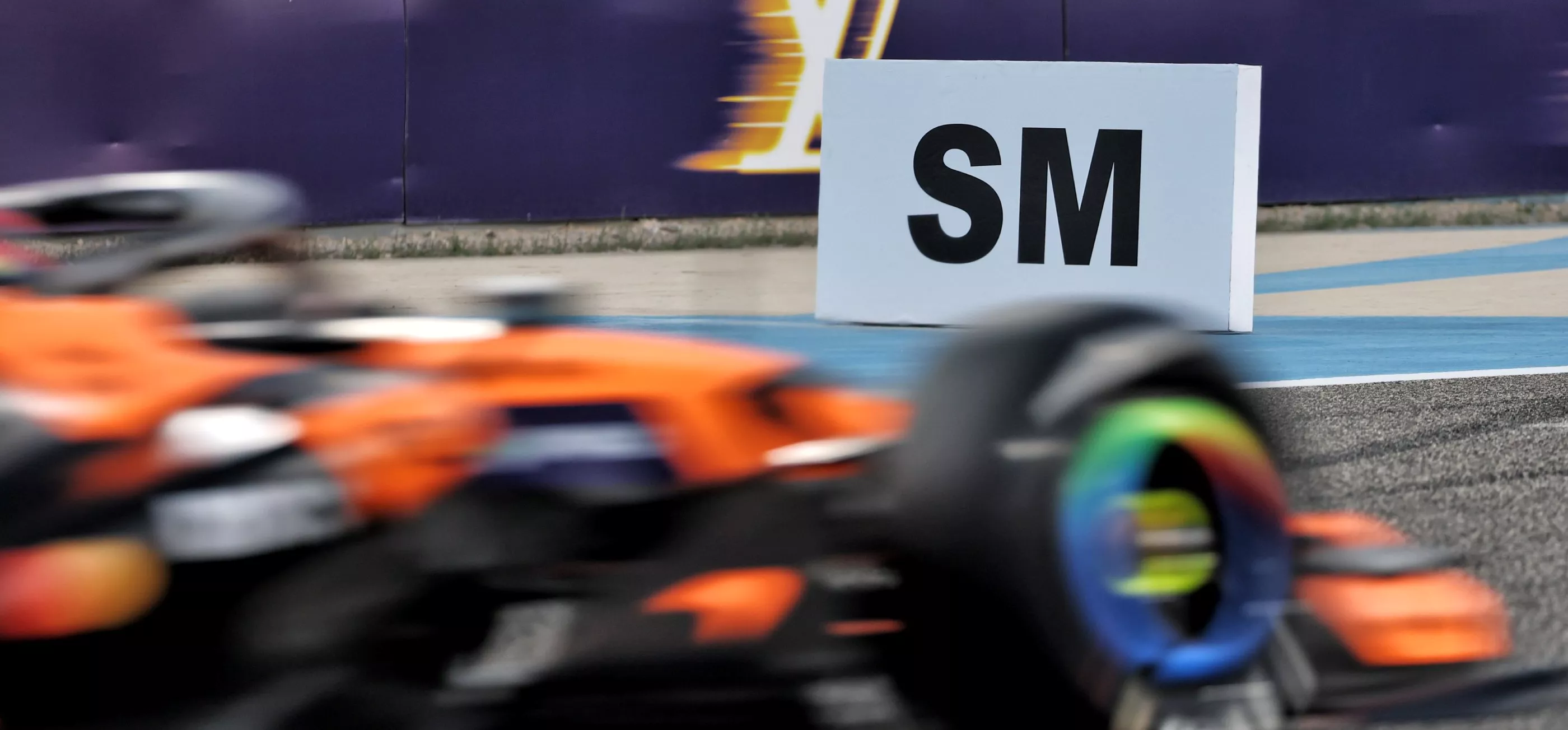
Straight Mode boards dot the track now, thanks to F1’s new drag reduction system
Such a mode would centre on increasing the power output of the engine for a few seconds to give a driver a chance to overtake or defend. However, it would mean that the existing engine would need to be detuned to make the push-to-pass mode more efficient.
F2 is asking these questions of itself, but the consequences of not adopting a new overtaking mode or hybrid engine are, as Michel says, almost intangible.
“What you also need to realise now is that most of the drivers that are coming to Formula 1 are part of Formula 1 teams' academies: they have been working on a simulator, and they've been working during the race weekends, and they understand how things are working,” he says.
“As long as they do not really have the car in their hands, of course, it's going to make a difference, but those guys are very, very strong drivers...
He concludes that it takes very little time for F2 drivers to get up to speed in an F1 car.
“Maybe it will take a little bit more time, but a little bit more time for a driver is what? It's a few laps.”