Career
Dan Fallows: What happens when you leave a Formula 1 team?
by Dan Fallows
6min read


Step into the shoes of an accomplished Formula 1 team member as they leave their team to explore new pastures. Ex-Aston Martin, Red Bull and Jaguar aerodynamicist Dan Fallows examines why F1 teams face staff turnover, and what happens when you leave an F1 team.

Sign up for a newsletter and we'll make sure you're fully up-to-date in the world of race technology
You’ve just achieved your dream job as an F1 engineer after years of study, countless applications, assessments and interviews. It’s frightening, overwhelming, and everybody around you seems to be more knowledgeable.
Over time, you start to understand the intricacies of the machine - and nothing seems further from your mind than leaving the team, or leaving F1. This can, and probably will, change.
Constant turnover
Staff leave F1 teams all the time. Teams accept that even in times of relative stability, somewhere around 8% to 12% of their staff will leave and be replaced every year.
This is seen as a positive, something natural, as some characters might not fit well into a team, while others might not be performing as expected.
Having a regular influx of new talent and an outflow of those who aren’t happy, or who seek a brighter future elsewhere, is part of life at any company. Furthermore, promises of promotions or salary increases can sway others.
Of course, teams aren’t always happy to see people leave, and the hardest time to retain staff is usually after a period of success.
At Red Bull in 2013, we were into our fourth year of winning regularly and, once the initial euphoria had died down, the problems of staff retention began to set in.

F1 team members walk into the paddock at the start of a grand prix weekend. Employee turnover is seen as a natural and necessary part of F1
/2209509563-(1)/xpb_1335402_hires-(1).webp?cx=0.5&cy=0.5)
Why do people leave F1 teams?
Not everyone will earn a big promotion or life-changing salary increase, so, for them, a championship win is more of the same. That’s not to downplay the morale boost that championship success brings to a team; it’s just understandable that some will be swayed by offers from elsewhere.
Any team looking to bolster its ranks will look to the top team’s staff. Although their knowledge of the workings of the fastest car might be less useful by the time they arrive at their new team, their understanding of the processes that got them there will be very helpful.
Headhunters often assume that the best team has the best staff, which isn’t completely true. Yet they entice them with better pay or seniority and pry them away.
More and more staff leave F1 teams in the modern era to join different industries. That’s partly down to the cost cap, which has led to a degree of wage stagnation, particularly at junior ranks, as teams choose to keep staff numbers high rather than pay staff more.
While alternative jobs in adjacent sectors such as aerospace and automotive might have been less attractive in the past, their salaries have made them a more tempting proposition.
Add to that the rigours of a 24-race season, long hours and constant commitment, and it means that F1 is not an industry that suits everyone.
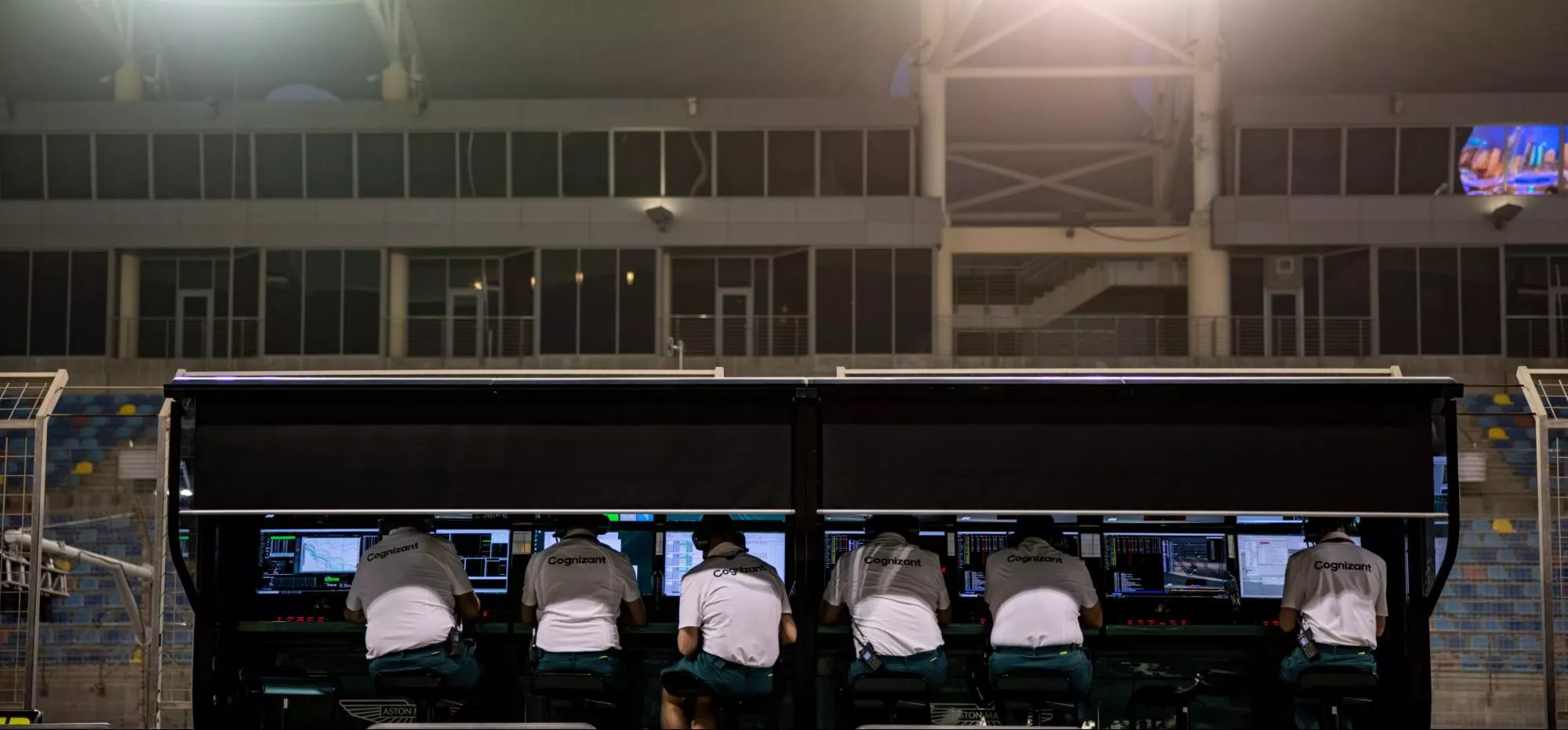
The pitwall of an F1 team where high-profile engineers view telemetry. F1 team members work long hours whether trackside or at the factory

When the time comes to leave
Imagine again that you are that F1 engineer who’s enjoyed success but starting to wonder what the next step is.
A headhunter calls out of the blue and sells you an attractive proposition at another team - perhaps a new challenge, for which they will pay you handsomely. You meet the new team and are impressed by their ambition. With no obvious prospects for advancement where you are, you decide the time has come to move.
Your contract states that you can give notice at any time, with six months before you can actually leave. At the point you have given notice and your manager has given up trying to get you to stay, the machine kicks into gear.
You might be sent home for the remainder of the day and asked to take only your personal possessions with you.
In extreme examples, I have seen staff be escorted out of the building with no opportunity to speak to anyone, but this is rare.
After cooling your heels at home for a few days, you will be invited back into the factory, but in a different office with a new computer.
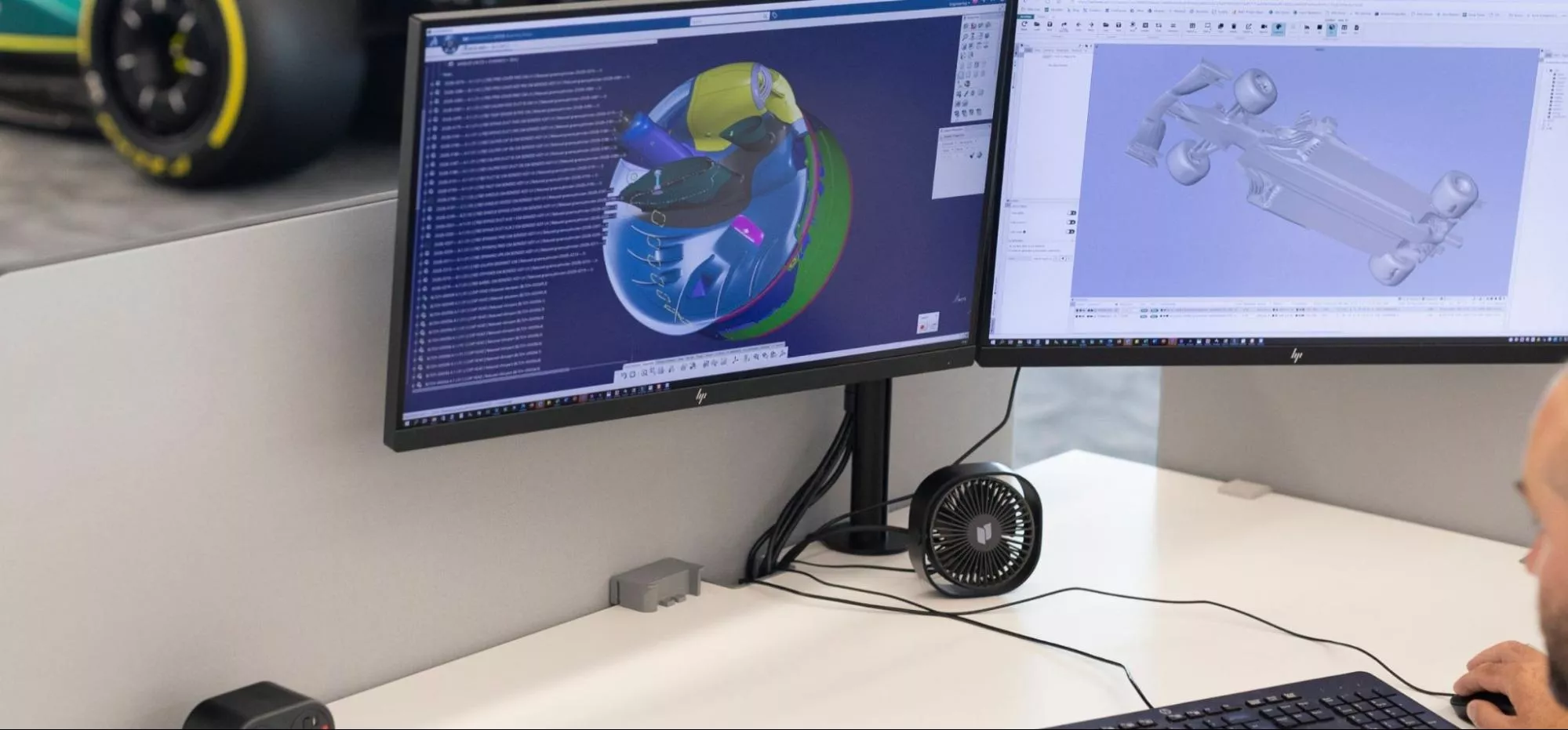
An F1 team member looks at design data on their computer screen. Once a high-profile employee gives their notice to leave, they might lose access to important data
.webp?cx=0.5&cy=0.5)
This will be a rebuilt machine with only the basic applications and, crucially, with a new email address and login. You may have been given some work to do on a new project, or maybe the role will be vaguer, but this is your new home from now until you leave the company.
I am describing a realistic scenario for engineers. The first time it happens can be shocking.
The shock, verging on trauma, of leaving your team behind can’t be underestimated.
The ‘shock’ of leaving an F1 team
Your working life so far has been about collaboration and teamwork, and you were integral to your group. You might have felt like you were indispensable before, but suddenly, no one wants to speak to you about work.
All those unanswered emails and ongoing projects are no longer your responsibility, and it seems impossible that someone won’t come and find you, begging you to help them finish off something only you can do. But they don’t.
Life in the team very much moves on without you. Yes, it might be inconvenient for them, but as with any challenge in that environment, people get together and find a solution.
So, you are left alone in your new office, occasionally speaking to your former colleagues but never about work. You might have a new group to work with, but it is only temporary, so they are not that invested in you.
This kind of experience is commonplace, and only the strongest of characters find the positives and throw themselves into it. Most people who have experienced this come away with a degree of resentment toward the team, even though this course of events was inevitable.

An F1 pitwall radio stack and monitor array. Leaving an F1 team can leave employees working alone - and perhaps feeling resentful
The aftermath
Some more enlightened teams know about the possible resentment and consider that keeping good relations with staff leaving is more important than sticking to the exact wording of a contract. There are only 11 F1 teams, after all, so there is a chance that you might be looking to attract a good person back to your team at some point in the future.
Sending them away disillusioned and aggrieved by the treatment meted out to them doesn’t seem sensible in that context.
In that case, the obvious thing to do is to either negotiate a shortening of their notice period or to send them home and not require them to work out the remainder of their notice.
The concern is that this can be seen as something of a bonus. If you have worked for 10 years at the required energy level, the thought of six months at home doing DIY or picking up golf clubs can seem extremely attractive, particularly as it is fully paid.
But does any team want their staff to be seeing their old colleague on social media sunning themselves in Sardinia, knowing they are still officially employed?
In truth, moving team or leaving F1 entirely is an enormous decision that takes a long time to come to.
Once made, that decision will most likely throw you out of your comfort zone into a world of uncertainty. Will the grass really be greener at the other team? Will you miss your former colleagues more than you thought? Is the world outside F1 really as good as you think?
As a manager, it is easy to react badly when one of your team members wants to leave, but I have come to understand the amount of courage it takes to come to that decision.