Innovation
Verstappen's obsession with details and his elite motorsport simulator: 'That kerb should be 5 cm higher'
by Shanna Lutgert
7min read
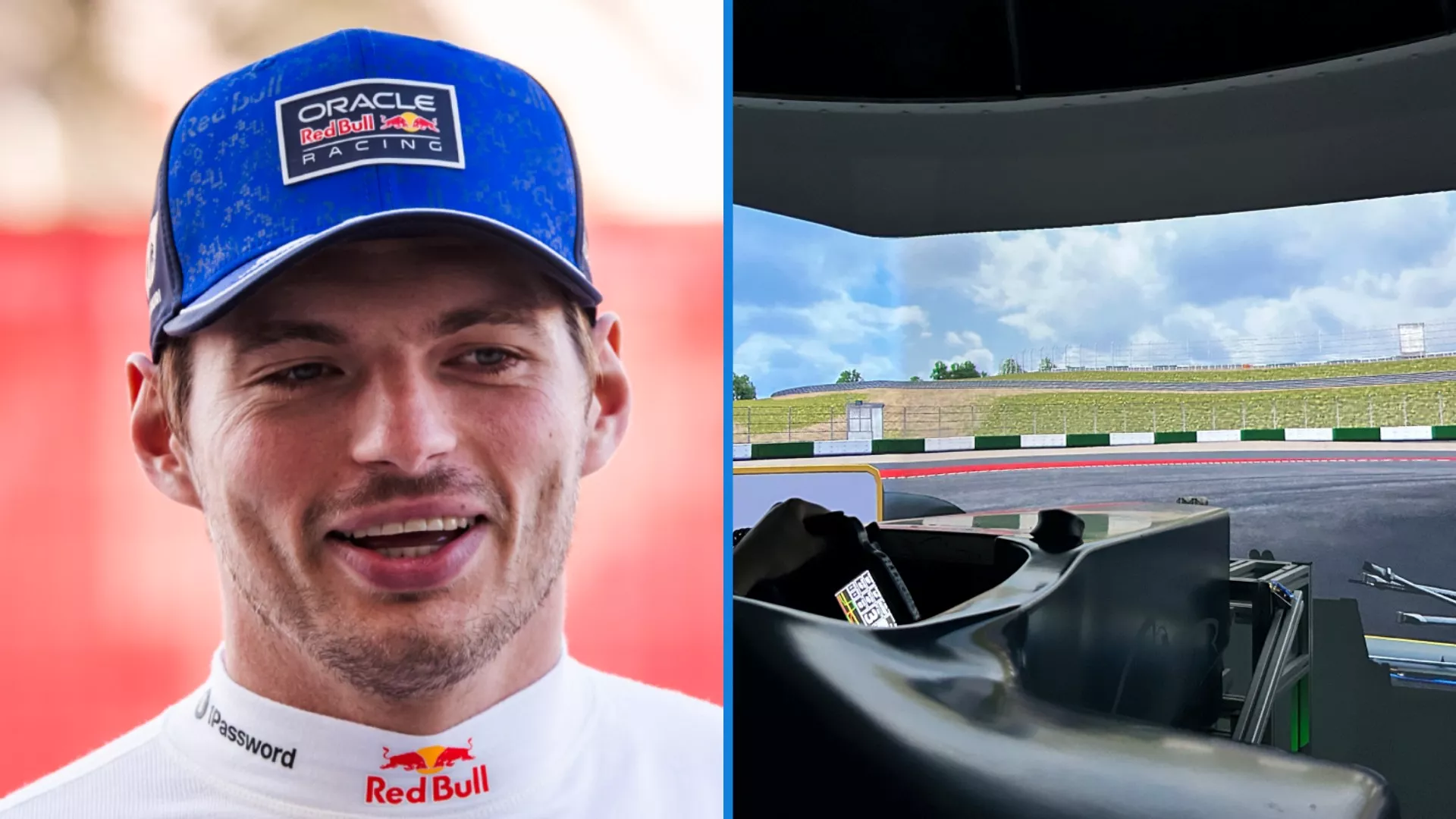
Four-time Formula 1 Champion Max Verstappen’s remarkable passion for motorsport includes a growing number of sportscar racing entries, a consistent love of esports, and even a professional simulator that is used by other high-level drivers.
Sign up for a newsletter and we'll make sure you're fully up-to-date in the world of race technology
It’s this simulator - officially called the Verstappen.com Racing Pro Simulation - in Tilburg, Netherlands, that plays a crucial role in preparing drivers on their way to the top of motorsport. Raceteq explored this facility - which includes one dedicated sportscar simulator and one dedicated single-seater simulator - to find out more.
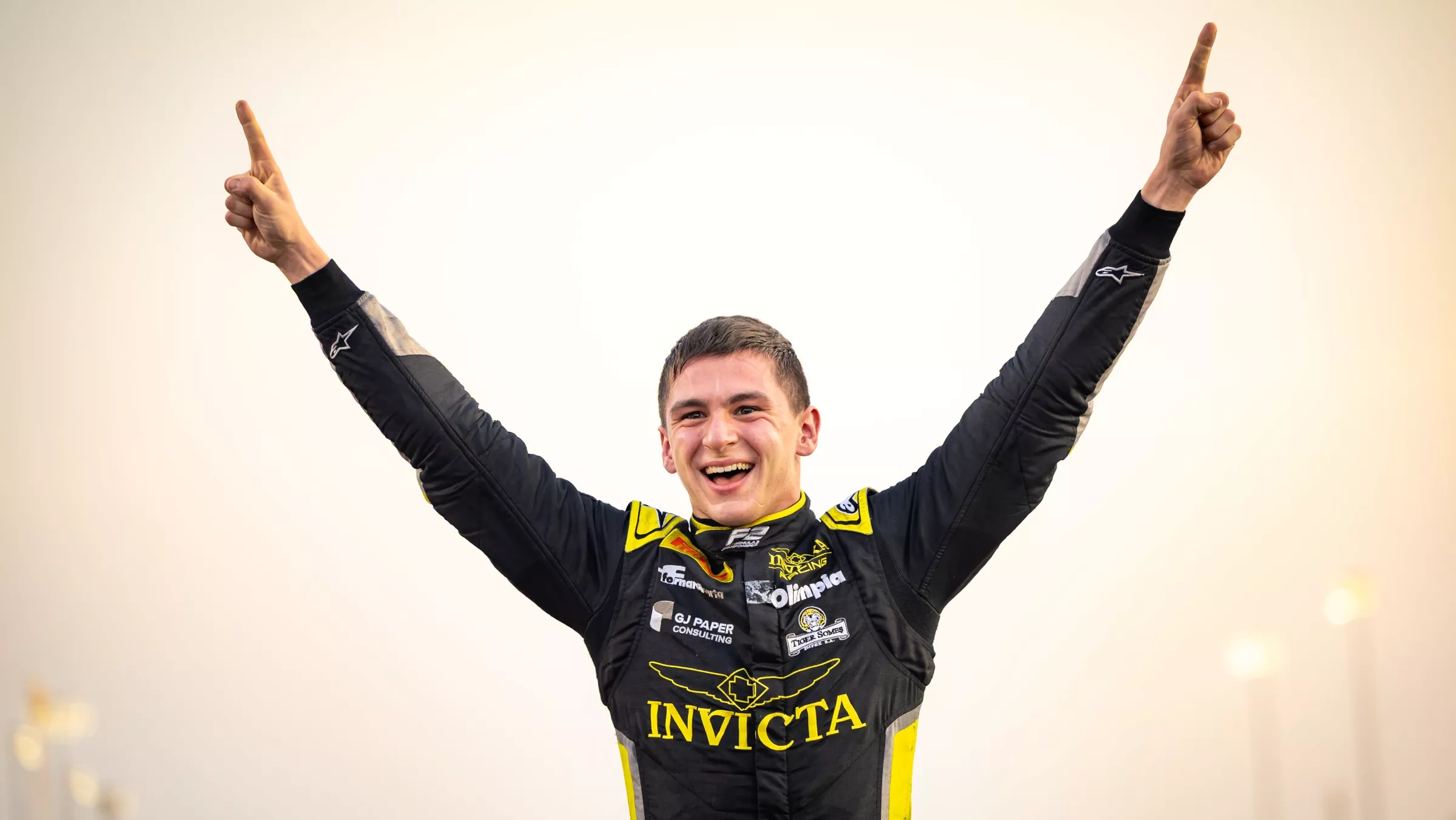
We recently learned that the 2025 Formula 2 championship-winning team Invicta Racing uses this facility, with both of its drivers travelling more frequently to Tilburg than they do to the team’s factory in the United Kingdom.
F2 champions Leonardo Fornaroli and Gabriel Bortoleto have used this simulator, as have drivers from Formula 4, Formula 3, regional formula series, and sportscars, but the customers are otherwise kept confidential.
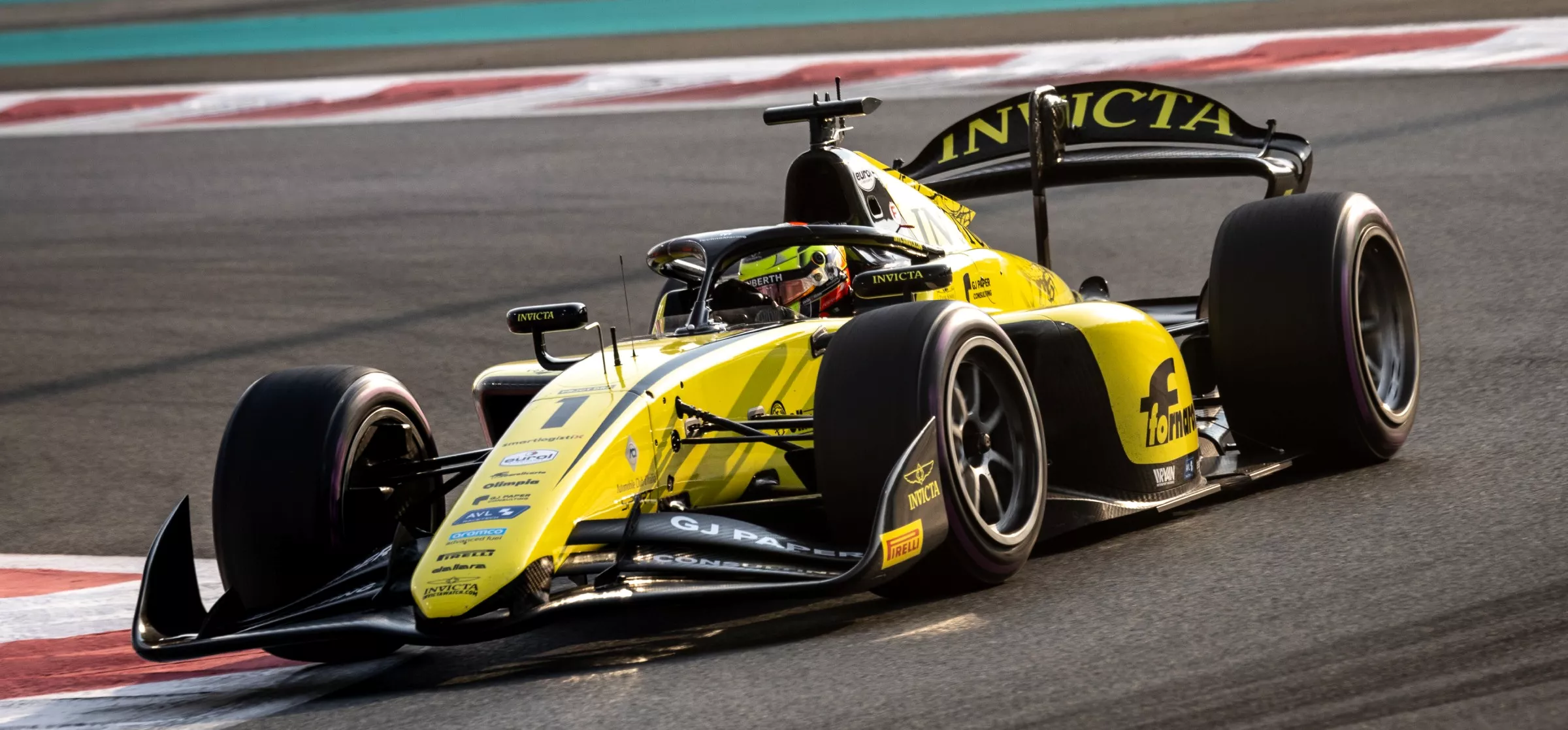
Invicta Racing is one of the clients of the Verstappen.com Pro Simulation facility
Atze Kerkhof, a former professional speed skater, motorsport engineer and sim racer, was the Sauber F1 Team’s driver performance consultant until May 2025. He then left to commit to running Verstappen’s simulator.
Kerkhof says that, despite his campaign for a fifth F1 drivers’ championship and the relentless, 24-race F1 schedule, Verstappen is involved with honing the simulator.
“That has now reached such an extremely high level that he’s tinkering with the physics [in both the sportscar and single-seater] sim,” Kerkhof states to Raceteq.
“The four-time world champion sometimes wakes up in the middle of the night with an idea, gets out of bed, and tests it on the simulator. And then it actually works!”
Of course, Verstappen doesn’t use the simulator in Tilburg to prepare for F1 races; he does that at Red Bull’s factory in Milton Keynes - but he does work on the Pro Simulator from his home in Monaco.
“He tests the models we build here at [his] home, then gives feedback. He then keeps improving them, and you see an upward trend of progress very quickly.”
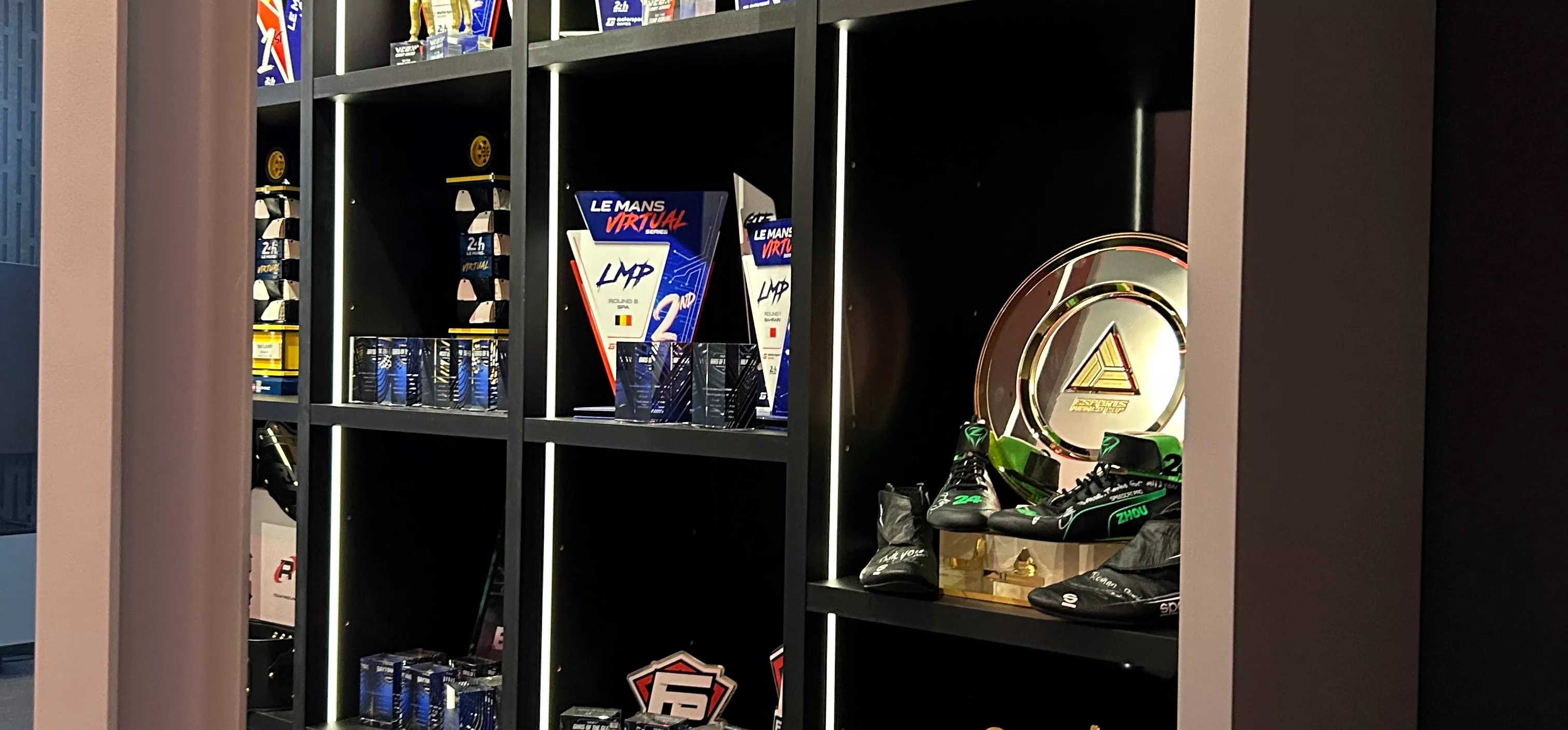
Esports trophies adorn a space inside the facility - owing to Atze Kerkhof and Max Verstappen’s shared affinity for virtual racing
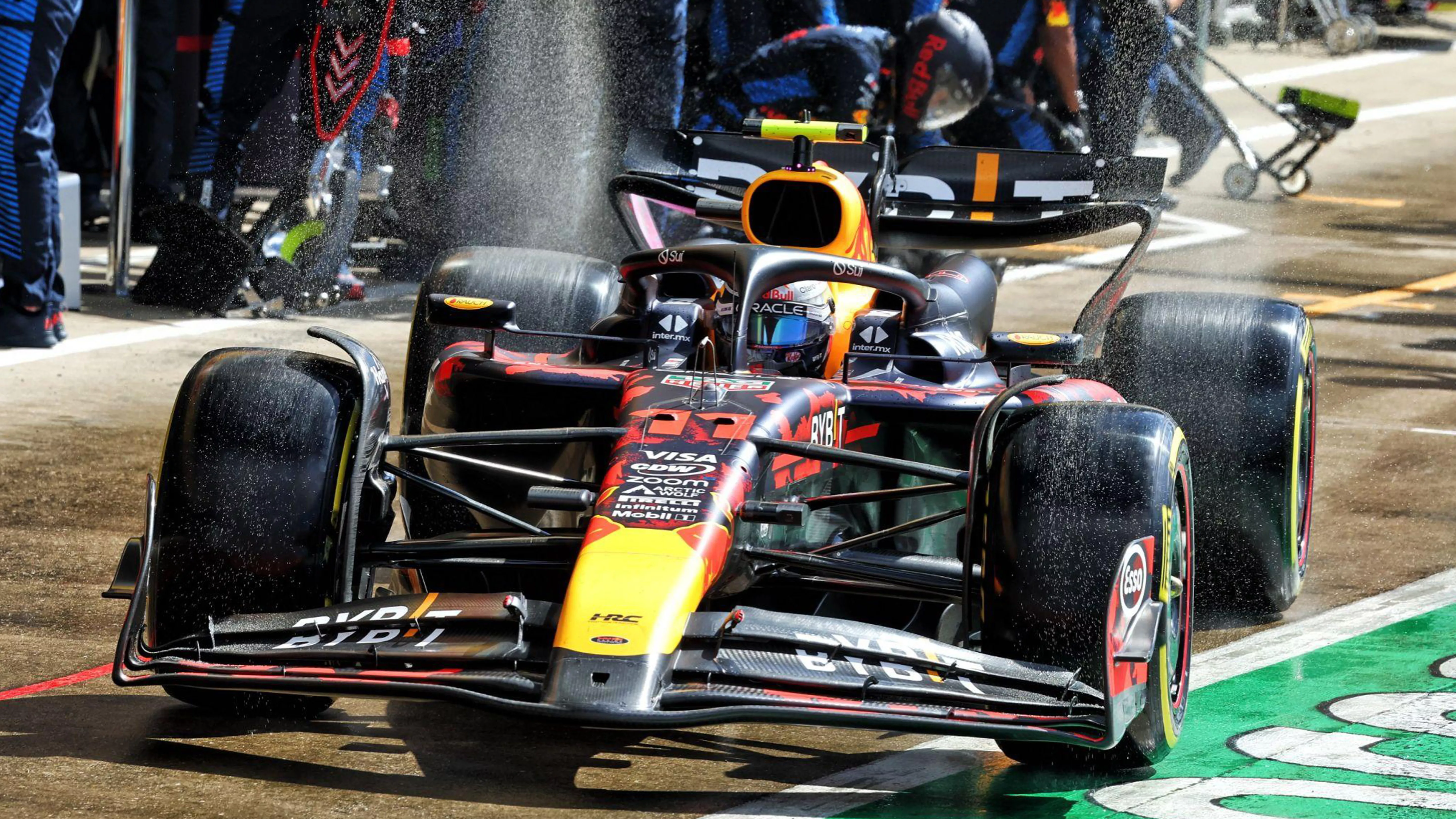
So, why do elite drivers depend on this simulator? As drivers move up the ladder from F4 to F2, they get fewer days of in-season testing due to regulations. Furthermore, on-track testing is expensive. Therefore, the bulk of their preparation has to be done in the simulator.
“We share the data with the teams, and the teams share their data with us,” says Kerkhof to Raceteq. “In our software, we can compare on-track data with data from the sim. That way, you can see the real picture through all the numbers in the matrix.”
Tyre management is the most important aspect of racing and the simulator can reproduce tyre behaviour accurately for each series. Kerkhof explains that the data gained from drivers who are training inside the simulator correlates with real-life data, so every minute that a driver spends behind the wheel - whether behind a screen or windscreen - is relevant.
The crux of coaching then lies in the analysis: “How can you visualise, for a driver, where [they are] losing time, how they are losing time, and how a certain driving style affects grip?” Kerkhof continues.
He adds that he has previously had to “make do” with third-party data analysis software.
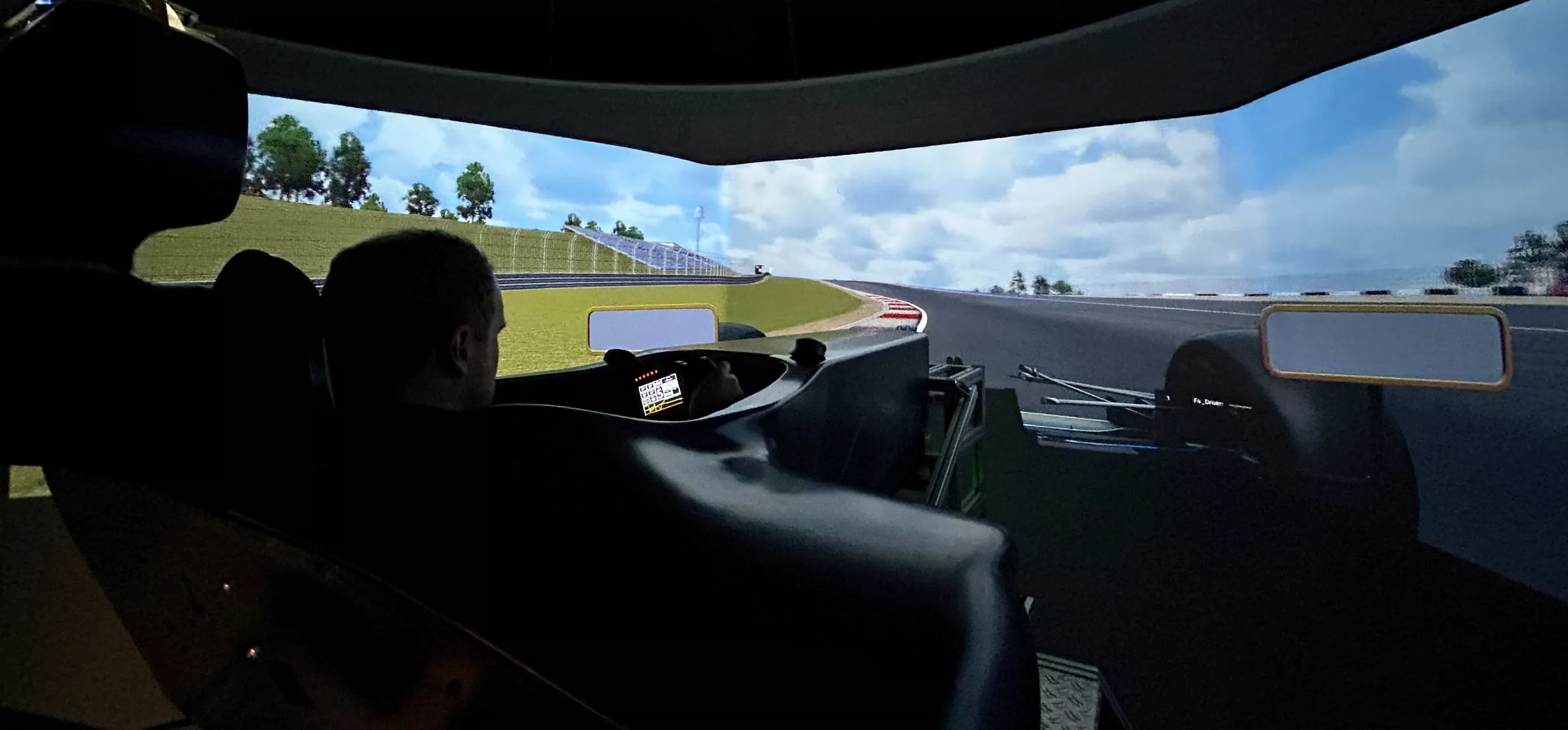
The high-tech simulator boasts up-to-date hardware and software
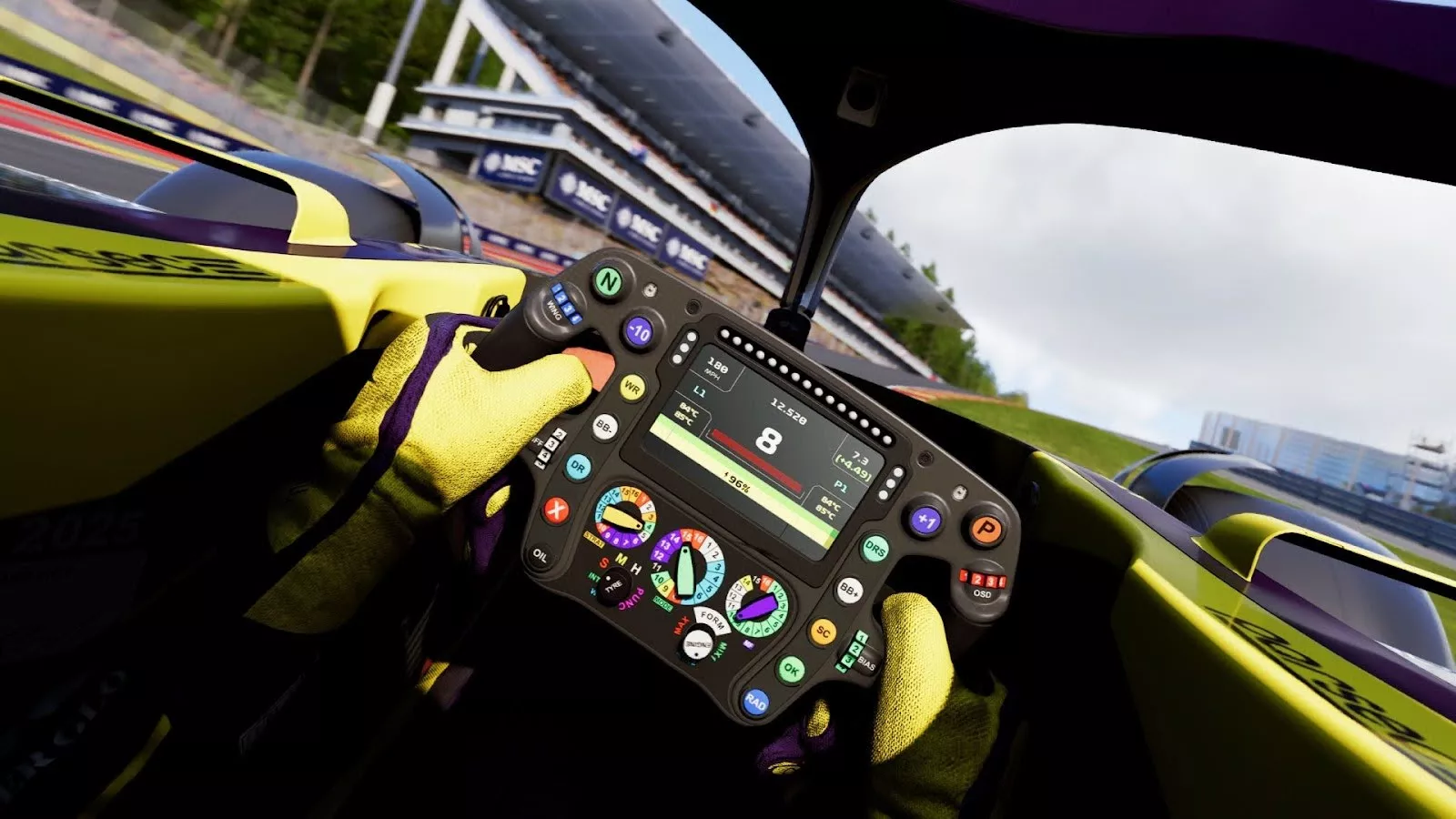
“The tools you have in the software restrict what you can analyse. That’s why we write our own tools. That means: the sky is the limit.”
“It’s about thinking outside of the box: If you can visualise what others can’t, you can teach a driver from different angles, how things really work. That’s where we’re very strong.
“We built the analysis software entirely from scratch. All [of the] data plugins and processing, I wrote entirely by myself.”
The physics of the simulator itself - which dictate how the cars behave - are also tweaked by Kerkhof and his team. Depending on the car being simulated, Kerkhof uses either Assetto Corsa or rFactor-based simulator platforms that are also used as the basis of simulators by some F1 teams.
“We do constantly update the physics, because the teams have models that we manage together, and we keep learning new things.”
Force feedback adds authenticity to the experience. A motor in the steering wheel translates digital physics data, such as grip, into physical resistance and vibrations in the steering wheel. This reproduces torque, expressed in Nm (Newton metres), that drivers also experience on track.
“If the physics are correct, you also feel that correctly in the steering wheel. On a circuit like Jeddah, which is demanding in the high-speed corners, you can quickly reach around 30 Nm of force in Formula 2.
“That can simply be replicated, and is [affected by] the setup of the car.”
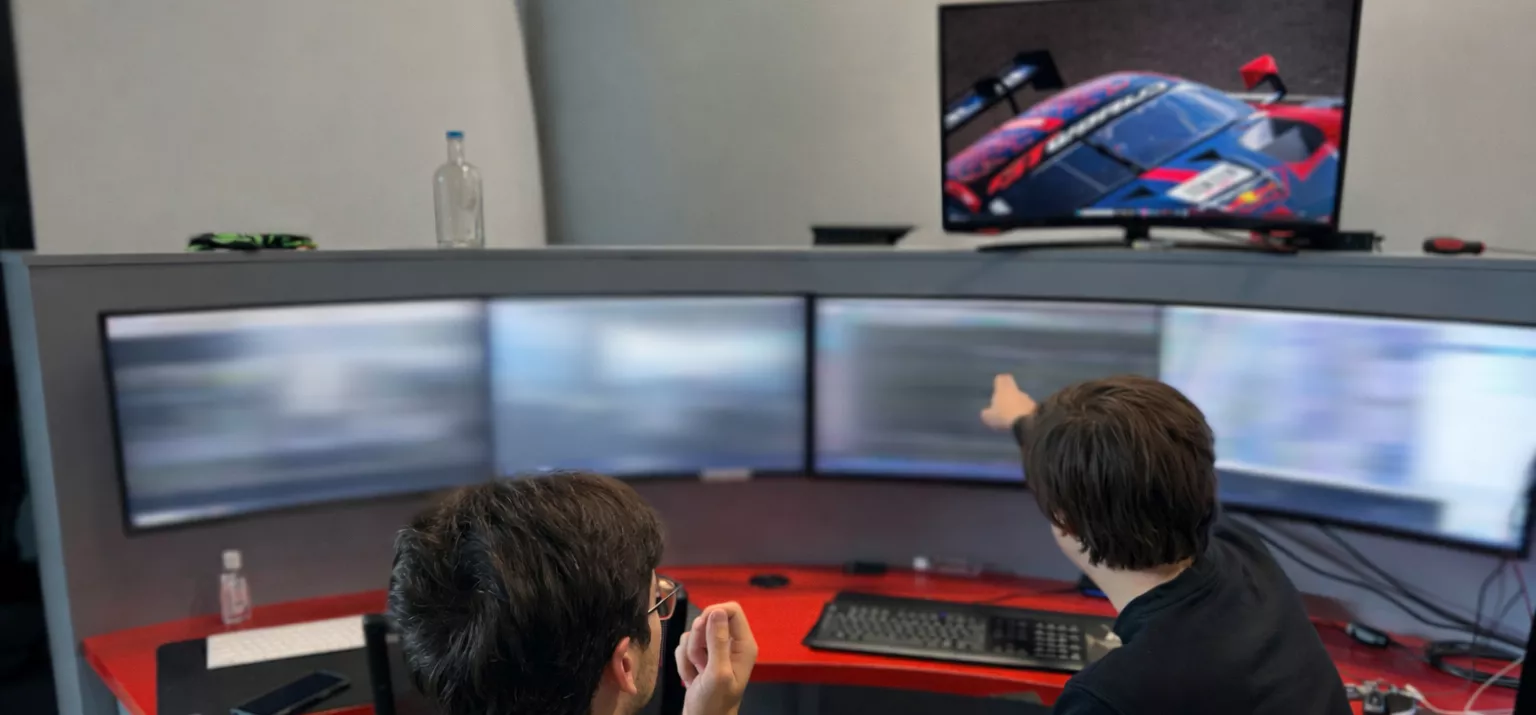
Data is meticulously analysed by simulator staff (screens are blurred for confidentiality) using third-party software and internally-coded software
The drivers can, of course, tweak the force feedback to their liking. Once the settings are dialled in, drivers can practise and make steps in both qualifying and race performance.
To accurately replicate circuit models, LIDAR - light detection and ranging - is used. Lasers are used to create a bespoke 3D map of a circuit or, for example, a kerb or a gradient change.
“We do this at the highest possible level, but with some tracks it’s very difficult,” Kerkhof explains. All tracks are custom-modelled in detail, and it's an iterative, ongoing process.
Verstappen is also involved in how the circuits are modelled for his simulator - down to tiny details.
“Max can give feedback on a track model for hours. We already have recently modified tracks in the sim at an extremely high level. During the race weekend, it matches almost perfectly right away.
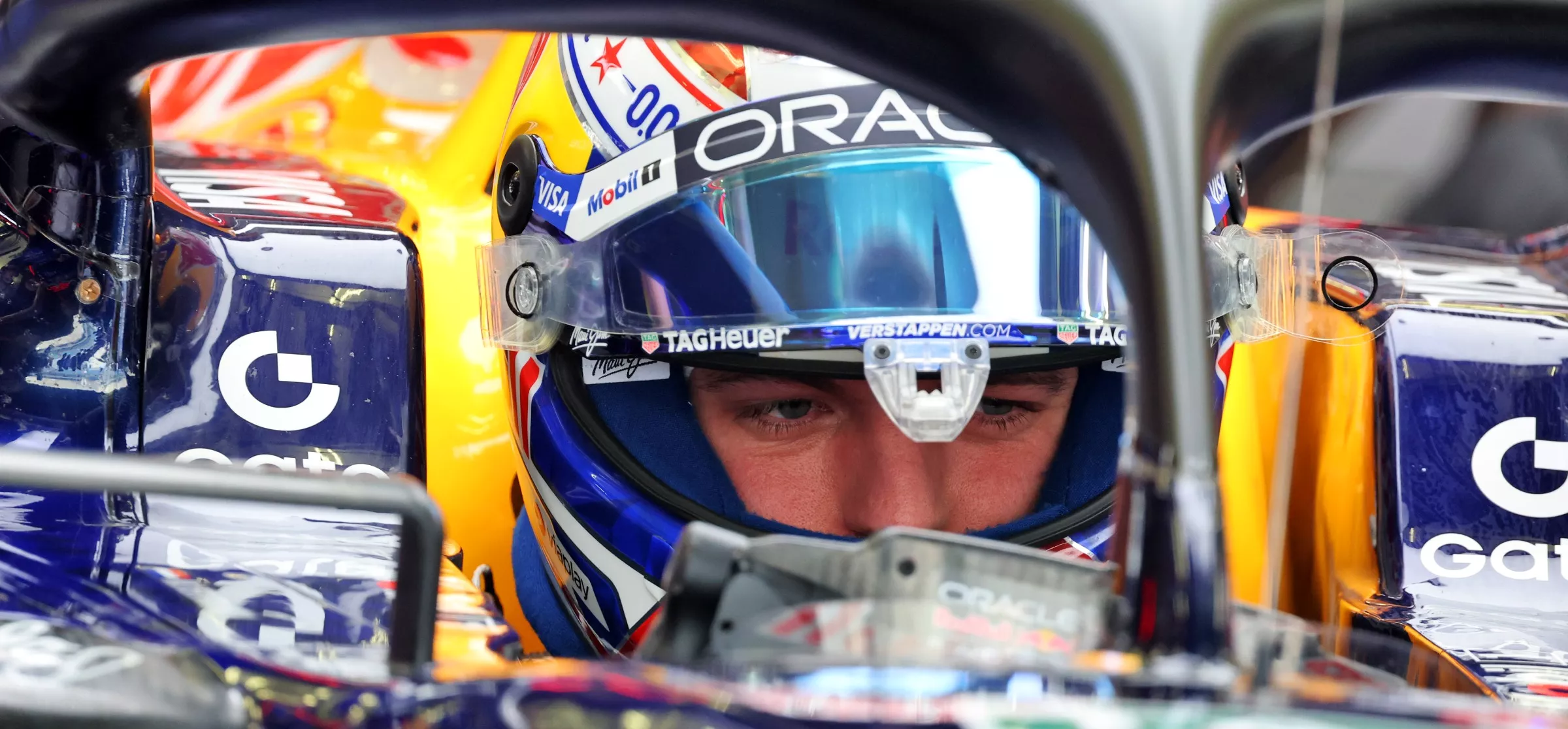
Max Verstappen doesn’t use his own simulator to train for F1 races, but he does pay close attention to the details of his own sim
“He might say, for instance, 'That kerb should be five centimetres higher or lower'. Then we have very good developers who can replicate that,” says Kerkhof.
The newest circuit on the calendar, the Madring, doesn’t exist (as of early 2026) and therefore has no authentic model. Kerkhof expects it will involve several months of discussion before the Madring is available on the sim.
“You need a baseline, of course, and right now we have nothing at all. You have to anticipate heavily, get information and photos, and from that create the best possible model.”
It reminds him of 2021, when the Jeddah Corniche Circuit, in Saudi Arabia, was introduced to the F1 calendar.
“We worked so intensively on the details, when Max went onto the circuit, it immediately felt right.”
This attention to detail is part of what makes Verstappen such a formidable driver - and it’s this precision that also helps other drivers rise through the motorsport ranks using his simulator.