Career
10 Questions With… Mario Isola
by Raceteq
4min read
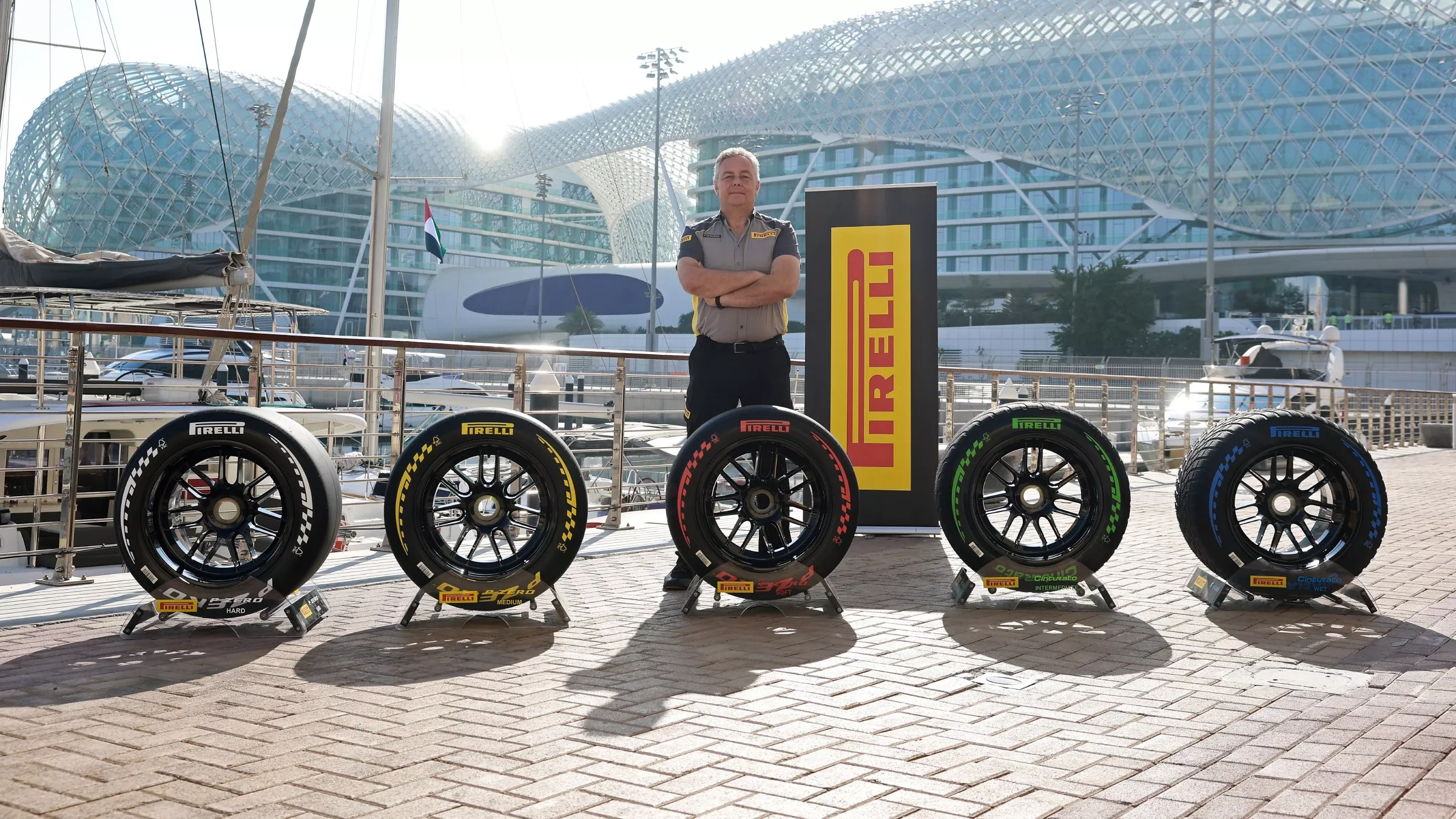
Mario Isola takes on Raceteq’s 10 Questions With... The Italian is synonymous with Pirelli, Formula 1’s official tyre supplier - but his story treads plenty more ground than tyres.
Sign up for a newsletter and we'll make sure you're fully up-to-date in the world of race technology
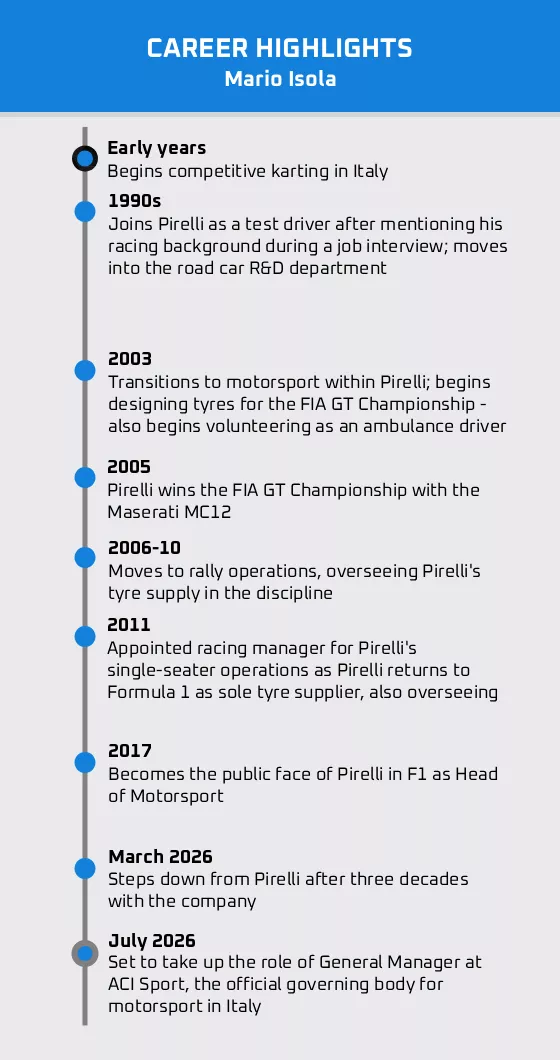
Isola originally joined Pirelli in 1996 as a test driver before helping to develop the Italian manufacturer’s tyres for sportscar racing and rallying. In 2011, he took up a senior role in Pirelli’s F1 division and would eventually oversee the F1 tyre programme (in 2017).
In March 2026, it was announced that Isola would depart his role as Pirelli’s Head of Motorsport to become the head of Italy’s motorsport federation, ACI Sport.
The Milan-born engineer is also famous for having spent more than three decades volunteering as a paramedic.
Raceteq’s 10 Questions With… series welcomes Isola, who reflects on his career with Pirelli and motorsport as a whole.
What is your greatest career success?
It's not easy to reply to this question after 30 years, and 25 in motorsport, but I remember the first part of my career in motorsport when we were in competition with other tyre manufacturers. Pirelli developed the tyres specifically for the Maserati MC12 that took a one-two finish in the 2005 Spa 24 Hours.
Of course, another big highlight is these 15 years in F1. Pirelli has been here for more than 300 races - I made that calculation a few months ago! It’s impossible to pick a specific highlight, but it’s been a great experience.
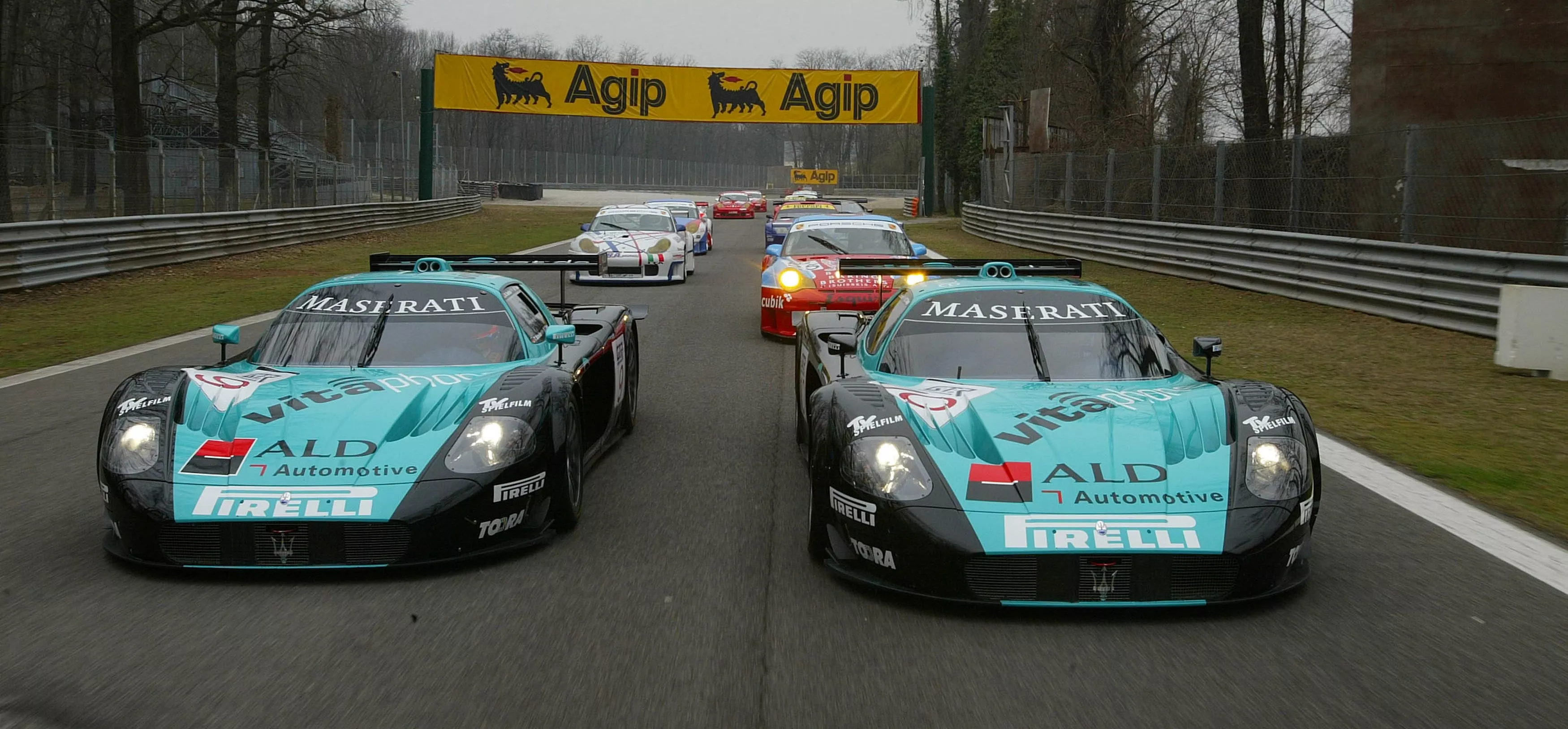
Maserati dominated the 2005 Spa 24 Hours with its Pirelli-shod MC12 racing cars
What advice would you give to someone who wants to do your job?
It’s not easy, because the world has changed so much over the last 30 years. It’s super important now to decide the direction you want to take and prepare as well as possible - and then appreciate that you can’t achieve everything immediately. I started in lower motorsport series, learned from GT racing and single-seaters, and used that in F1. It’s crucial to have a good foundation.
What is the day-to-day of your job at Pirelli?
It depends on whether I'm at the track or in the office! Obviously, we focus on the operations at the track, from fitting to technical assistance to drivers, to media activation and guest relationships, and relationships with team principals, the F1, and the FIA.
When I am in the office, I run a business unit bringing together all the departments from commercial to R&D. So, it's quite a different type of job, depending on where I am.
What’s one example of a time when you made a mistake and bounced back?
So many mistakes… I believe picking one is difficult, but what’s important is accepting it and working quickly to find a solution. It’s actually easy for people to forget the mistakes you’ve made - as long as you recognise it and solve it. There have been so many unexpected situations I’ve faced, not only in F1 but in other championships.
What’s your favourite motorsport innovation?
Safety innovations are really important. I was a motorsport fan in the 1980s and my first idol was Gilles Villeneuve. At that time, some accidents were fatal - and no one wants to see a driver dying or getting hurt. So, for me, it’s the safety - all the systems that protect the drivers. Some are visible, like the halo, and some are invisible. Some drivers don’t like the extra weight on the car, but I think it’s really important, and something that transfers to road cars too.
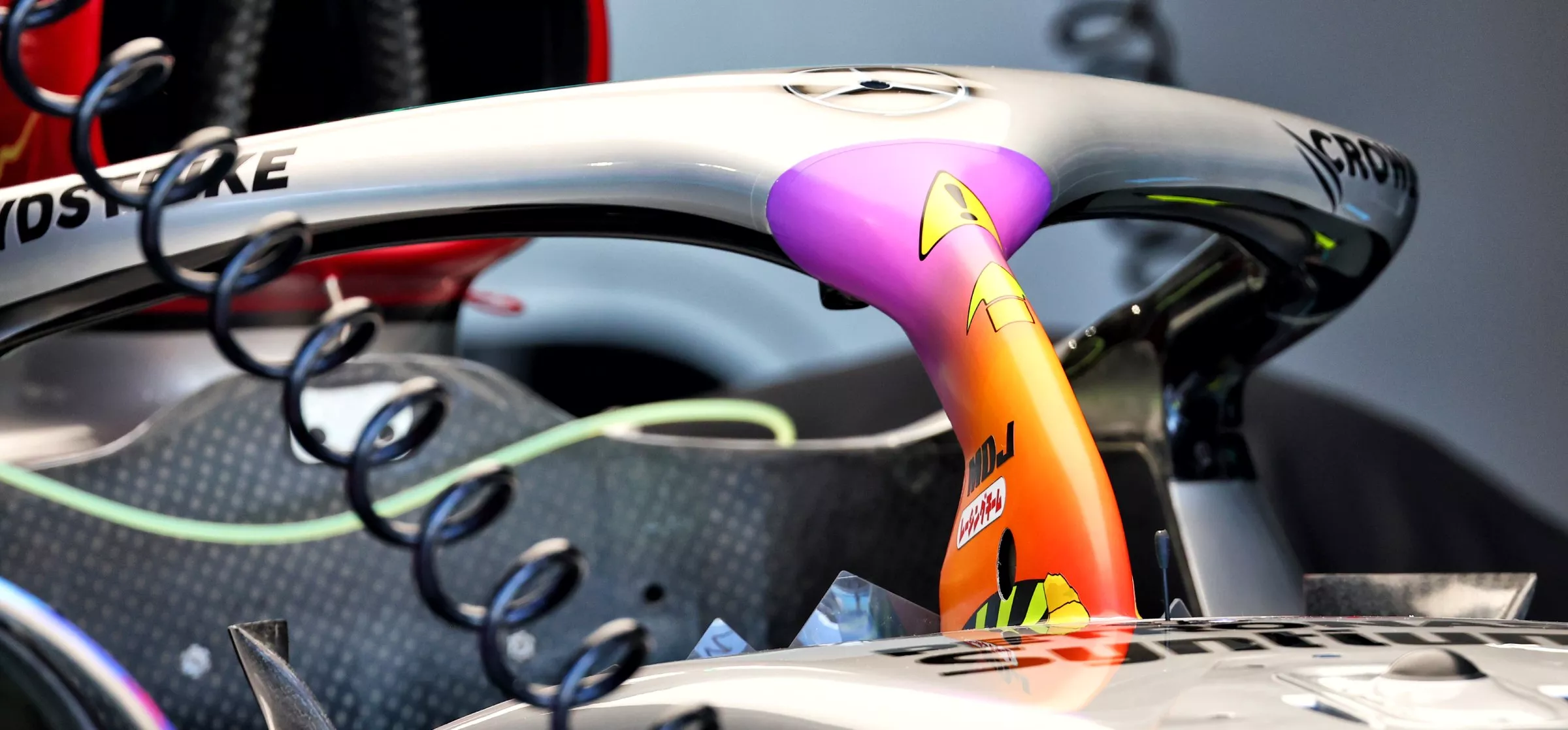
Mario Isola picks the halo as one of his favourite motorsport innovations
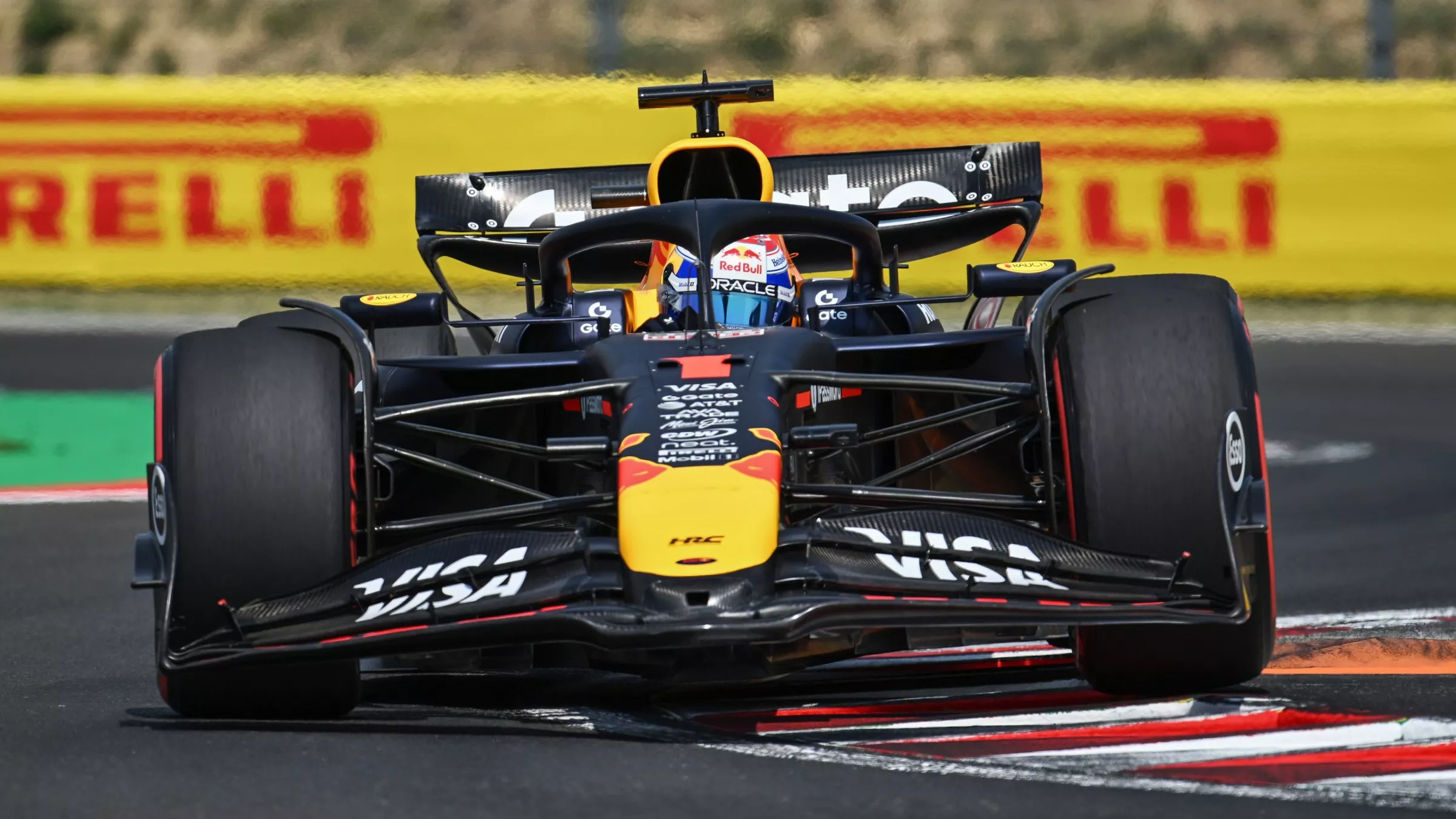
What’s your favourite motorsport vehicle?
When I was very young, I loved the Lamborghini Countach - although that wasn’t a racing car. At that time, it looked like the future. Also, the Ferraris of the time, like the 308 GTB, the 512…
If we talk about proper racing cars, I love the Formula 1 cars from the 1980s, which is when I started to become really passionate about motorsport. I used to kart when I was young, and I’ve had some experience driving autocross cars. They were unbelievable: light, powerful, and always going sideways.
Who is one motorsport personality that you would love to have dinner with, and why?
That’s not easy! But there is one personality that I met in the past. That was Niki Lauda and, for me, he was a real hero. And I was lucky enough to meet him when he was alive. He was really outstanding. Whenever I had the opportunity to speak with him, sit down with him, and have a chat, it was always fascinating.
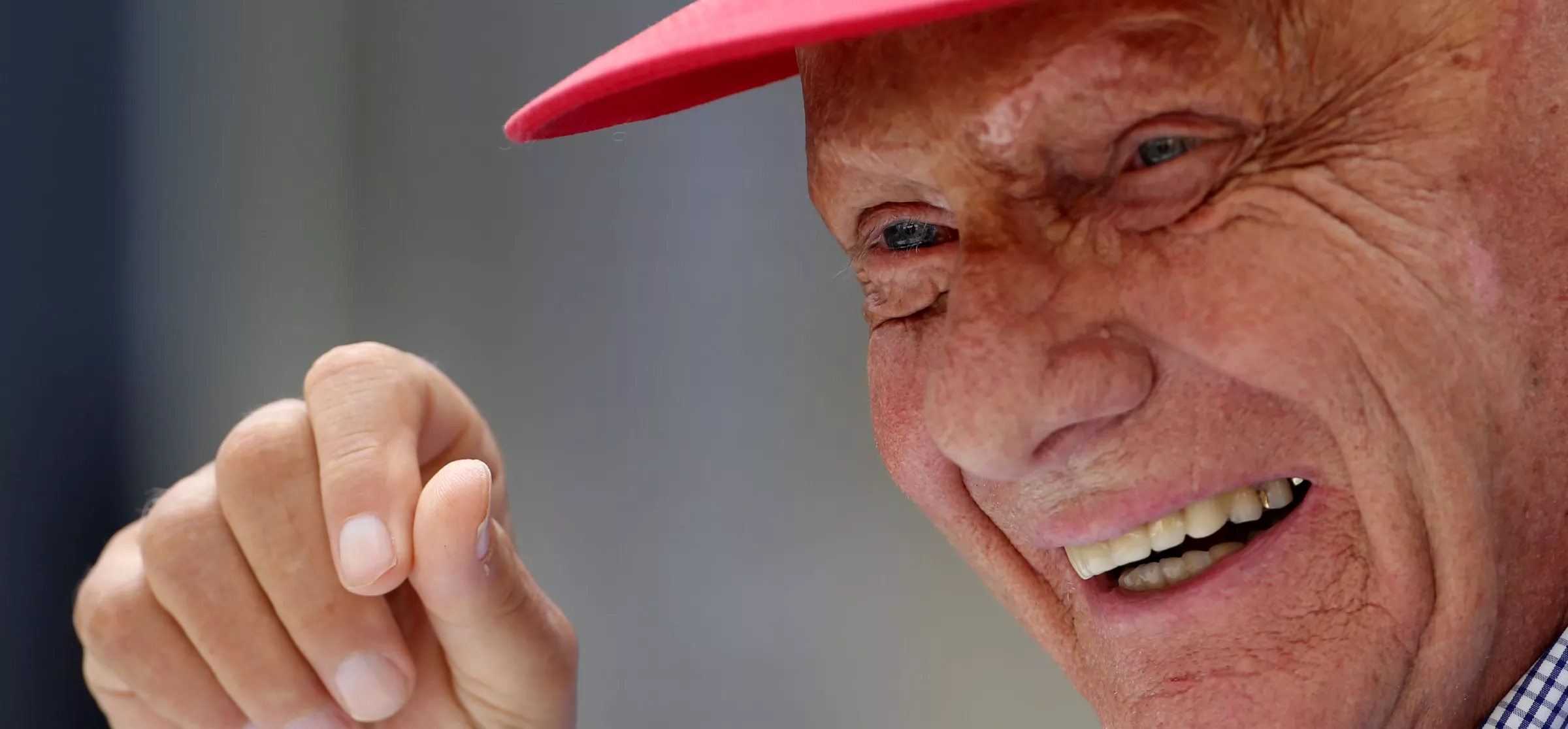
Niki Lauda won three F1 championships and later became non-executive chairman and co-owner of Mercedes F1 Team
If you wanted every motorsport fan to understand one facet of motorsport, what would it be?
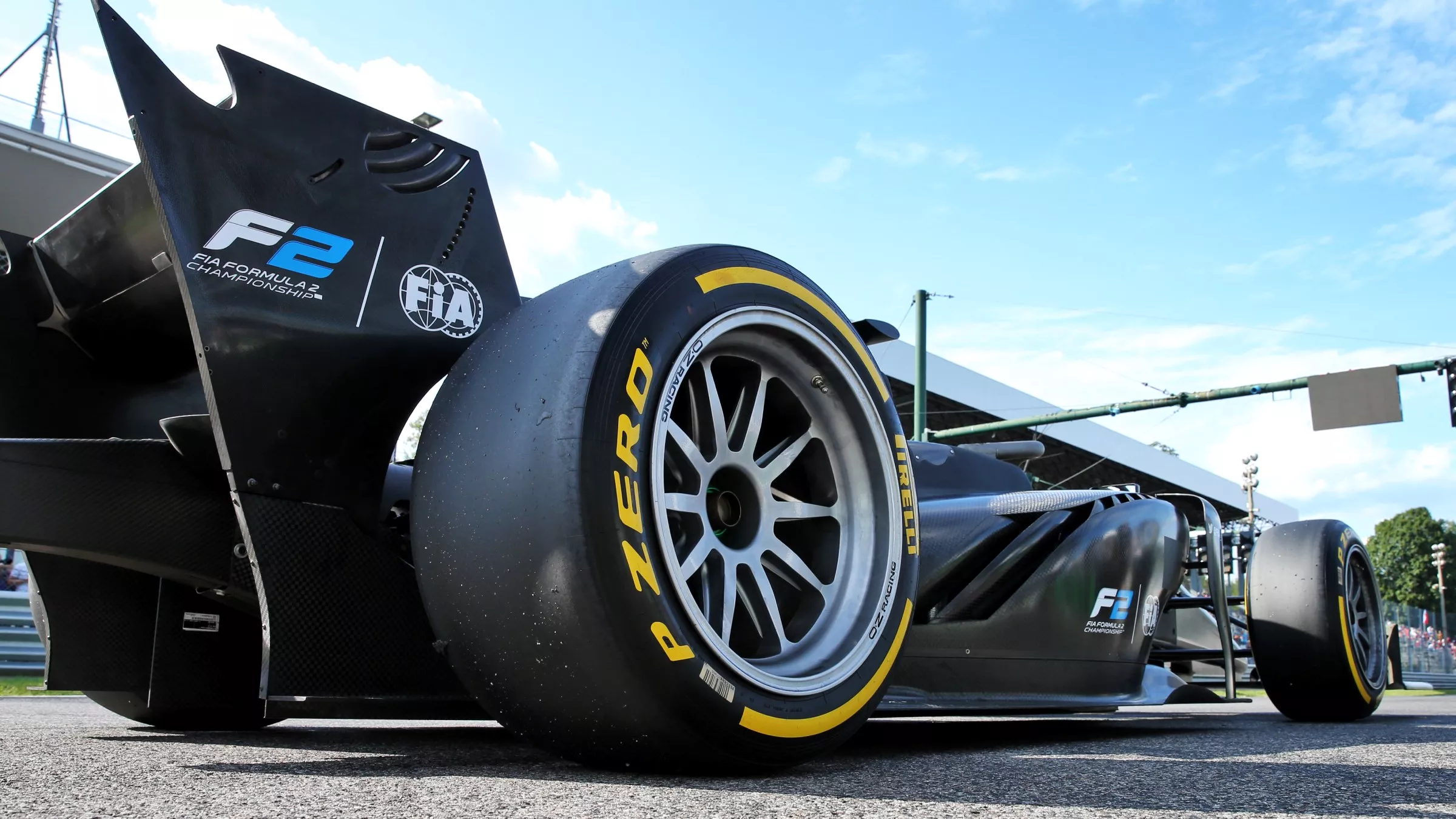
I believe that it's super important to explain what is the role of the tyre. Sometimes it's difficult to explain, and sometimes there are some criticisms that the tyre shouldn't play such an important role in F1, because there are fans who are convinced that only the driver should make the difference. But we’re not here to create a product that’s putting the drivers in the background and the tyres in the foreground. Tyres are a tool to make the show better, improve action on track, and sometimes, that’s difficult to explain.
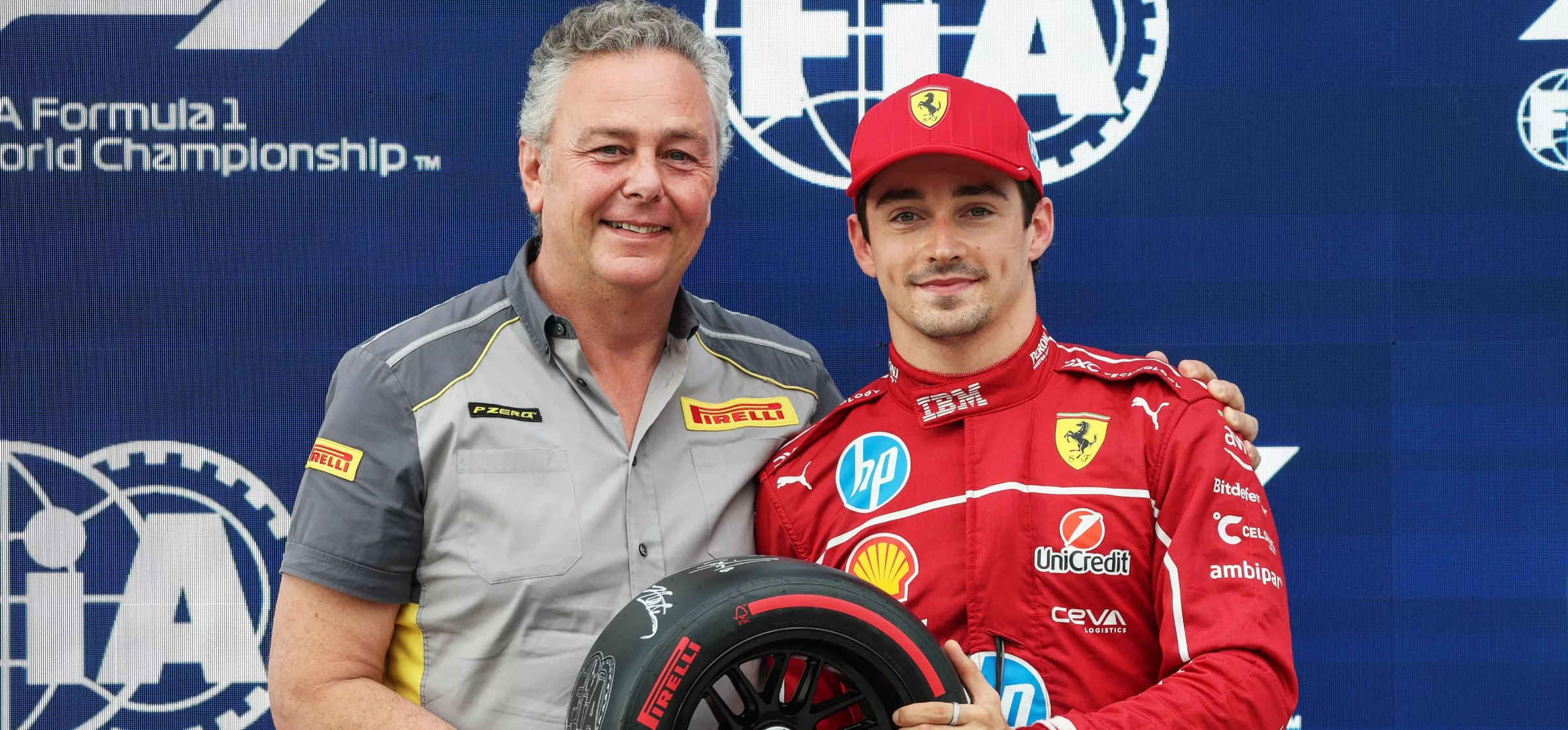
Mario Isola presenting Ferrari driver Charles Leclerc with the pole position award at the 2025 Hungarian Grand Prix
What’s one racing circuit you’d urge every motorsport fan to visit (at least) once in their life?
I believe that, at least once in your life, you should be in Monza during the Italian Grand Prix, because the Tifosi there are incredible, and it is something that you should experience yourself. I used to go as a spectator to Monza when I was younger, and being in the crowd and trying to find a small spot to see the cars: incredible. What you see at the end of the race, with the track invasion and all the Tifosi around the circuit, is incredible as well. It's something you should experience.
What’s one big change you’re proud of having made to the F1 regulations?
When we started with Formula 1, if you remember, we had two compounds at each event. It was either the prime-option or option-prime strategy. And I remember that when we started at that time, Charlie Whiting was race director and in charge of sporting and technical matters, and we began talking to sporting directors, ‘we should do something different’. We had this idea to move from two to three compounds in order to have more variability in strategies. And I believe that that decision is working now. It's been many years that we have had the three-compound option. And I believe it was a good idea.
.webp?cx=0.5&cy=0.5)