Career
Meet the designers making the world’s greatest racetracks
by Samarth Kanal
8min read
.webp?cx=0.5&cy=0.5)
Picture a racetrack venue teeming with fans as cars, karts, or motorcycles scream around its myriad corners. Yet for every racetrack, it takes years to turn the initial sketches into successful realities.
Sign up for a newsletter and we'll make sure you're fully up-to-date in the world of race technology
Chances are, you have watched a motor race hosted at a circuit designed by Hermann Tilke or Apex Circuit Design. The former has designed many of F1’s modern mainstays, including the Red Bull Ring, Yas Marina Circuit, and the Circuit of the Americas (COTA). The latter has worked on Miami International Autodrome (main image), Kyalami, Dubai Autodrome, and many more.
Raceteq spoke to these illustrious circuit designers to find out how a racetrack is created, from initial concept through to finished venue.
Picking a location
“It sounds cheesy, but we always say that the circuit almost designs itself according to the features of the land. If you think about a paddock area and a start-finish straight, they need to be relatively flat in order to accommodate the building pads [foundations] and the pitlane, and to make sure cars don’t roll off the starting grid,” explains Daffyd Broom, Apex managing director.
Designers also have to plan for bespoke features such as museums, apartments, and other landmarks.
COTA, near Austin, Texas, was a difficult project as it was built on shifting clay soil - akin to swampland - that leads to recurring bumps and faults on the track surface.
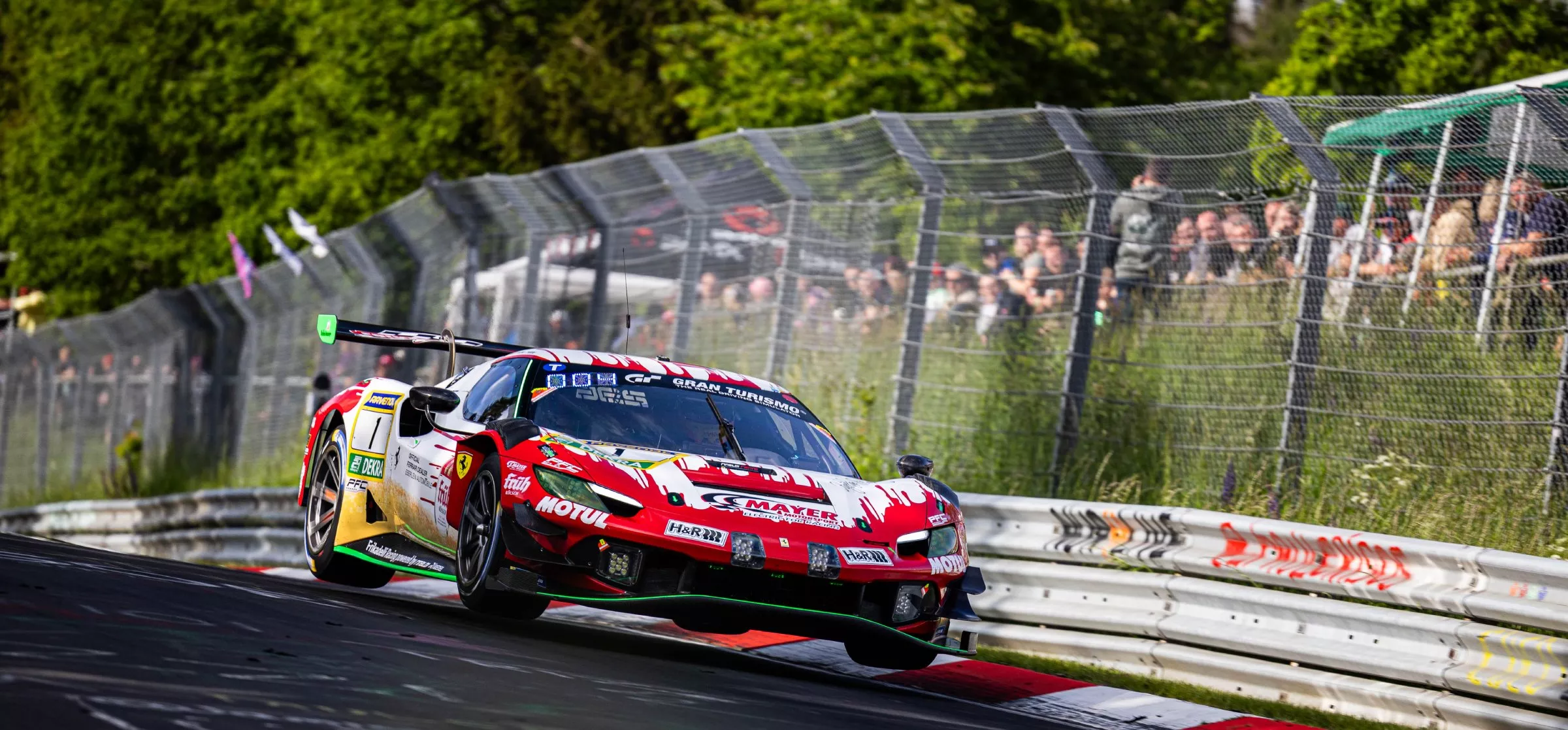
The faster a vehicle goes, the more the risk of it going airborne at a crest or hill - as is the case in this photograph of a Ferrari GT car at the Nurburgring Nordschleife
“We need to know the boundaries of the plot of land that’s been chosen - we can’t change those. And then topography is the next thing,” explains Tilke. “We never really have a blank piece of paper - there are always restrictions.
“When we're close to a big city like Austin, all the land is very expensive, and land that is not expensive is generally land not very good for construction,” he summarises.
Cost is the main factor; circuit designers want to reduce the amount of earthworks needed, which is why flat land is favoured. Meanwhile, the venue needs to be accessible to fans with transport links as return on investment is key.
Drawing the layout
With the start-finish straight in place, designers start sketching out corners, taking into account features requested by their client.
Temporary street circuits such as Canada’s Circuit Gilles Villeneuve and Australia’s Albert Park generally use existing roads.
“At the beginning it's only a sketch, and at the end it's a real, detailed plan,” says Tilke.
Elevation is also key. Andrew Wallis, Apex Circuit Design’s engineering director, explains how important vertical geometry is in track design.
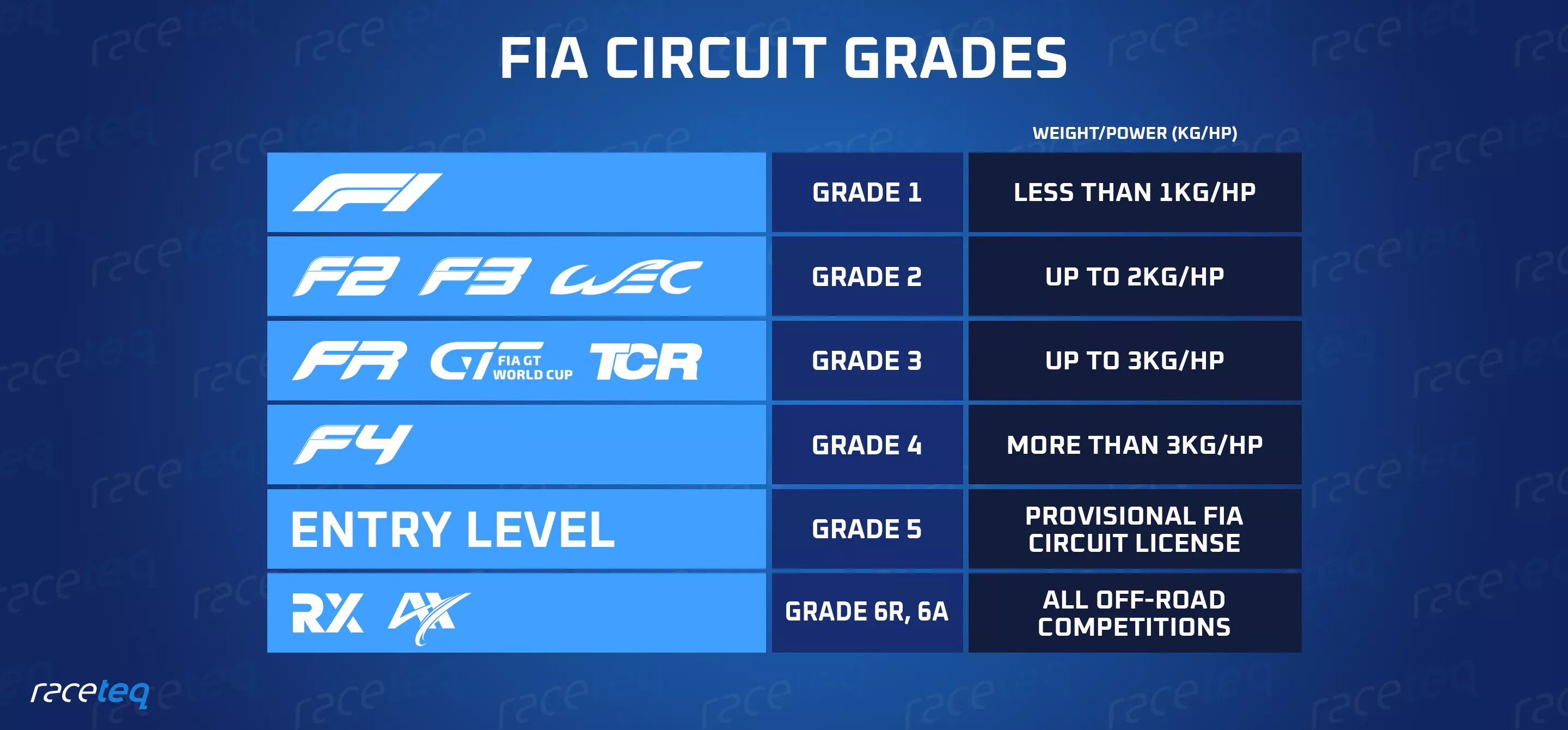
A table showing the different FIA grades and their relevant weight/power requirements
“One of the key things that we focus on topographically is the design of the facility geometrically. Elevation is linked to the square of the speed of the vehicle. So, the faster a vehicle goes, the more constrained you are with crests and dips.”
COTA’s uphill stretch to Turn 1 and the Red Bull Ring’s route through hilly surroundings make for exciting circuits, and the upcoming Saudi Arabian circuit of Qiddiya includes 108 metres of elevation changes.
Eventually, those sketches become digitalised using Computer-Aided Design (CAD) software.
Fit for purpose
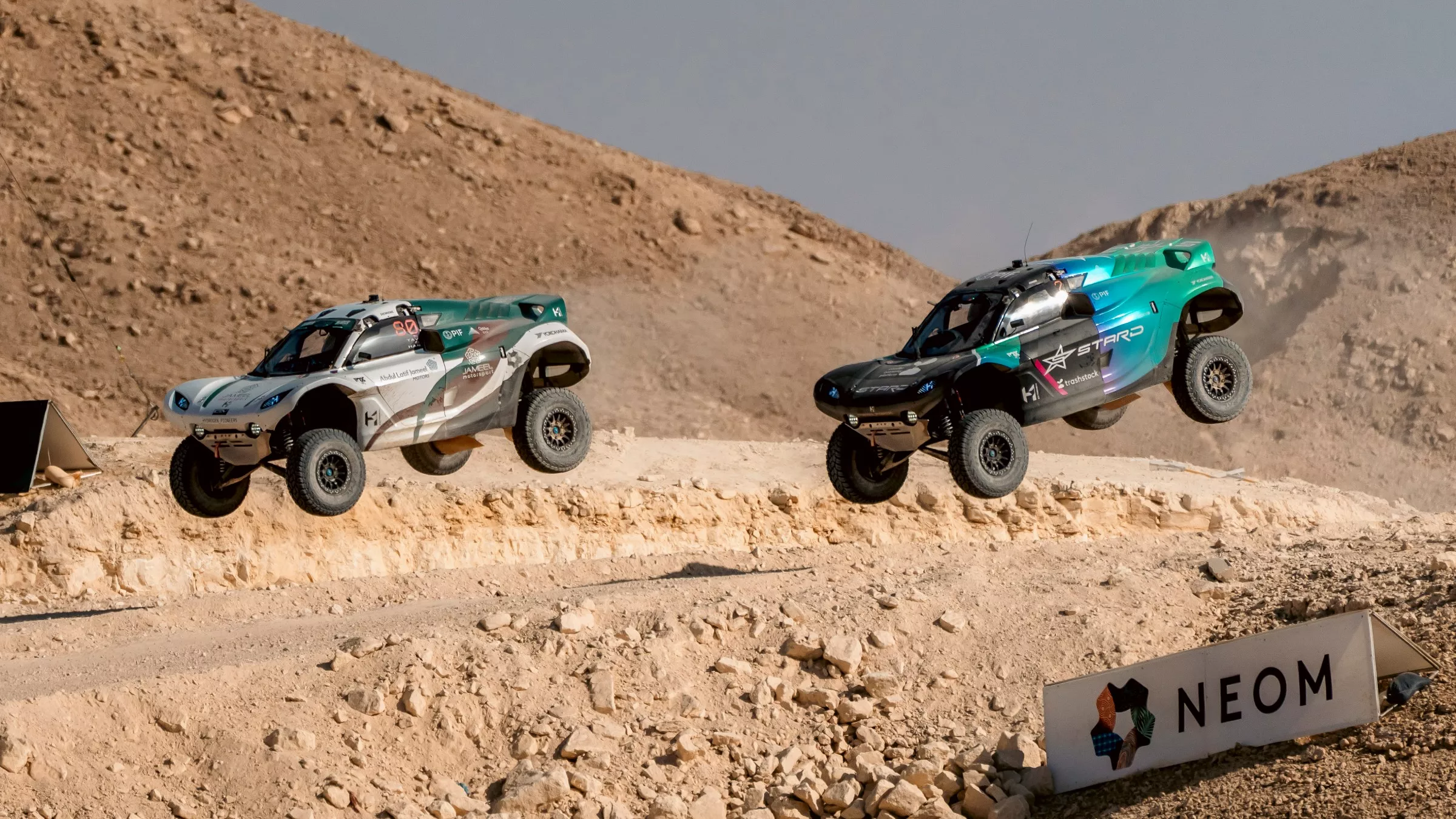
A circuit built to host MotoGP, where motorcycles take on long-radius bends and long straights, will be different to a rallycross track where drivers race on different surfaces and take on jumps.
Designers adhere to FIA grades, based on the power-to-weight ratio of vehicles, to design the safety features and infrastructure for their circuit.
An FIA grade one facility fit to host Formula 1 grands prix will need sufficient runoff area, massive grandstands and enough garages to hold all 11 teams’ cars and pit equipment - but an FIA grade six circuit built for rallycross won’t need the same features.
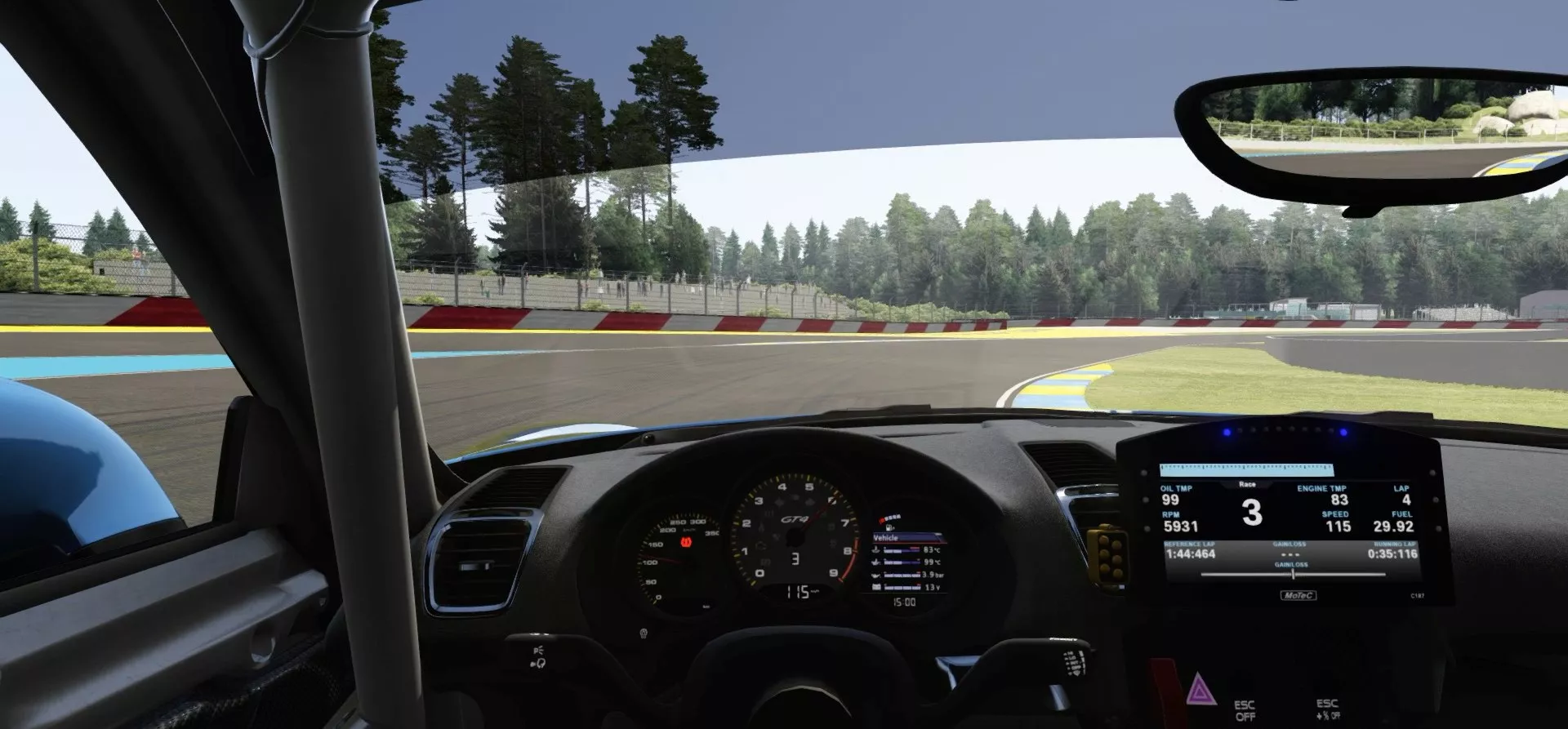
A screenshot from Apex's simulator, where the designers can test out their own creations
Wallis adds that grandstands and hospitality sections can be modelled to simulate the spectator experience and scope out the best places for ticket holders to watch the action.
They may also receive driving data from motorsport teams. This is then fed into software that calculates and simulates multiple potential racing lines that drivers might take around the track.
“This will give us core data like speed traces, lateral and longitudinal g-forces, laptimes, average speeds, those kind of things, as well as safety data,” explains Wallis. “So it will also look at any loss-of-control point on that racing line.”
The software can therefore work out how long it would take for a vehicle to come to a stop in a particular run-off area, by simulating not only the driver and vehicle behaviour, but the friction from grass, gravel, asphalt, and other materials.
Tilke adds: “In the past, we would draw the circuit, and only in our minds would we be able to think about what was right, and what was wrong. Now, we can simulate it - and that’s the biggest difference from the past to the present.”
Building and homologating the circuit
Once the design is confirmed, it takes 12 to 18 months for it to be built. In the case of a temporary street circuit such as Monaco, it takes six weeks to set the circuit up for the grand prix - and just three weeks to remove the grandstands, barriers and kerbs.
The FIA will then homologate the track for use in a championship, inspecting factors such as drainage, data connections, power and water infrastructure as well as the surface material and kerbs to ensure the circuit can be graded.
Different layouts can have different FIA grades. For example, the French track, Circuit Paul Ricard, is a grade one circuit, but it has multiple layouts that might fit different FIA grades.
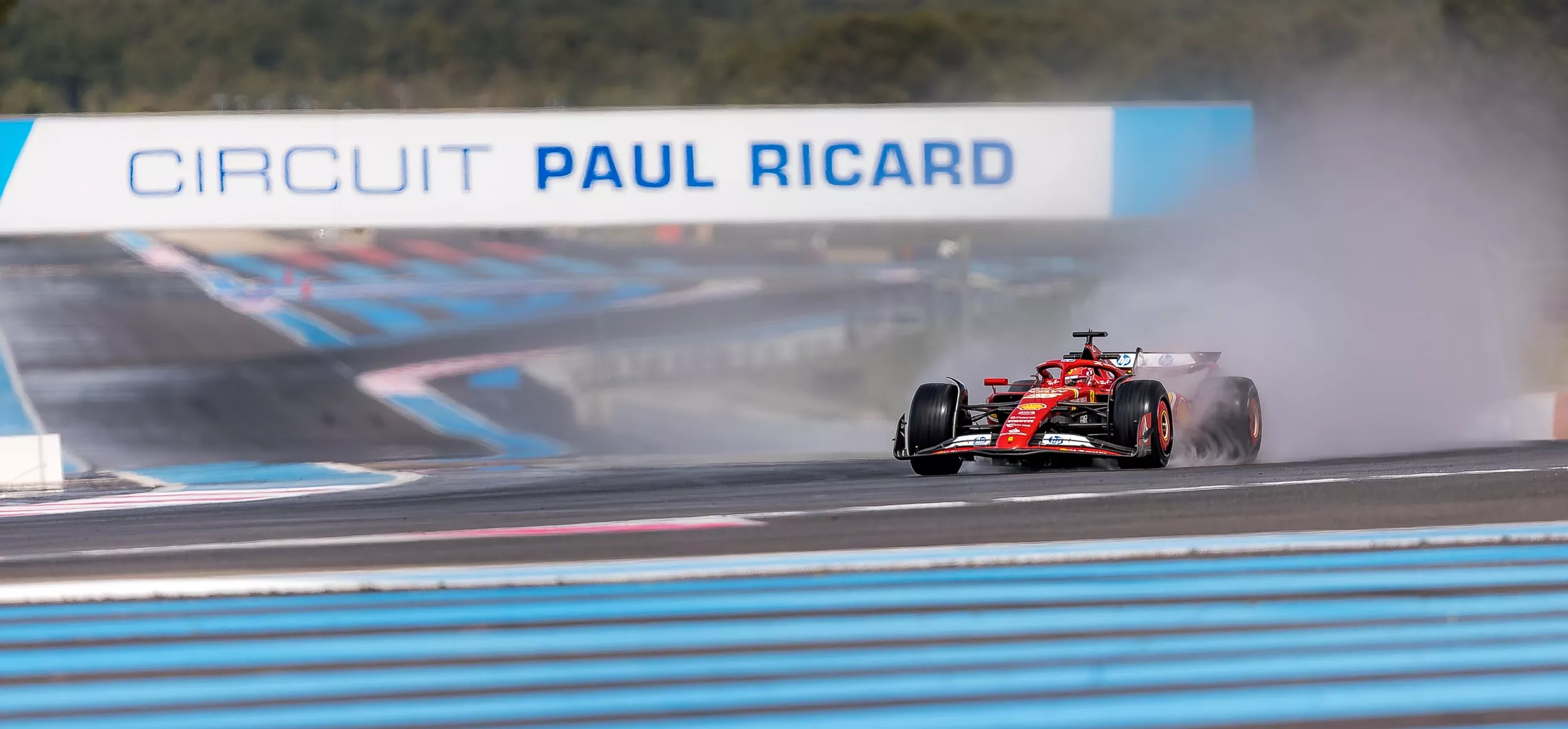
Circuit Paul Ricard, France, has multiple layouts - but not all of them have the same FIA grade
Building a legacy
So what makes a great racing circuit? Monaco, for example, might not produce the greatest racing thanks to its narrow confines, but that’s the feature that makes it an iconic track.
Of his own works, Hermann Tilke says that German track Sachsenring, India’s Buddh circuit and Turkey’s Istanbul Park are hidden gems - while the upcoming Saudi Arabian venue of Qiddiya is shaping up to be a “very exciting” project.
“To judge how good a circuit is, it takes years. Opinion of fans and drivers changes. One example is the Red Bull Ring,” says Tilke of the Austrian venue, previously known as the A1-Ring, which his company transformed from the dangerous but much-loved Osterreichring in 1996.
“Michael Schumacher was one of the first to say it was very good for racing, and then opinion changed. Now, nobody really complains about it. It’s the same for other circuits.”
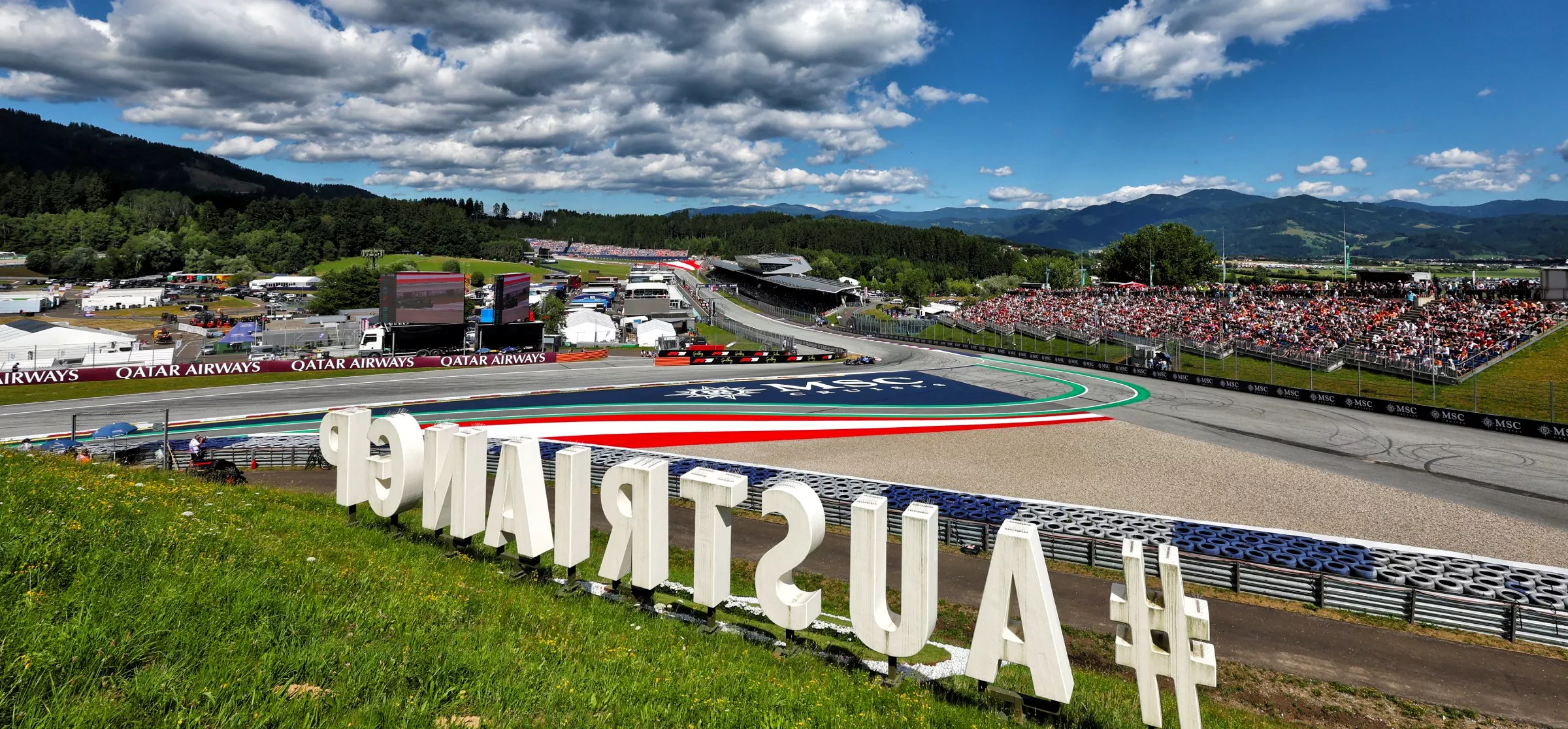
The Red Bull Ring was previously known as the A1-Ring and it has hosted Formula 1 since 1997
As for Apex’s designers, Jack Wheeler picks out Belgium’s Spa-Francorchamps Rallycross circuit as an “amazing” project, and his colleague Wallis says Miami International Autodrome holds a special place in his heart.
“When you get on site, that's when it all gets very real and very exciting. And that final push to delivery is hectic, but a lot of fun,” says Wallis.
For these designers, great racetracks are a point of personal pride; for racing drivers, the very same sentiment might lead them to choose Zandvoort over Zolder.
And, for fans, it’s all about the excitement we witness at the venue, from stunning overtakes to sensational victories and every indelible moment in between.