Innovation

Waiting in the wings: the hidden duties of an F1 reserve driver

by Valentin Khorounzhiy

6min read
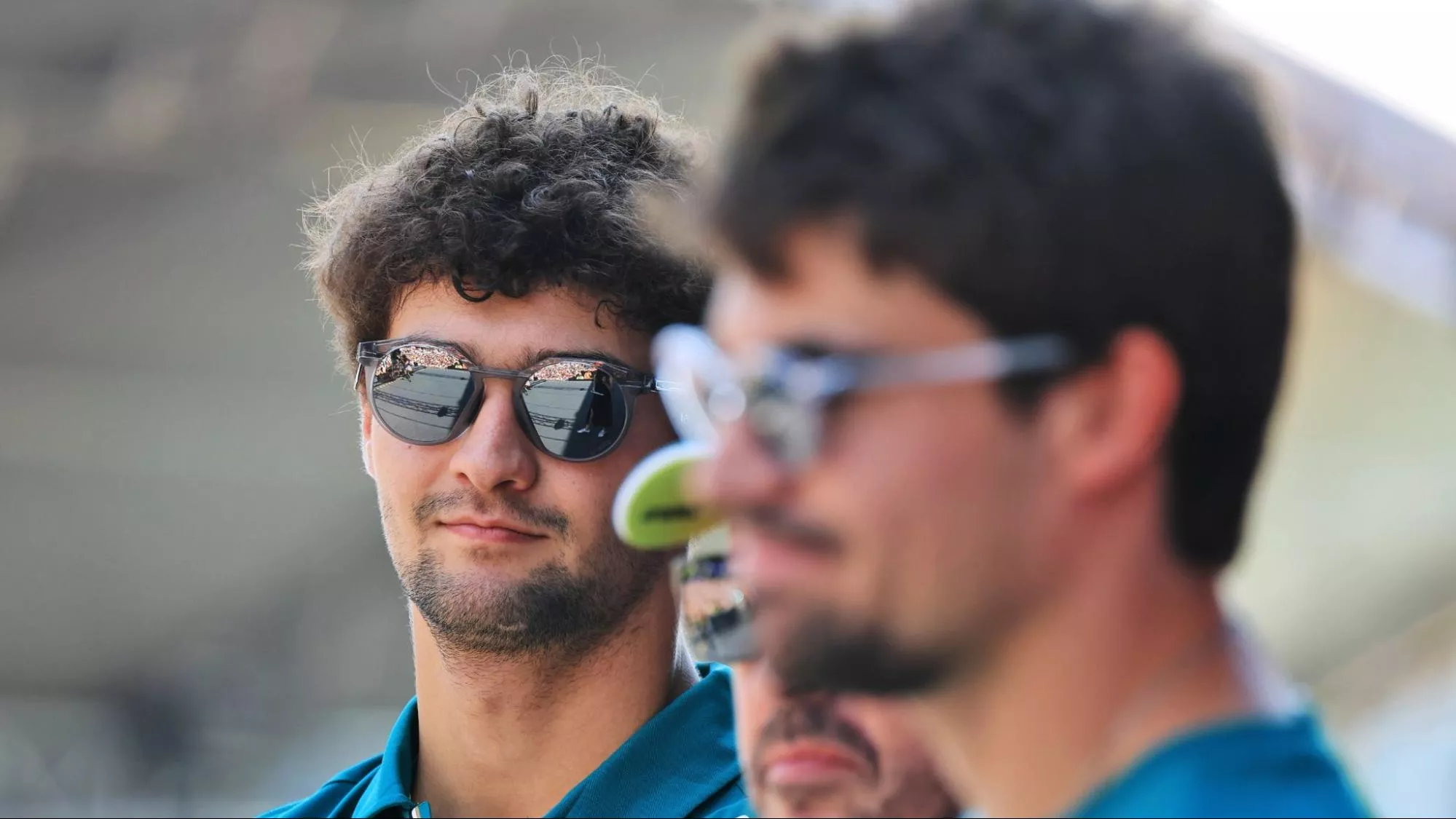
Jak Crawford

The role of a Formula 1 reserve driver is one of the most straightforward in F1 - the clues are in the name, and the reality aligns with the dictionary definition. Yet it is also a much more fascinating institution than it may seem at first glance.
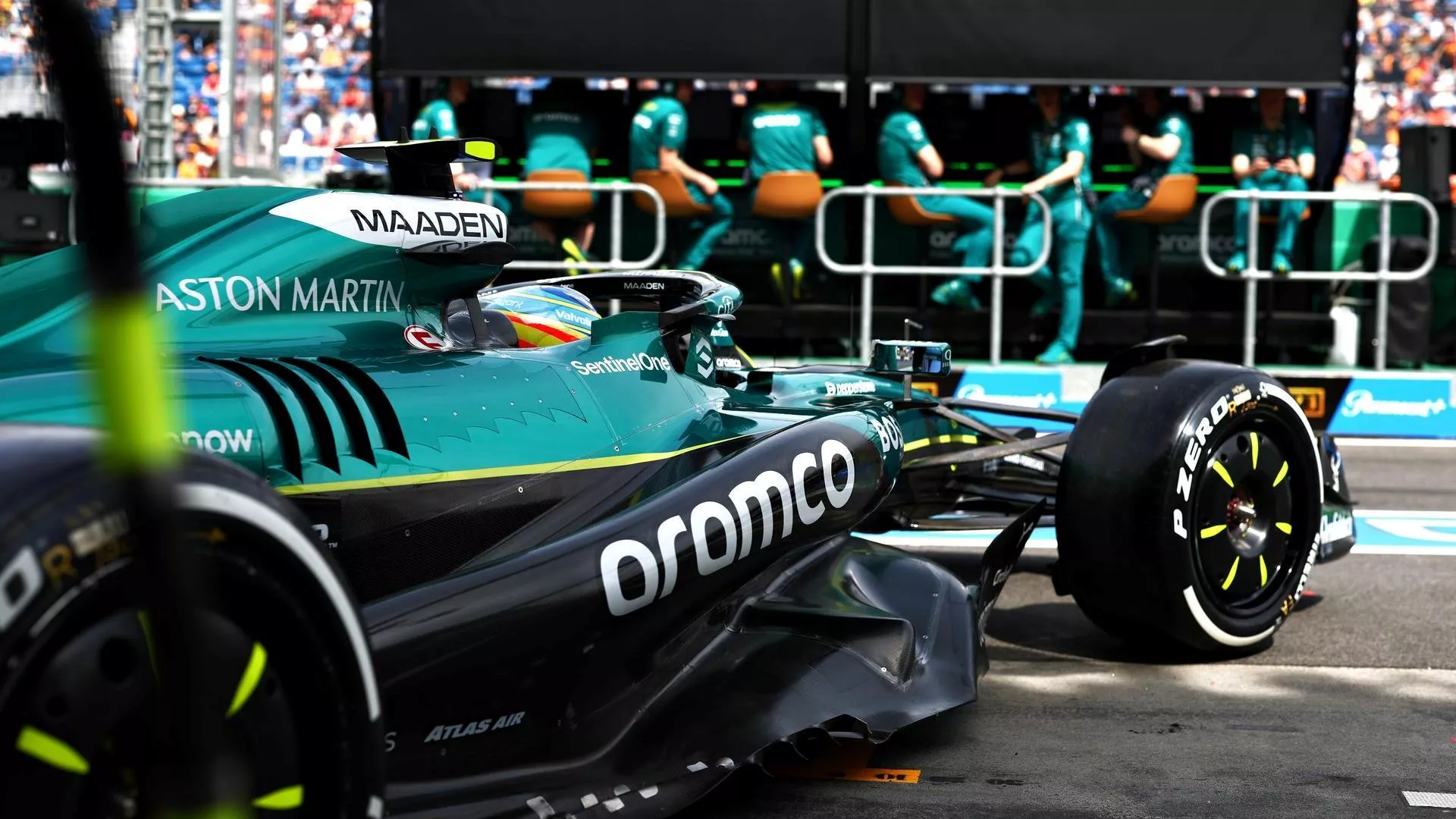
Aston Martin F1 car exiting garage

Sign up for a newsletter and we'll make sure you're fully up-to-date in the world of race technology
In short, the reserve driver is the person who steps in (in theory - more on that later) if one of an F1 team's regular drivers is somehow indisposed, for example through injury, illness or a race ban accrued by receiving sufficient penalty points. As it is by definition a contingency role, it is usually twinned with some other duties like test driver, third driver, or simulator driver.
Most teams name a designated reserve - or a couple - for the season, though it is an increasingly common practice for teams with some sort of obvious established relationship (perhaps through a common power unit supplier, or a common owner like between Red Bull and Racing Bulls), to 'share' reserves. This is because it is exceptionally unlikely that multiple teams will independently need to make use of reserve drivers in a given weekend.

Since the start of 2021, around 40 drivers have been officially enlisted as reserves for one or more F1 teams. Less than half of those have actually started F1 grands prix in that same period, but only five have made starts specifically in their capacity as reserves.

That's the fascinating side of it - it is a role a driver takes on knowing that in the vast majority of circumstances it won't entail actually racing. Virtually all team sports have some sort of 'subs bench', so there is nothing uncommon here, but an F1 reserve driver is most akin to something like the back-up goalkeeper in football - most teams will go through their league season expecting and hoping to just use their first choice.

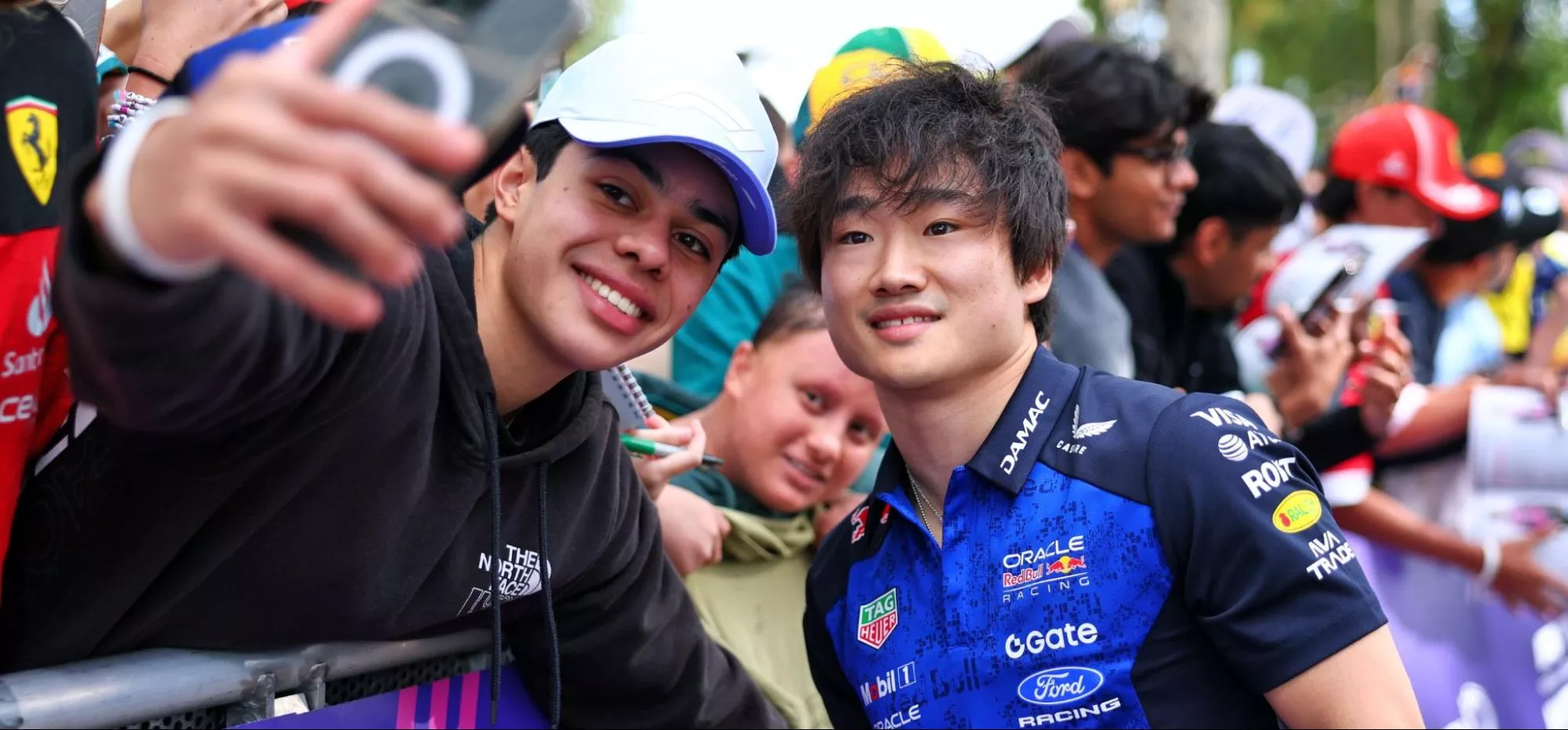
Yuki Tsunoda

Ex-Red Bull F1 driver and 2026 Red Bull reserve driver Yuki Tsunoda takes photographs with fans
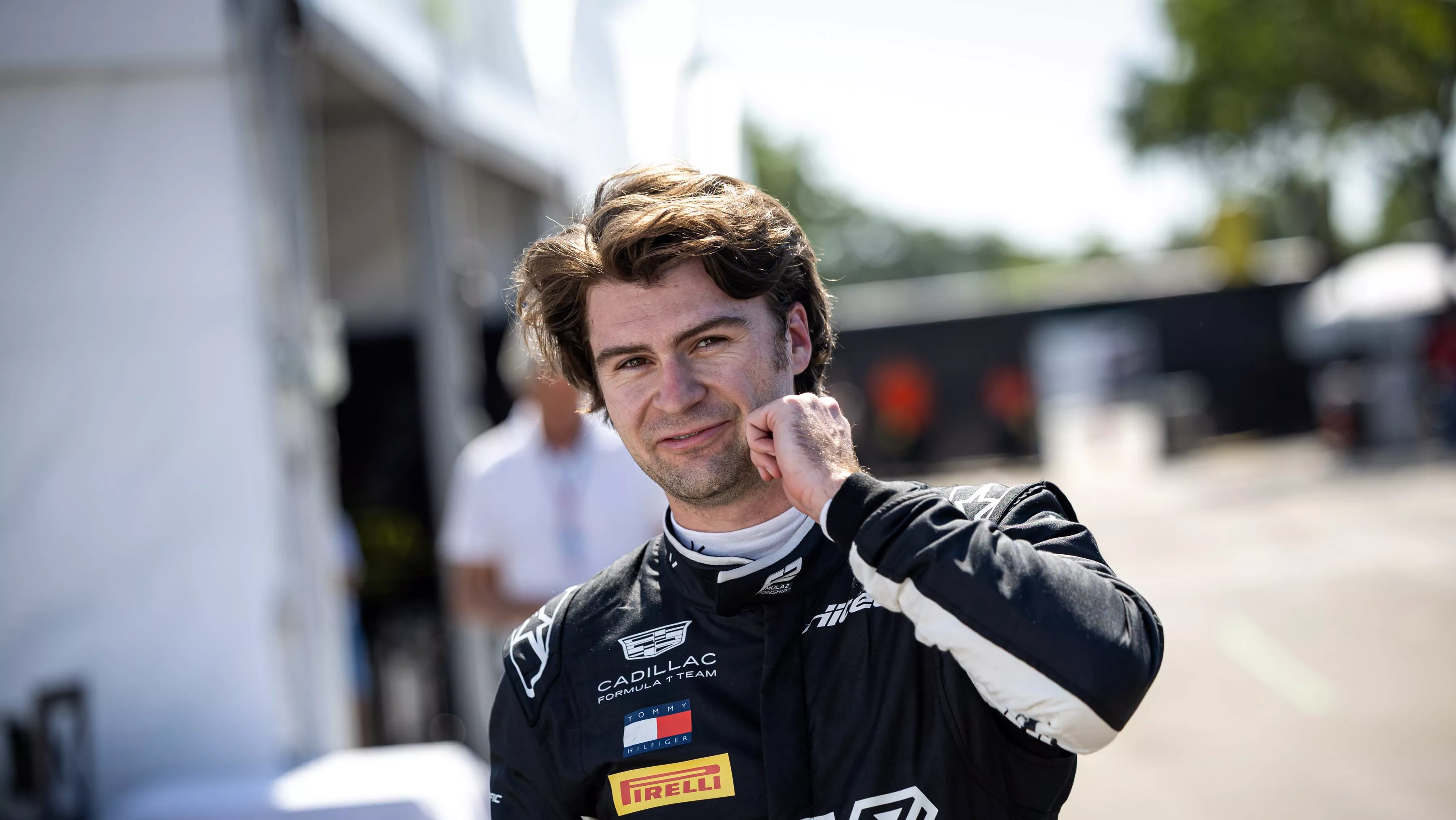
Colton Herta

Car, Event

Colton Herta: Building toward F1, one Friday at a time

What’s it like being an F1 reserve driver? 
A reserve driver is often on-site through a grand prix weekend to be able to jump in at a moment's notice - but sometimes just on-call and simply available to travel to the race if needed.
 
In F1, that switch to a reserve must be made before qualifying, but ideally with some practice running, too - otherwise it can be an incredible baptism of fire even if the driver has prior experience of the car, which they often don't.
 
This is because of F1's long-standing crackdown on current-car testing. The mileage teams are allowed to accrue with their current car outside of race weekends is incredibly limited, and so aside from rare exceptions, every single kilometre tends to go to the regular race drivers to maximise their preparedness.
 
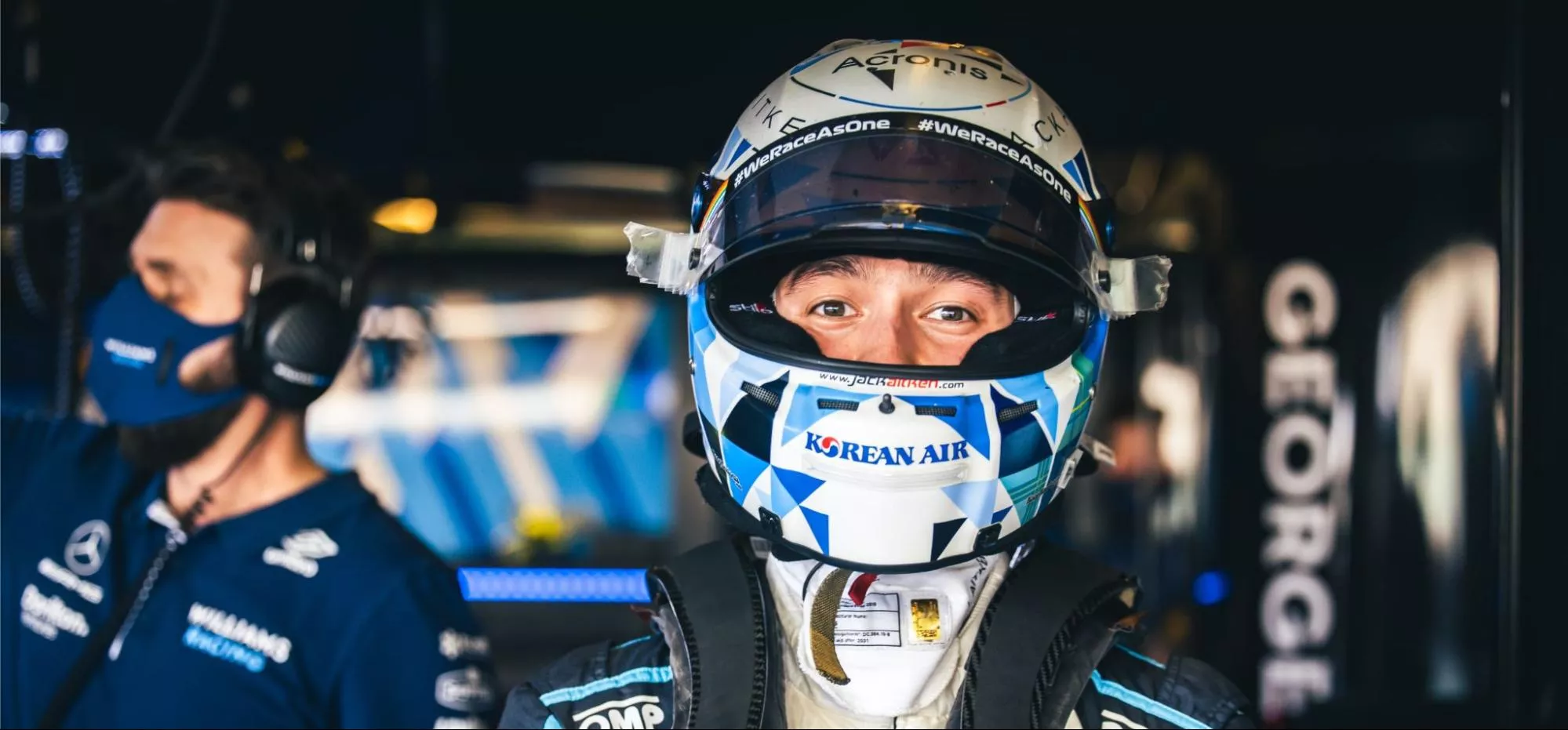
And if the weekend has progressed without the need for your services - as it does 99% of the time - then that's that. Jack Aitken, who was reserve for Renault and Williams and did actually make a stand-in appearance for the latter for his sole F1 start, described it candidly as a "boring job".
Jack Aitken

Former Williams reserve driver Jack Aitken made his one and only F1 start in 2020
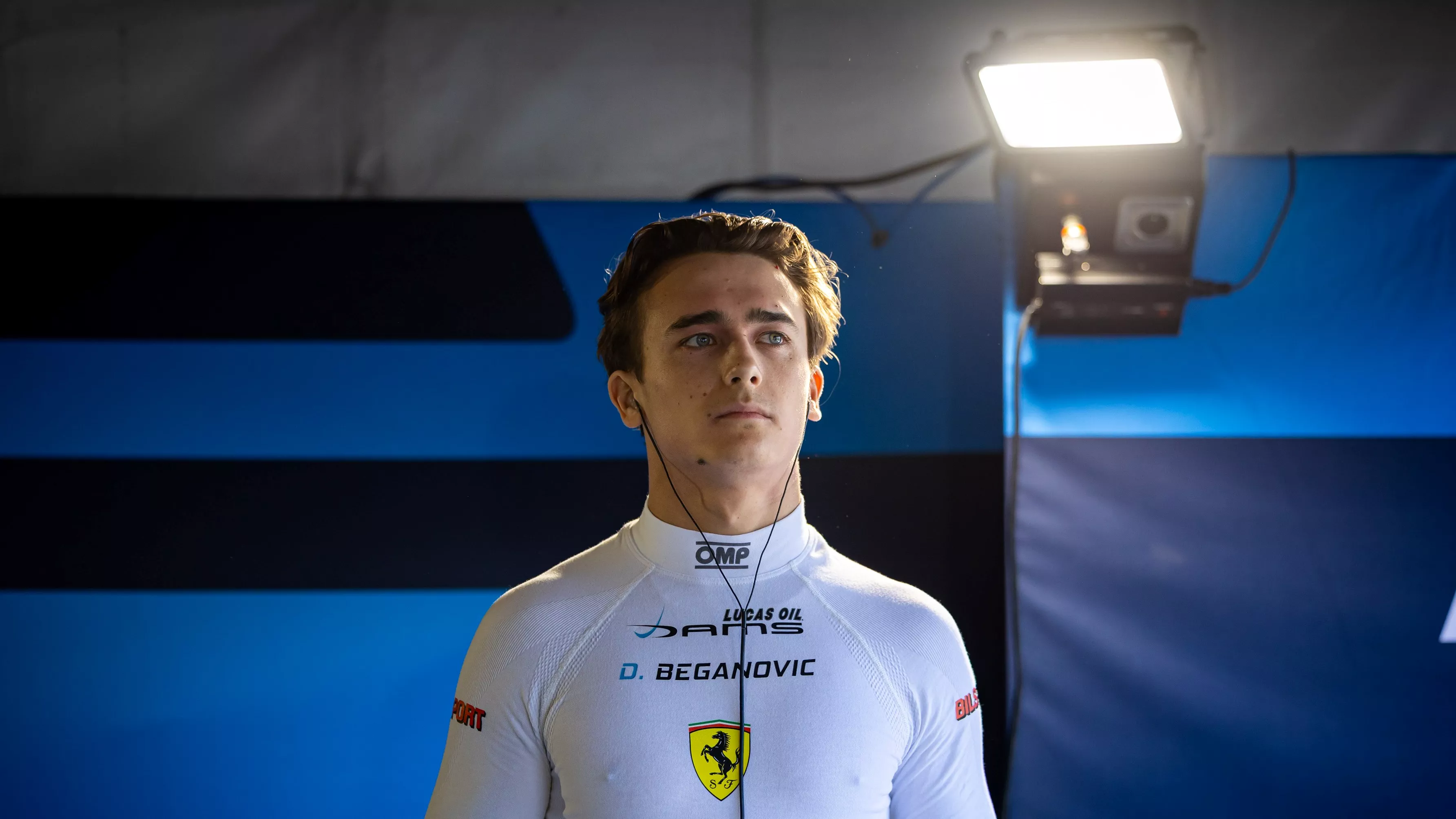
Dino Beganovic

Event, Innovation

Dino Beganovic: The Ferrari simulator, returning to DAMS, and his backstory challenge

"You're a spare part," he acknowledged. "You come to a weekend, and you can sit in on the meetings, maybe you can do some basic jobs here and there, but really there's nothing for you to do except wait for someone to fall down the stairs - and that's a terrible life to live!

"So, yeah, most people hate it.

"I would get tips from other reserve drivers, ex-reserve drivers saying 'if you want a good place to sleep, this part of the truck is good' or 'make sure you go to these guys for catering, they are the best'."

But even someone metaphorically 'falling down the stairs' doesn't guarantee you get a call-up. Famously, the only reason Aitken got his sole F1 start in the 2020 Sakhir Grand Prix is that he replaced George Russell at Williams because Russell himself got the call-up to drive a Mercedes in lieu of the COVID-sidelined Lewis Hamilton - and, crucially, in lieu of Mercedes' designated reserve driver Stoffel Vandoorne, as Mercedes saw more value in trying out Russell as a future full-time option.
Nico Hulkenberg

Nico Hulkenberg (R) was dubbed a ‘super sub’ having stood in for Sergio Perez, Lance Stroll, and Sebastian Vettel over four races from 2020-21
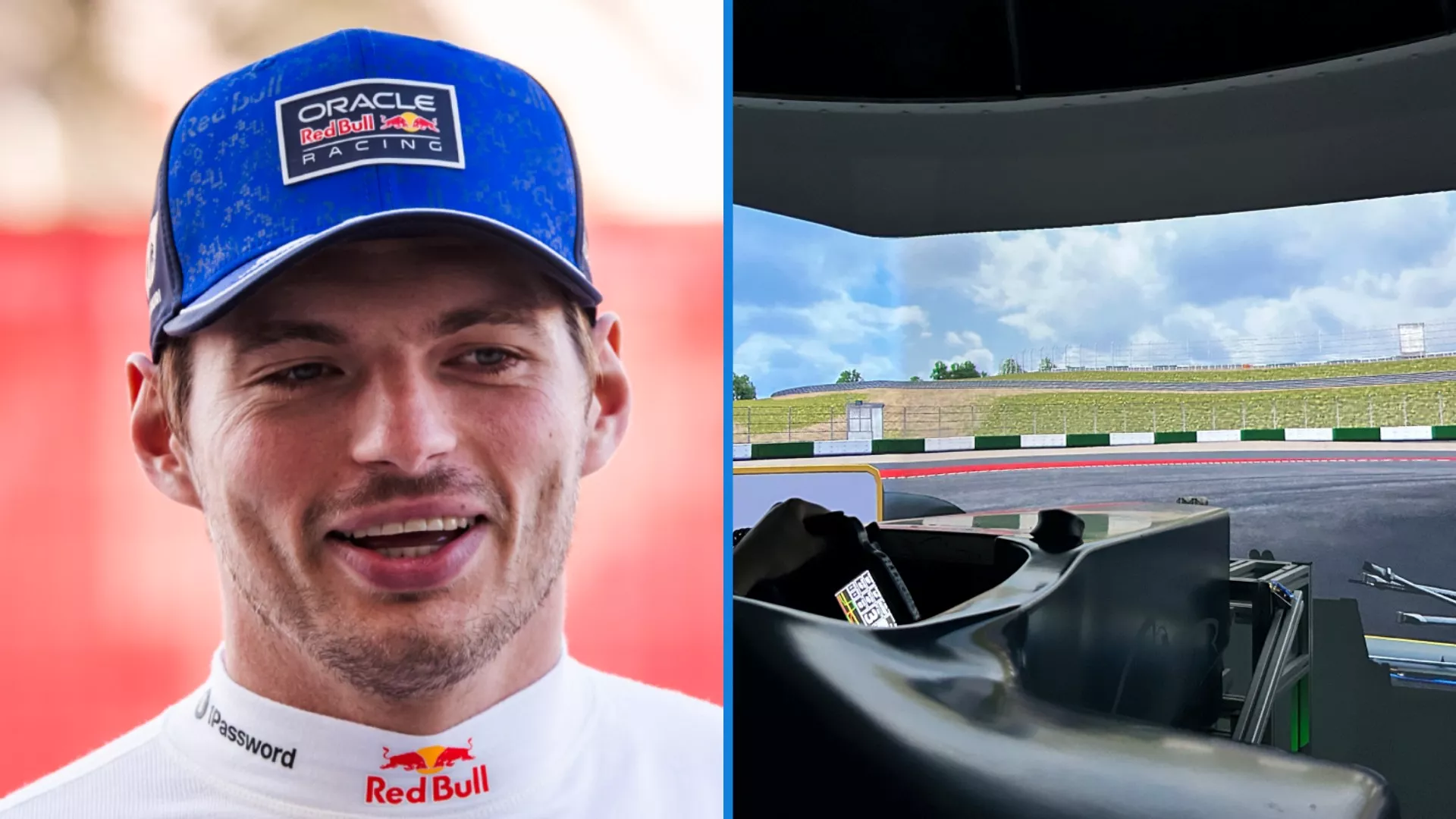
Max Verstappen and his sim

Innovation

Verstappen's obsession with details and his elite motorsport simulator: 'That kerb should be 5 cm higher'

The added responsibilities of an F1 reserve driver 
As mentioned above, it is rare that a 'reserve driver' isn't accompanied by some other duties.
 
Sometimes they can represent the team in marketing or media activities, sometimes due to sheer convenience they can be deployed in one of F1's occasional closed-doors tyre testing events for tyre supplier Pirelli. But most important, and most common, is behind-the-scenes contribution on the simulator.
 
An F1 team's simulator is now a crucial car development tool, even more so than a driver preparation tool. But race drivers are busy through the year by the nature of the calendar, marketing commitments and the mental and physical wear-and-tear of the gig - so the team's other drivers are required for a lot of the virtual running.
 
This can also be the case in-weekend. It is common practice, when geographically viable, for a reserve driver to do 'weekend support' simulator work at base through Friday practice, to help the team hone its set-up at the track, and then to arrive to said track the following day to be there as a back-up.
 
And it also means teams are extra incentivised to give such drivers some real-life track time in the actual car, for the purposes of verifying correlation between the real car and the simulator car.
 
A relatively recent change to the F1 regulations has streamlined this process. F1 introduced mandatory rookie practice outings in 2022, requiring teams to put aside practice sessions for drivers with fewer than two grand prix starts. 
 
And it subsequently expanded that requirement - F1 teams now have to do it four times per season, and for those whose reserves were never full-time F1 drivers in the past it is a no-brainer opportunity to put those drivers in the car, to evaluate and prepare them further and help their work on the simulator.
 
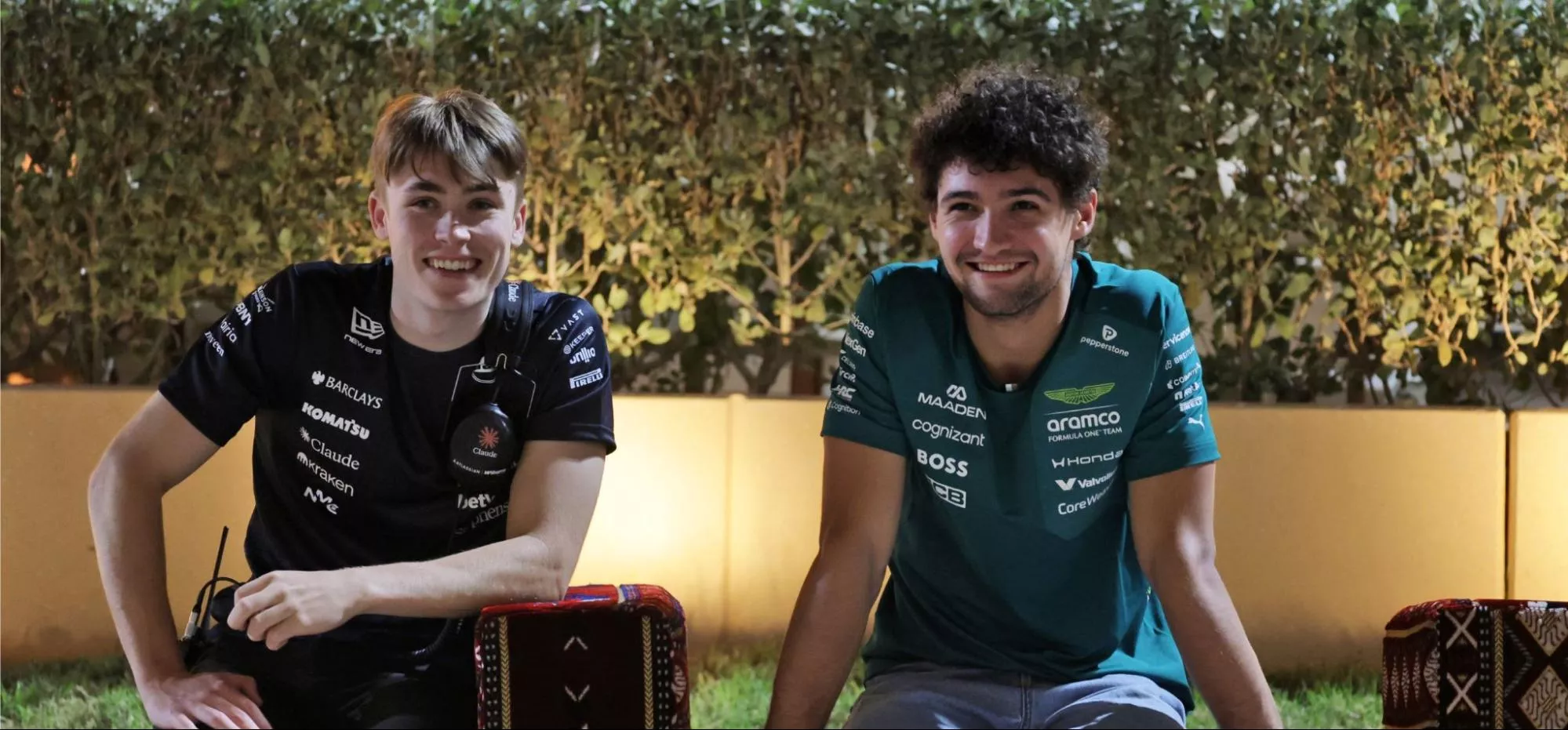
It also means they can play a more active role in the team's weekend, as Williams reserve Luke Browning explained, using the example of a minor kerb change at the Austrian Grand Prix in 2026. "For example, before Carlos [Sainz] goes out, I can tell him - if a kerb's taken away, how much to take and how much was usable for me. This is the sort of feedback which I can give, as nuggets of knowledge."
Luke Browning and Jak Crawford

Williams reserve driver Luke Browning (L) with Aston Martin reserve driver Jak Crawford (R) during 2026 pre-season testing in Bahrain

F1 reserve drivers - to race or not to race? 
When teams employ reserve drivers who had already competed in F1 full-time in the past, those drivers will almost always have a concurrent programme in another championship - where they actually race full-time.
 
But for younger prospects who hope to parlay a current reserve role into a future full-time F1 drive, it's not uncommon for them to spend a season or multiple seasons just as F1 reserves.
 
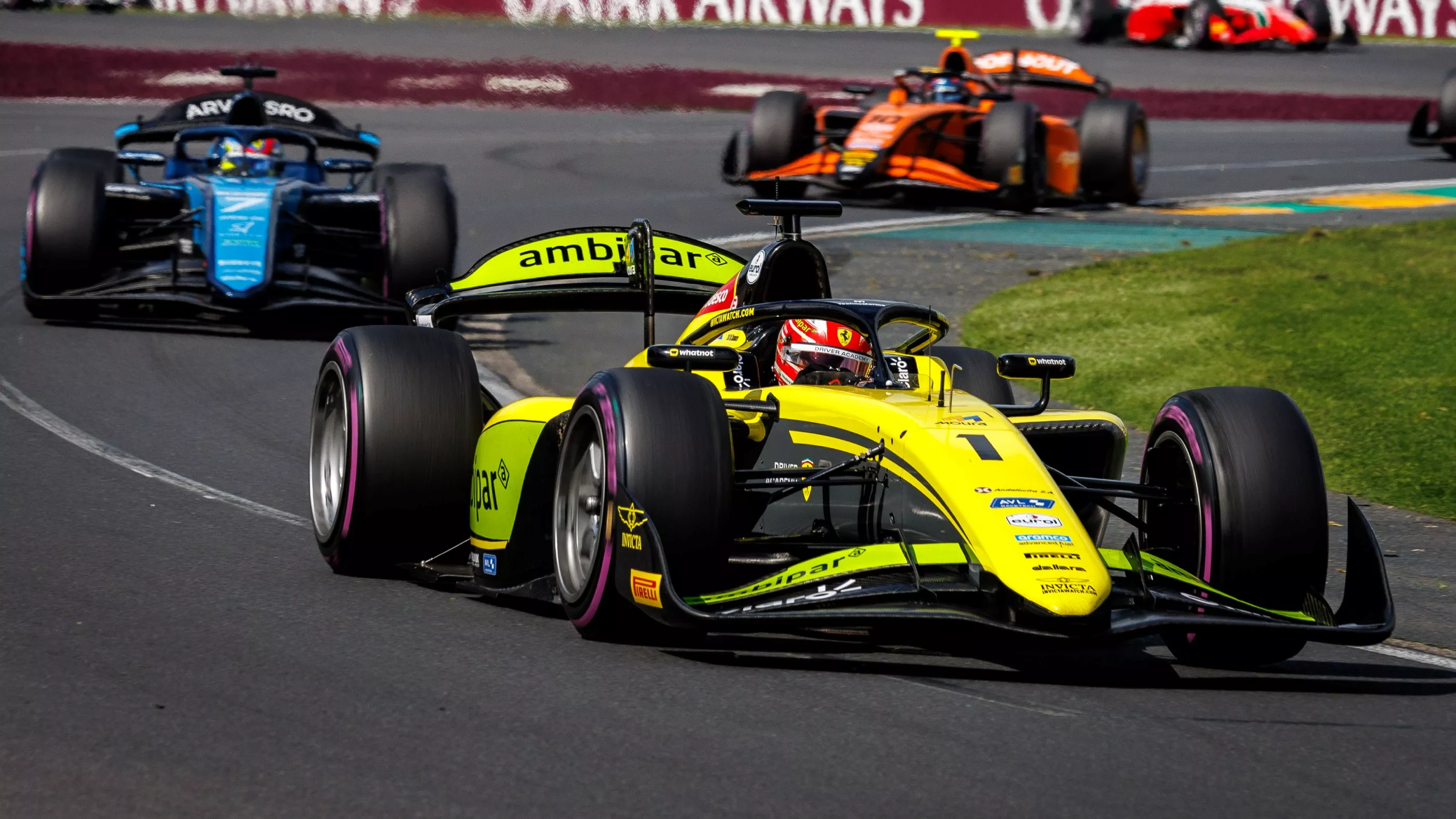
Having raced in full-time programmes for years as part of the ladder to F1, they might then focus on their work within the F1 team - especially if they've completed their preparation in F1's main feeder series Formula 2, or are actively ineligible to continue in that series because they've already won the title (F2 regulations preclude champions from returning).
 
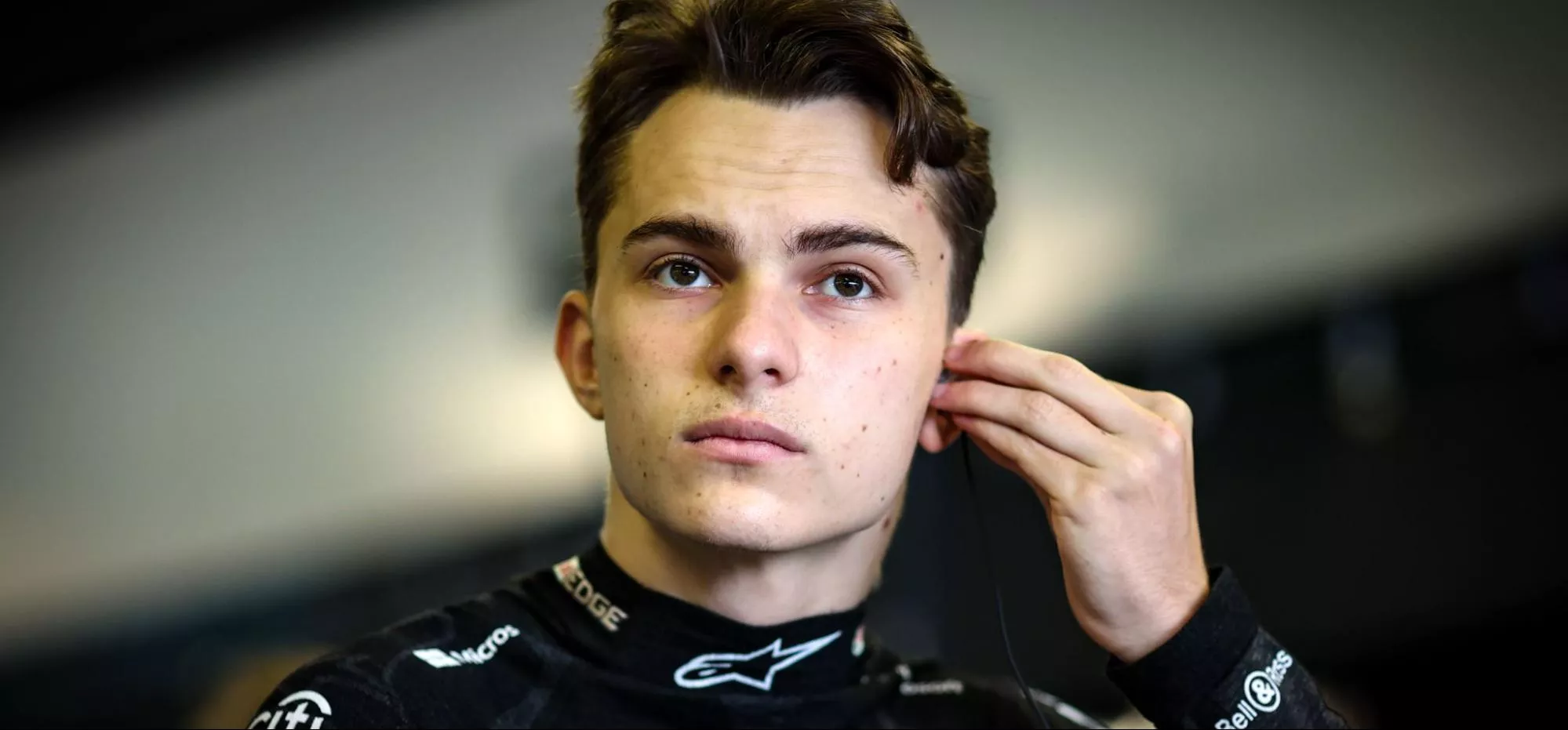
Famously, Oscar Piastri won the 2021 F2 title, didn't race at all in 2022 as Alpine's reserve, then debuted in F1 - with McLaren - in 2023.
Oscar Piastri

Oscar Piastri spent a year on the sidelines as Alpine reserve driver and made his F1 race debut for McLaren in 2023
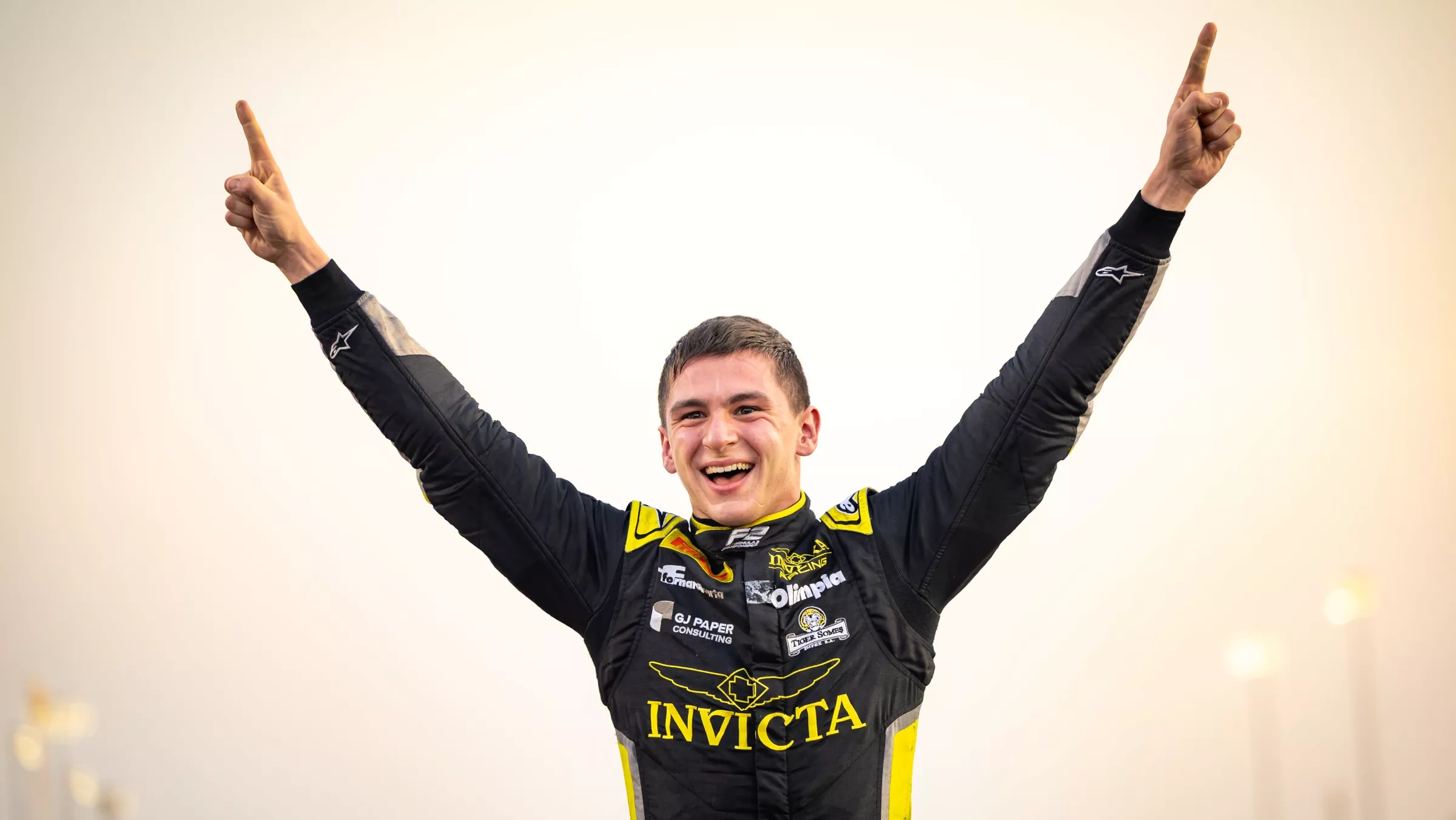
Leonardo Fornaroli

Future, Innovation, Event

Exclusive interview: McLaren, Verstappen’s simulator and the keys to Leonardo Fornaroli’s 2025 F2 title

It is up to the reserve driver, their management and their F1 team whether they want to line up a concurrent race programme, whether that programme needs to be in single-seaters (see Alex Albon competing in GT3 cars in the Deutsche Tourenwagen Masters when he served as Red Bull reserve) and how much of a budget can be spared for it.

Browning, for instance, is racing in the Japanese Super Formula single-seater series in 2026. That is "something James [Vowles, Williams team boss] wanted of me", he said.

"The point that we chose not to do [more] F2, I was leading the championship - and if I'd have won it, we couldn't have come back. So naturally I wanted to go somewhere.

"And yeah, [Super Formula] was probably the place that made the most sense and gave me the opportunity to still do the most amount of time at the race weekends here. And it's obviously the closest thing in terms of pure laptime to F1."
Jack Doohan and Ayao Komatsu

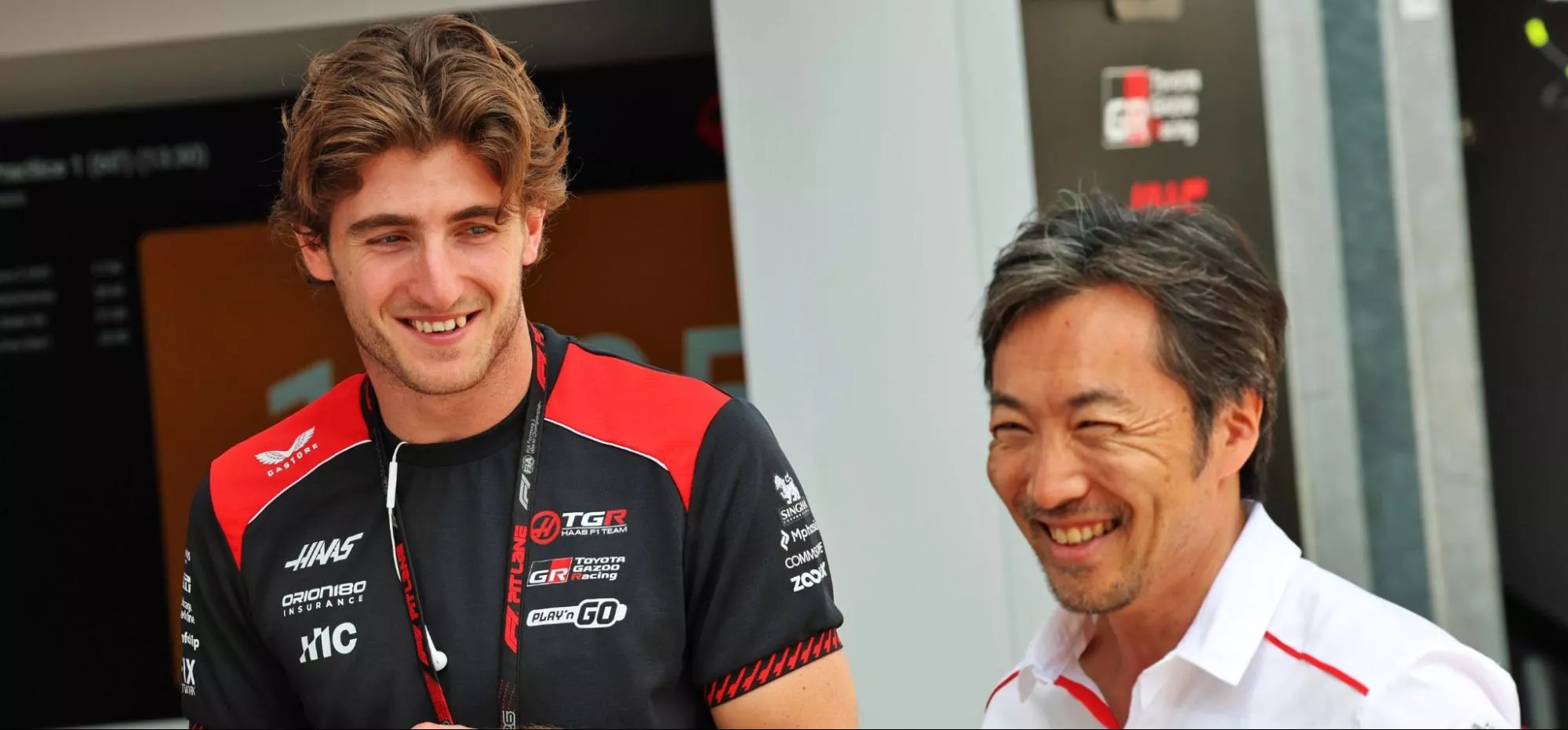
Haas’s reserve driver Jack Doohan (L) with team principal Ayao Komatsu (R)
On the flipside, someone like Aston Martin reserve driver Jak Crawford is not racing full-time in 2026. "It's a lot different. But to be honest, I've been so busy with [the] simulator and travelling to all the races that I haven't really thought about it. 

"Of course, I get a little jealous when I watch the F2 guys racing - because I was racing in that last year - or the F1 guys racing. Of course, you always think to yourself, 'I wish I was out there, I think I could do better'. You always think that. I miss it for sure.

"But at the moment I feel like there's a lot of opportunity, a lot of hope [within the reserve role]. I think that helps me push forward in a positive way."

Does it matter to a prospective future employer whether a reserve driver is keeping race fit?

"Sure. That's definitely one of the many, many considerations for sure!" insists Haas team principal Ayao Komatsu. But not any kind of racing will do.

"It depends on the environment. I wouldn't say just any racing series with any team. That's just one of the main dimensions we need to evaluate."

Related articles

Joshua Durksen for Invicta Racing

Car, Future, Motor

Formula 2 2027 car update: new aero, no hybrid, possible push-to-pass system

F1 vs F2 pitstops

Car, Career, Innovation

F1 and F2 pitstops compared: the seconds that can make or break a race

Sign up to receive regular newsletters and ensure you stay ahead with exclusive articles on technological innovations and valuable insights into the world of motorsport

Make sure you're fully up-to-date in the world of race technology

By signing up, I acknowledge that I have read and understood the content of the Terms and Conditions