Innovation
A2RL 2025: AI drivers get closer to humans than ever before
by Josh Suttill
6min read
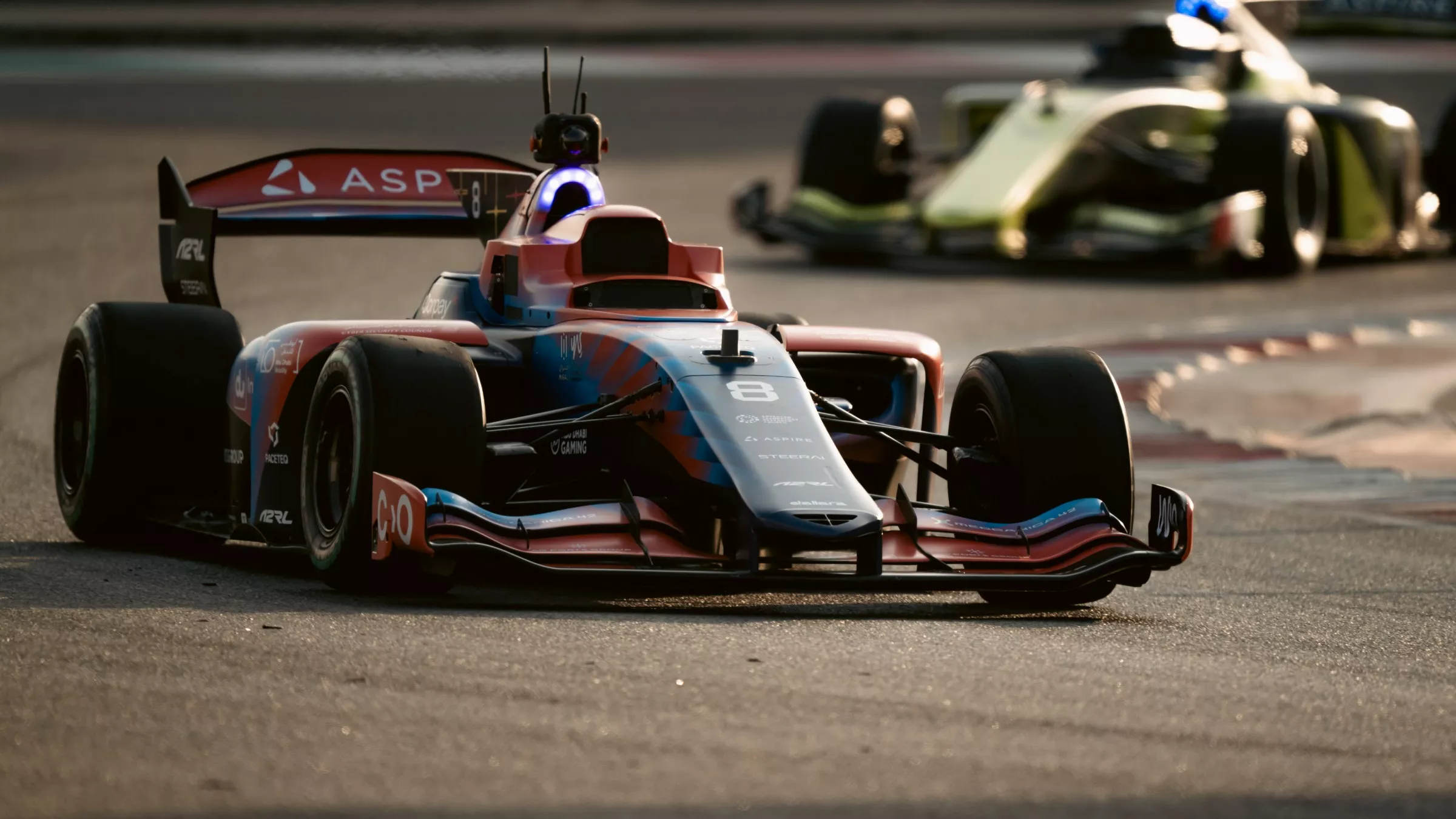
The Abu Dhabi Autonomous Racing League (A2RL) made a dramatic leap forward in its 2025 season finale as its AI-driven racing cars lapped within a second of ex-Formula 1 driver Daniil Kvyat. Just how did it make such a significant step up?
Sign up for a newsletter and we'll make sure you're fully up-to-date in the world of race technology
A2RL’s inaugural event was held at the same venue, Yas Marina Circuit, in April 2024. The series converted a Dallara Super Formula SF-23 chassis into a fully autonomous car in just seven months.
That car started lapping three and a half minutes off the human benchmark when testing began, but that gap was reduced to 10 seconds across the Yas Marina Circuit during last year’s event.
That was the “proof of concept” in the A2RL says technical director Nicola Palarchi, 2025 was all about adding further reliability and performance, even if it remains “a racing lab on wheels”.
And the progress when A2RL returned 18 months later to Abu Dhabi for the 2025 season has been even more astonishing.
Raceteq went behind the scenes in Abu Dhabi to find out how A2RL and its 11 competing teams have supercharged the development of their autonomous vehicles.
A stack of computers and sensors replaces the driver in A2RL’s cars
A stark improvement
A2RL supplies all 11 teams with an autonomous stack - essentially the brain of the car that occupies the cockpit and is coded by the teams to drive the car by interpreting the real-time data gathered.
The car and stack were upgraded following intensive work by the championship since its maiden event to create the EAV-25, which received significant reliability, safety and performance upgrades.
The fully autonomous EAV-25 is capable of reaching speeds of up to 300km/h, generates 500GB of data per lap and is fitted with cameras, radar, lidar and additional sensors. It weighs 755kg, including the 65kg autonomous stack.
The autonomous cars do not require the halo or various side impact protection units that are required for human drivers.
It’s a spec series, in that all teams have the same chassis and engine and set-ups are standard across all teams.
Kvyat is the human benchmark for the technology, with the A2RL engineers using his data to help develop the autonomous stack.
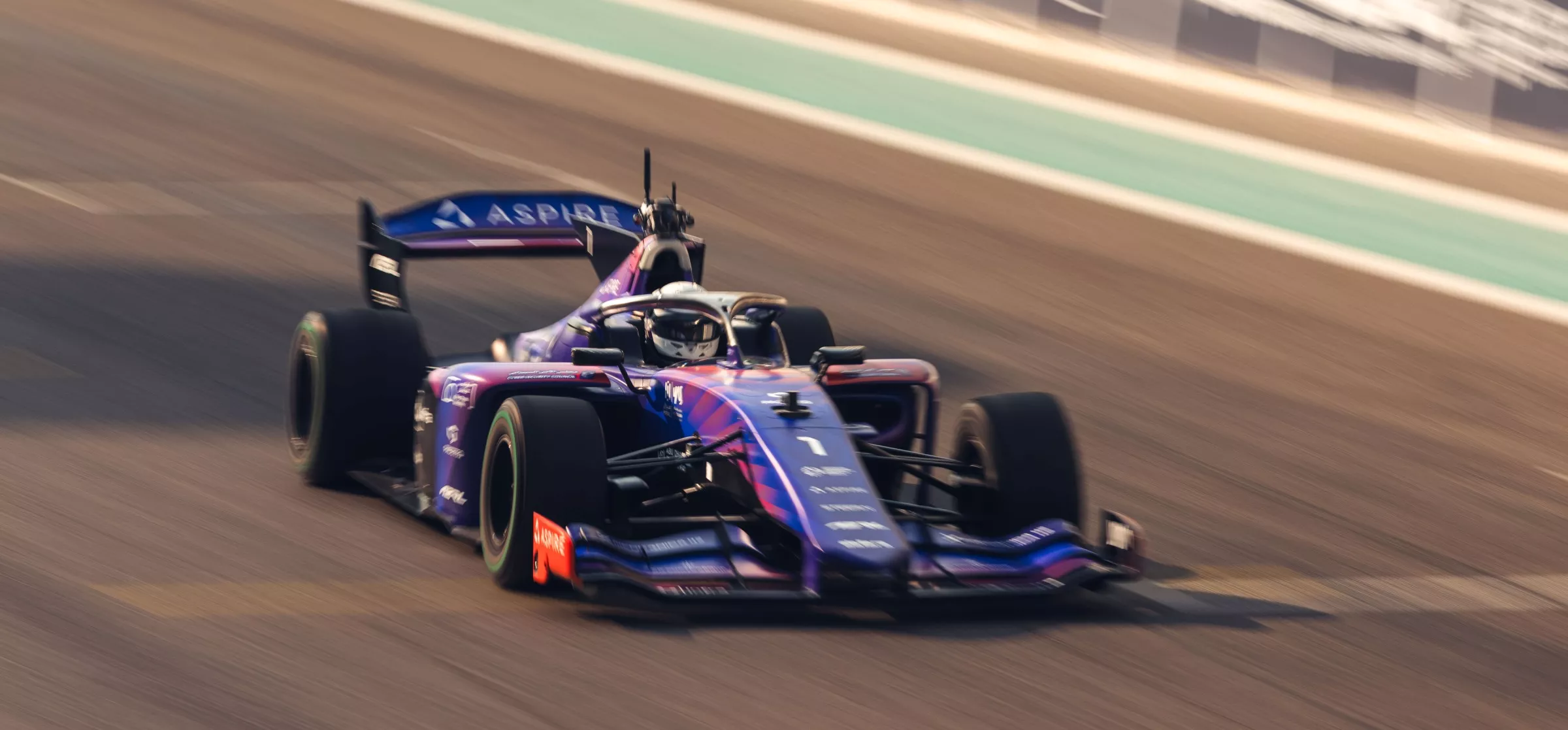
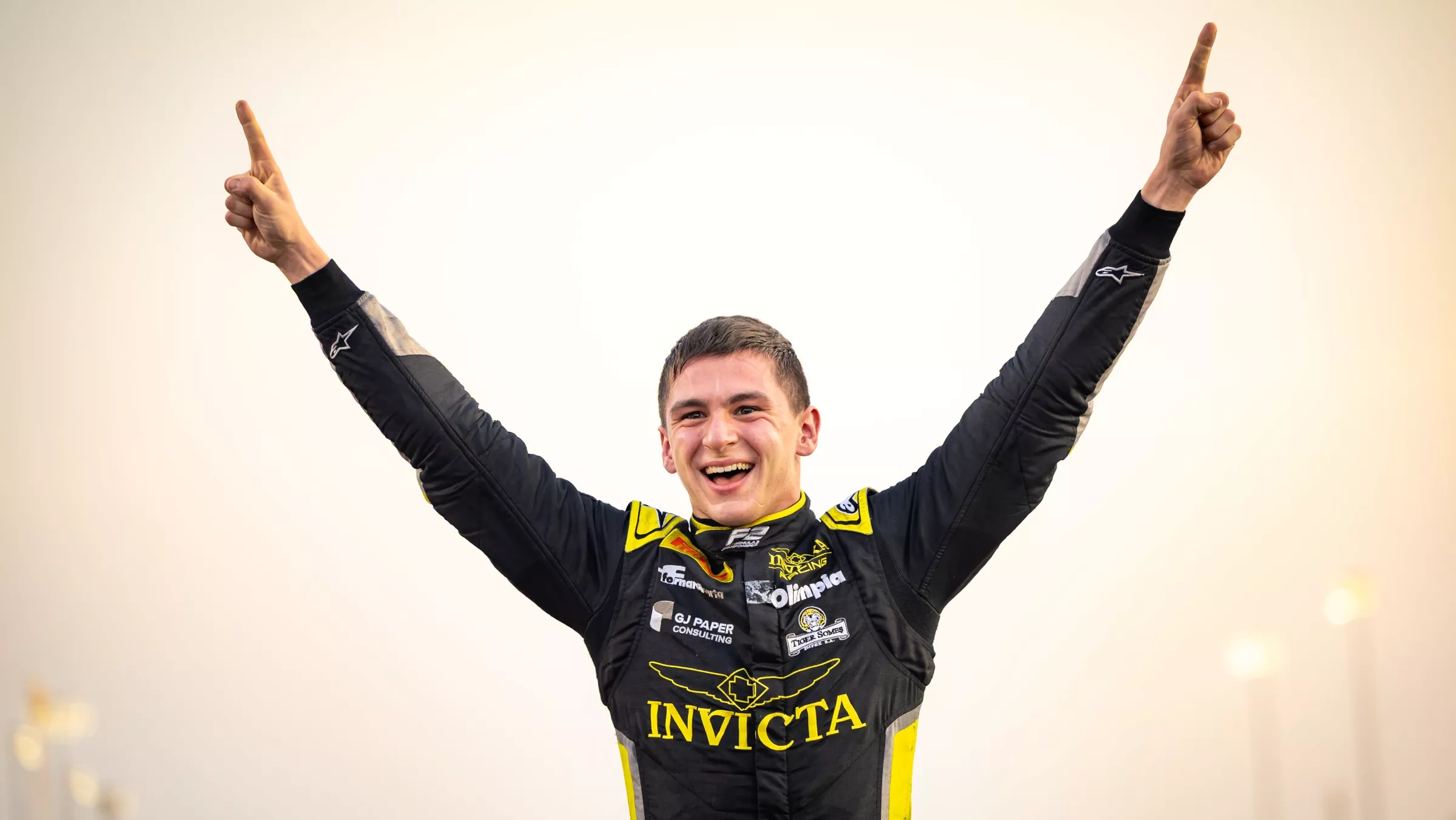
Former F1 driver Daniil Kvyat turned laps with an AI-driven car in Abu Dhabi
“It was definitely a day and night difference compared to last year,” Kvyat told Raceteq, fresh from completing a showcase where he had 10 laps to chase down an AI-driven car,
Kvyat was able to catch the car, but the AI-driven machine put in some impressive laptimes ahead of him.
The AI set a fastest laptime around a short version of the Yas Marina circuit in that showcase of a 59.154s, with Kvyat’s best lap a 57.569s - a difference of 1.585s.
And that gap had come down to half a second when AI operated by the TUM team fired in a 58.183s on the final lap of the six-car autonomous race that followed the ‘AI vs human’ showcase.
That’s quite the improvement for A2RL’s autonomous technology, with TUM believing Kvyat’s lap of 57.5s is the new benchmark teams can target for season three in 2026.
Having had to “play with the AI” last year to let it catch up, Kvyat was having to “push properly” to keep up with the AI this year.
“It's a great achievement, and that’s impressive. I congratulated everyone at A2RL, that’s great progress,” Kvyat added.
“Who knows where we’ll be next year. I’m super excited about this technology; it’s a fantastic platform for people to develop this sort of technology right here.
“It’s very impressive, we’re already talking about this now, what was once thought of as science fiction has now become reality.”
So just how has A2RL and the leading teams developed a car capable of almost matching its human counterpart?
Where A2RL has made its biggest improvements
The year-on-year gains are two-fold.
The first wave of gains has come with A2RL itself upgrading the autonomous stack to generate more data for the teams’ algorithms to make decisions.
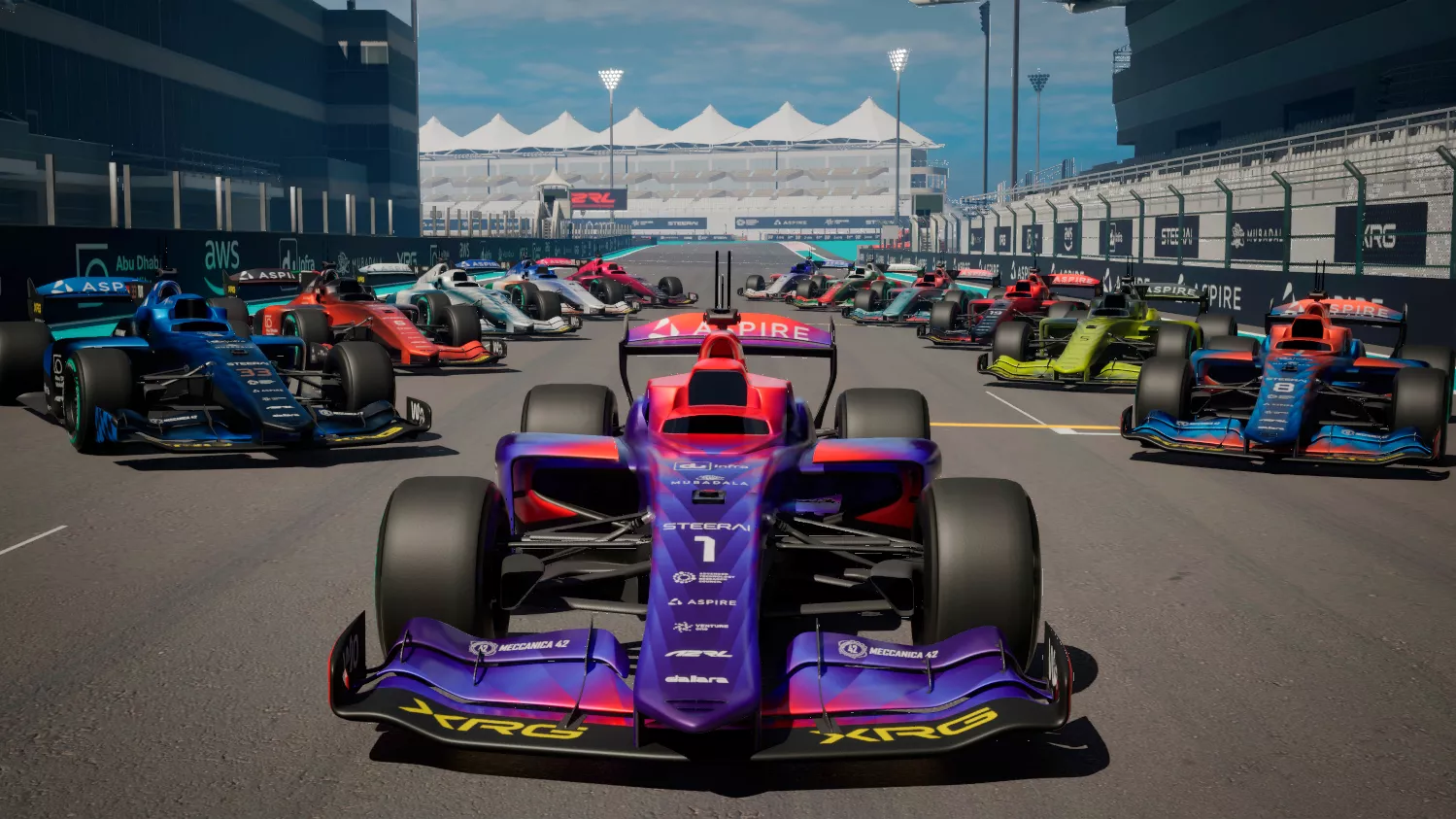
And then there’s the gains made by the teams with increased performance right across the 11-car field. Every team made big strides for 2025; it was all about who made the biggest leap forward.
It’s worth noting that there are plenty of differing approaches between the teams, too, with no convergence on one single best way of doing things.
“Every car has its own character, every AI agent has its own strong or weak points,” technical director Palarchi explained.
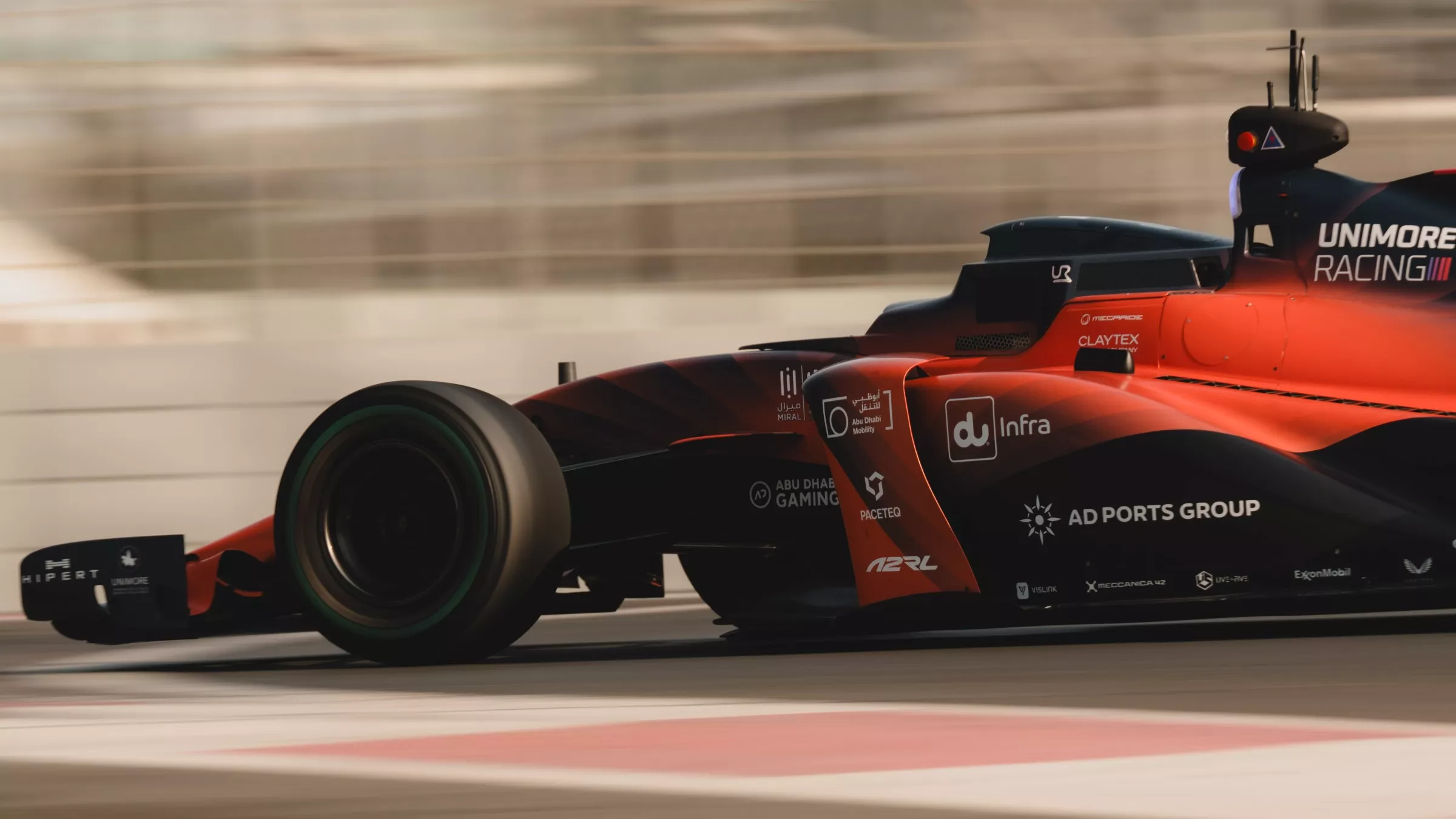
The AI racing car of Unimore at Yas Marina Circuit in 2025
“You could be extremely good in the prediction algorithm and not as proficient in the vehicle dynamics, so you don’t know how to make the car quick in the corner, but you’re really good in reviewing or interpreting what the opponents are doing and how to overtake them.”
To aid teams’ development, A2RL hosted a ‘sim sprint’ challenge in the months leading up to the 2025 event, to give virtual track time for teams to refine their algorithms and the chance to start claiming a portion of the $2.25 million prize pool.
That was followed up by 3,000 laps of real-world on-track testing in Abu Dhabi.
It means there’s been far more development time both in the real and virtual world in between seasons, and for some teams, the gains were in an area you might not expect.
“For many teams, the biggest [gain] - and it may be shocking to some - was the ability of going full throttle on the straightline,” Palarchi said.
“It’s something that looks very simple, but the control you need to apply to the steering actuator at speeds above 200km/h is incredible.
“So many teams last year were struggling to go full throttle and use the full power of the engine.
“A big [gain] for let’s say the teams in the midfield and at the back, was being able to refine their control and go fast.
“For the others was the optimisation of braking and cornering. Acceleration is still tricky; it’s still the part where maybe the human has the edge.
“The first year for the vast majority of the team was the learning process.
“[This year] they stepped up their understanding of vehicle dynamics and how to use the car.”
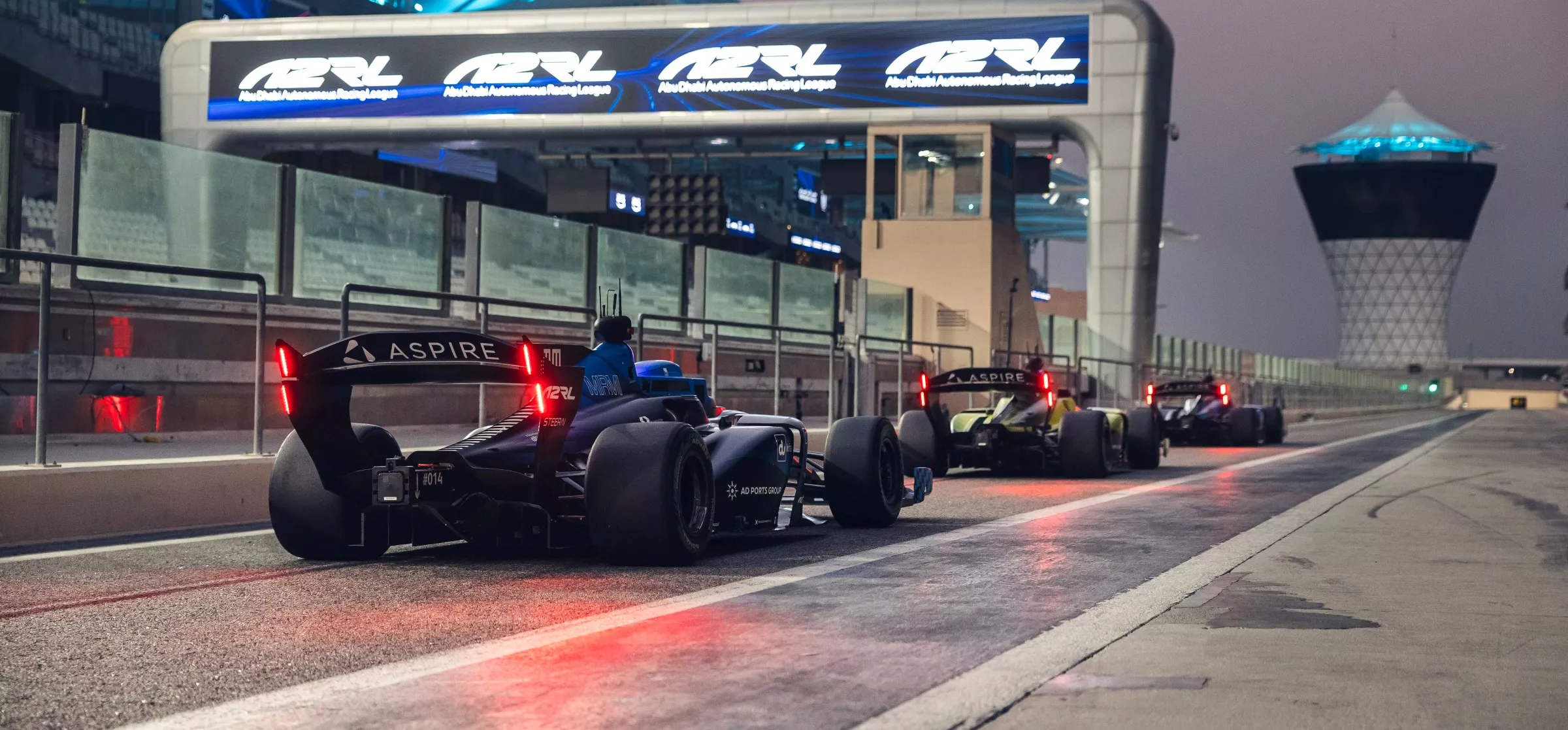
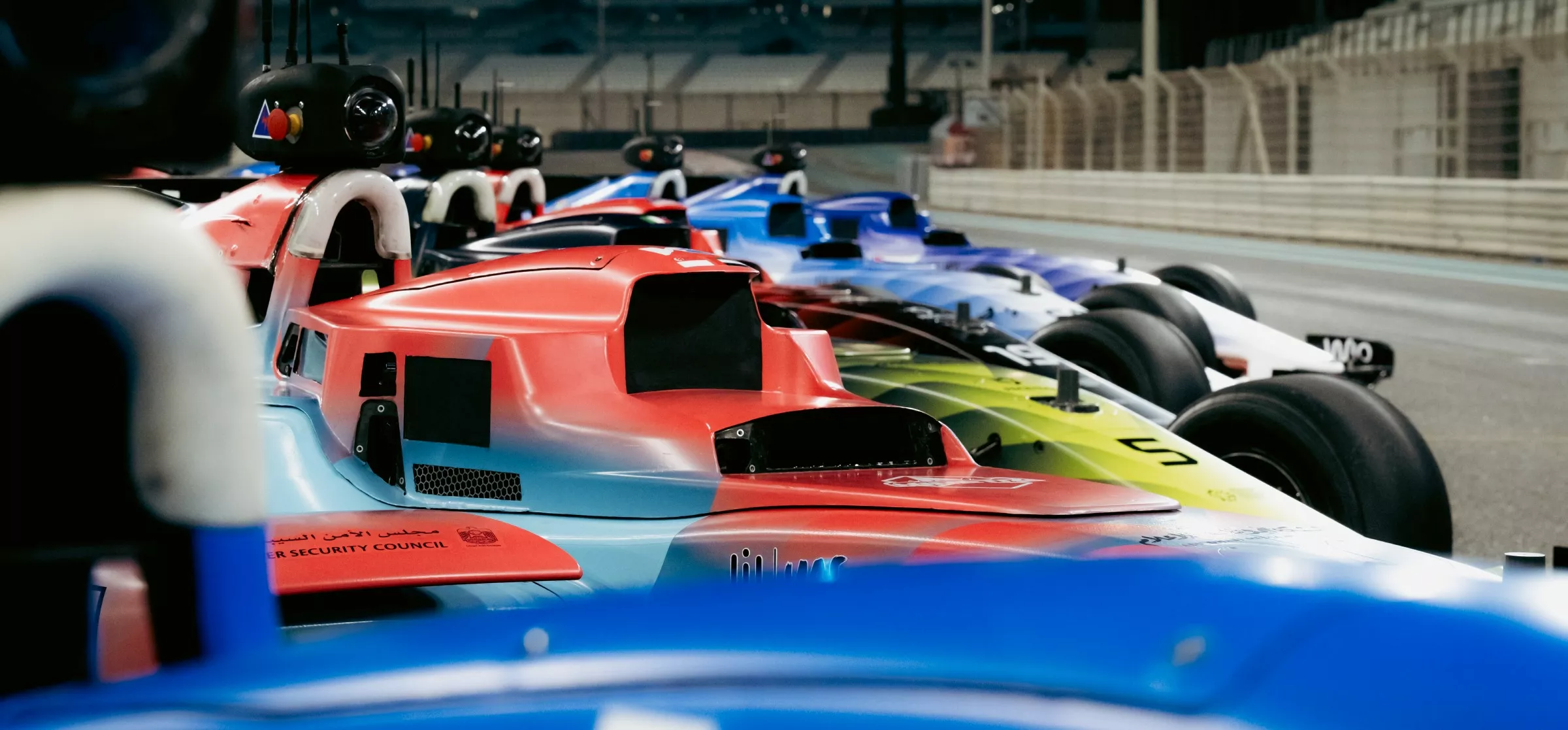
A2RL cars lining up at the end of the pitlane at Yas Marina Circuit
The next target for A2RL
The gains so far have been impressive, but A2RL isn’t content with stopping there. It will return in 2026 with further upgrades already in development.
The weaknesses are diminishing, but some do remain. One of those is a deficit to human drivers when accelerating out of corners.
“It’s because it’s easier for the driver to feel the behaviour of the car than the AI, which only relies on the sensors. It’s more complicated to have that fine feeling,” Palarchi explained to Raceteq.
“On the other hand, it’s more reliant on numbers rather than feeling, which sometimes can also be wrong.
“That’s where the technology can take a bigger step.”
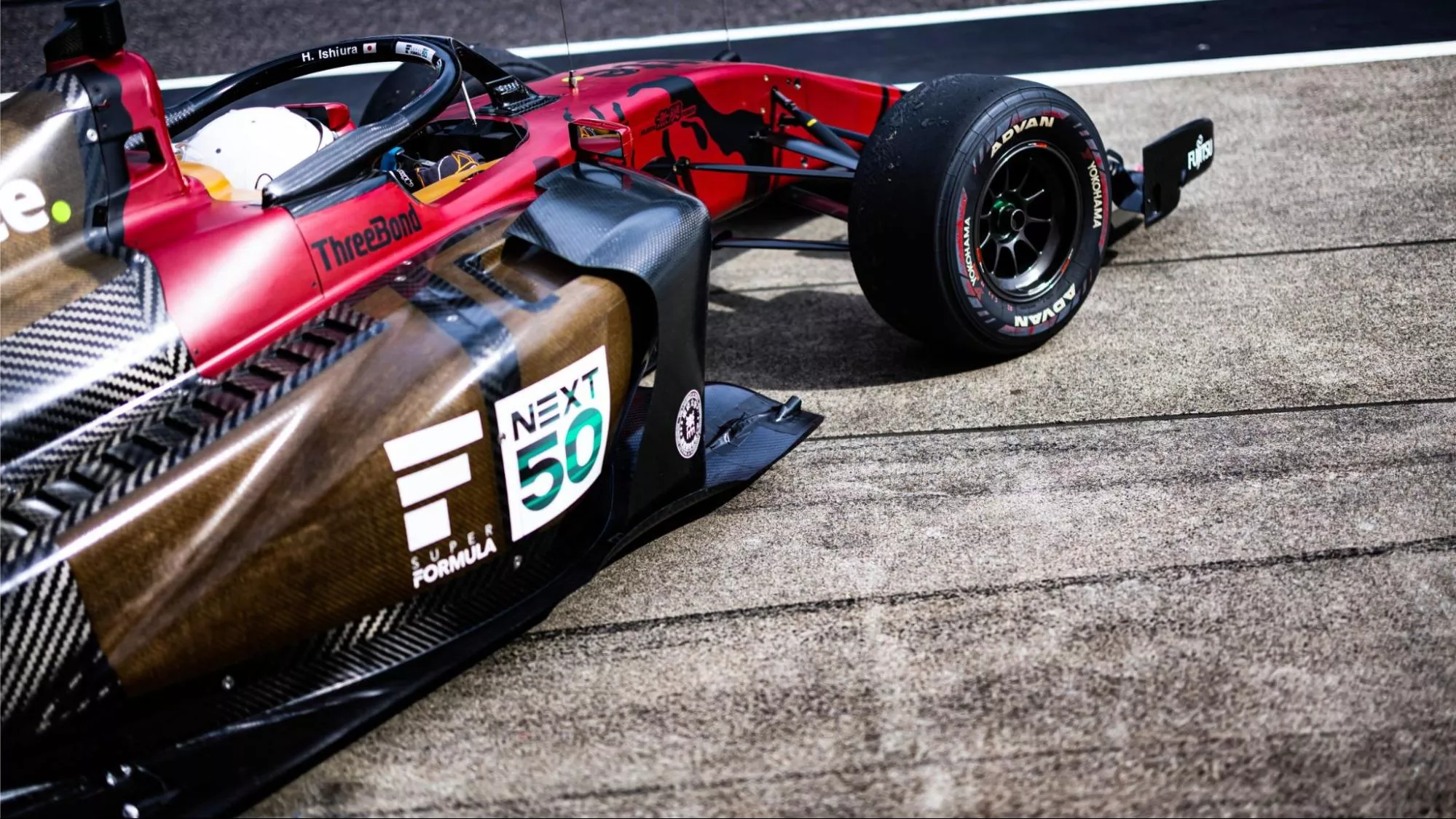
A2RL isn’t limited to just the Yas Marina circuit either. It’s already raced at Suzuka, in Japan, and there are plans to take it to other circuits around the world.
The cars aren’t following a specific GPS route for Yas Marina, so they’re capable of learning and racing at other circuits with the right amount of preparation.
Based on the progress made between seasons one and two, it’s going to be fascinating to see what kind of gains are made for season three, and how that looks in reality.