Event

Formula 1’s under-the-radar changes for 2026

by Samarth Kanal

6min read
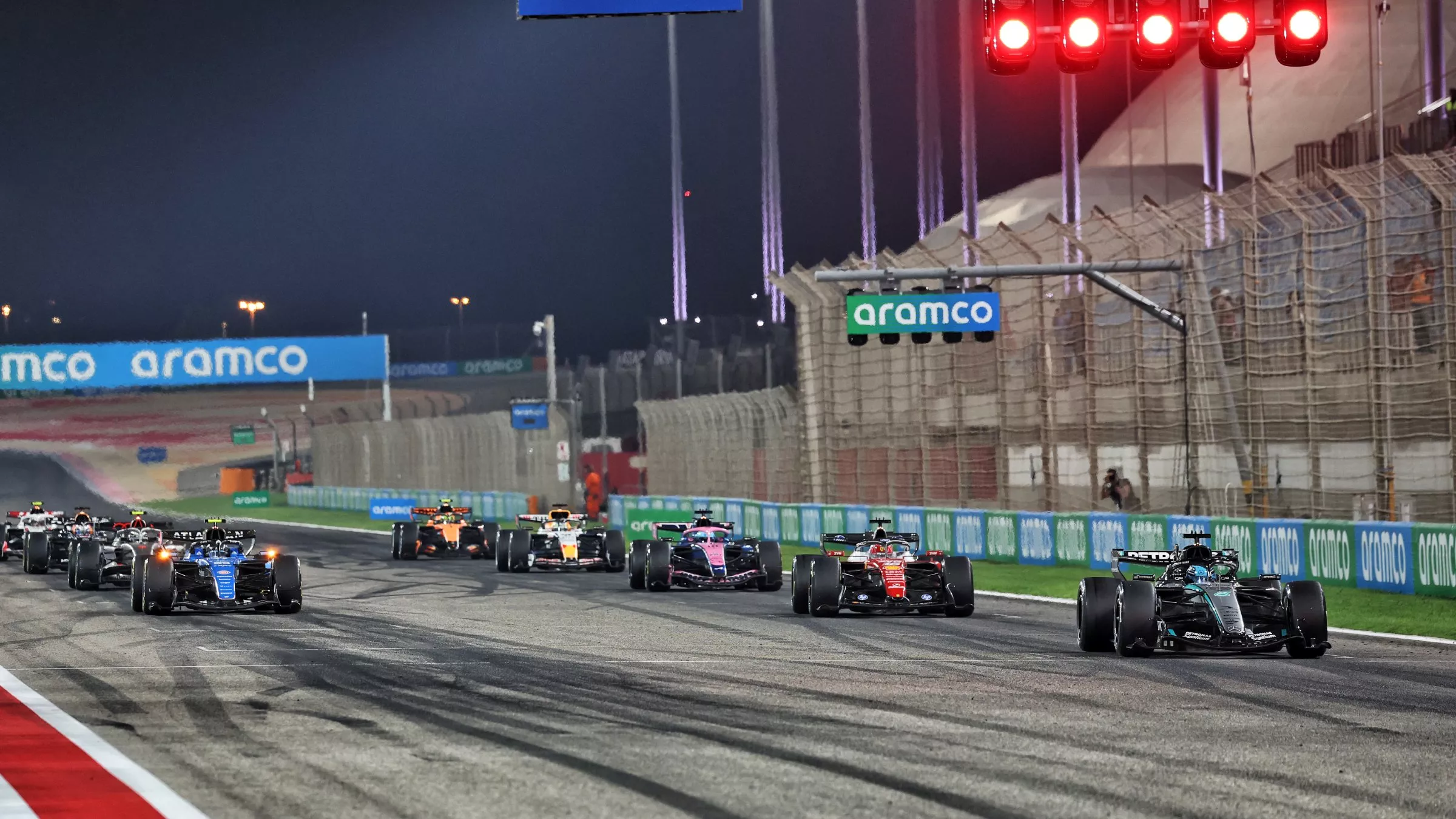
F1 car start 2026

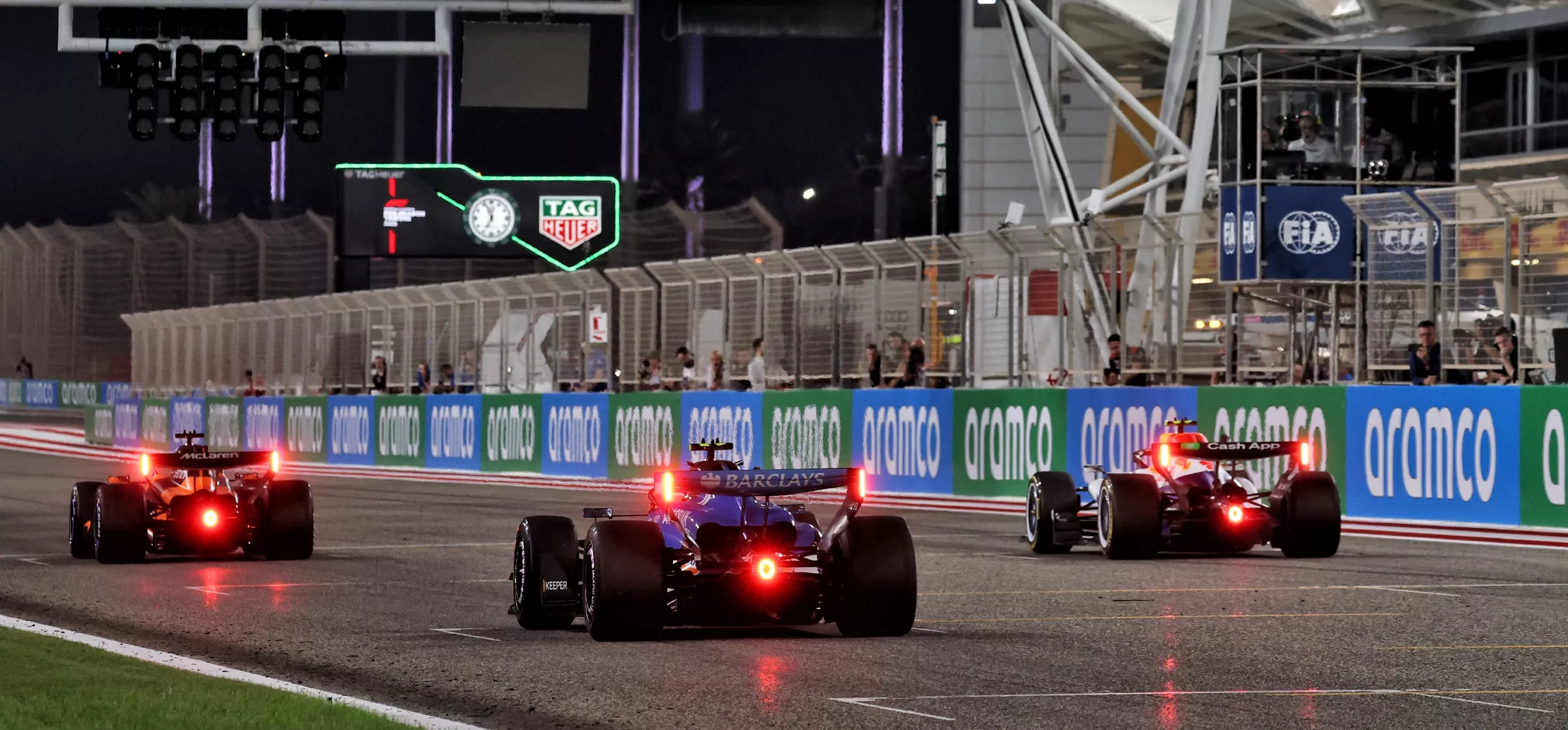
Formula 1 is all about the details and we’ve seen plenty of those in regards to aerodynamics and power units before a race has even begun in 2026 - but what about the smaller tweaks?
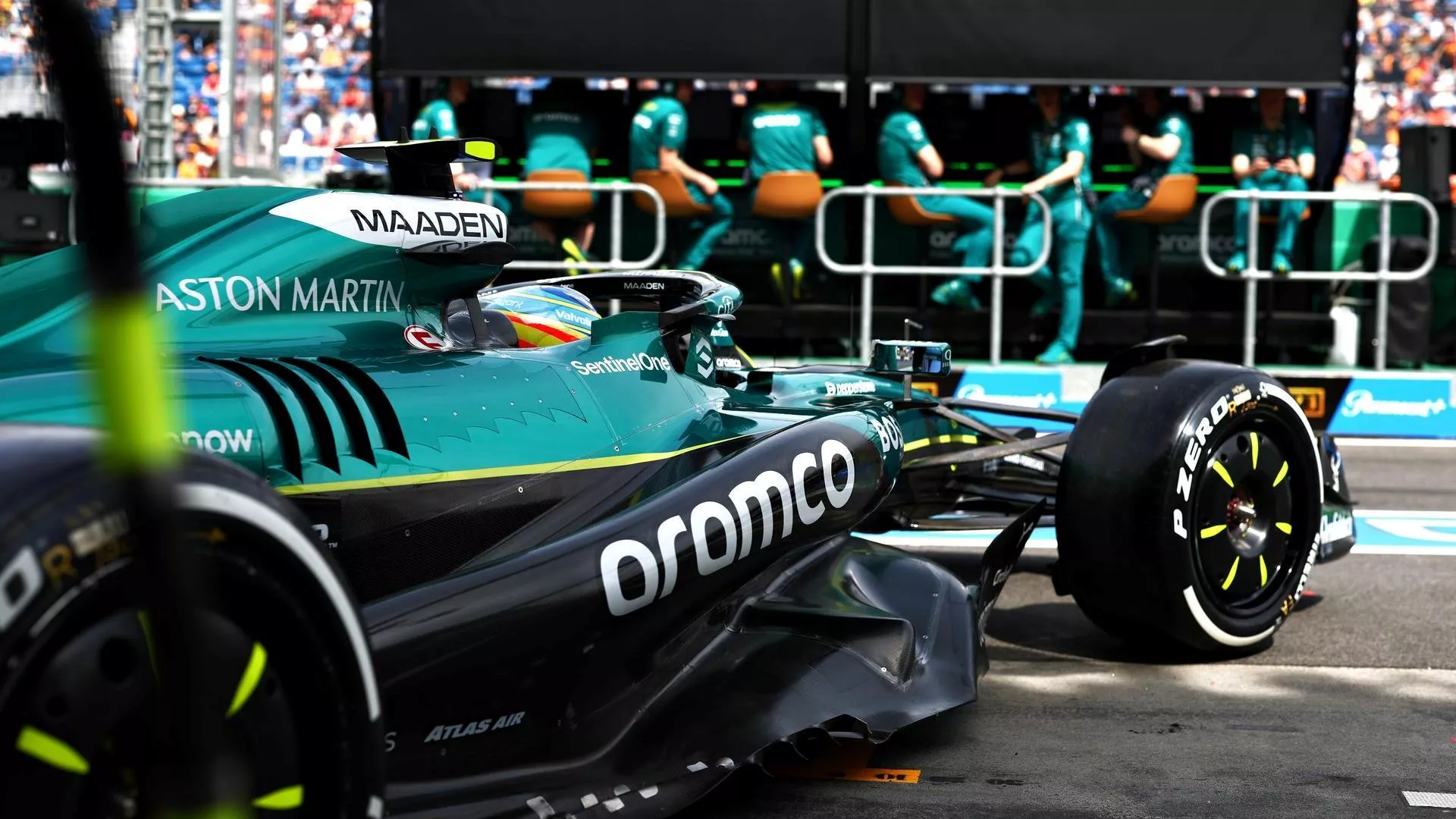
Aston Martin F1 car exiting garage

Sign up for a newsletter and we'll make sure you're fully up-to-date in the world of race technology

As the new era of F1 kicks off, it gives teams, the FIA, and F1 itself the chance to change things across the board. And while the spotlight is on the cars and drivers, we’ve spotted some under-the-radar changes from the cars themselves to the sides of the track.
 
Here’s what a first look at F1 cars during pre-season testing in Bahrain told us about F1’s latest chapter.


Different wheels

2026 F1 wheel rims

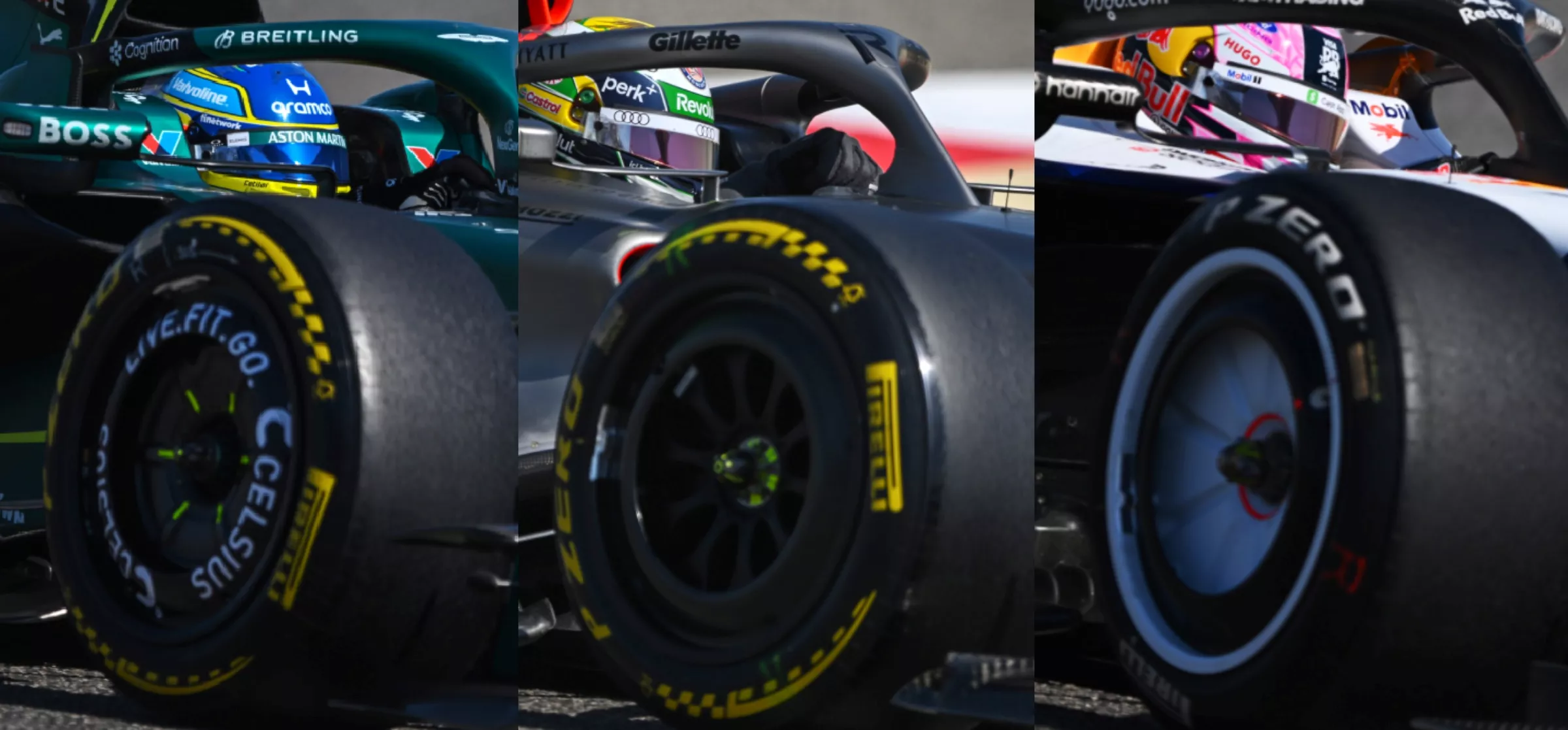
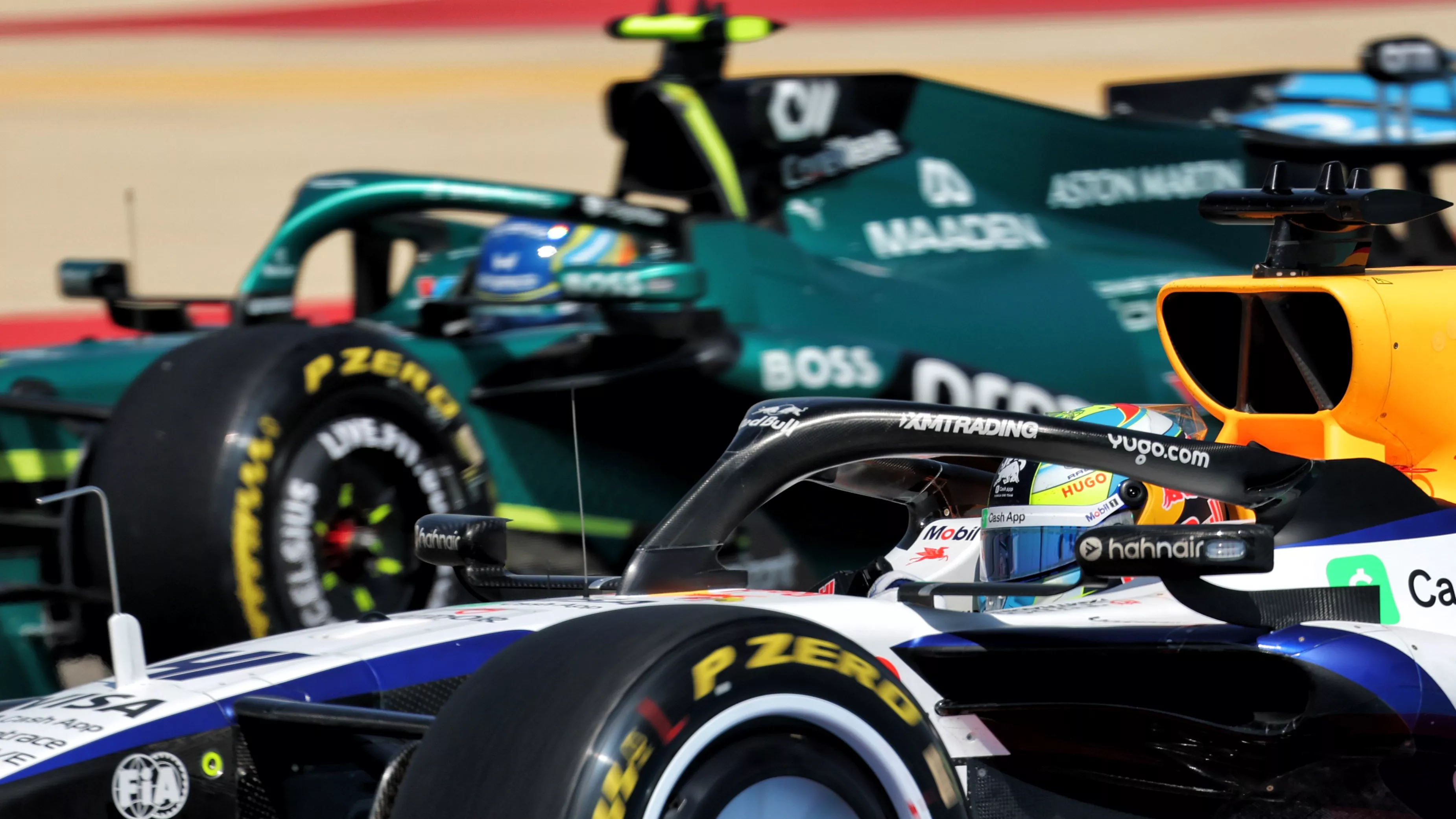
A comparison showing differing wheel designs from Aston Martin (L), Audi (centre), and Racing Bulls (R)
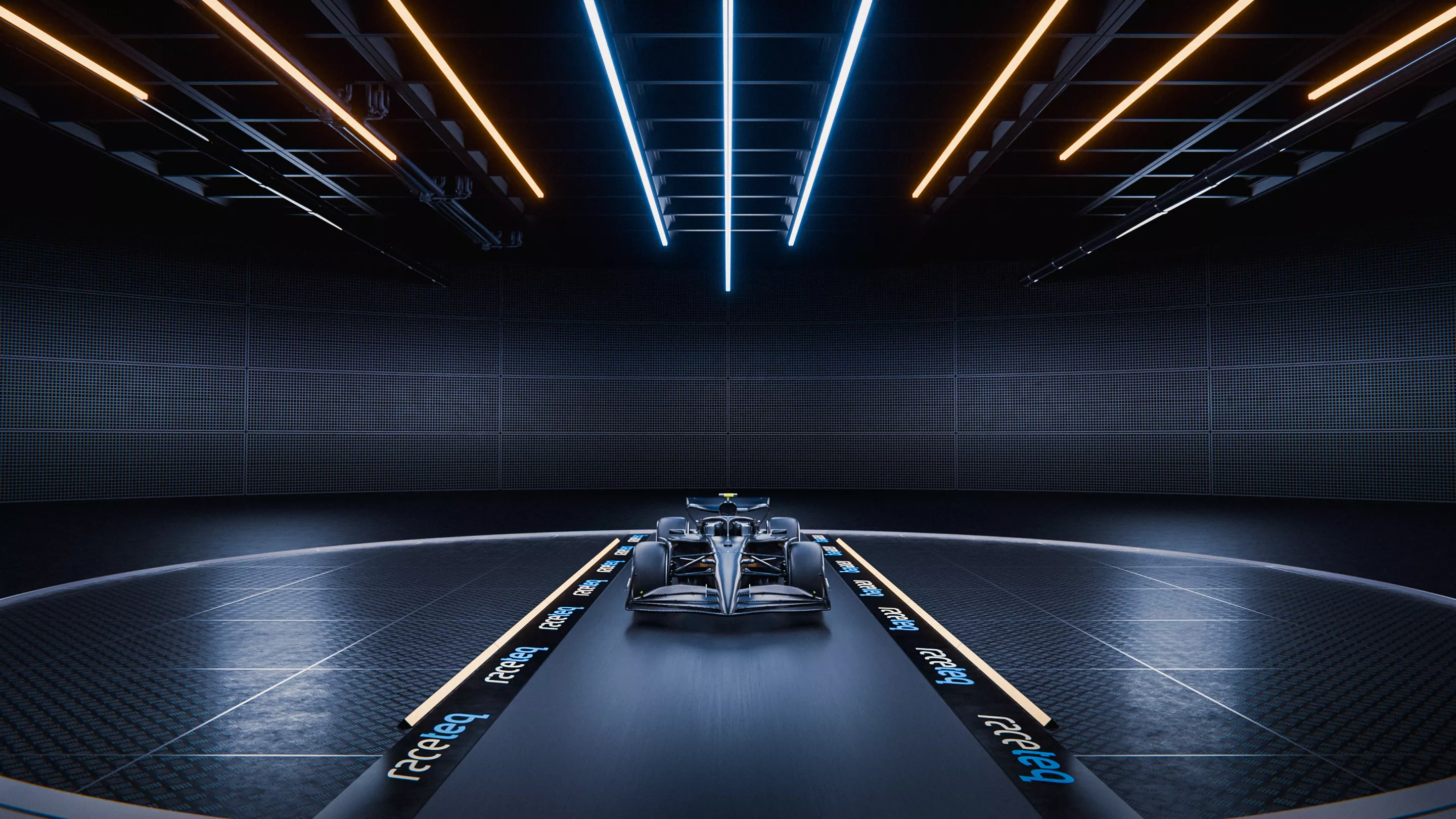
F1 car with parts next to it

Innovation, Motor, Car

The definitive glossary of motorsport technology from ABS to zylon

You might not notice this change until a car stops for a tyre change - but it’s a serious point of differentiation. 

Wheel rims were previously a standardised component in F1 in the previous era from 2022-25. From 2026, teams all have their own bespoke designs, and F1 testing gave us the first chance to see these rim designs - and they’re all very different. 

Every wheel rim is made of magnesium alloy, as per the technical regulations, but they each have carbon fibre lips that surround the wheel. These carbon fibre lips seem to do the job that the previous era’s wheel covers did: reducing drag by helping air flow over the wheels.

Wheel rims themselves play a role in cooling brakes and tyres through conductive heat transfer, where heat is also radiated through the metal rims. 

The wheel rim design is also important, therefore. As seen in the comparison above, some teams such as Audi have opted for spoked rims with gaps between the metal. Through centrifugal force, this allows air into the rim to cool the tyres and brakes. 

The design of these wheel rims had to be closely governed within the regulations as tyre supplier Pirelli had to ensure its tyres would actually fit on the wheel rim beads.
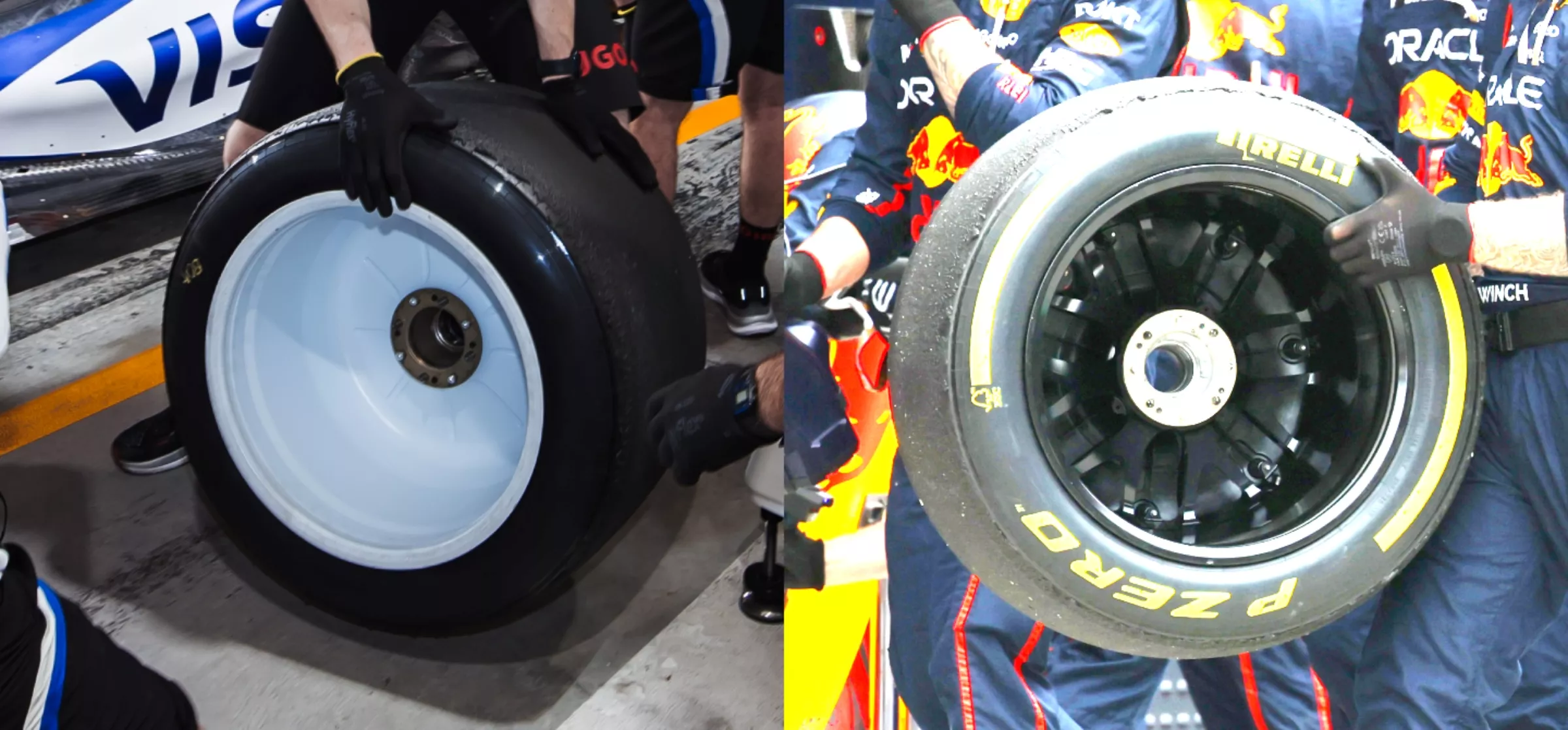
Inside of F1 wheels 2026 vs 2025

The inside of Racing Bulls’s 2026 wheel (L) compared to the inside of the standardised F1 wheel rim used in 2025 (R)
F1 cars 2026 testing

Car, Motor

Dan Fallows: Bad test, long season - how F1 teams fight back

Racing Bulls, with its solid white rims, has instead opted not to have wheel spokes. This will mean less cool air enters the outside of the rim, and no hot air will be expelled through the outside of the wheel rim. Brake and tyre cooling is instead down to conductive heat transfer through the metal wheel rims and brake ducts inside the wheel.
 
A solid wheel rim design also means that the tyres and brakes could heat up slightly faster as no cool air is allowed in - which would prove particularly advantageous in cooler conditions.
 
Teams might even commission different wheel designs from their suppliers - such as Fondmetal or BBS - depending on the expected climate at a given race.
 

New sounds

A feature that needs to be experienced - but a new feature nonetheless: this era of F1 cars sounds different. That’s because the MGU-H (motor generator unit - heat) is no longer part of the power unit. From 2014-25, the MGU-H’s role was to reclaim heat energy from the turbocharger
 
In 2026, F1 cars are now slightly louder, with a more noticeable turbocharger whine.
 
With exhaust gases freely flowing through the various pipes of the engine to the rear of the car, there is more resonance through the whole power unit. That has also increased the sound from the turbocharger, which is why that turbo whine is so pronounced from 2026.
 
There is also a noticeable rattling sound, which occurs as engines shut off cylinders at low load for efficiency and reliability. With drivers downshifting gears to keep the turbochargers spooled up, this sound is more prevalent in 2026.

Coloured lights and safety lights

F1 rear light 2026

The lower light on the rear impact structure incorporates a rear camera in 2026
F1 lateral safety lights 2026

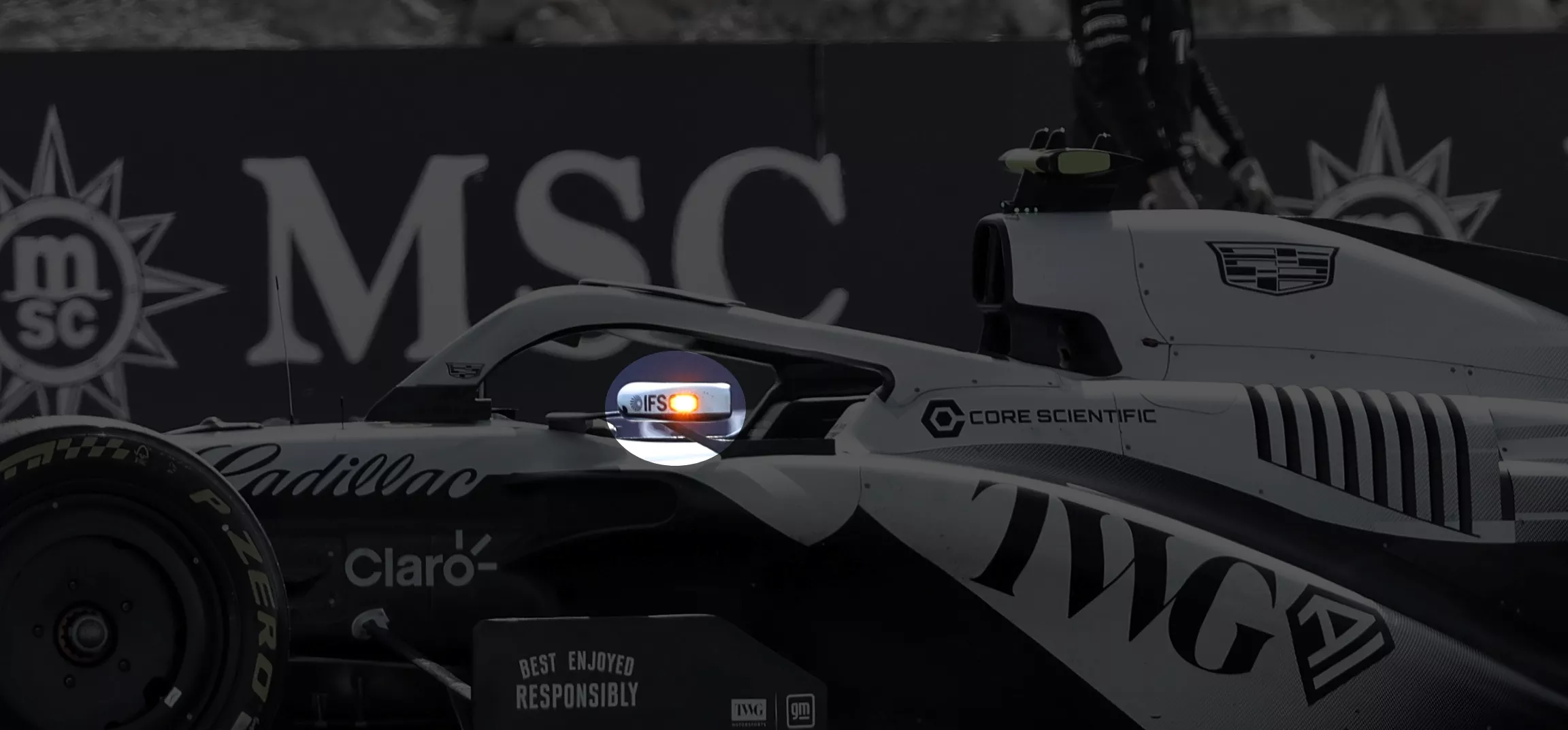
Lateral safety lights now indicate a slow or stationary car to people located at the side or front of the vehicle

The rear impact structure (RIS) light of the F1 car has undergone numerous changes. It weighs 180g less than before, and also incorporates a rear camera and microphone. 
 
The rear impact structure light now changes colours to alert following drivers, marshals, and F1 team members. A blue light means the driver doesn’t have a full FIA super licence. This light will show when teams field a driver who has not participated in more than two F1 championship races for two free practice sessions.
 
Otherwise, the RIS light will shine red, denoting recharge and energy management modes. One slow, regular flash means that the MGU-K (motor generator unit - kinetic) is delivering less than the maximum 350kW. Two repeated flashes mean the MGU-K is not delivering any power. Multiple rapid flashes mean the MGU-K is recharging while the internal combustion engine (ICE) is at full load.
 
The red light also flashes to denote: a safety car, virtual safety car (VSC), low grip conditions or when intermediate or wet tyres are fitted, anti-stall, false neutral, speed limiter, engine stopped, car going through a double yellow sector, and car going slower than 20km/h.
 
Lights on the rear wing follow the pattern of the RIS light.
 
Furthermore, new lateral safety lights mounted on the wing mirrors activate when a car is going less than 20km/h out of the pitlane or when the car is stopped in neutral.


New safety features

F1 T Can 2026

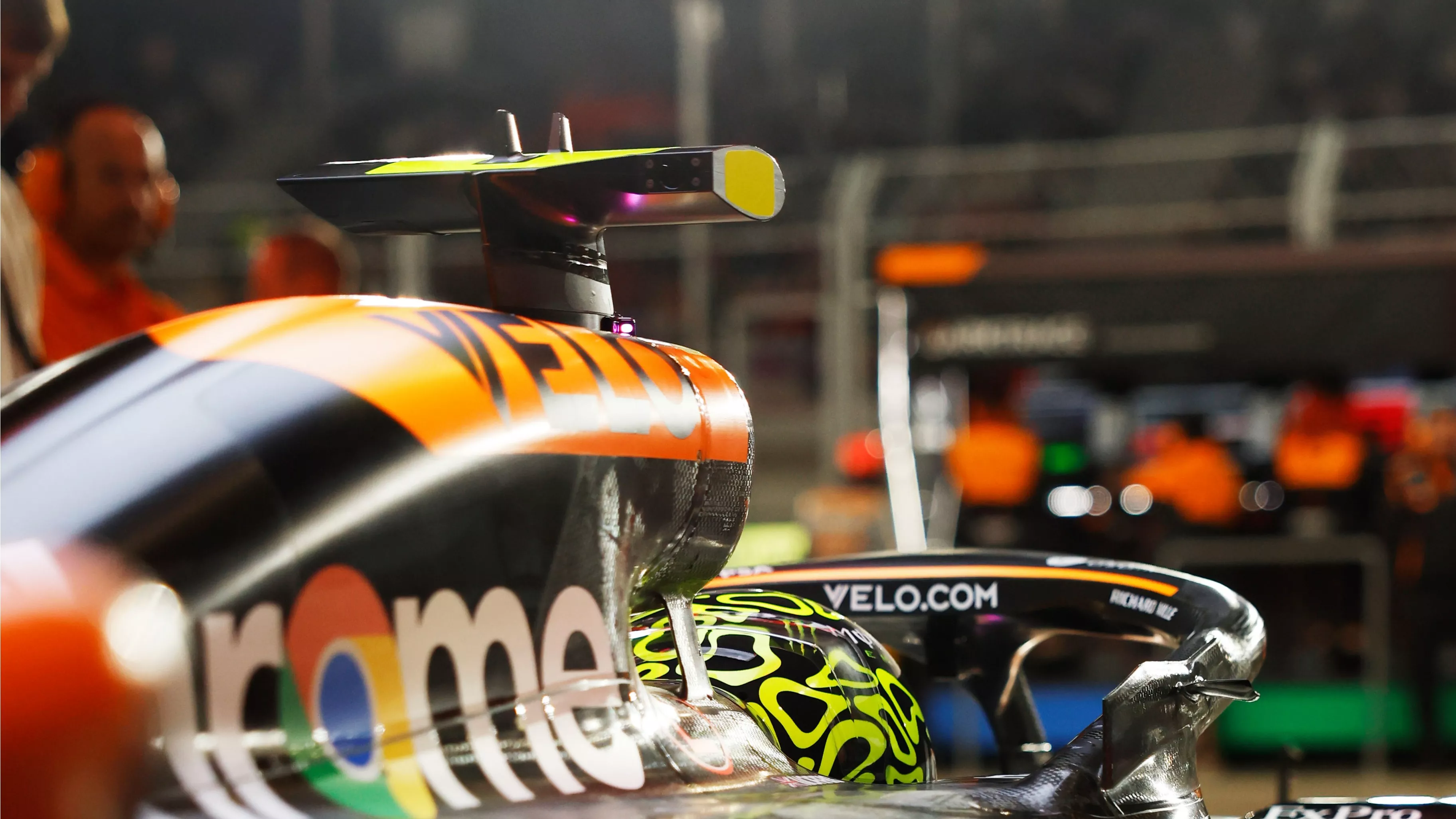
The T-cam has changed in 2026 but the roll hoop underneath is also stronger - and there are more invisible changes
McLaren F1 car T Cam

Innovation, Future

10 things you didn’t know about the F1 T-Cam

The T-cam on top of the F1 car now has three antennae instead of two, to support a higher bandwidth for faster telemetry and broadcast transmission.
 
A number of safety enhancements have also been incorporated for 2026.
 
The FIA says energy absorption from the nose has been increased by 14% in 2026. Furthermore, another break point has been added to the nose to provide extra energy absorption in case of a second impact. 
 
The roll hoop above the driver’s head also now has to withstand 20% higher forces.
 
Furthermore, the chassis has a zylon layer to protect the sides of the fuel tank from impact. Zylon is the same material used in the strip above the driver’s helmet visor to protect from debris impacts.
 

New trackside boards

 
F1 SM and OT boards 2026

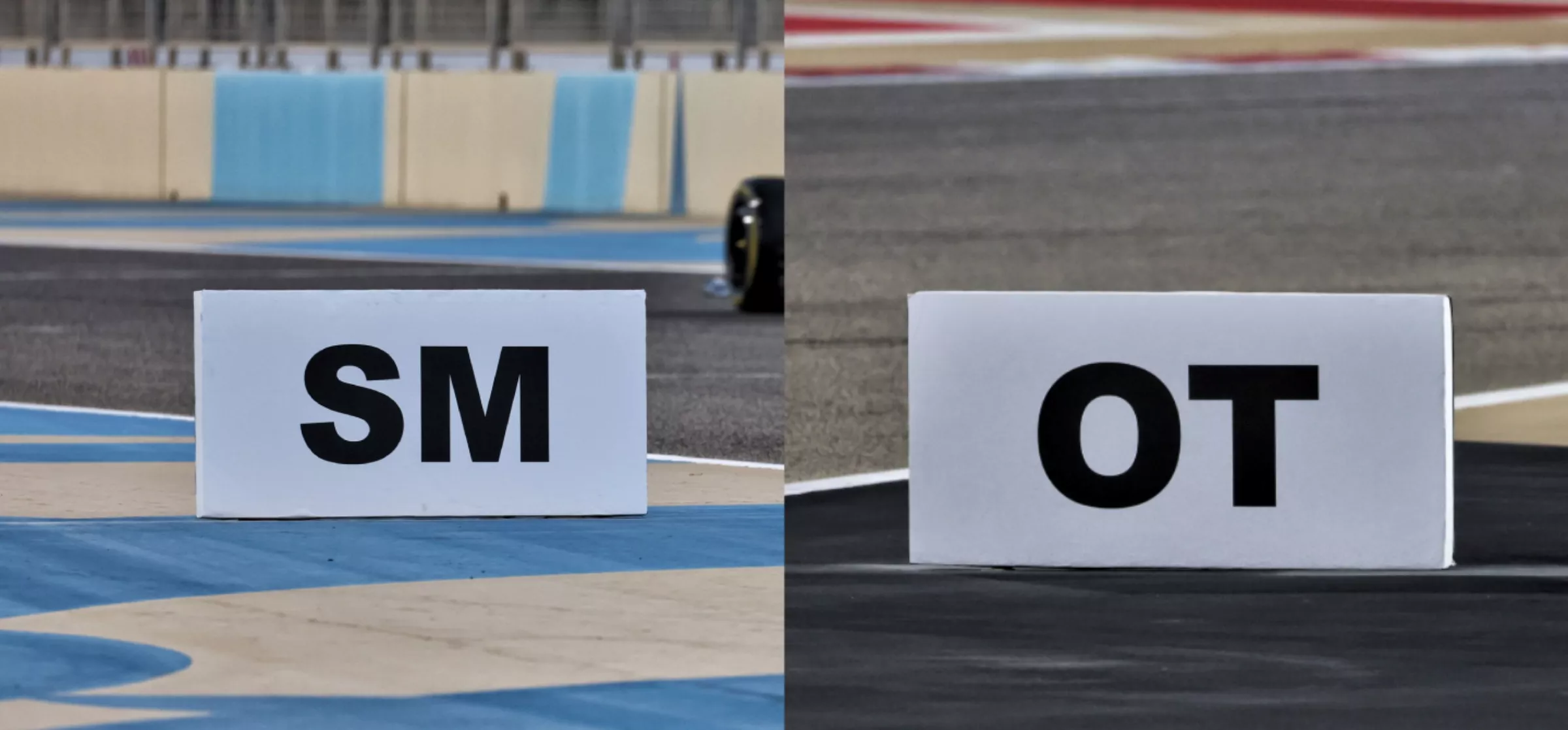
The ‘SM’ board (L) denotes straight mode, where active aero deploys to reduce drag; the OT board (R) denotes overtake mode, where an electrical power boost is available as an overtaking aid
Gone is the drag reduction system that has been F1’s overtaking aid since 2011. Now, with active aerodynamics reducing drag on the rear and front wings of the F1 car, tracks will be adorned with boards that say ‘SM’ and ‘OT’.

SM stands for ‘straight mode’ - the official term for when the front and rear wings shift positions to reduce drag. Corner mode, when the wings are in their normal positions offering optimal downforce, is the default.

Boards that say ‘OT’ sit trackside to denote when overtake mode is available. This mode denotes when drivers are able to deploy extra electrical energy to overtake other drivers. 

This is the true replacement for DRS. The driver deploying overtake mode needs to be within one second of the car in front at the detection zone (the OT board) but, unlike straight mode, overtake is not restricted solely to straights.

DRS boards will likely return, however, as Formula 2 and Formula 3 share the track with F1 on up to 14 weekends in 2026. 

It’s clearly all about the detail. F1 2026 brings a host of subtle but meaningful changes - from bespoke wheel rims and new sounds to smarter safety lights and active aero boards - that quietly reshape the sport beyond the headline-grabbing car and engine overhauls, and will undoubtedly make a huge difference to F1 fans all around the world.

Related articles

Max Verstappen and his sim

Innovation

Verstappen's obsession with details and his elite motorsport simulator: 'That kerb should be 5 cm higher'

2026 preseaason F1 testing

Event, Car

Everything you need to know about 2026 Formula 1 pre-season testing

Sign up to receive regular newsletters and ensure you stay ahead with exclusive articles on technological innovations and valuable insights into the world of motorsport

Make sure you're fully up-to-date in the world of race technology

By signing up, I acknowledge that I have read and understood the content of the