Car
Dan Fallows: Bad test, long season - how F1 teams fight back
by Dan Fallows
7min read

Everyone involved in a Formula 1 team, including the fans, gets excited about a new season. With a new set of regulations, that feeling is amplified even further. Once testing gets going however, the reality starts to emerge…
Sign up for a newsletter and we'll make sure you're fully up-to-date in the world of race technology
Inevitably, some teams will be disappointed, knowing that they have work to do to make their cars reliable and competitive. This can sometimes become obvious from the first time the car turns a wheel - or fails to - or it may be a few days into testing before the harsh reality shows itself.
This year, there are plenty of reasons to expect teams to struggle. The complexity of designing and integrating an entirely new power unit cannot be overstated. Almost nothing will be carried over from previous cars, and each new component brings a chance for it to fail or underperform. Of course, every team will have anticipated this and tried to simulate and test everything they can.
Gearboxes will be flung around, whilst spinning at race speeds, to simulate the oil flow conditions the car will see on track; cars can be shaken on ‘7-post rigs’ or ‘shakers’ where they are bent on special rigs to evaluate stiffness, and each component is tested to destruction.
In recent years, more teams have used ‘virtual test tracks’, which are whole-car rigs that allow the power unit and gearbox to drive as though on a circuit. Wheels are spun as well and brakes are used as they would be in reality. Whole race events can be simulated like this to put the complete car system through its paces.
.webp?cx=0.5&cy=0.5)
F1 cars are put through their paces before the season through shaker rigs and virtual test tracks - but there’s no substitute for real-life testing on track
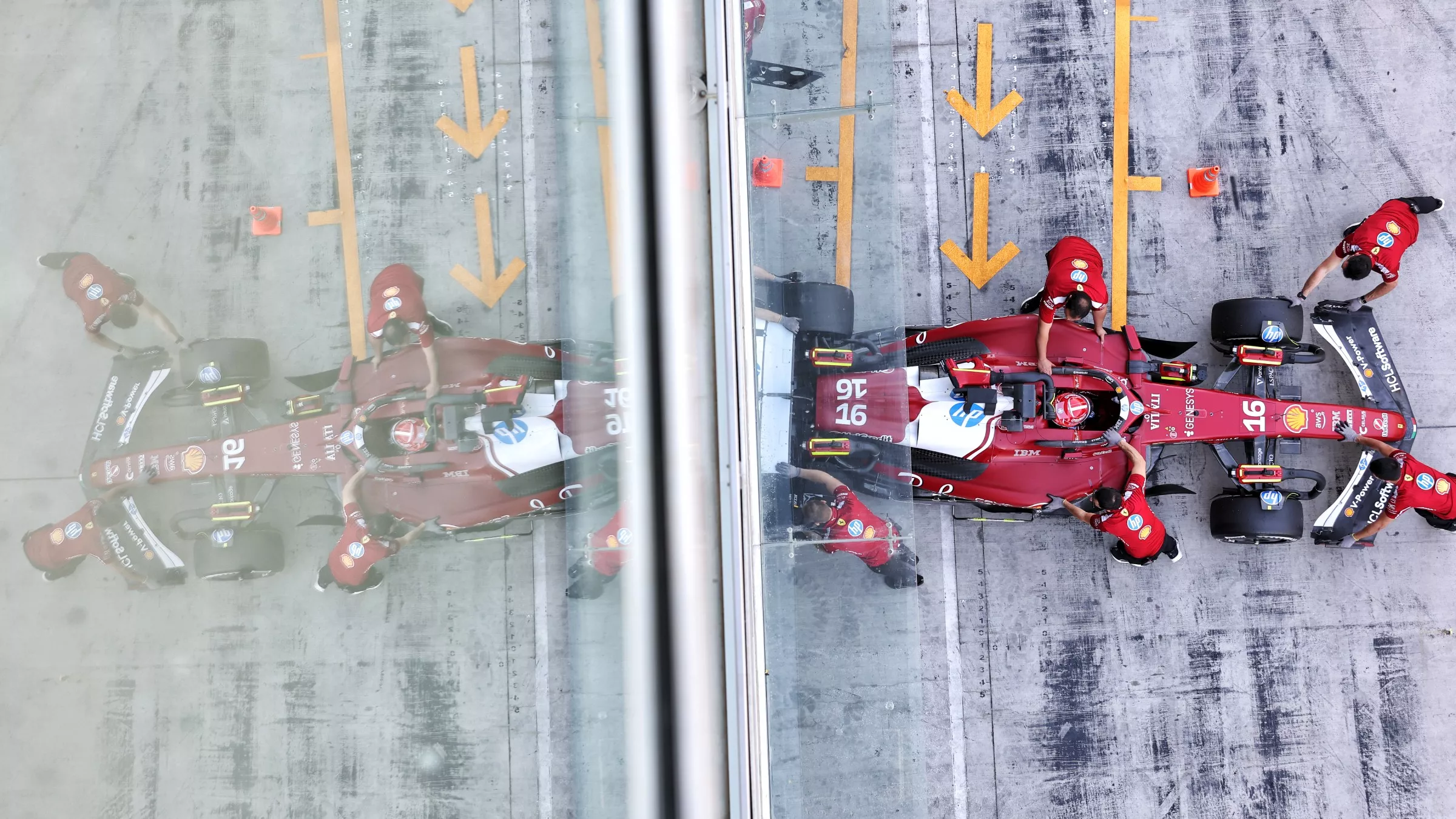
But, no matter how sophisticated the machines used for this offline testing, they cannot simulate the same environment that a car sees. Often, vibrations and high g-forces combine to cause failures that simply could not have been anticipated or simulated. For 2026, teams have been able to complete three tests to allow the maximum time to diagnose and fix these issues. And as we have seen, some problems remain.
Assuming one team’s car is reasonably reliable, the other primary potential source of disappointment is the relative performance. No one knows for sure what other teams are doing and whether they are revealing their true pace, but a reasonable picture emerges towards the end of testing. Most drivers will do whole race simulations, to get them and the team into the right frame of mind. That is a good time for other teams to see how the car performs on a representative race fuel load and compare it to their own.
We can now see who will be fairly content with the machine they have created and those who are likely wishing they had access to someone else’s car. The top four teams look to be (in no particular order) Ferrari, McLaren, Red Bull and Mercedes, with the remainder of the field clearly behind - but in an order that remains to be seen.
For a team like Cadillac, its position at the back of the grid is unsurprising and nothing for it to be concerned with.
In fact, creating a car able to perform to the requisite level is a huge undertaking for a new team and it should be proud of its achievement.
.webp?cx=0.5&cy=0.5)
Cadillac might find itself towards the back of the grid, but it has achieved a lot by producing a car on time and testing it without too many fundamental setbacks
For others, however, they will feel they are not where they want to be.
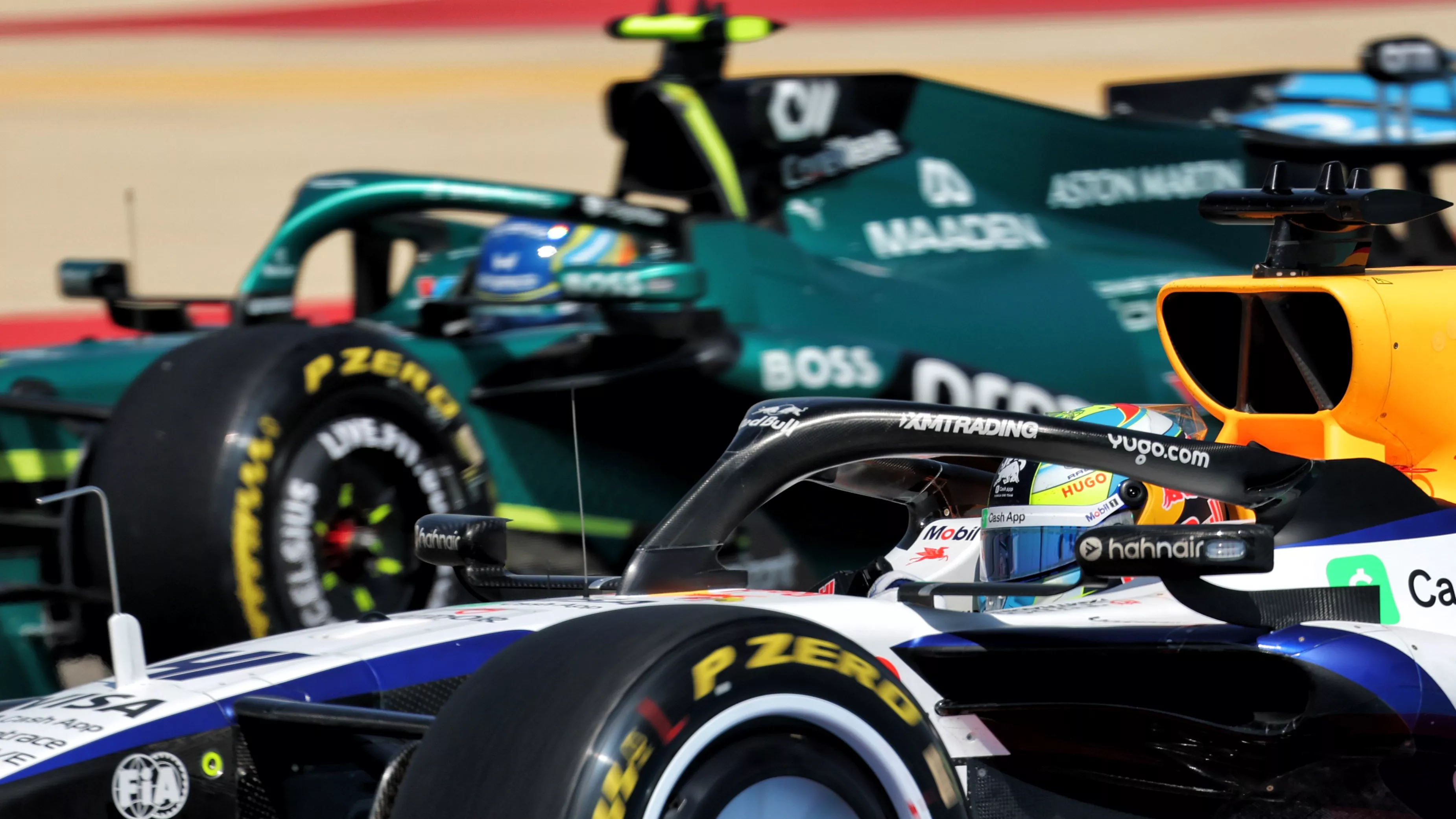
Williams missed the Barcelona shakedown entirely, and Aston Martin was only able to run for a handful of laps on the last day in Spain. It may publicly downplay the significance of that, but missing any amount of precious testing time is far from ideal.
I have never worked on a car that failed to make a test - but I’ve come close many times. In the early 2010s, with Red Bull we had an unfortunate habit of releasing front wings and front impact structures from aerodynamics to the design office very late.
This put huge pressure on the system, particularly as the design parameters were difficult to achieve within the given surfaces. The final part of the chain was the crash test, where the front impact structure was destroyed in a simulated impact to measure its ability to absorb energy. We failed a number of these tests, each one meaning that the structure had to be redesigned.
One year, this got so late that the car was in danger of missing the first race, let alone testing. Fortunately, the structural and composite designers worked their magic and we received the thumbs-up just in the nick of time.
If a significant part of the car fails one of its tests, like the chassis for example, that can sometimes require such a major redesign that a long delay is inevitable. There is usually no slack at all in the manufacturing plan, as engineers want to keep developing the car for as long as possible, so time cannot easily be found.
Once the car is late, it has knock-on effects on further plans as well. Teams will want to bring a major update either to the last test or to the first race; this can itself be adversely affected if there simply isn’t the capacity to make sufficient parts.
.webp?cx=0.5&cy=0.5)
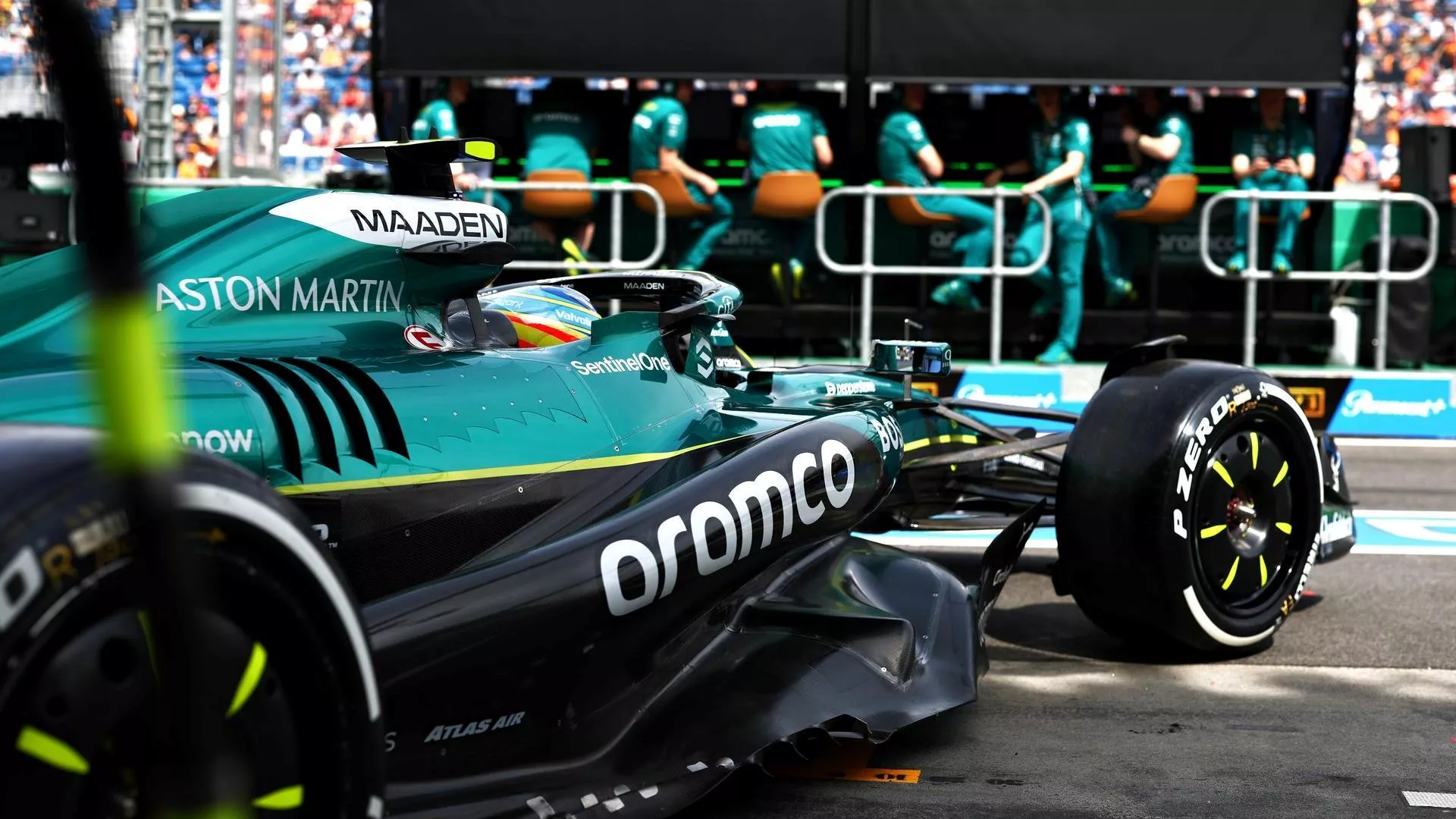
Aston Martin has encountered numerous issues throughout pre-season testing
No one wants to start a season in that situation as it can take months to get back on track again. Meanwhile, your competitors who have been enjoying smooth sailing are all set to begin an aggressive development programme.
But if we have had a bad test for one reason or another, our pre-season expectations have been dashed and the car is not as competitive or reliable as we were hoping, what can teams do to address the situation and even to turn a season around?
In my experience, the best results come from taking the time to properly identify and agree the problems. Way back in 2009, we at Red Bull knew from testing that the Brawn car was likely to dominate the initial races, having adopted the controversial ‘double-diffuser’ concept.
At the same time, our car lacked downforce and did not match the optimism we had going into testing. We took the time to assess the data from the car and research what other teams were doing aerodynamically. Only then did we agree on what we thought would be the most rewarding development path. Once everyone was clear and on board, the team set to work and produced the best car of all by the end of the season, setting up a subsequent four years of dominance.
.webp?cx=0.5&cy=0.5)
Brawn GP emerged as the surprise frontrunner in 2009 and went on to win the championship - but Red Bull developed its car and won the championships from 2010-13

Unfortunately, sometimes things are less clear. Correlation of track data to simulation tools can go awry, meaning that the car is not performing as expected. In that case, the team faces the dilemma of how much effort to put into resolving the discrepancy and how much into just continuing the predetermined development path.
It is frustrating to think that your car could be much faster if you could only unlock the potential it showed in the windtunnel. Sadly, it is usually the case that correlation improves in small increments rather than in one moment of clarity. That’s the reason that engineers tend to dread the onset of correlation problems; they almost always signal the start of months of painstaking and frustrating work.
For a team like Aston Martin, which struggled this year with reliability in testing, it will need to be particularly disciplined. It is rare that one component or system can be blamed for the car stopping on track multiple times.
Instead, every fault and concern will have been logged and allocated to an engineer to take responsibility for correcting them. Unfortunately, these lists are long, even on an otherwise reliable car. Prioritising the right items and leaving the others to later is an important exercise with limited resources. Ultimately, the message to the designers needs to be this: here are the critical bits to fix, let’s get them sorted as soon as possible.
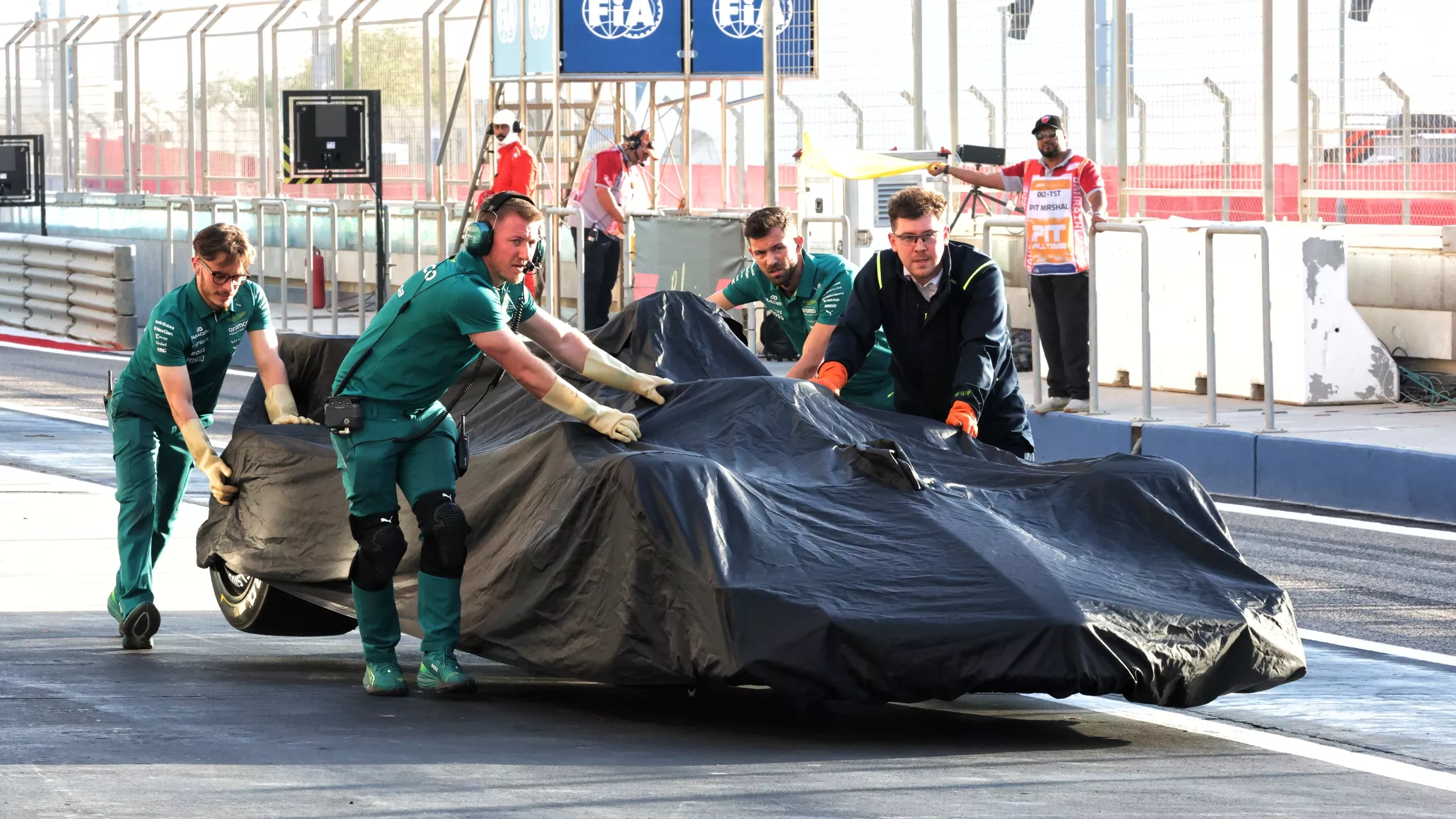
The Aston Martin AMR26 being recovered back to the pits on day two of the second Bahrain pre-season test
Making matters worse for a team struggling at testing is the effect on the team’s morale. Winter is an incredibly busy time and the technical and manufacturing staff will have been working longer hours than usual for a number of weeks. Tired and disappointed, they will then be asked to step up their effort again, in order to get the car’s performance or reliability back on track.
Even for the most optimistic of team members, the chances of making significant progress in short order will seem slim. This is where the technical management needs to step in. A plan needs to be communicated that everyone can believe in, with a clear view to a better car.
Recent history helps in this respect. In the previous regulations, we at Aston Martin managed to turn what was at times the slowest car in 2022, into a regular podium finisher in 2023. McLaren achieved a similar feat within the same season in 2023 - and it went on to win championships.
Teams that are far away from where they would like to be competitively will look to those stories for inspiration and motivation.
Testing is meant to be just that: a chance to find and iron out problems with the car and find a good starting set-up. In reality it represents much more to F1 teams. Starting, as Mercedes has done, by running almost metronomically right from the outset is a clear statement of intent. It highlights that the car is well designed and the team are now concentrating on maximising its performance.
To other teams, particularly those struggling with issues, it brings their plight into sharp relief. But people in F1 don’t give up easily. Successful teams will use a bad situation to sharpen the mind, make any necessary changes, and get on with the job of chasing after the faster teams. Let the racing begin.