Motor
How the FIA polices F1’s engine war with ADUO
by Matt Grant
7min read

The first ADUO - Additional Development and Upgrade Opportunities - window of 2026 has opened, with Ferrari having brought an engine upgrade package to the 2026 Austrian Formula 1 Grand Prix. But what is it actually like to upgrade an engine and have it inspected by the FIA?
/xpb_1408348_hires-(1).webp?cx=0.5&cy=0.5)
Motor
ADUO explained: F1’s engine catch-up mechanism in full
This ADUO window is one of a number of opportunities for the manufacturers to make changes aimed at improving the performance of the ICE (internal combustion engine). This then will allow the other manufacturers to catch up with what the FIA determines to be the benchmark ICE, which for this ADUO window is the engine produced by Red Bull.
The system works by monitoring the Internal Combustion Engine (ICE) performance of each power unit manufacturer at defined points throughout the season. The FIA generates an ICE Performance Index, calculated using input shaft torque, engine speed, MGU-K (Motor Generator Unit - Kinetic) power output, and a weighting for power sensitivity across measured laps.
Article 4 of Appendix C5 of the 2026 F1 technical regulations details how the ADUO process works. The FIA monitors the performance of each PU (power unit) manufacturer’s ICE, and for each engine the FIA will have determined what it refers to as an ‘ICE Performance Index’. The FIA then compares each ICE Performance Index with the highest ICE Performance Index measured during the assessment period and then determines how many upgrade tokens each manufacturer will be allowed.
So, what might the PU manufacturers be looking to do with these upgrade tokens? Well, the 2026 technical regulations include a lengthy table of what can and can’t be changed.
Parts that can be changed include the main ICE components such as the cylinder heads, crankcase, intake air system, auxiliary pumps and turbocharger.
Design changes to all of these parts and more can potentially improve performance. For example, the manufacturers might consider changes to the shape of the port in the cylinder heads to improve gas flow, or might want to reduce parasitic losses by making changes to rotating and reciprocating components.
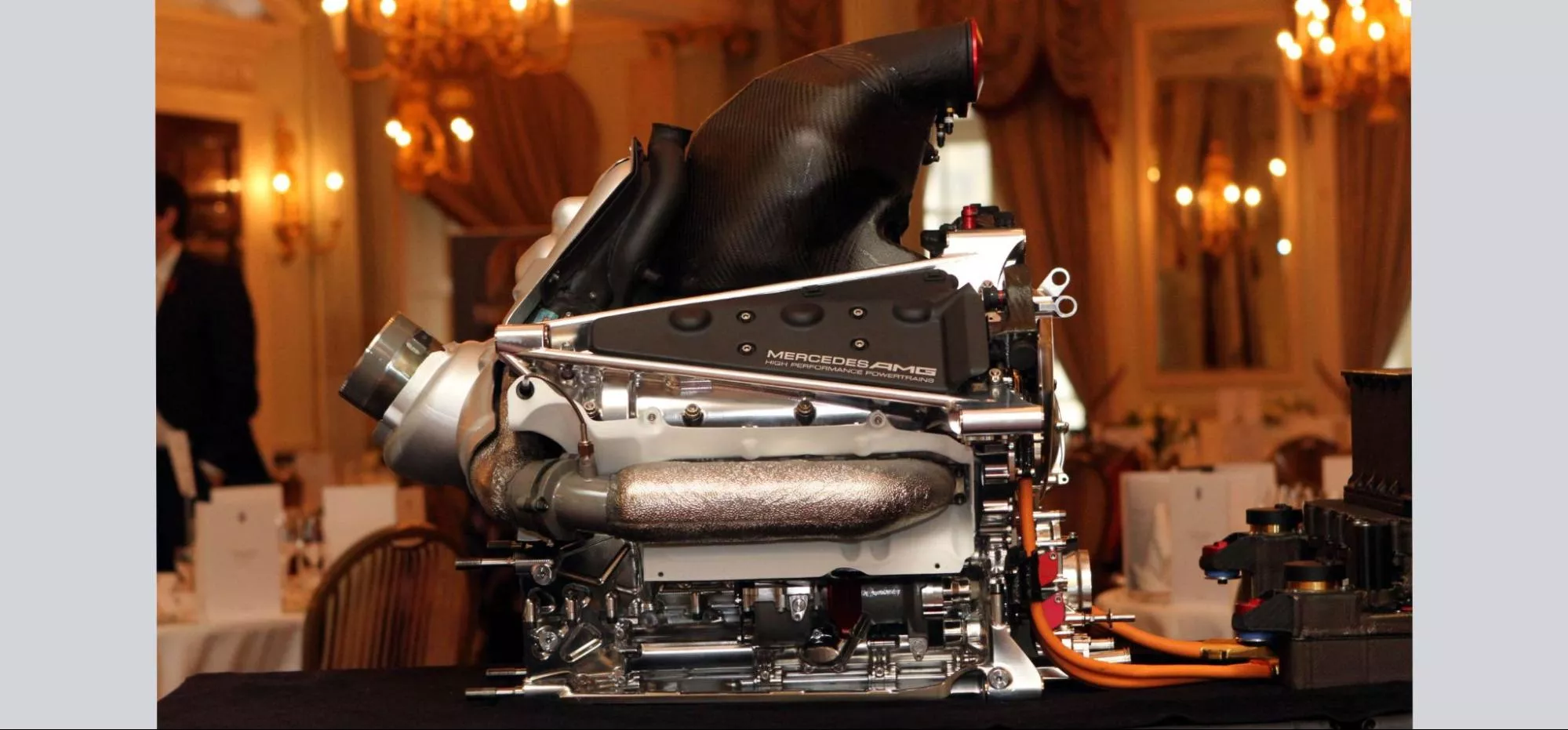
Mercedes dominated the previous era of F1 power units from 2014-2025 with its PU106A; now Red Bull has been determined to have the best internal combustion engine in 2026 by the FIA
Sign up for a newsletter and we'll make sure you're fully up-to-date in the world of race technology
What is engine homologation in F1?
As has been the case for a number of years now, at the heart of the F1 ICE rules is the homologation - a process in which the engine manufacturer submits its set engine specification - of each manufacturer’s design.
This homologation essentially stops the manufacturers from entering into the costly development arms races that we saw in the late 1990s and early 2000s. Typically, the engine design is homologated at the beginning of the latest cycle of rule changes, and for 2026 the only opportunity to increase power is via the ADUO changes.
For 2026, every PU manufacturer had to submit a homologation dossier on or before March 1.
This homologation dossier contains a huge amount of drawings, CAD (computer-aided design) models, spreadsheets and other files that will relate to the design of the ICE, plus an extensive list of the minor parts that are going to be used. This will cover the up to 4,000 components that make up a modern F1 engine.
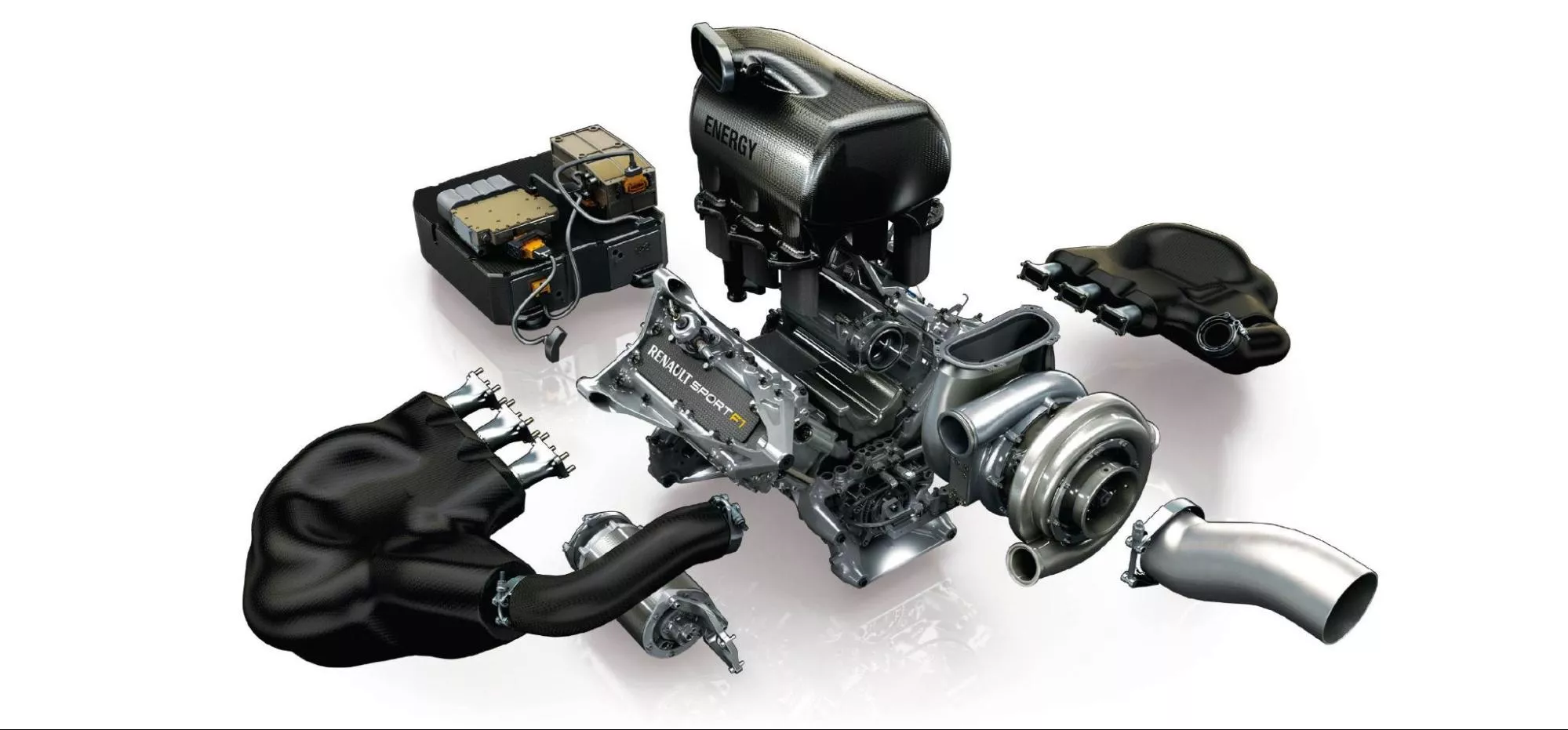
A deconstructed hybrid V6 power unit of former F1 manufacturer Renault
.webp?cx=0.5&cy=0.5)
How do manufacturers make non-performance changes to their engines?
For 2026, as before, the manufacturers will be able to make minor changes to their power unit outside of the ADUO allocation, but the reason for any of these types of changes must be for one of the following categories: safety, reliability, cost saving or supply issues.
In general, it is left to the individual manufacturers to determine what constitutes each of these categories. If they can prove, for example, that a component is failing then they can introduce a change on the grounds of reliability.
Likewise, if the manufacturer can no longer source a component from one of its suppliers, then there is scope to find an alternative supplier. In addition, benign changes can also be made such as a change in part number for housekeeping reasons.
The policing of such changes is overseen by the FIA Technical Department but is actually carried out by the manufacturers themselves. If a manufacturer wants to carry out a non-performance related modification on the basis of safety, reliability, cost saving or supply issues then they first have to submit a written report detailing the required changes to the FIA, ideally within at least 14 days before the date on which the change will be made. This request must include all necessary supporting documentation, including evidence of failures if the basis for the change is one of reliability.
If the FIA agrees that this change can be considered then it circulates this request to the other manufacturers for their review. Each manufacturer can oppose a change request, but they have to bear in mind that they themselves might need to make a change in the future, so it can sometimes be as much political as it is technical.
After receiving feedback from each of the manufacturers, the FIA will then declare if this change request is acceptable and will inform all the manufacturers accordingly.
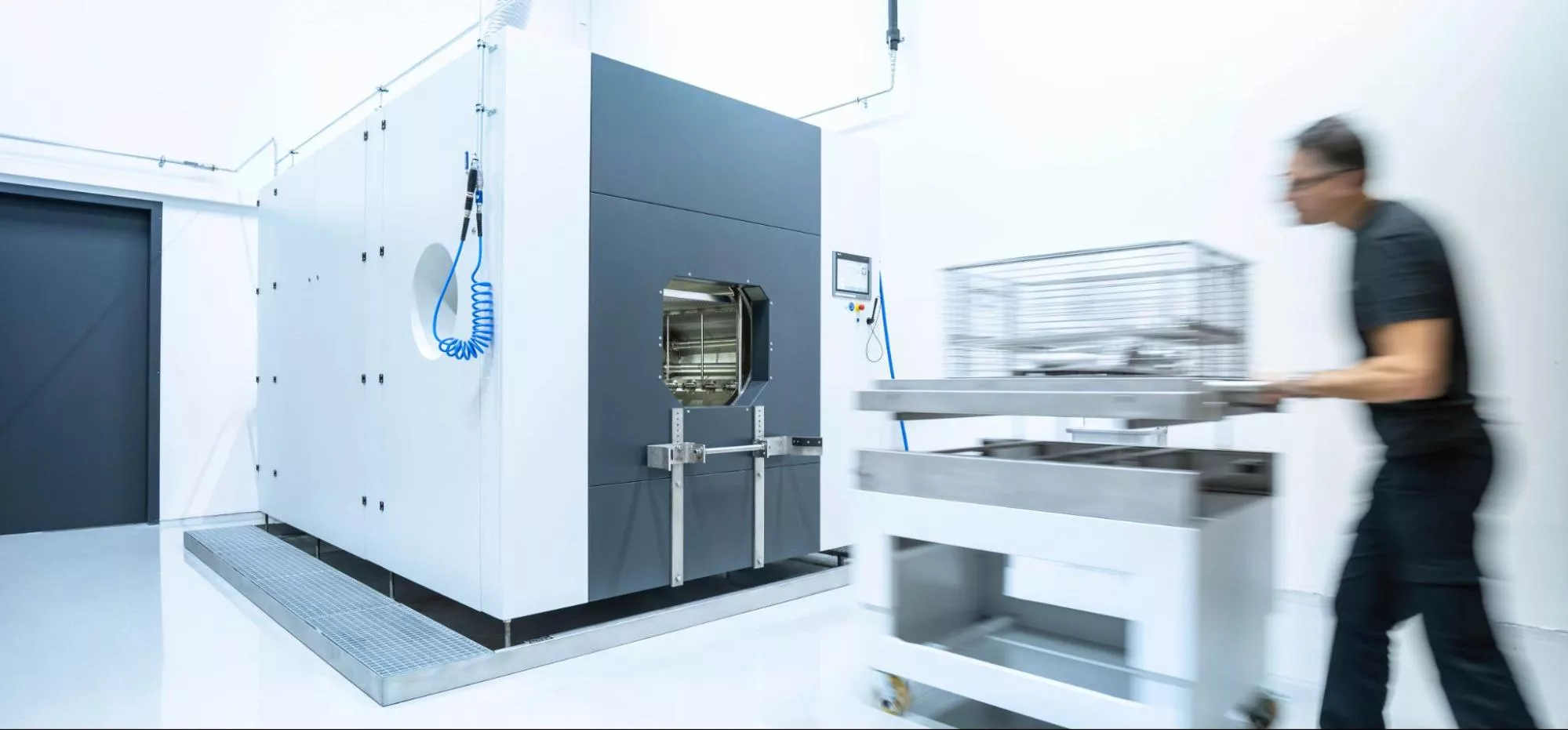
Audi Formula 1 team high-pressure washing machines - made to thoroughly clean engine components - at the team’s site in Neuberg, Germany
.webp?cx=0.5&cy=0.5)
How does the FIA inspect engines?
Before 1st April 2026 the PU manufacturers will also have had to supply an actual physical ICE, which must contain all parts that relate to the homologation dossier. This engine will remain with the FIA until the end of 2030 and is treated as a reference engine that will be called upon if necessary to ensure the compliance of engines that are raced.
The FIA can demand that an engine is removed from the race pool at any time and will then oversee the complete dismantling of this engine alongside the reference engine to ensure that there have been no unauthorised changes.
As the the project & operations manager at Cosworth for the last few years of the naturally aspirated V8 era up until the end of 2013, and one of my jobs was to liaise with the FIA on all homologation matters for the CA2010 engine.
It was quite rare for the FIA to demand that a race engine be stripped down to its components, as it can be very time consuming and disruptive to all involved. We only had to do it once in the 4 years of the CA2010’s life at Cosworth.
Do you remember that iconic moment in 2010 when Rubens Barrichello, in the Williams-Cosworth, outdragged Michael Schumacher in the Mercedes down the straight at the Hungarian GP? It obviously caught the eye of the FIA, who requested that we strip the engine back at base next to the reference engine.
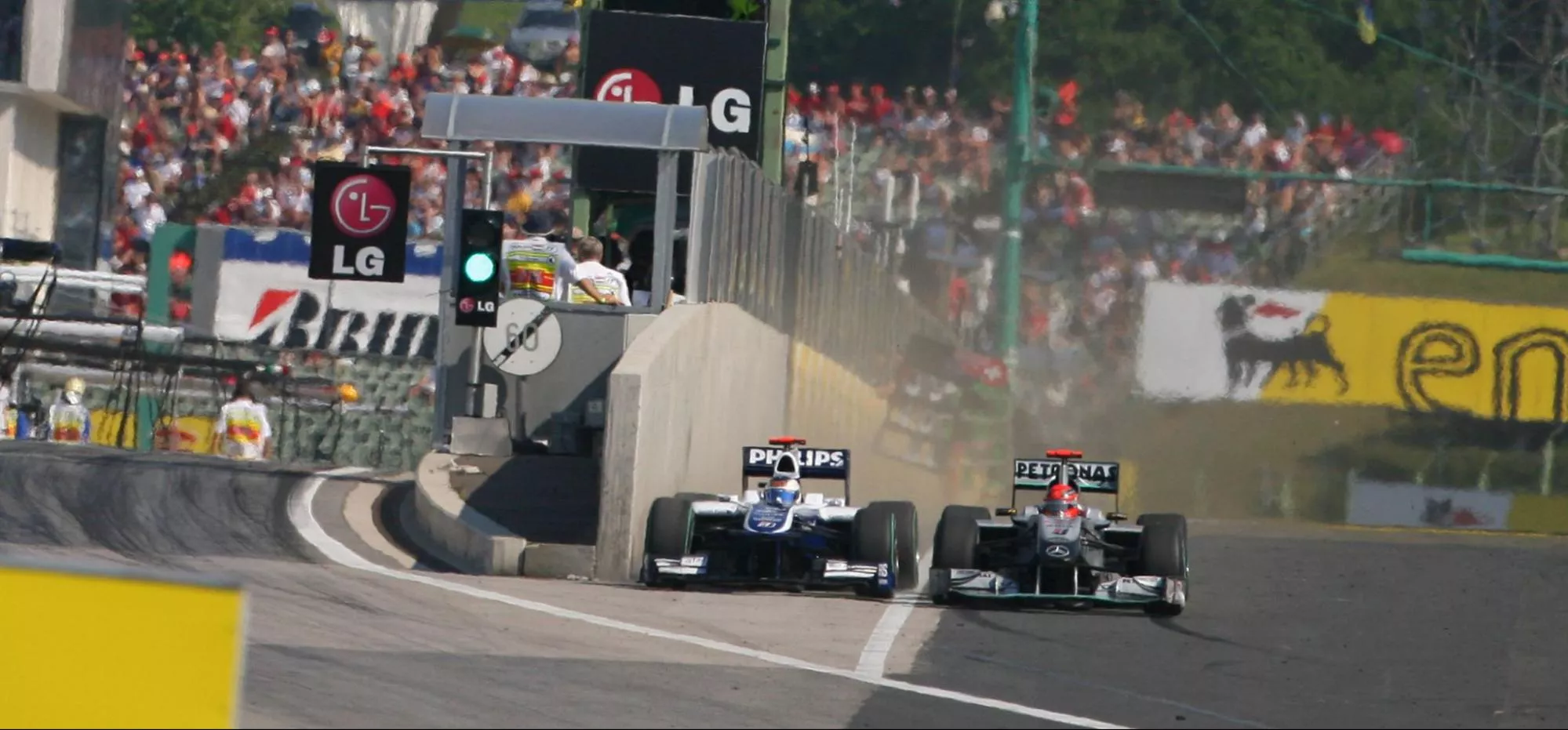
This iconic moment - in which Williams’s Rubens Barrichello (L) was squeezed to the pitwall by Michael Schumacher down the straight at Hungary’s Hungaroring in 2010 - caused the FIA to strip down the Williams’s Cosworth engine