Motor
The return of the V8 in F1 – and what it could look like
by Matt Grant
7min read
.webp?cx=0.5&cy=0.5)
FIA president Mohammed Ben Sulayem recently stated that Formula 1 is set to return to V8 engines. Beyond their might and roar, what could lie within the next generation of V8 power units? Former Cosworth engineer and engine designer, and founder of engine component supplier Modatek, Matt Grant examines the prospect.
Sign up for a newsletter and we'll make sure you're fully up-to-date in the world of race technology
Throughout the V6 hybrid era of Formula 1 there has been a growing call for the return of normally aspirated V8 engines. Indeed, the push for these V8s has intensified following the introduction of the 2026 powertrains.
Fans want louder engines and engine manufacturers want to reduce costs by building simpler designs. Most people see the normally aspirated V8 engine as the best way to appease fans and manufacturers.
The latest regulations governing the powertrain and the components inside the engine have never been as stringent as they are now. Way back in 1966, the rules ran to just six lines of text, merely specifying the engine capacities for normally aspirated and forced induction options.
These rules remained in place for two decades, but since then there has been a gradual shift toward the rule makers introducing ever-tighter regulations aimed at curbing speeds and controlling costs. Today’s regulations for the power unit that encompasses the engine and hybrid system cover over 25 pages.
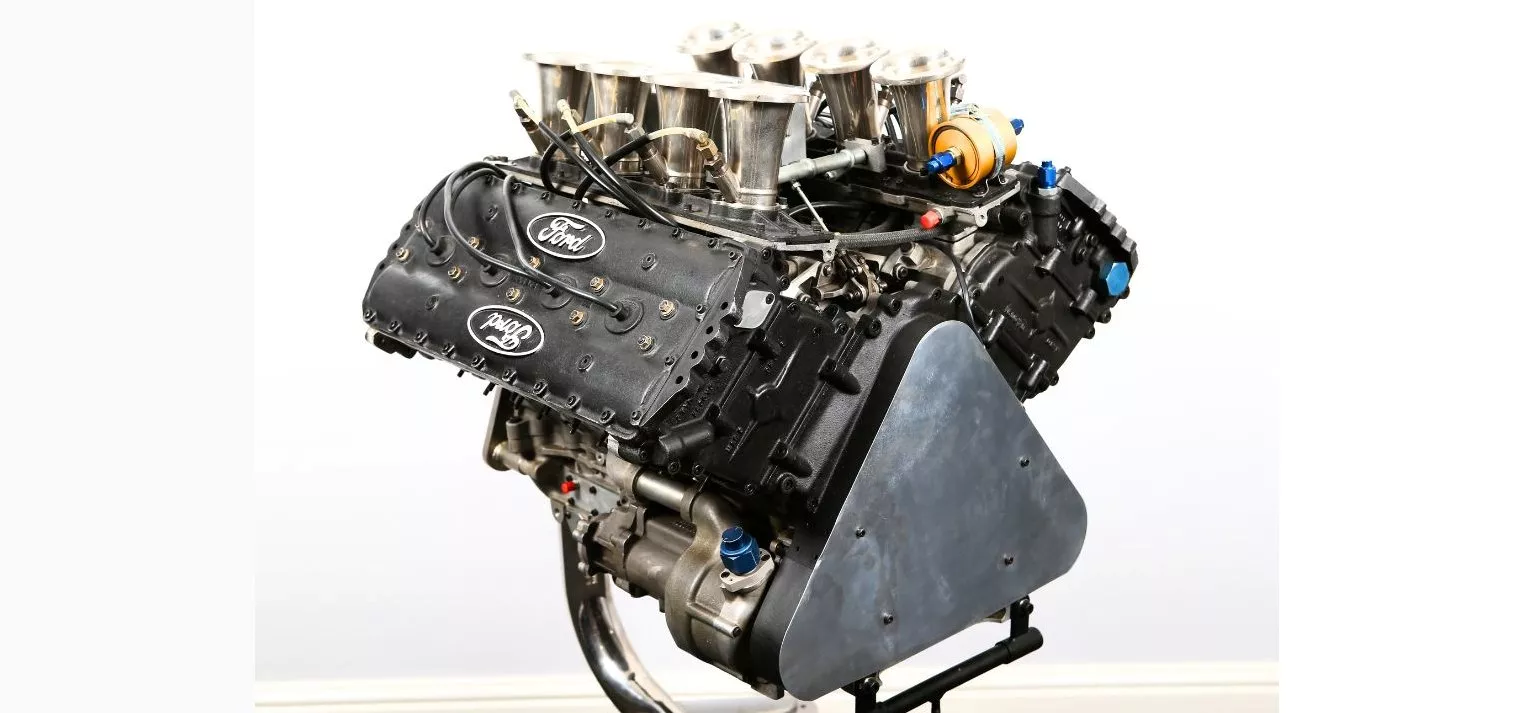
The 3.0l V8 Cosworth DFV engine was one of the most successful F1 engines of all time
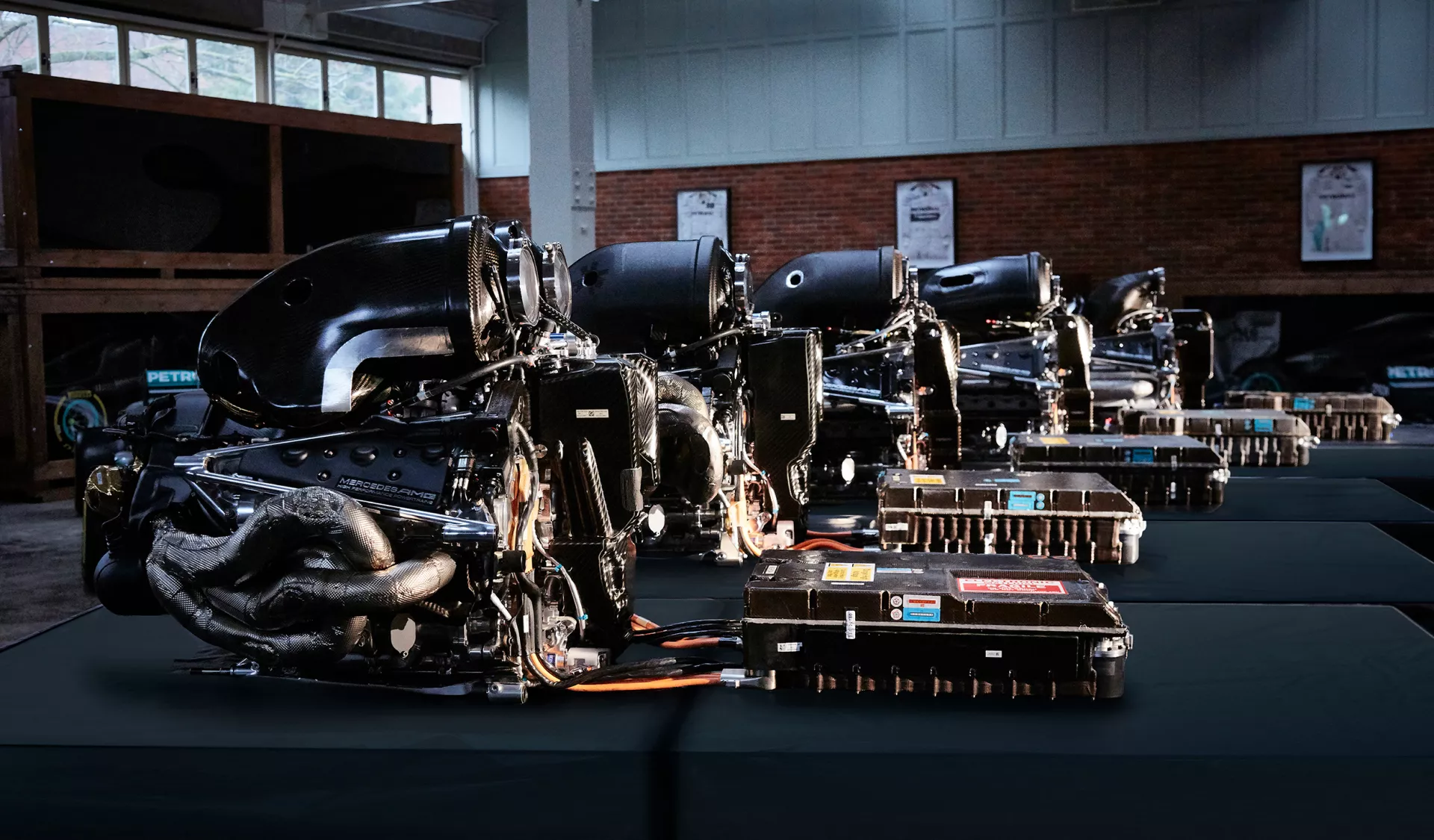
The latest set of rules were intended to both retain the current manufacturers (Ferrari and Mercedes) and bring in new ones. This seems to have worked, with Honda returning (although it never really left), Ford partnering up with Red Bull Powertrains, and Audi and General Motors both entering the sport.
These rules will remain in place until the end of 2030, but even though the 2026 season has barely begun, attention is already turning towards what the next generation of powertrains might be. Given that most manufacturers will want at least three years of preparation, it seems likely that the FIA will want to have the next series of regulations in place by the beginning of 2028, if not sooner.
The general consensus is that we are heading back to the normally aspirated V8 era, which was dropped at the end of 2013 in favour of the V6 turbocharged engines. So how different will the new V8 engines be compared to those from 13 years ago?
To answer this question, it’s worth considering what changes and developments have been introduced since the end of the V8 era. First of all, we now have FIA-compliant 100% sustainable fuel blends derived from ‘Advanced Sustainable’ components (as defined by the FIA) that are a lower-carbon alternative to the fuel used in F1 before 2026.
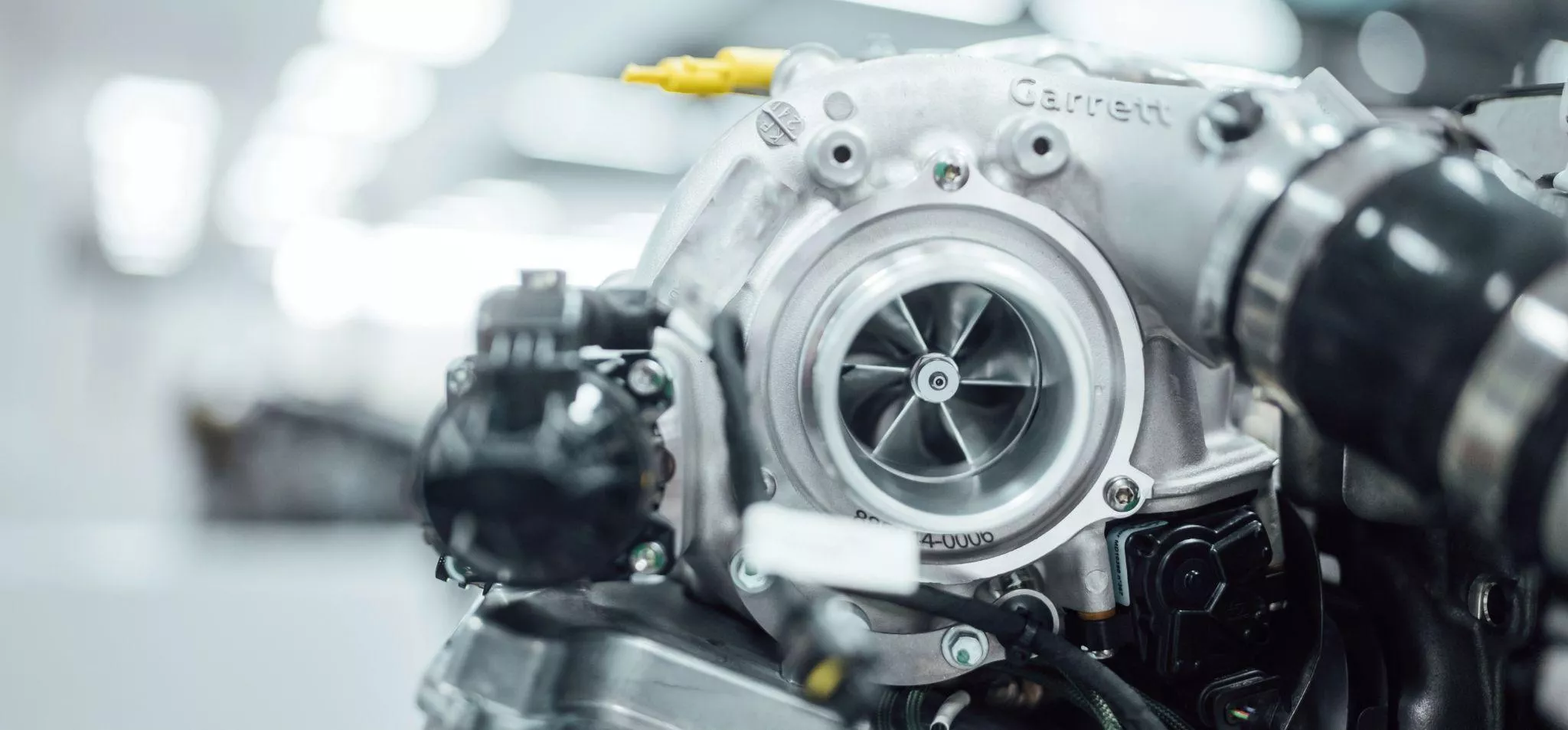
A Garrett turbocharger pictured. Turbochargers will likely not be part of the V8 engine architecture
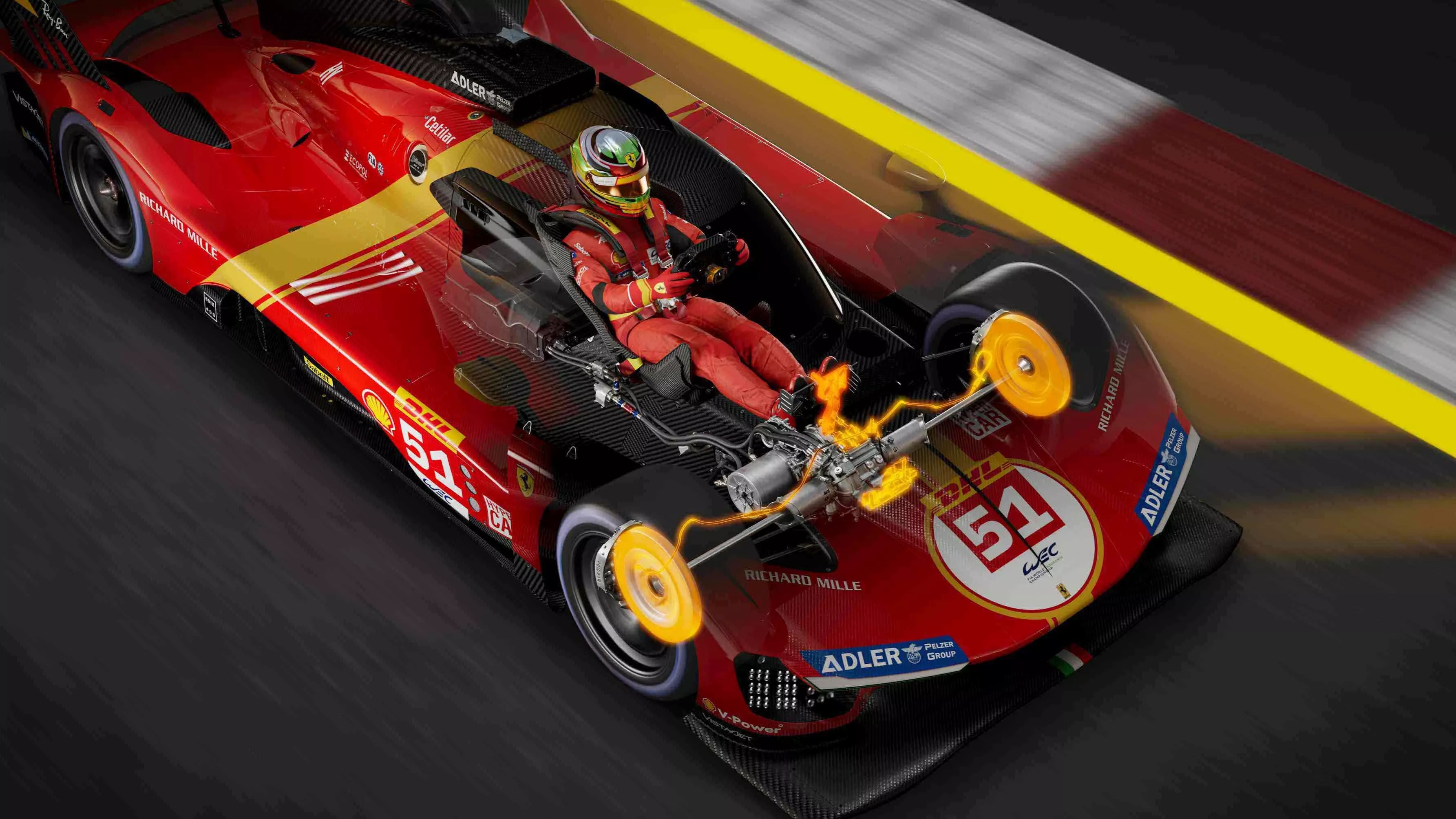
In 2026, the split in power between internal combustion engine (ICE) power and electrical power rose from 80:20 to a notional 50:50 split.
As we’ve already seen in the first few races of 2026, trying to manage the power deployment and harvesting in a race car with a 50:50 electrical and ICE power split has been equally troublesome for the teams and frustrating for the fans.
The manufacturers will want to retain some amount of kinetic energy electrification like we have at the moment, so a normally aspirated V8 hybrid fitted with a crankshaft-driven KERS (Kinetic Energy Recovery System) with a split of around 75:25 would probably be welcomed by all.
Also new for 2026 is the way that the ICE engine power is regulated. In the previous incarnations of the V6 turbo engines, this was done by controlling the mass flow rate of the fuel. For 2026, this has changed to controlling the energy flow rate of the fuel, which is a subtle but important difference that is likely to continue to be used for future V8 regulations.
Interestingly, because the performance of the engine is currently controlled by the fuel energy flow rate, there is no defined maximum engine speed, so one could cautiously expect this to be the case again with the V8 engines.
The next question is: what would the capacity of the V8 engines be? The last V8 engines were 2.4 litres, a capacity that ensured that the cylinder volume was 300cc, the same as the previous V10 engines.
.webp?cx=0.5&cy=0.5)
A render of the Ferrari F2004’s V10 engine, courtesy of Ferrari
Most engine manufacturers found that this cylinder volume proved to be the optimum capacity for a high-revving normally aspirated engine, providing a good balance between minimising parasitic losses and maximising combustion.
So, there’s every reason to expect that the next generation of V8 engines will continue to have a 2.4 litre capacity. If that’s the case, then we can expect the power figures to be roughly where we left them at the end of 2013, somewhere between 780 and 800 bhp.
And if the split between engine power and electric power is around 75:25, then expect the total power from the powertrain to be in the order of 1100 bhp. Of course, the FIA can adjust the ICE power by lowering the aforementioned fuel energy flow rate, so it could end up at around the current 1000 bhp level that we are rumoured to have in 2026.
New for 2026 are even tighter regulations that specify several of the critical dimensions of the components within the engine, along with the materials that can and can’t be used, and this is likely to continue.
These regulations are aimed at keeping costs in check, which might otherwise spiral out of control. One example of where this happened is in the early 2000s, when engine manufacturers all independently sought out exotic piston materials such as beryllium to reduce reciprocating mass.
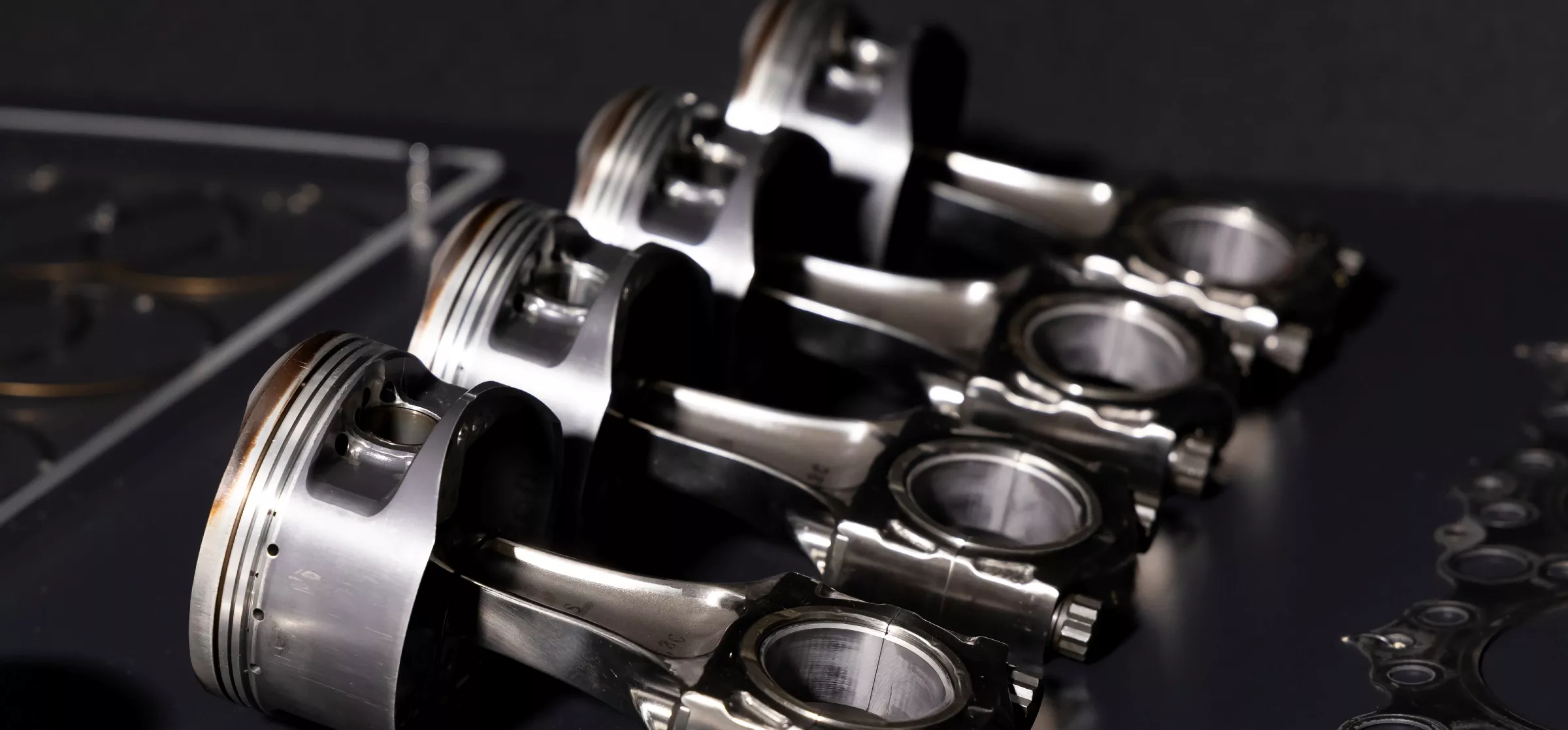
Pistons from the Honda RA109E V10 engine used in 1990
Had the FIA not stepped in and introduced rules that stipulated piston material, then all of the manufacturers would have been locked into spending inordinate amounts of money to create pistons from exotic materials.
Talking of financial control, 2026 sees the introduction of a cost cap for the powertrain; previously, the cost cap was just for the team. Most see this as a beneficial step in providing a measure of financial control, and it’s more than likely that a powertrain cost cap will remain for the V8s in some form.
In theory, at least, a normally aspirated V8 engine should be slightly cheaper to produce compared with a V6 turbo engine, but the bigger cost savings will come from a simplification of the hybrid system, including a smaller electrical motor and battery.
A final point worth noting is that the durability of the normally aspirated V8 engines will have to be considerably better than that of previous V8 iterations. In 2013, the V8 rules allowed for each driver to have eight engines in one season, which equated to a maximum engine mileage of around 1,500 km if one considered all of the practice and qualifying sessions in addition to the actual races.
Conversely, in the current regulations for the V6 turbo engines, this has dropped down to just three engines per driver, ramping up the maximum mileage to around 4,000 km.
It’s unlikely that the FIA will want to increase the number of engines that are allocated to each driver, so expect this mileage per engine to remain as per the V6 turbo era.
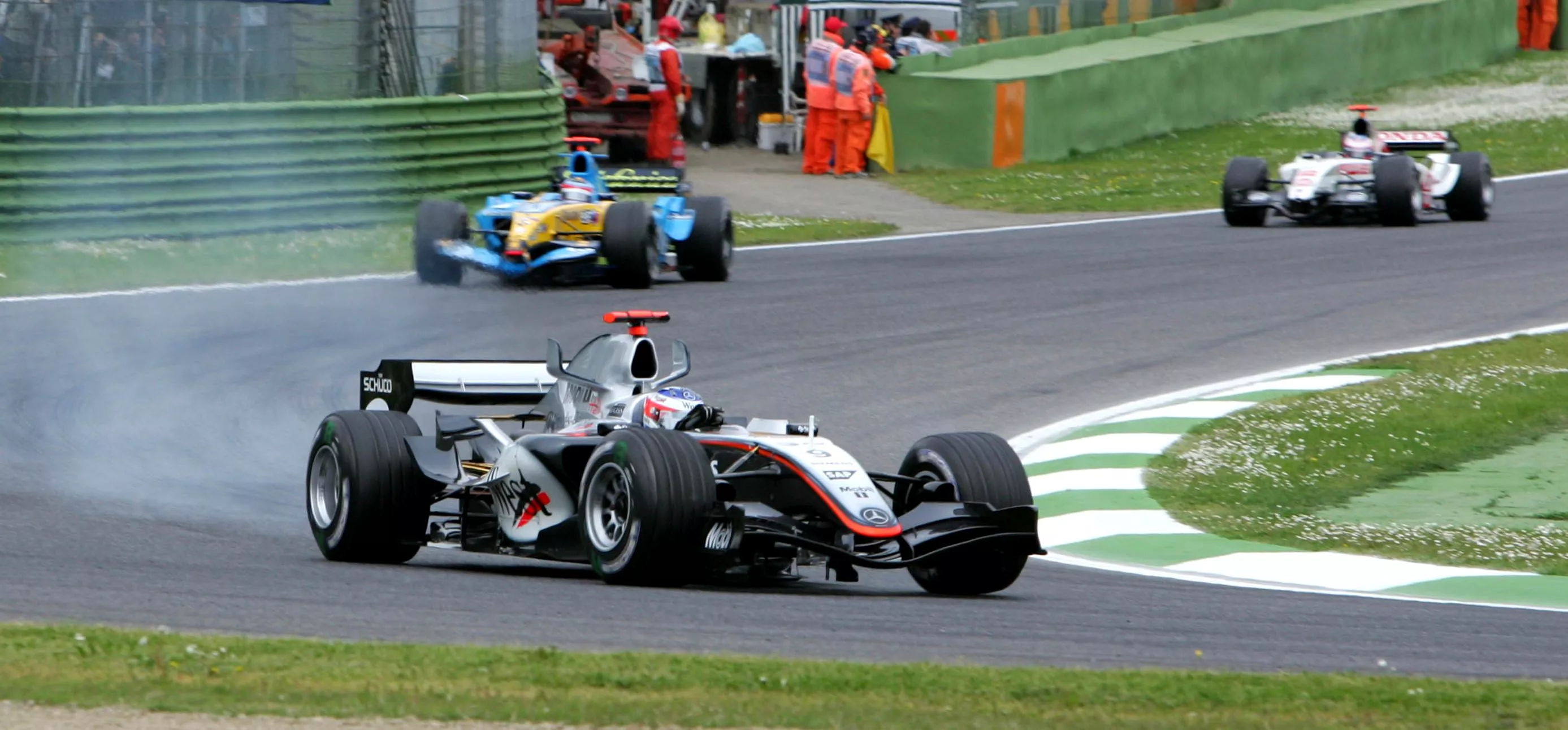
Smoke coming out of Kimi Raikkonen’s McLaren in 2005 - when engine mileage was far lower than it is now
This will present a significant challenge for the manufacturers to achieve, but just remember that before the FIA first set a limit on engine numbers in 2005 (with a rule that said that one engine had to last for at least two races), engines had a durability of around 300 km!
The return of the V8 is easy to romanticise, but it will be a very different proposition to its predecessor - shaped by a decade and a half of regulatory, material, and fuel technology that simply didn't exist when the last one turned its final lap at Interlagos in 2013.
The 2.4-litre capacity, the 300cc cylinder volume, and the energy-flow method of power regulation offer a degree of continuity, but the engineering brief is harder in almost every other respect.
A mileage target of around 4,000 km per unit, tighter material regulations, a powertrain cost cap, and the requirement to run on FIA-compliant 100% sustainable fuel blends derived from ‘Advanced Sustainable’ components (as defined by the FIA) mean that the next F1 engine - whether V8 or otherwise - will have to earn its return.