Car
Dan Fallows: Engine or chassis? How F1 engineers know where their car is weak
by Dan Fallows
6min read

.webp?cx=0.5&cy=0.5)
Despite the April break, we’re now firmly in the new era of Formula 1, and there’s plenty of noise concerning engines, fuel, and power.
Sign up for a newsletter and we'll make sure you're fully up-to-date in the world of race technology
My experience at Red Bull proves that it is possible to drown out that noise and find out just how well the car is performing, despite what the engine is - or isn’t - doing. The caveat is that measuring this performance isn’t easy, and there are varying degrees of accuracy behind it.
In 2014, we suffered from engine issues at Red Bull with the advent of the new Renault power unit. Once initial problems with the ERS (Energy Recovery System) had been overcome, the engine remained down on power and compromised the development of the car throughout the season. We continued to try and overcome thermal issues with the power unit and learn how to optimise the overall car package.
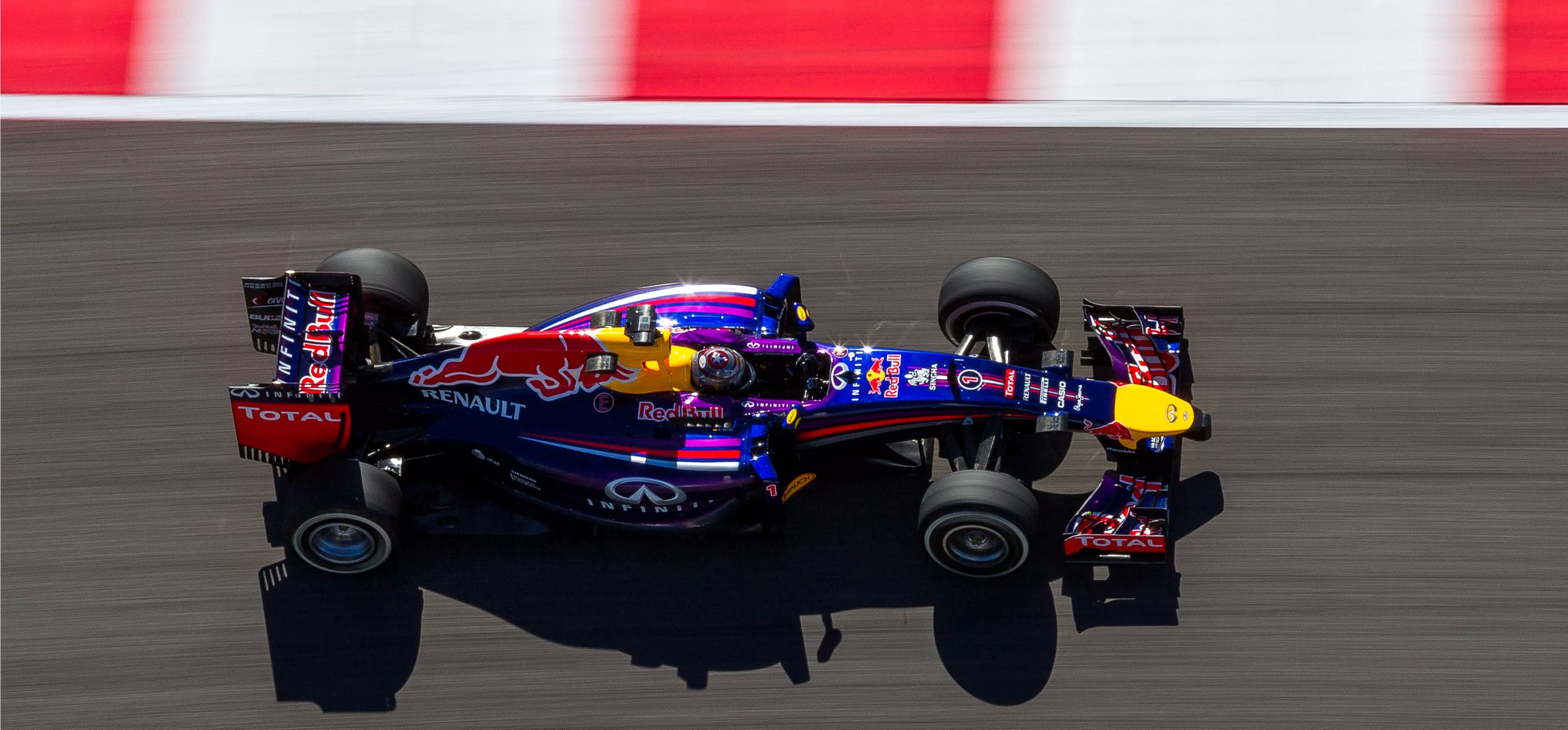
The 2014 Red Bull F1 car’s development was compromised by its relatively weak engine
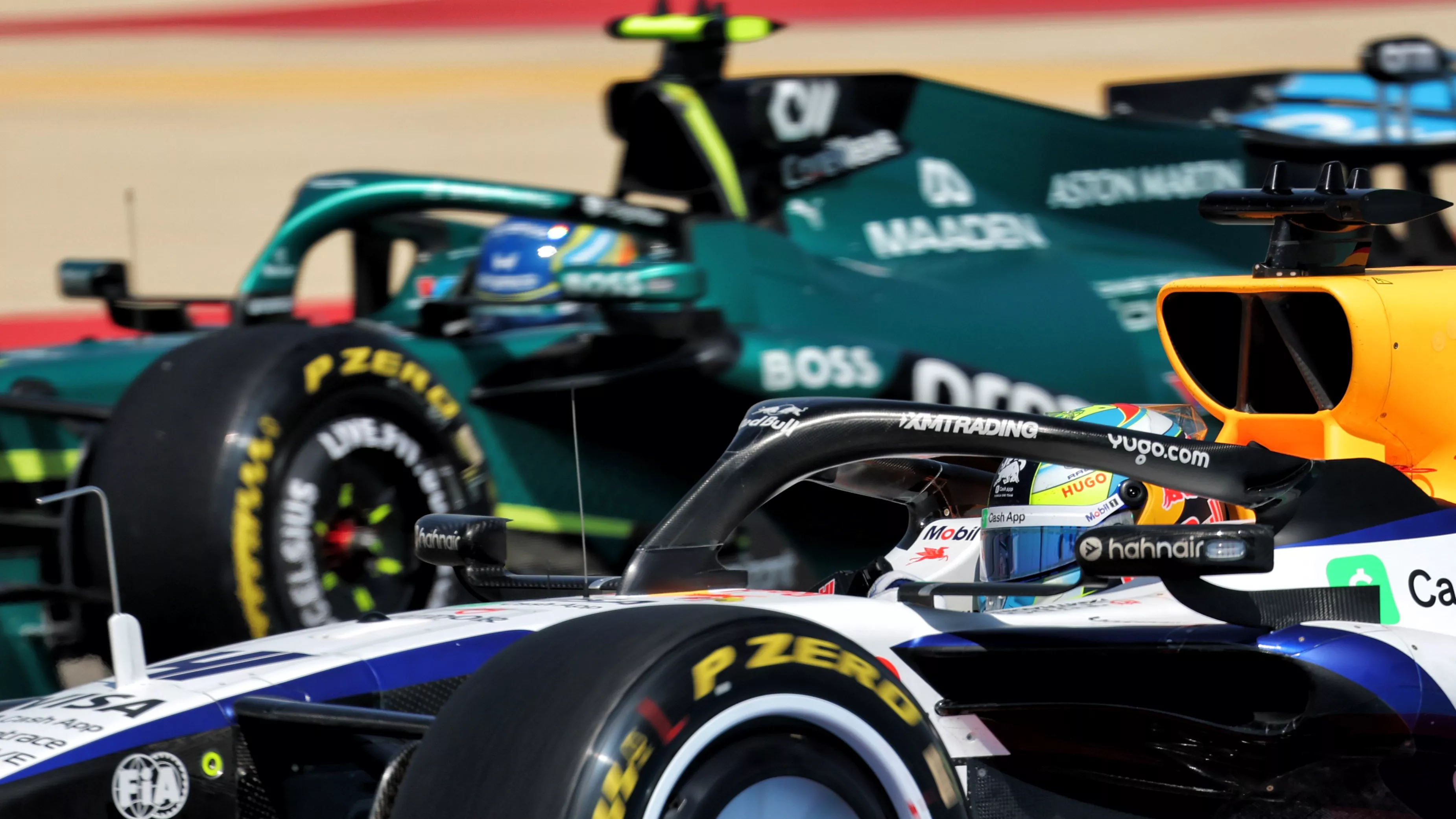
Despite that, the car was relatively competitive, even against the teams enjoying the superior performance of the Mercedes power unit.
Going into 2015, the car was, on paper at least, a good step from the previous year. Unfortunately, during the season, it became clear that other teams had also made strides forward, and we fell down the competitive order.
Understanding where your car is strong and weak is important for F1 engineers. An honest assessment of limitations is the first step towards overcoming your problems.
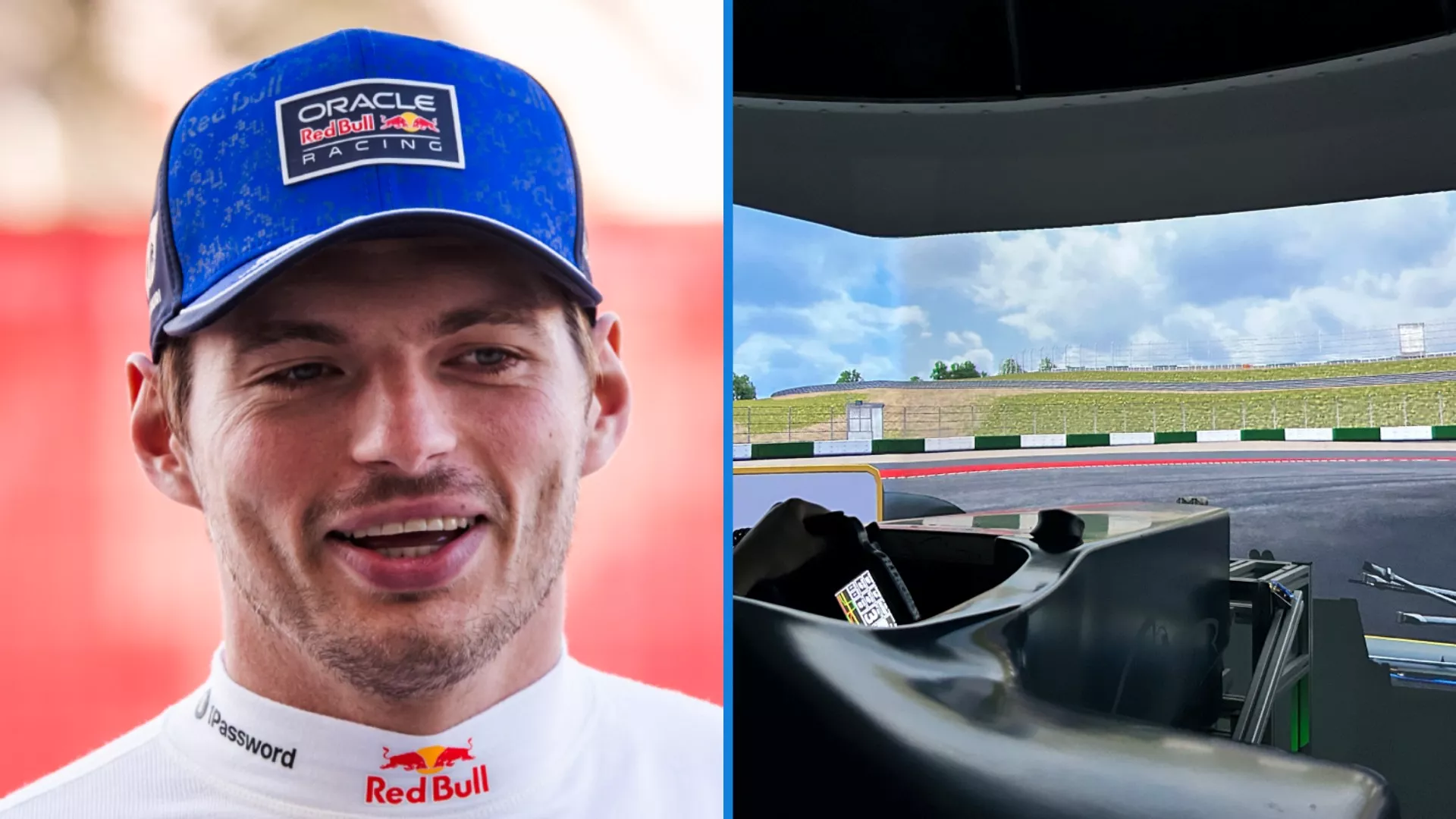
To that end, we undertook a detailed simulation programme, both in the driver-in-loop simulator and using digital lap simulations. Of the parameters that could be varied, it became obvious that engine power was the one that would most effectively improve our relative performance.
At that stage, the limitations of the power unit became stark: we simply couldn't compete with Ferrari and Mercedes because of our lack of power. More significantly, we struggled to overcome the power deficit by clawing back performance in other areas.
Before the current set of regulations, engine power, even in the days of the KERS (Kinetic Energy Recovery System) or battery assistance, was relatively easy to measure, even on competitors' cars. The speed profile of a car during acceleration in a straight line is determined by several factors, including gearing, rolling resistance, tyre state and aerodynamic drag, as well as the power delivery characteristics of the power unit.
But many of those parameters are similar across cars, such as rolling resistance, and others can be measured fairly simply, such as RPM and gear number. That means it is possible to remove or infer enough of the unknowns to be left with a measure of engine performance. Clearly, the maximum power output is a key number, and it can be derived for every car in this way.
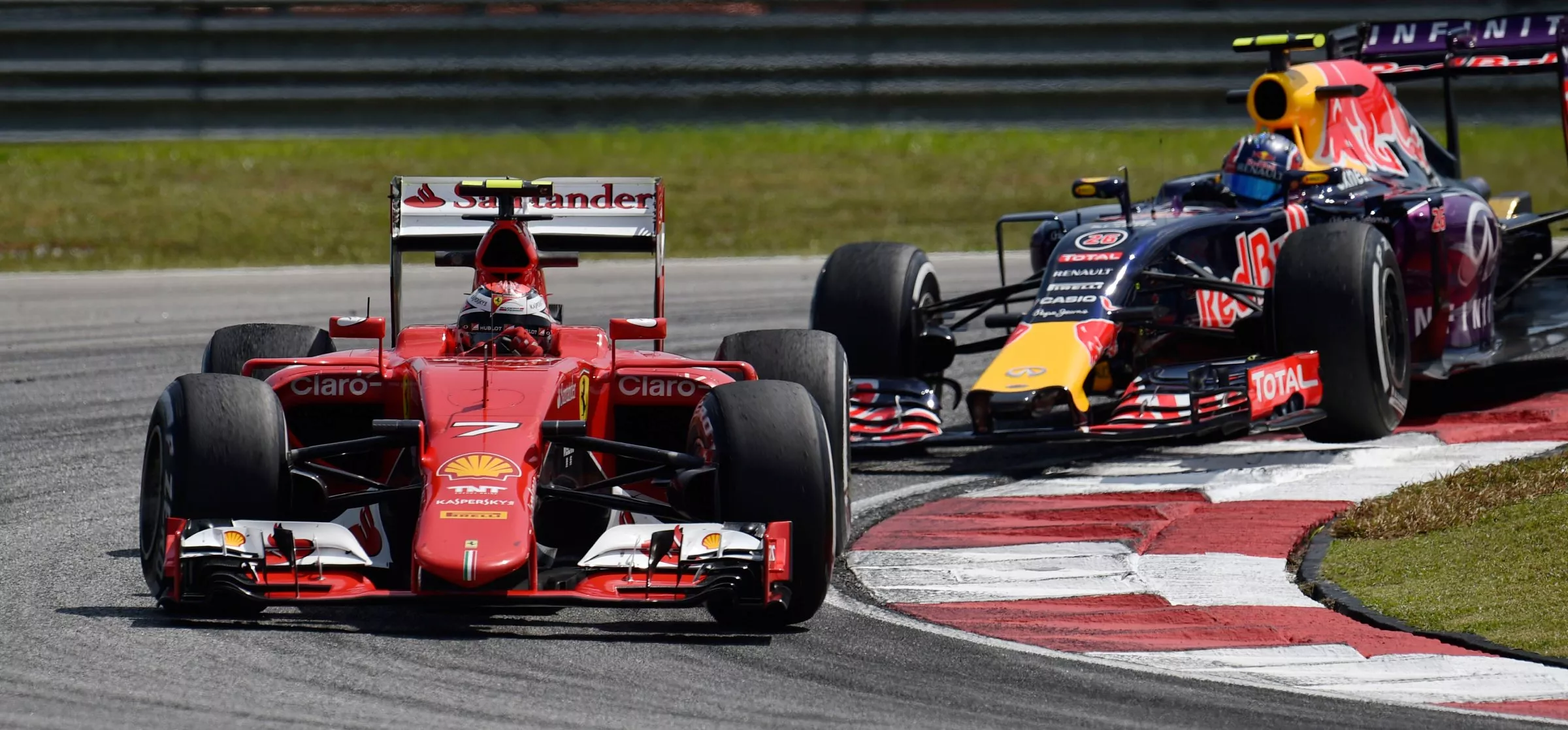
Red Bull conducted numerous tests to find out if the engine was holding back the 2015 RB11
For the 2015 RB11, we performed this exercise and were then able to effectively replay any lap our car had done, except as though it had a competitor's engine fitted. It was immediately clear that, were we fortunate enough to have the most performant power unit - at that time the Mercedes - we would be as competitive as the Mercedes car.
It is worth noting that Renault performed its own in-house analysis and concluded that the power difference was much less than our estimation.
We used the knowledge that we were compromised on power to redirect our development efforts. Evidently, we needed to focus on aerodynamic efficiency and lower overall drag to overcome the power deficit. Although it was a frustrating situation, there was comfort in knowing that the remainder of the car had great potential.
The same kind of analysis that allowed us to identify our relative lack of power in 2015 can be used for many aspects of the car's performance. For example, teams can try out an increase in overall downforce or a reduction in drag, to see which might offer the best improvement in laptime. By varying different parameters, we can also see where other cars might be stronger than us, which can be used at the race track to adapt strategy and set-up.
More recently, the process has become ever more sophisticated, allowing engineers to gain a highly detailed understanding of the sensitivity of any performance parameter. We can now assess the effect of a modest improvement in, for example, downforce in a medium-speed corner, across the entire season, in minutes.
Of course, the accuracy of this kind of analysis is only as good as the simulations that underpin it. In turn, those simulations are only as good as the data and assumptions that feed them.
In 2026, we have added a great deal of complexity to that process, with the modes of operation of the car and possible differences in energy recovery and deployment with the power unit. It is not impossible to unpick the differences when comparing competitors, but it is certainly much harder than it would be with a simple combustion-engine power unit.
Having said that, some aspects of car performance are immutable. Maximum apex speed in a corner is primarily dictated by the downforce a car has at that point, assuming tyre state is accounted for. First-order analysis of relative performance can be done by just looking at where cars are fast and slow through corners.
.webp?cx=0.5&cy=0.5)
Daniel Ricciardo walks away from his Red Bull after it stops on track during 2014 pre-season testing
However, laptime is not just about corner apex speeds, particularly since some cars may be deliberately running a lower drag, and therefore lower downforce, set-up. Often, that kind of approach may be less favourable for ultimate laptime, but will be chosen to make the car harder to overtake.
Isolating laps where the tyres are comparable can also be difficult. Even when the tyre type and age are known, teams operate their thermal management of the wheels and tyres differently. Some may prioritise heating to get the tyres up to temperature more quickly, at the expense of longevity. Others may be biased towards more cooling, meaning early laps are compromised for better performance over time.
As we at Red Bull were painfully aware of in 2015, however great you think your chassis is, you are only awarded points for the results of the whole package. We have seen that the 2026 regulations require, perhaps more than ever, synergy between the power unit and the chassis manufacturers.
With the RB11, it meant, among other things, running a suboptimal cooling arrangement to ensure the engine was being fed with the most efficient temperature of air.
It will be fascinating to see how the FIA's ability to offer opportunities for power equalisation works out this year. Knowing that your power unit has an opportunity to improve will be very motivating for the engineering teams, and this April break will allow teams greater focus on development to reverse their fortunes ahead of the next grand prix.