Car
Colton Herta: Building toward F1, one Friday at a time
by Samarth Kanal
7min read
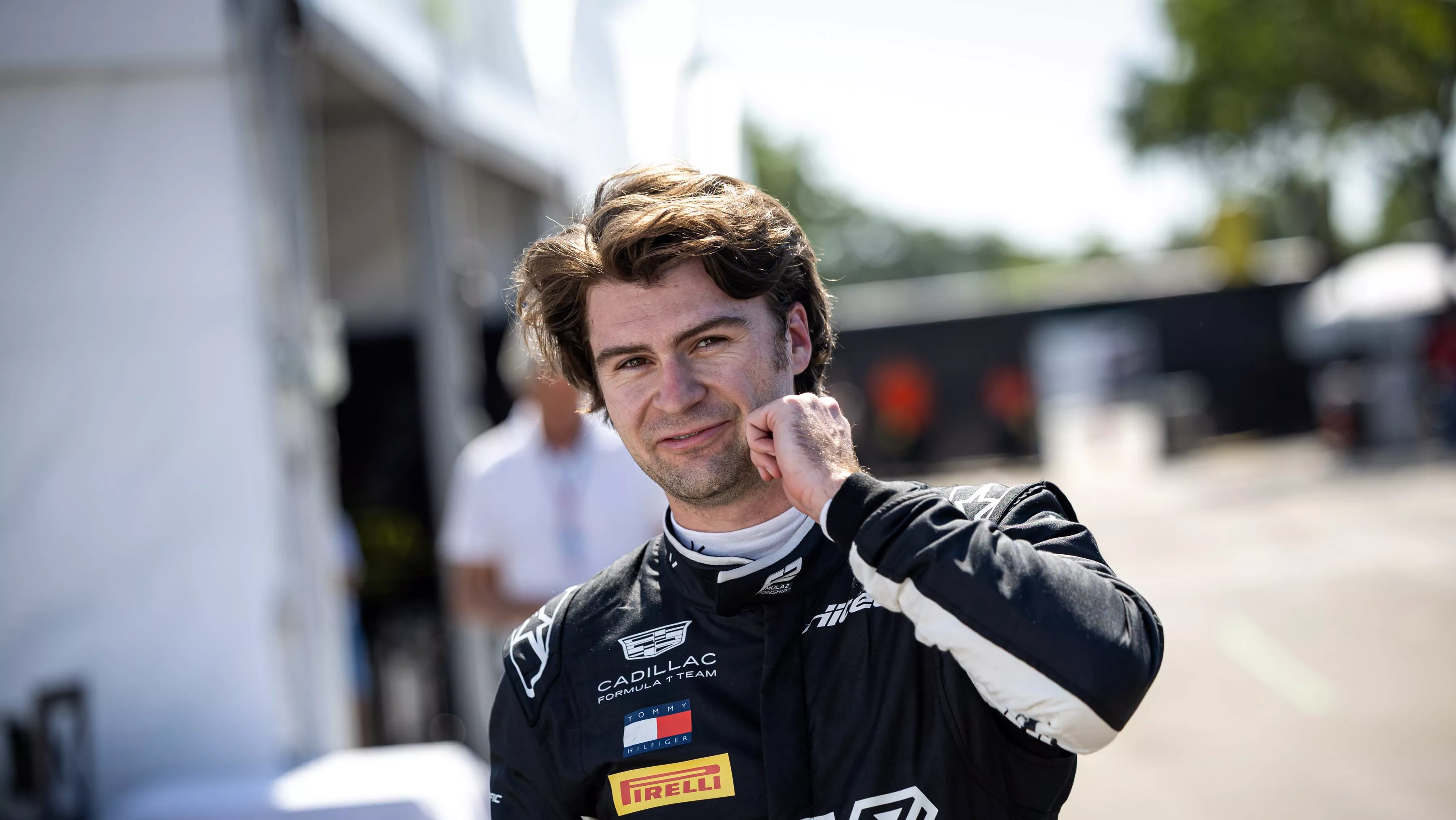
Colton Herta is juggling a rookie F2 season, four Cadillac FP1 outings, and the ambition of every racing driver. The North American sat down with select media, including Raceteq, to explain how it all fits together.
Sign up for a newsletter and we'll make sure you're fully up-to-date in the world of race technology
There are not many drivers who can say they were once the youngest race winner in IndyCar history and a complete Formula 2 rookie in the same breath. Colton Herta can.
The Californian, who turned 26 in March 2026, arrived this season with Hitech for a debut F2 campaign - and quickly confirmed that the F2 car demands a very different skill set from the IndyCar machines he has spent the seven years mastering Stateside.
But the F2 seat is only half the story. Cadillac, F1's newest entrant, confirmed in April that Herta will contest four FP1 sessions across the 2026 season as part of his test driver duties - a structured pathway designed to integrate Herta into the world's most demanding championship, without rushing him before he is ready.
Barcelona first - US GP later?
The first of those outings will take place at the 2026 Spanish Grand Prix, and there’s a clear reason for Cadillac’s decision. Herta explains the logic plainly: a new team, in its debut season, cannot afford the added complexity of managing a rookie's weekend on top of its own maiden campaign.
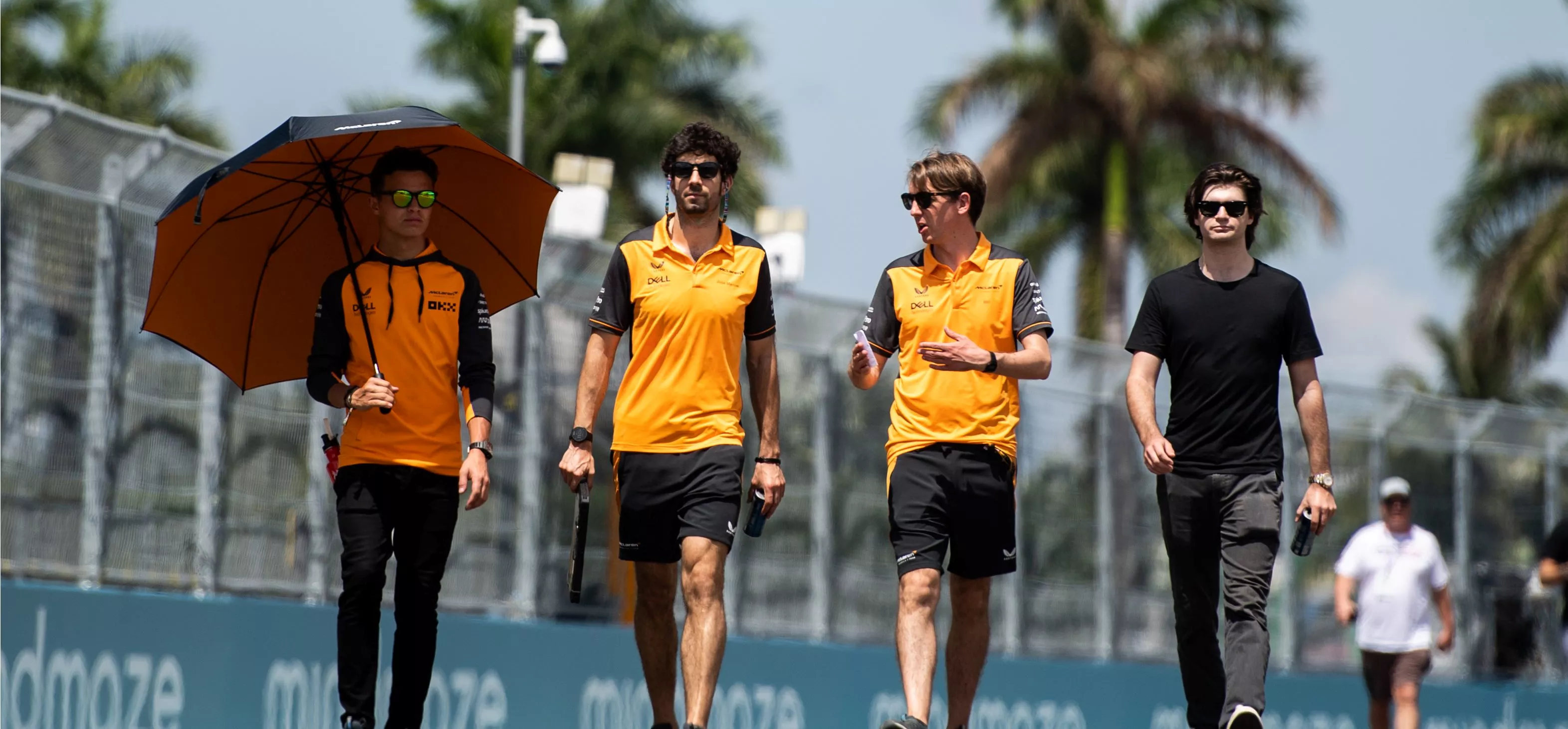
Colton Herta (R) walking the Miami track with McLaren’s Lando Norris in 2025
"I think the early rounds are just too difficult for a new team [to enter a rookie in FP1]. The focus needs to be on the main drivers and their goals in the car. So I think it was always supposed to be Barcelona."
The remaining three sessions will follow later in the year, with their specific locations dictated by what is most useful to the team rather than any personal preference on Herta's part. He is measured about it. "If they tell me you're going to drive the car here, here and here," he says, "I'm still going to be just as excited about it."
That said, he makes no secret that a United States Grand Prix FP1 would carry particular weight - for him personally and for the team's narrative as an American constructor. "I think it personally would be pretty awesome," he admits. "
For the team, I think it'd be a really cool thing." But he is careful not to let the appeal distort his priorities.
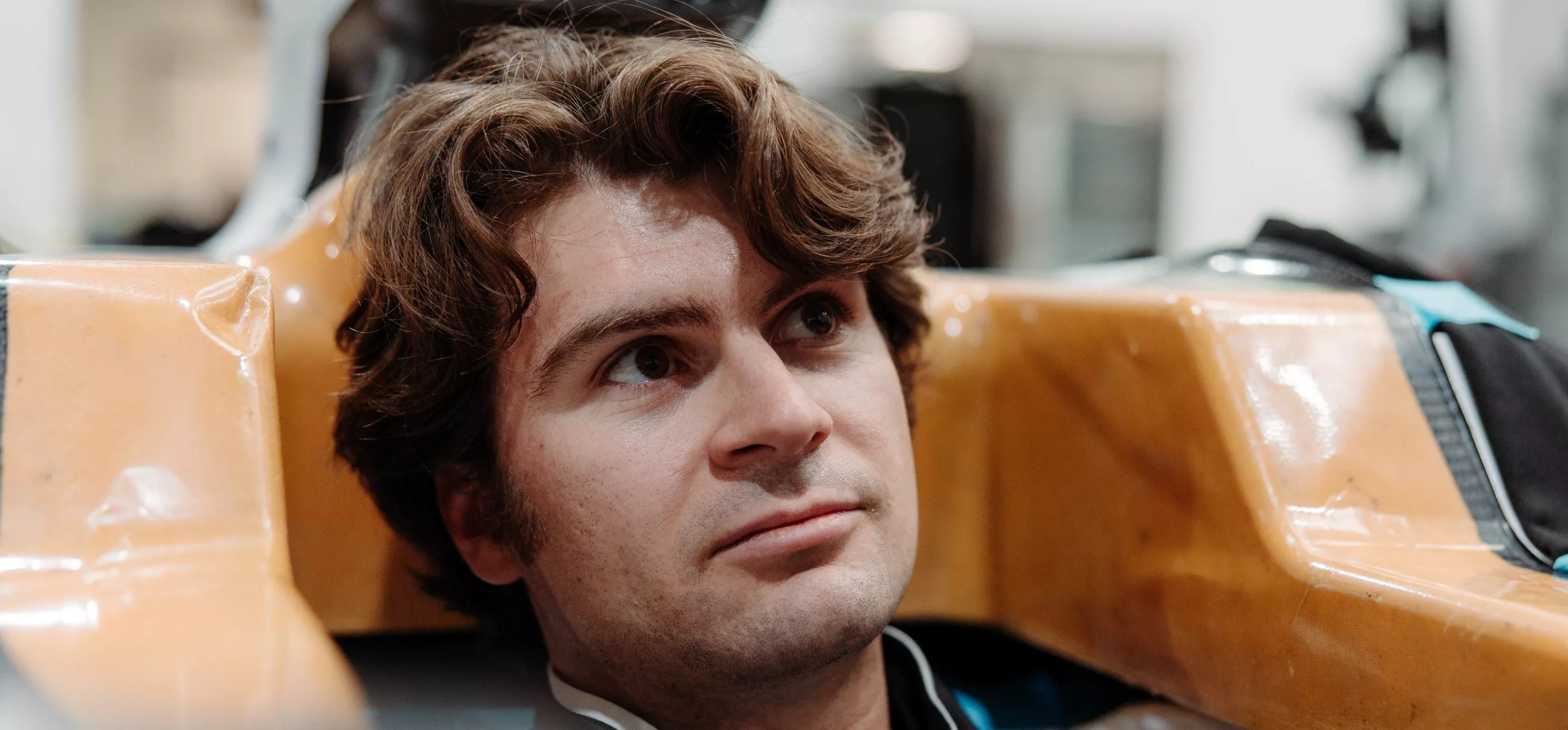
Herta during his seat fit at the Cadillac F1 headquarters in the UK - photo courtesy of Cadillac F1 Team
The Indy 500 question
One door that has closed, at least for this season, is the 2026 Indianapolis 500. When the Miami and Montreal F2 rounds were confirmed, any remaining possibility of fitting the Brickyard into the schedule effectively disappeared.
Herta had not quite given up on the idea entirely before that point, but was honest about its limitations.
"I had visions in my head of being able to do that, but I kind of always knew I wasn't going to be able to do it legitimately. As far as the Indy side, you miss Carb Day [the final day of practice ahead of the Indy 500], which is a very important day… for me, F2 is a clear priority. That was going to be a little bit of an added bonus. It [the Indy 500] wasn’t meant to be this year."
He watches IndyCar from afar now and admits it stings a little.
"A part of me, it hurts to watch a little bit," he says, "because I love IndyCar racing, love being in it. It's such a fun car to drive."
Again, F2 - and preparing for F1 - are the priority.
F2 vs IndyCar - how do they compare?
The most technically striking thing about Herta's 2026 is the sheer breadth of machinery he is expected to master. The challenge for FP1 weekends in particular is acute: jump out of the F2 car after a practice session, into a Formula 1 car for 60 minutes, and then back into the F2 car for qualifying, all within a compressed window.
"You go from the F2 practice straight to the F1 car for practice - maybe 30 or 40 minutes - and you hop right back into the F2 car for qualifying. There's a huge speed disparity that you need to get around."
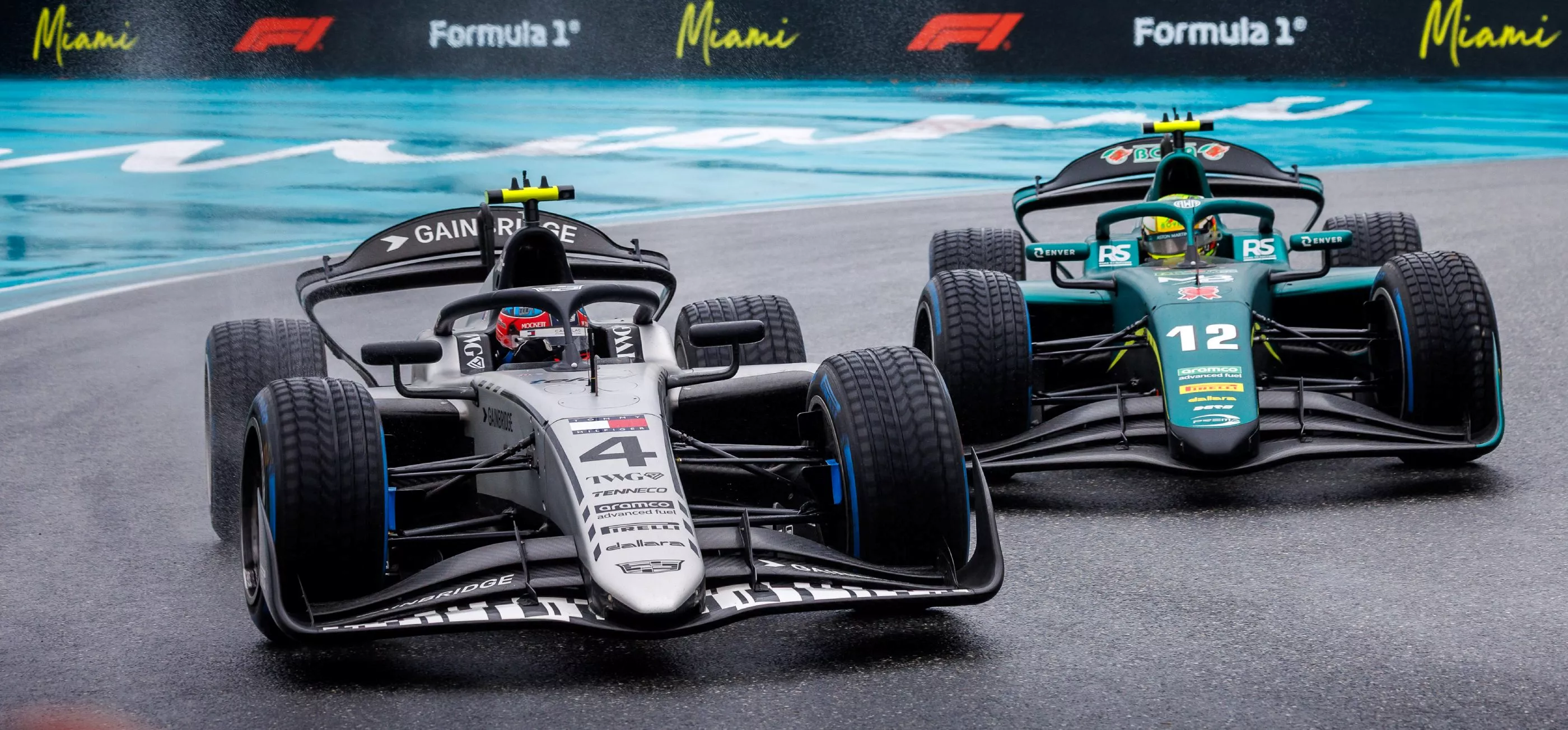
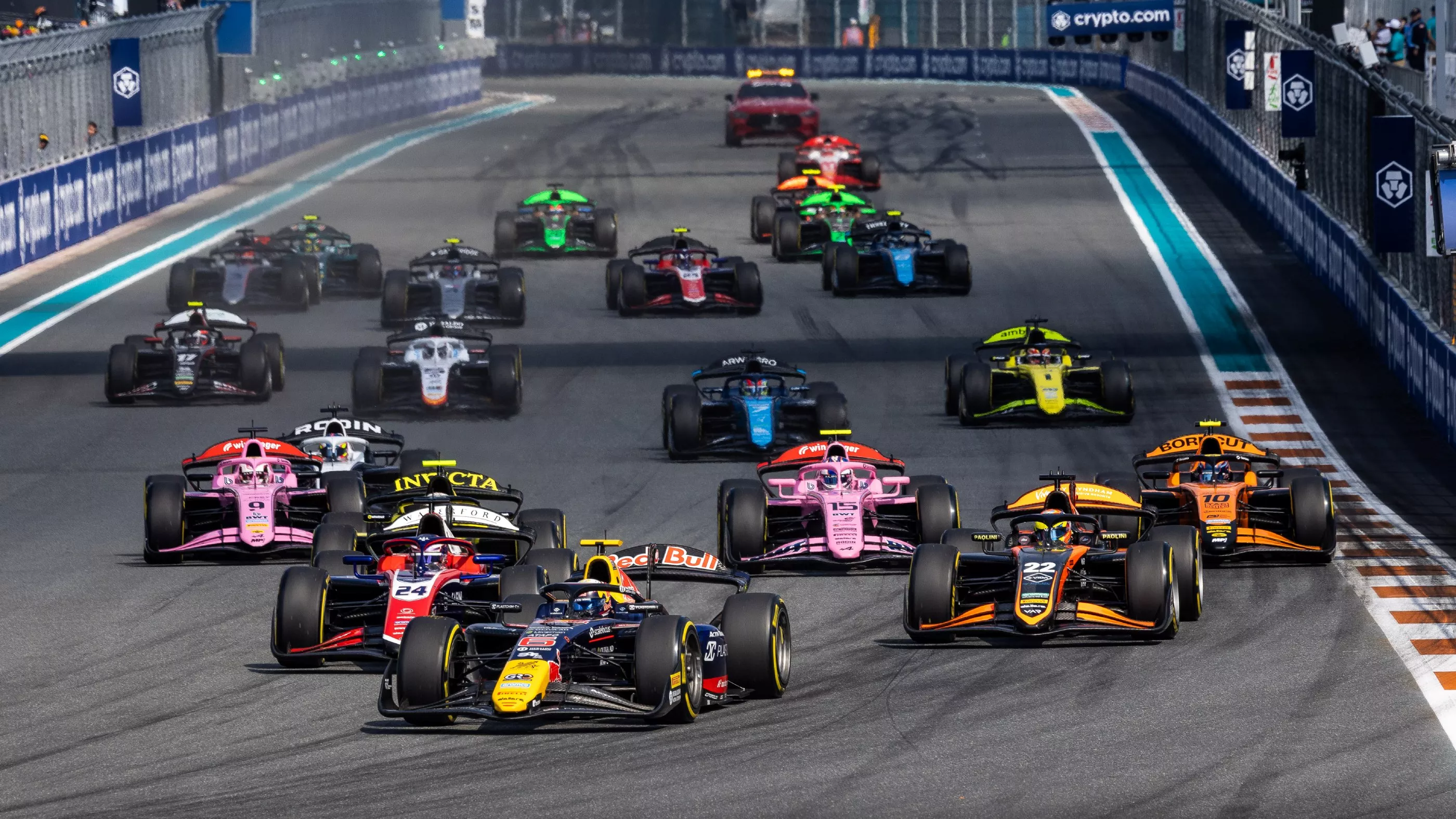
Herta going wheel to wheel with Mari Boya (R) in the rain-hit feature race in Miami, where Herta finished eighthHerta going wheel to wheel with Mari Boya (R) in the rain-hit feature race in Miami, where Herta finished eighth
.webp?cx=0.5&cy=0.5)
Herta is not dismissing the difficulty. He has seen drivers handle the transition well and others struggle, and he is planning carefully - simulator work, conversations with Hitech engineers who have navigated this exact situation before, and potentially a conversation with ex-Hitech driver and Williams Driver Academy member Luke Browning, who completed several FP1s last year.
The switch from IndyCar to F2, he insists, has been a cleaner mental break than some might assume. "To drive an IndyCar around an oval and then drive an F2 car around a permanent road course, they're so different, but it's easy to isolate the two," he says.
Had they shared more characteristics, the bleed-through between disciplines might have been a problem. Instead, the contrast is sharp enough that his brain can file them separately.
The adjustment to F2 itself has been a process. Herta finished in the points on his debut in Australia, but he is candid about where the learning curve has been steepest.
"When I first got into the car… I was looking for laptime in probably the wrong places. That’s kind of where the biggest growth has been - understanding the [Pirelli] tyre and how it likes to be worked."
In IndyCar, he explains, you can be forceful - aggressive with your inputs, demanding of the car. F2 requires something different: finesse, patience, a willingness to coax.
"You kind of get to massage it a little bit more. You have to be a little bit more delicate with it."
Herta followed up his seventh-place finish in the Melbourne feature race with P8 in the Miami feature race.
The North American homecoming
The addition of Miami and Montreal to the F2 calendar this season was, for Herta, an unexpected bonus.
"I thought my only North America race [in 2026] was going to be the Indy 500," he says. "So it's cool to have two F2 races in places that look like really interesting tracks.
“I didn't have it on my bingo card, but I'm glad that I get to be in Miami and Montreal for the races.”
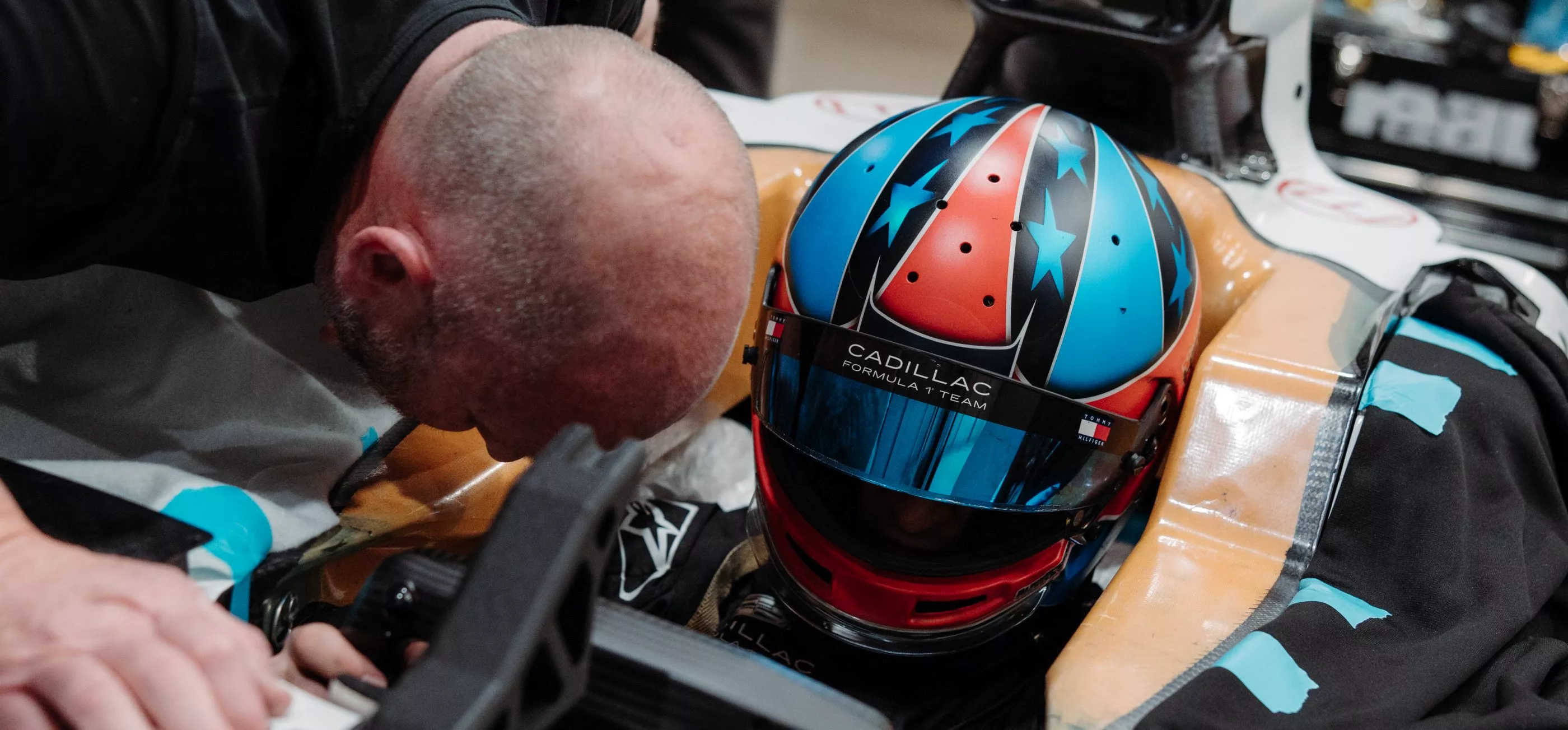
Herta sports a stars-and-stripes helmet during his F1 seat-fitting in the Cadillac F1 Team’s HQ in the UK - photo courtesy of Cadillac
Miami came with a small advantage baked in. Herta spent winters testing in Florida during his junior career, in Formula 3 and Formula 4-spec machinery, so he had residual knowledge of the circuit environment - the bumps, the kerbs, the heat, the humidity.
"Having that little bit of knowledge from testing is going to be helpful for sure."
He hopes, too, that F2 racing well in North America opens doors for the championship to return, as he says: “It would be awesome if that was something F2 did consistently."
The F1 goal
The practice sessions, the F2 season, the simulator hours with Cadillac, are all part of a deliberate programme to steel Herta for F1’s demands - perhaps in 2027, perhaps later.
Cadillac Team Principal Graeme Lowdon described the FP1 programme as "a natural next step," while CEO Dan Towriss said Herta had "really earned this opportunity."
For Herta's part, he’s avoiding the spotlight.
"It can't all just be about me and how fast I want to go. They need to see value in me doing it. The team needs to come out of it positively."
That is the calculation that will determine whether those four Fridays materialise into something more - and it seems that Herta is, indeed, making the right impression. Just one Friday at a time.