Career

10 Questions With… Mark Slade

by Raceteq

7min read
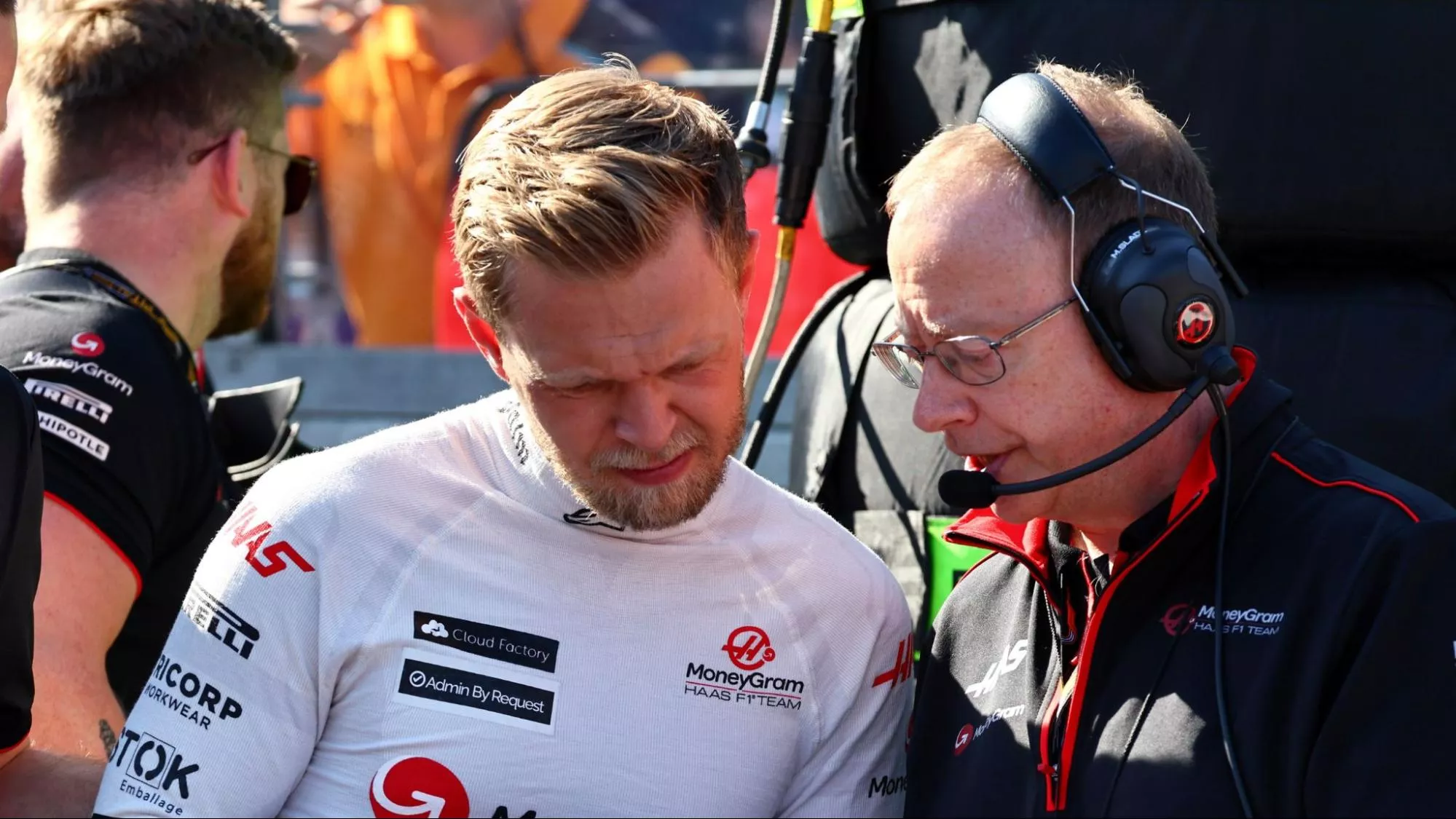
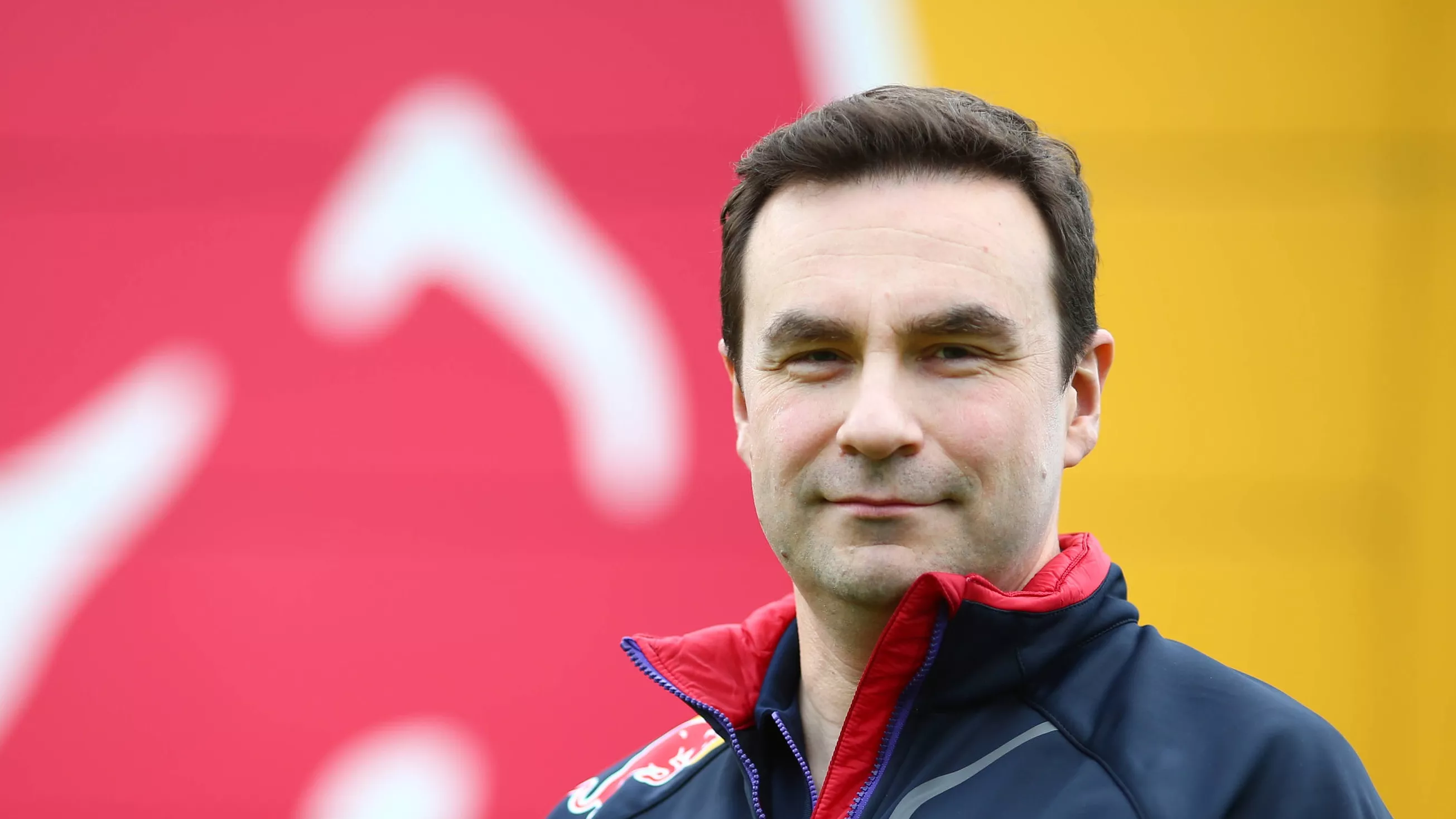
Kevin Magnussen and Mark Slade

Few engineers have experienced Formula 1 as extensively as Mark Slade, the latest motorsport figure to take on Raceteq’s 10 Questions.
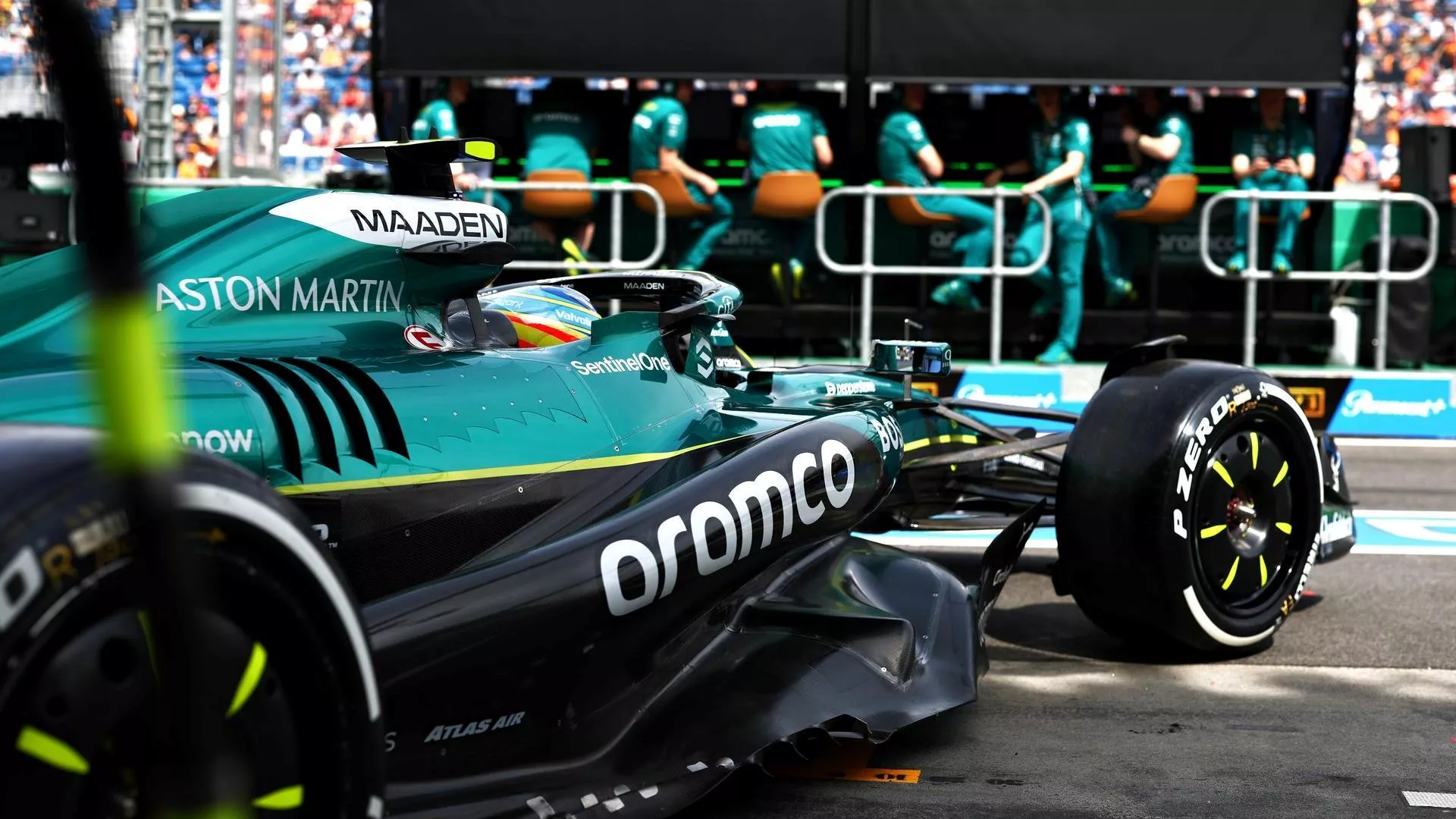
Aston Martin F1 car exiting garage

Sign up for a newsletter and we'll make sure you're fully up-to-date in the world of race technology

In a career spanning more than three decades, Slade has worked with several leading teams and drivers. He enjoyed championship success with Mika Hakkinen at McLaren in 1998 and 1999, race-winning campaigns with Kimi Raikkonen, engineering Michael Schumacher at Mercedes, and most recently, he was Kevin Magnussen’s race engineer at the Haas F1 Team from 2022-24.
 
Slade reflects on his career highlights, realities of life as a race engineer, and the technical innovations that have shaped modern Formula 1 as the latest guest on 10 Questions With…


What is your greatest career success?

For me, the biggest success was actually getting to do the job I always wanted to do since I was a kid.
 
Working as a trackside engineer and building a career in motorsport, going to races and working with brilliant people - that’s really what I see as the greatest achievement.

There were obviously highlights along the way, such as winning the world championship with Mika Hakkinen and enjoying various race wins. But the real success was simply getting into the business and being able to stay there. 
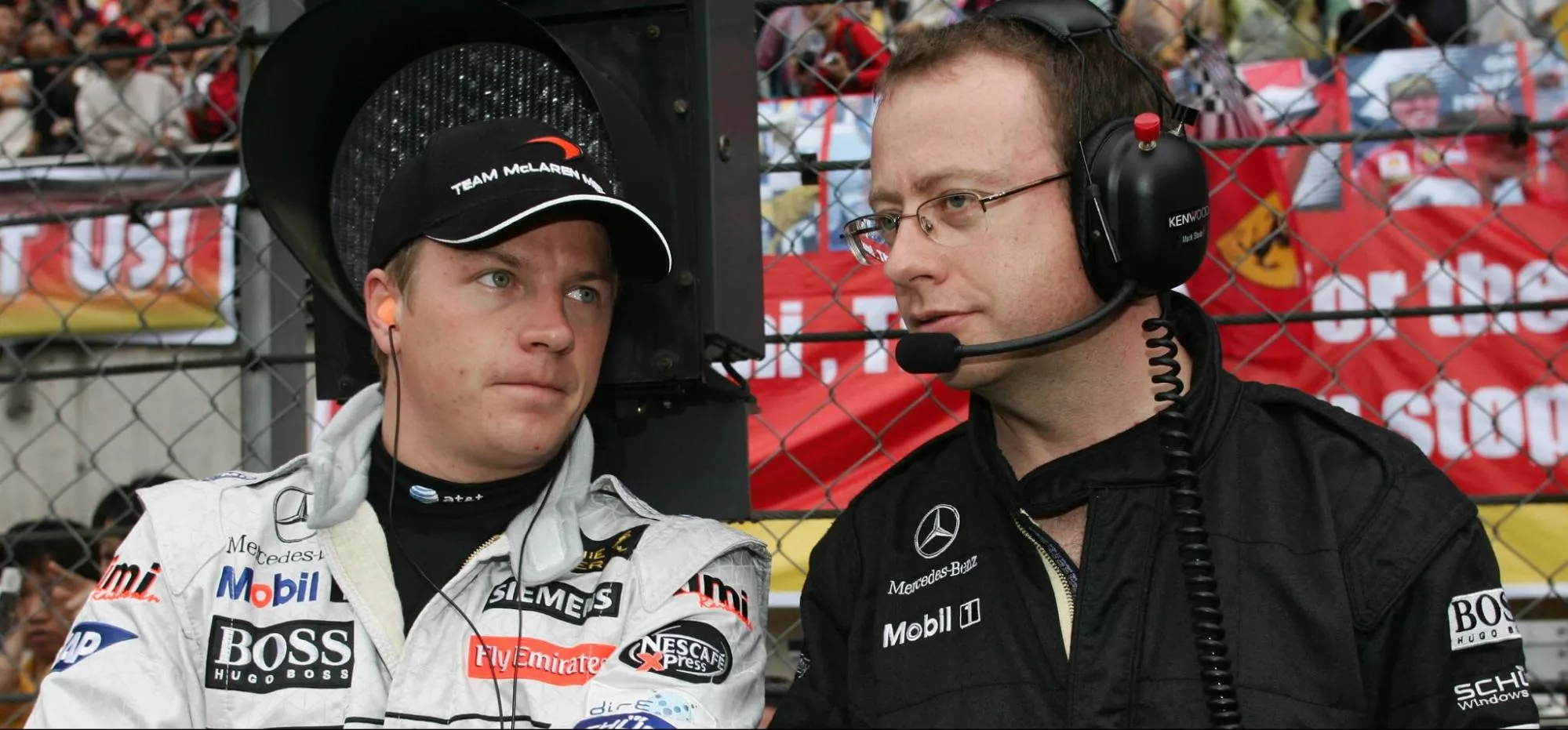
Kimi Raikkonen and Mark Slade

Mark Slade (R) with Kimi Raikkonen (L) at McLaren in 2006
Dan Fallows

Career

Dan Fallows on what F1 teams really want - and why he joined Racing Bulls

What advice would you give to someone who wants to build a career in motorsport, just as you did?
 
Persistence is the key thing.
 
When I started, I honestly didn’t think I would get into the business. But I knew that if I didn’t try, then I definitely wouldn’t.
 
I studied engineering at university, got good grades, and then started applying to teams. Eventually, I got a job at Reynard Racing Cars. The pay was very small, but it was a foot in the door.
 
For anyone starting out today, the important thing is to focus on getting that opportunity rather than worrying about money at the beginning.
 
You also need to work logically, learn quickly, and work well with people. The success I’ve had has largely been because of the people I worked with and the situations I was fortunate to be part of.


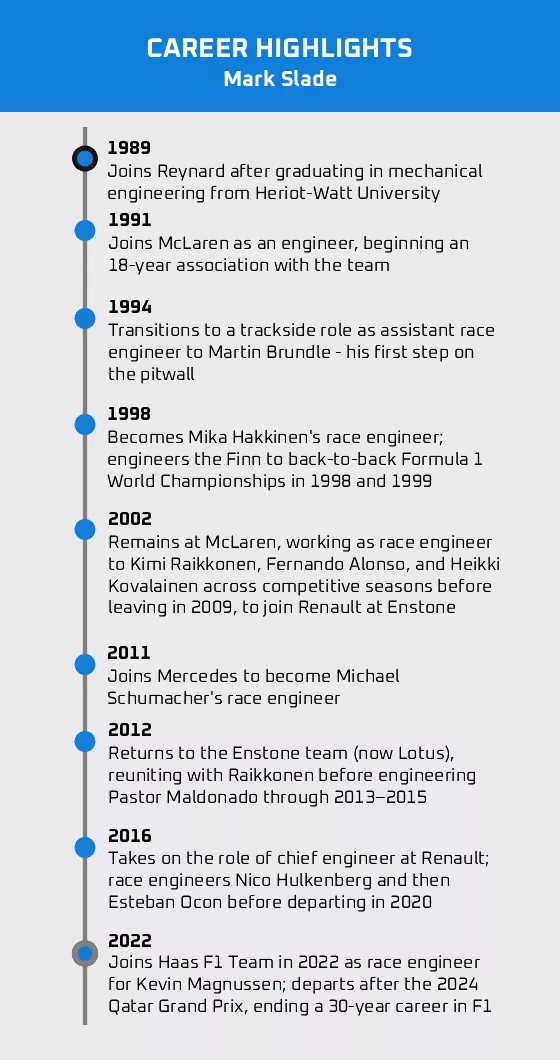
Mark Slade's career timeline
CFD in F1 and architecture

Career, Innovation, Future

The engineer who swears by CFD and uses F1 tech to solve real-world problems

What was the day-to-day of your job?

My most recent role was race engineer for Kevin Magnussen at Haas.
 
In reality the job involves a huge amount of travelling. Airports aren’t my favourite place, and when you go to 24 races in a year, it becomes very tiring.
 
Between races, you’re working in the office, preparing for the next event. At Haas the office in Banbury was actually quite small, and the room I was in didn’t even have windows.
 
But once you get to the circuit, that’s when things get interesting - running the car, analysing data and working closely with the driver.
 
Haas had fewer resources than many teams. For example, we didn’t have a simulator and our simulation tools were relatively basic compared to the bigger operations.
 
In some ways, that meant I had a bit more influence over things, but to compete consistently in Formula 1 today, you really do need large factory support groups analysing the data and developing systems.
 
That said, Haas is a very good race team. The mechanics and engineers are excellent, and because the team is smaller, there is a strong focus on doing the best possible job with the resources available.

What’s one example of a time when you made a mistake and bounced back? 
In motorsport, it’s rarely about one individual mistake because it’s such a team effort.
 
Everyone makes small mistakes from time to time, but it’s unusual for one person’s error to have a massive impact.
 
One example I remember was when we were running the McLaren MP4-20 with Kimi Raikkonen in 2005.
 
We had a set-up direction on the car that simply wasn’t working very well. At a test in Jerez [Spain] we made some significant changes, particularly to the front suspension.
 
Kimi took pole at the next race, and that basic set-up direction stayed with the car for the rest of the season.
 
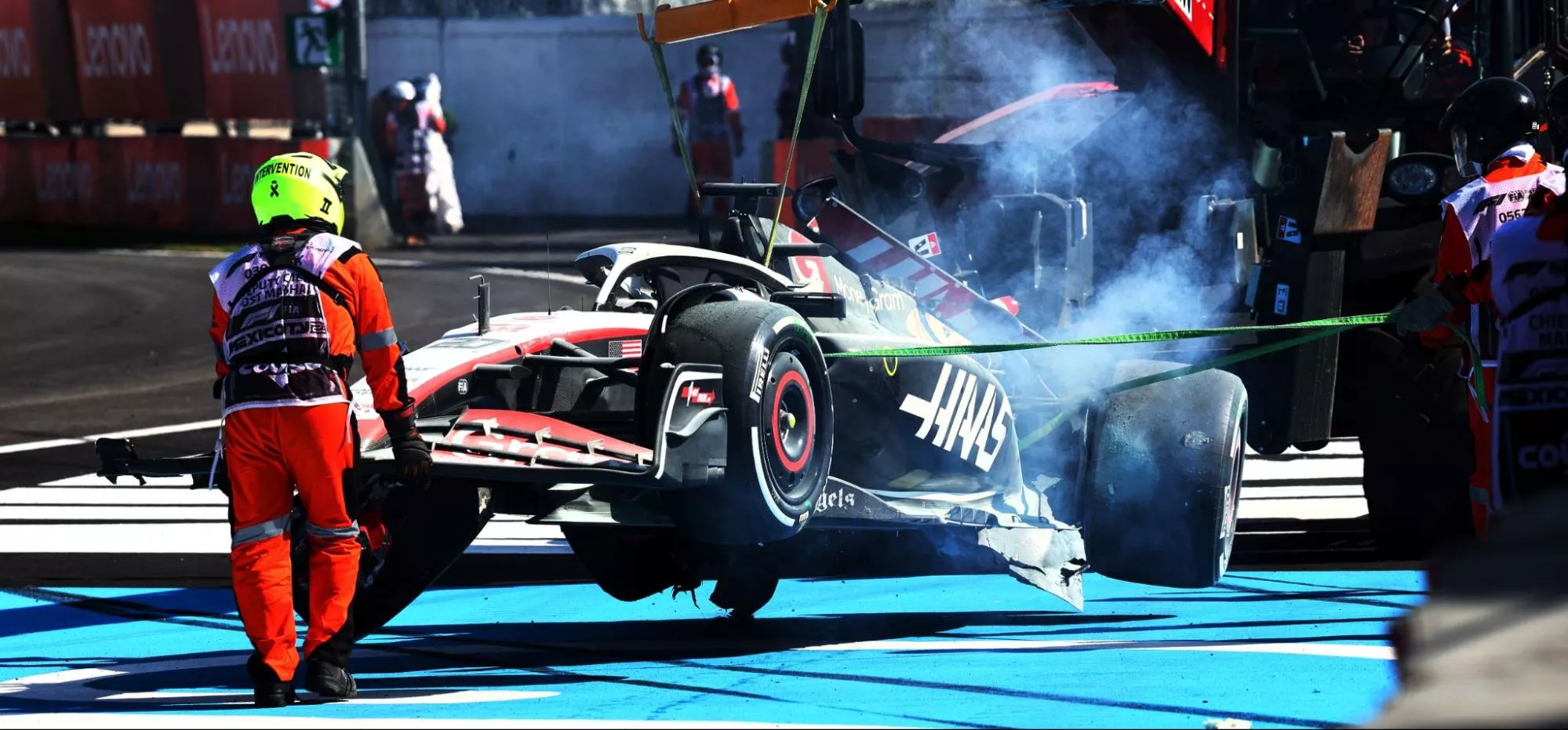
A more dramatic example happened in Mexico in 2023 with Kevin Magnussen when we had a rear brake fire, which ultimately put him in the barrier.
 
It was a horrible situation because we hadn’t reacted quickly enough to the data we were seeing.
 
But when we returned to Mexico in 2024, Kevin finished seventh and drove probably his best race of the season. At one stage, he was even catching Max [Verstappen], so that felt like a proper bounce back.
Haas f1 car with smoke

Kevin Magnussen crashed out of the 2023 Mexico City GP with a rear brake issue; he returned to finish seventh in next year’s race
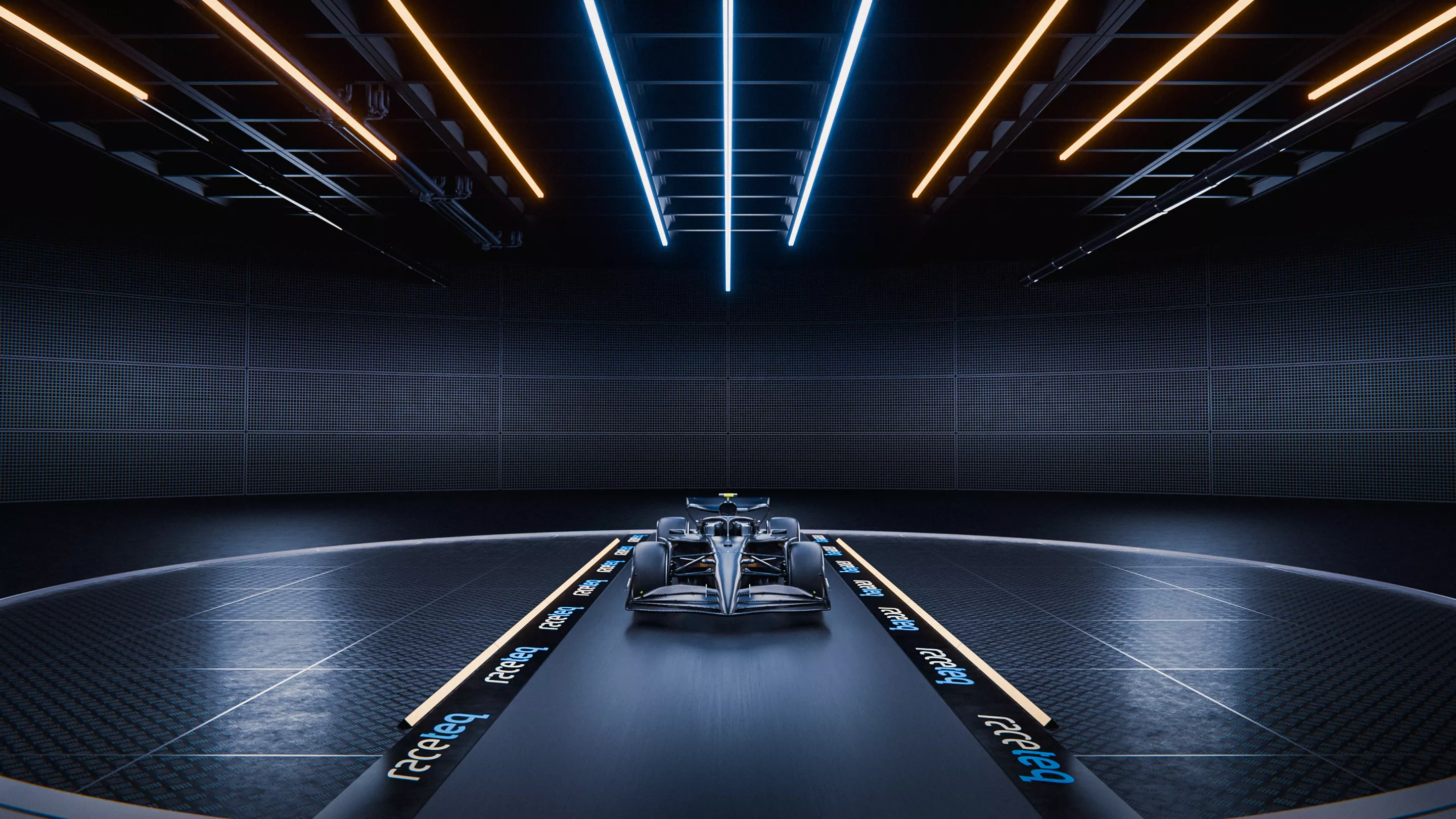
F1 car in studio - Raceteq

Innovation, Motor, Car

The definitive glossary of motorsport technology from ABS to zylon

What’s your favourite motorsport innovation?


The biggest influence on performance over time has been aerodynamics.
 
But the development of aerodynamics in Formula 1 was really enabled by rolling-road windtunnels.
 
Without moving-ground windtunnels, the aerodynamic development we see today would have been severely limited.
 
If you’re talking about something actually on the car, then one of my favourites was the brake-steer system we ran at McLaren in 1997 and 1998.
 
It started with a very simple concept - an additional brake pedal connected to the inside rear wheel to help control understeer in certain corners.
 
It cost less than a couple of hundred pounds but gave several tenths of a second per lap, sometimes even half a second. It was incredibly effective before the FIA banned it.
 
Another fascinating area has been aero-elasticity, where aerodynamic surfaces are designed to flex in a controlled way to improve performance and balance.

What’s your favourite motorsport vehicle?


The McLaren MP4-20 would probably be my favourite.

It was simply an outstanding car. It had brilliant aerodynamics and a very powerful engine, although unfortunately, reliability wasn’t always perfect.
 
Kimi drove that car incredibly well. At various points during the season, it was clearly the fastest car in the field.
 
We didn’t win the championship for a number of reasons, but from an engineering point of view, it was a fantastic car to work with.
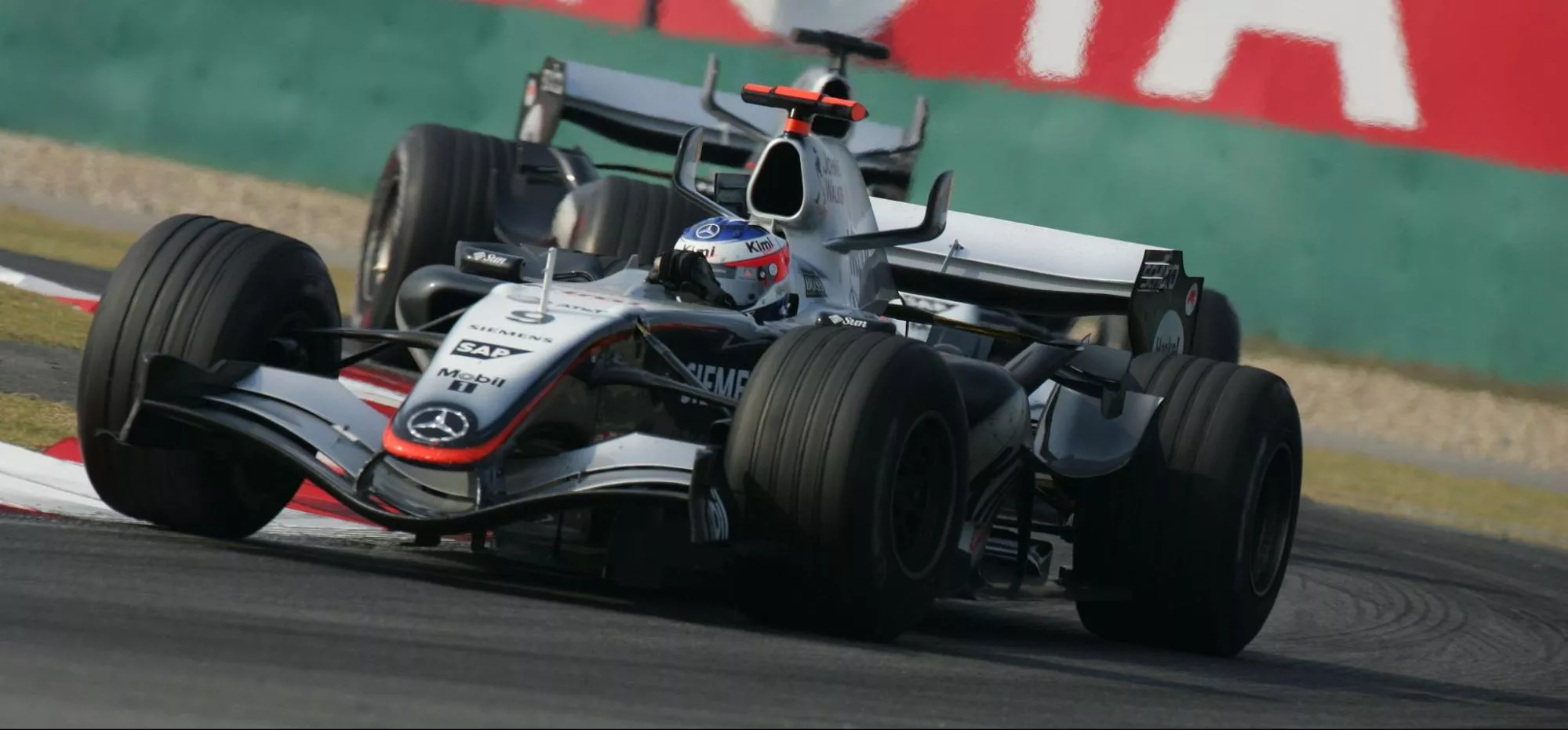
McLaren F1 car

Kimi Raikkonen at the wheel of the McLaren MP4-20
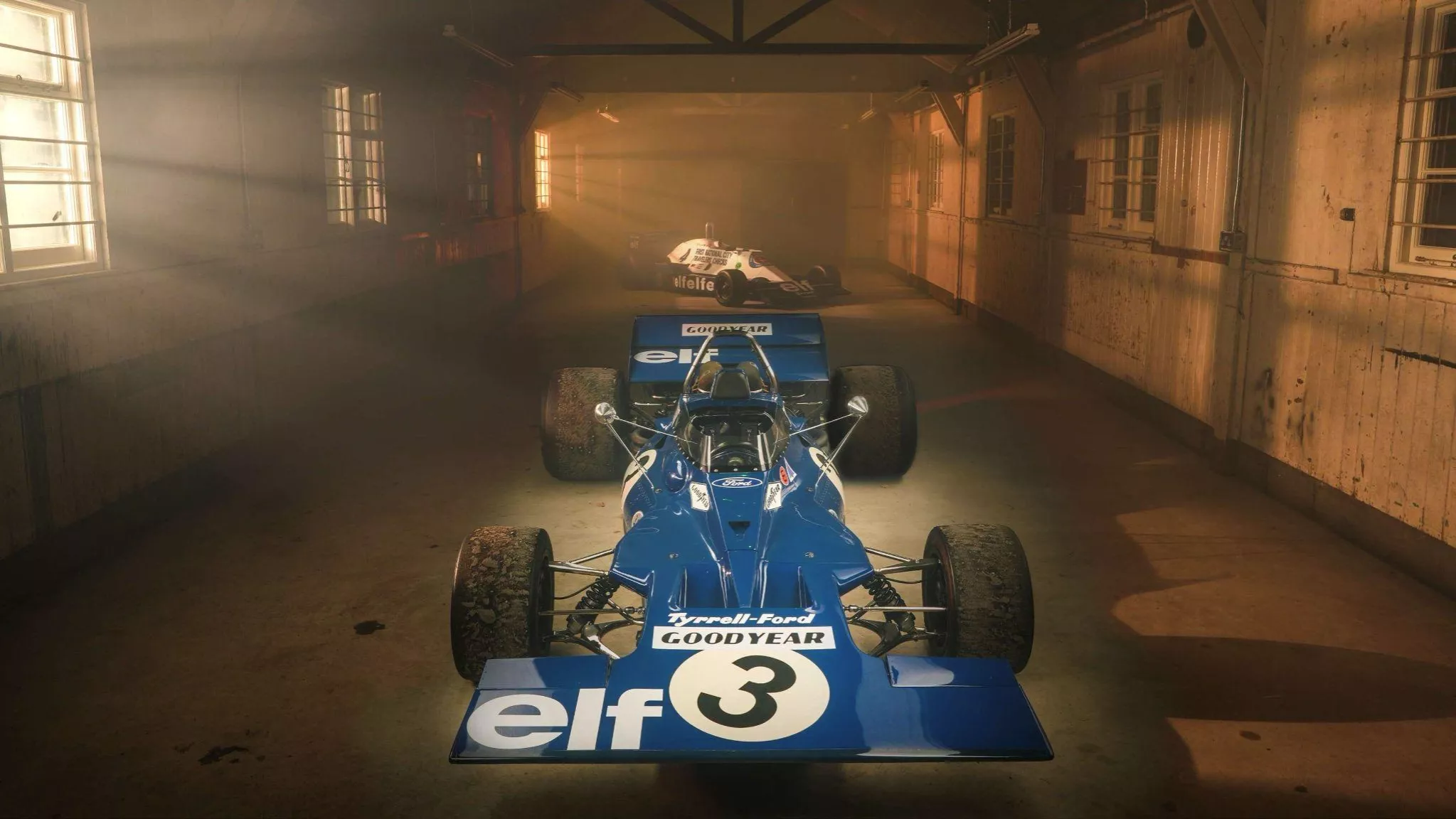
Tyrrell shed image courtesy of Goodwood

Innovation, Car, Future, Career

The story of the Tyrrell shed that began a Formula 1 championship-winning dynasty

Who is one motorsport personality that you would love to have dinner with, and why?

 
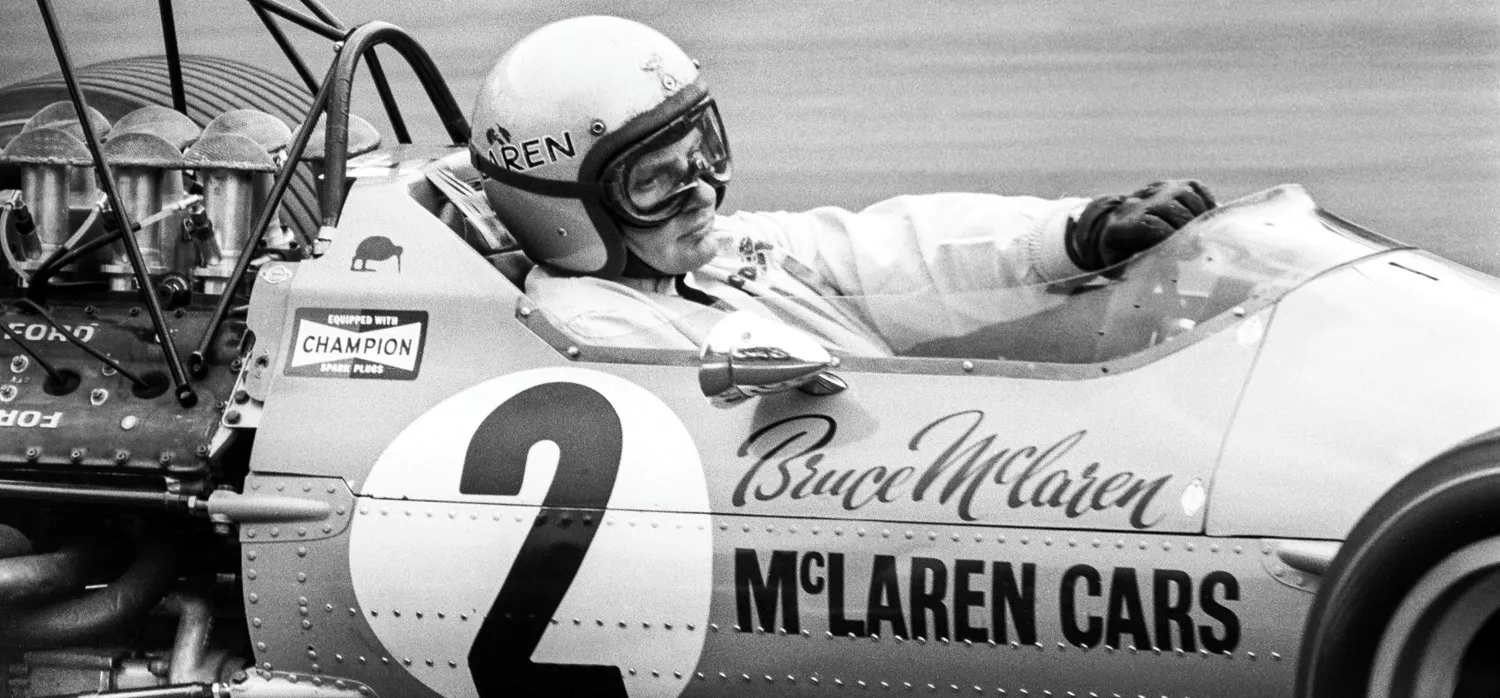
If I could choose someone to sit down with, it would probably be Bruce McLaren.
 
From everything I’ve heard from people who worked with him - including my friend and colleague Tyler Alexander - he was not only a brilliant driver but also a superb engineer and team leader.
 
He was the kind of person everyone wanted to work for and go racing with.
 
It would be fascinating to talk to him about modern Formula 1 and hear what he would think of how the sport has evolved.
 

If you wanted every motorsport fan to understand one facet of motorsport, what would it be?
 
One thing I’d encourage fans to understand is the importance of overall vehicle balance.
 
A Formula 1 car is an extremely complex system. Performance comes from how well all the elements - aerodynamics, tyres, suspension and driver input - work together across the entire lap.
 
People often focus on individual technologies, but ultimately, success comes from integrating everything into a balanced package.
Bruce McLaren

Bruce McLaren founded Bruce McLaren Motor Racing in 1963. Five years later, he became one of only three drivers, alongside Jack Brabham and Dan Gurney, to win a world championship in his own construction
What’s one racing circuit you’d urge every motorsport fan to visit (at least) once in their life?

 
Spa-Francorchamps.
 
It’s one of those circuits that really captures the essence of racing.
 
The elevation changes, the speed of corners like Eau Rouge, and the unpredictable weather all make it a very special place.
 

What’s one big change you’d make to the Formula 1 regulations?

 
The biggest challenge for Formula 1 is always finding the balance between technological development and good racing.
 
The sport is incredibly advanced technically, but the most important thing is that the cars allow drivers to race properly and show their skill.
 
If regulations can achieve that balance, then Formula 1 will always remain compelling.

Related articles

Mario Isola

Career

10 Questions With… Mario Isola

Miami F1 start 2025

Career, Innovation

Meet the designers making the world’s greatest racetracks

Sign up to receive regular newsletters and ensure you stay ahead with exclusive articles on technological innovations and valuable insights into the world of motorsport

Make sure you're fully up-to-date in the world of race technology

By signing up, I acknowledge that I have read and understood the content of the Terms and Conditions