Innovation

Dan Fallows: Is there an F1 winter shutdown, and what do aerodynamicists do after the season ends?

by Dan Fallows

5min read

Dan Fallows headshot
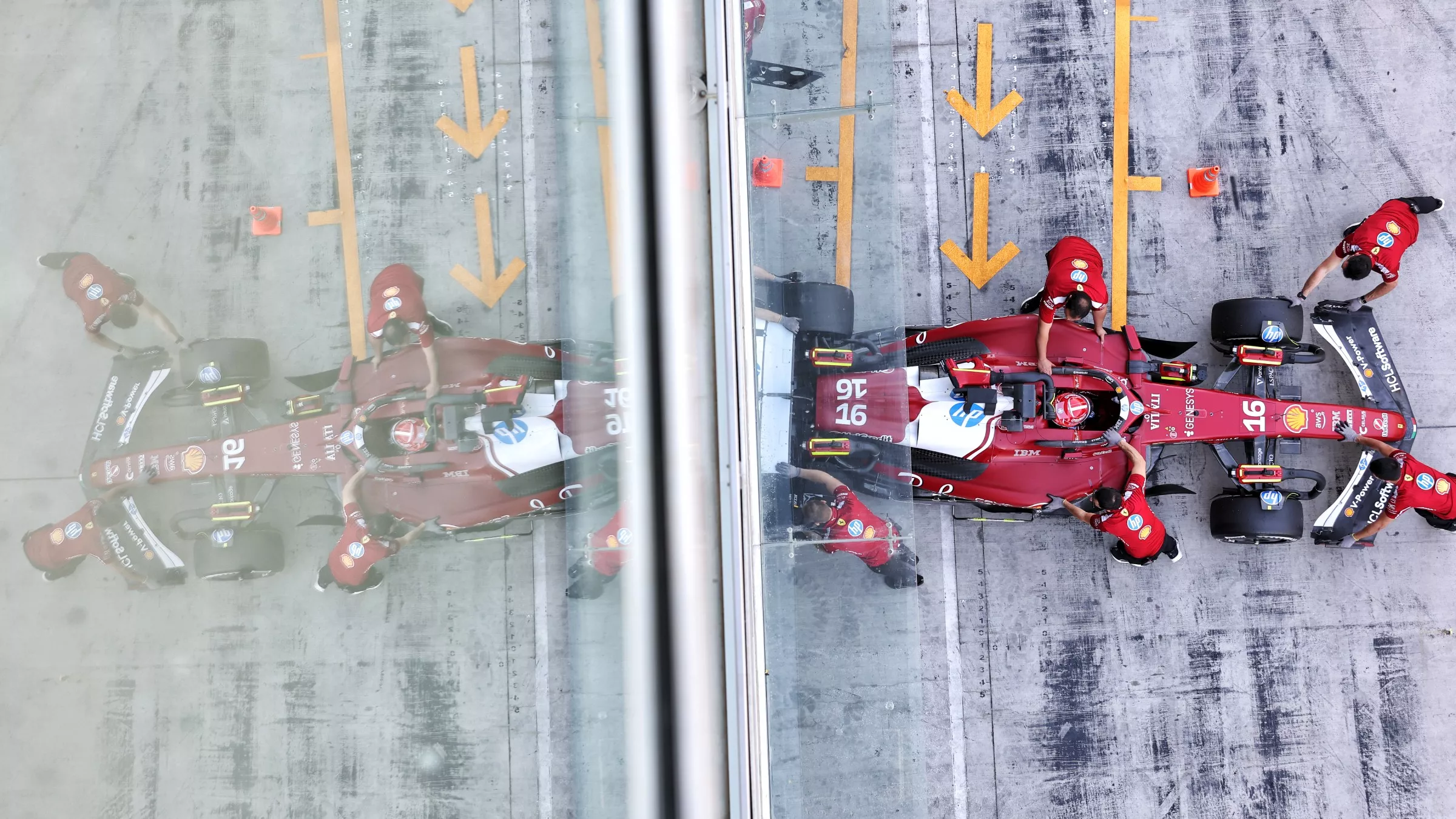
Ferrari F1 car going back into pits

<div>For many in Formula 1, the winter break is a welcome hiatus from travelling and a chance to recharge before the new season. But for some departments like aerodynamics, the working world carries on.<br></div>

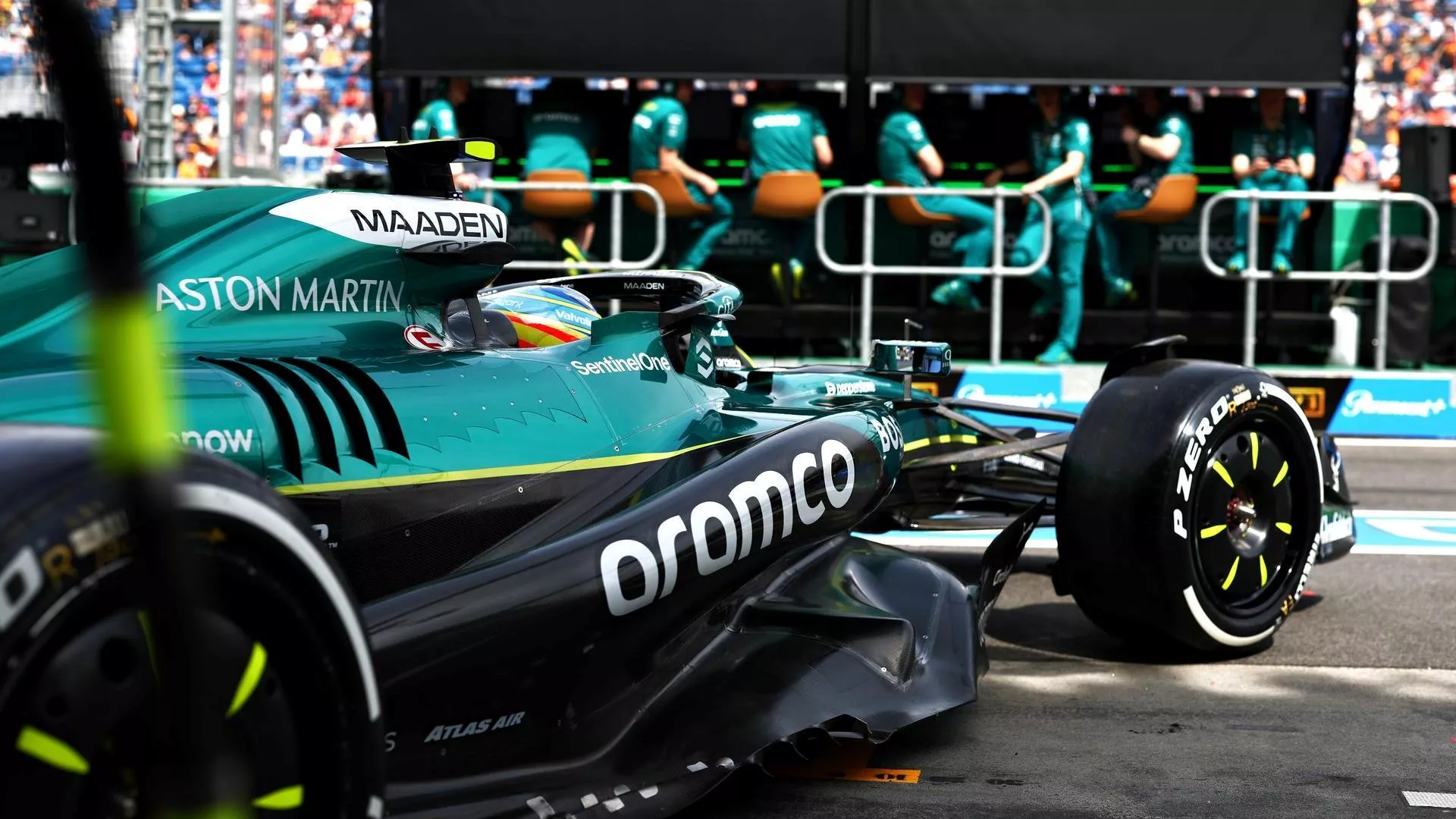
Aston Martin F1 car exiting garage

Sign up for a newsletter and we'll make sure you're fully up-to-date in the world of race technology
I have lost count of the number of times I have been asked when our “quiet time” is during the year, and my answer is always the same: we don’t have one. Work on producing one year’s car flows seamlessly into developing the next one, normally sometime in early summer. That’s when decisions need to be made on when to ramp down in-season development in favour of concentrating on the following season’s machine.

Whilst the race team and travelling staff take some well-deserved time off, aerodynamic development carries on regardless. However, there is certainly a different feel to this time of year. The majority of next season’s car will have had to be released by December as it takes weeks, and sometimes months, to manufacture the required quantities of parts. The focus will then be on developing the first critical updates.

Far from releasing a car to manufacture and then waiting to see how it performs, the team’s aerodynamicists will immediately start the process of upgrading and tweaking the car. The aim will be to deliver some new parts to the car during preseason testing and, in some cases, even a major update package for the first race of the season.

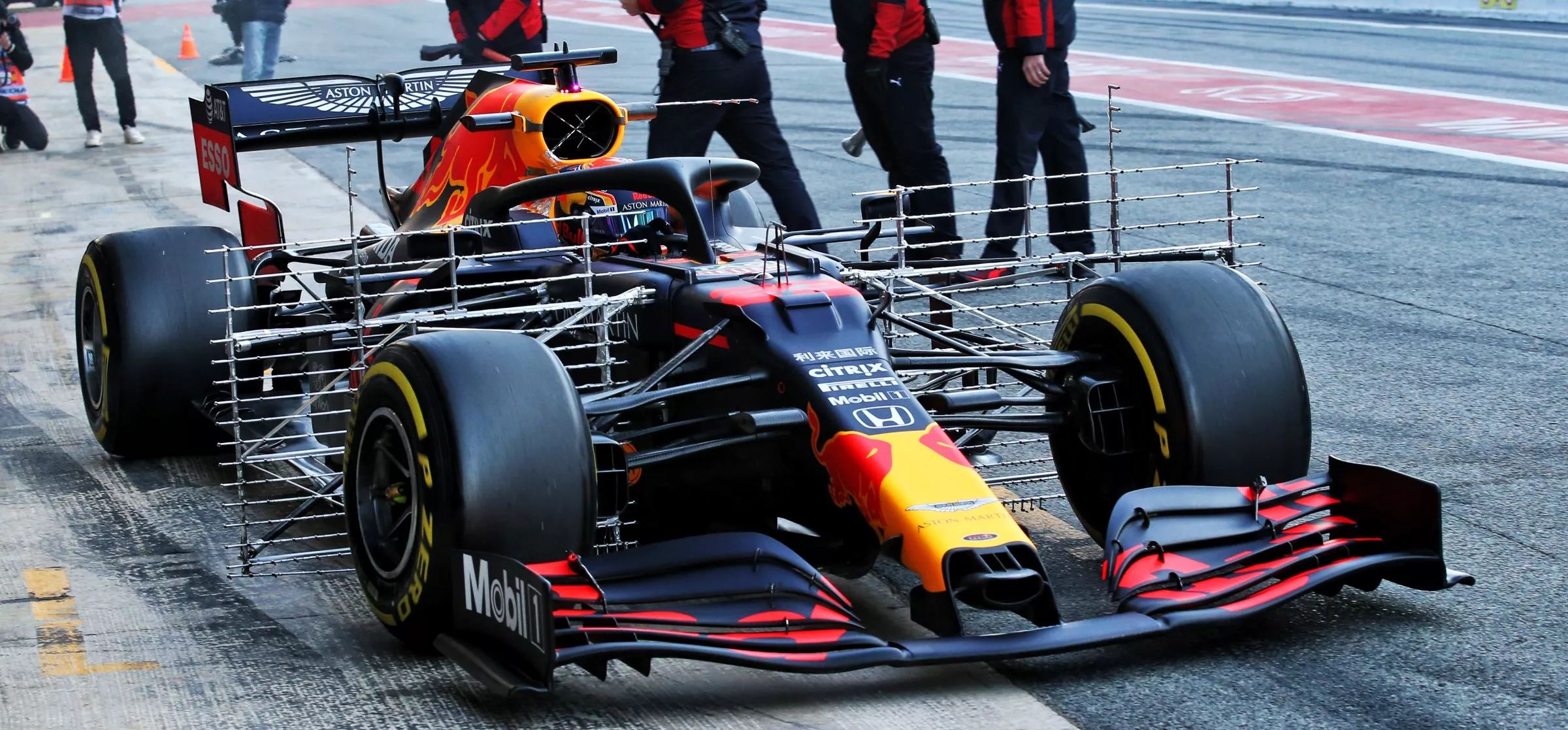
Depending on the stage of the regulation cycle, we may be looking at an evolution of the current car or, as is the case going into 2026, a complete upheaval. In the former case, it’s common that the team has a reasonable idea of how its car development is going. For example, going into the 2020 season at Red Bull, we knew we had made good progress with the RB16.
Red Bull F1 car

The Red Bull RB16 adorned with aero rakes - sensors measuring airflow behind the front tyres and wing - during 2020 preseason testing in Spain
F1 chequered flag

Career

Dan Fallows: What happens when you leave a Formula 1 team?

But that was an unusual season, one that was disrupted by the global pandemic. Instead of starting in March, as planned, the season began with two races in Austria in July.

After initial indications that RB16 would be competitive, we realised that it suffered from some instabilities, which meant we were not as close to Mercedes as we would have liked once the season finally started. It became clear that substantial modifications were needed to the front end of the car, but we only learned this in time to effect the changes for the following year. 

Despite teams agreeing to carry over many parts for 2021, we were able to make the RB16B perform closer to its potential. Going into the winter break, there was a palpable sense of excitement that we were going to get on top of the persistent issues. 

Believing you have a chance of a genuinely competitive car puts a spring in everyone’s step and we hit the ground running in 2021 with a series of updates in the early races.
Red Bull F1 car

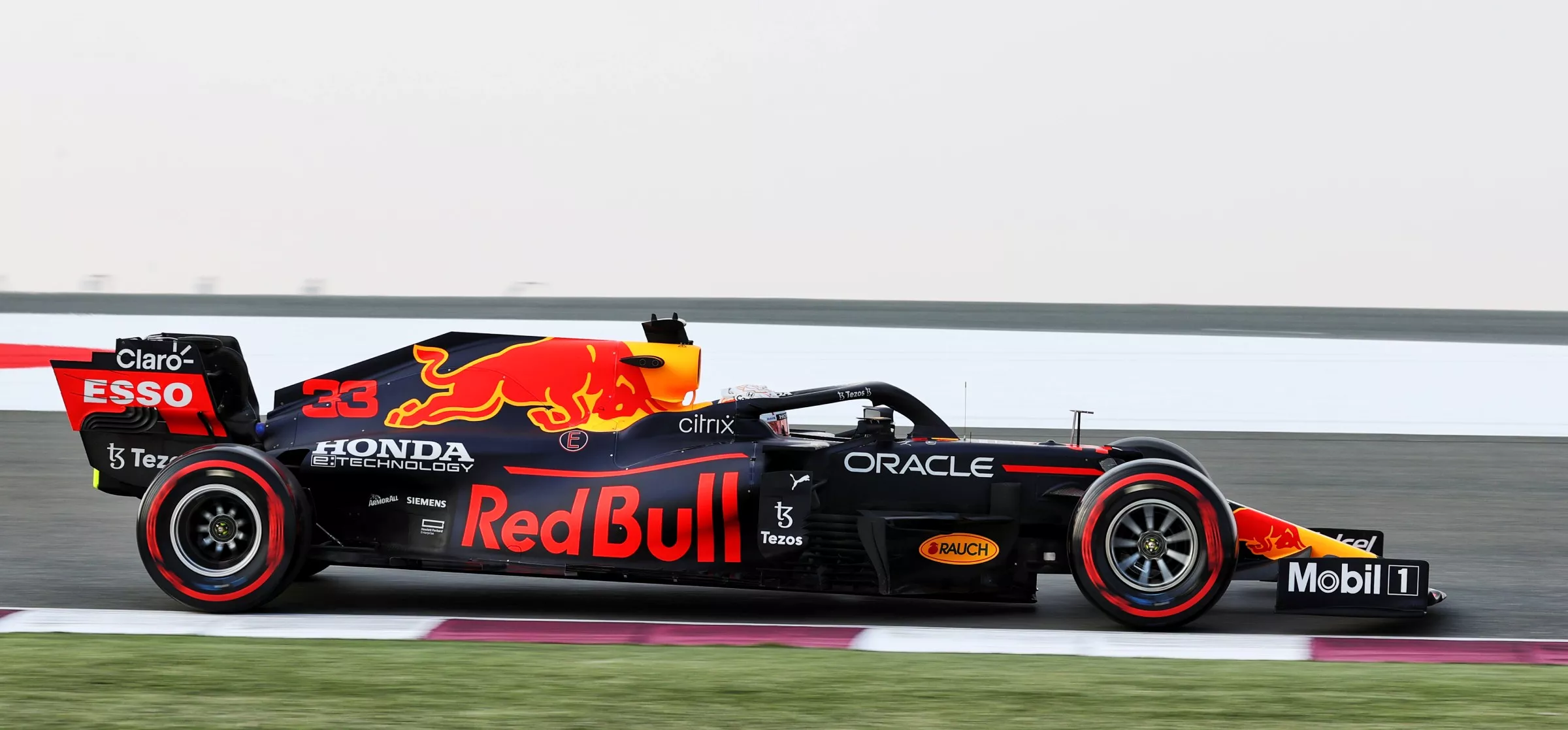
Max Verstappen won his first F1 drivers’ championship with the 2021 Red Bull RB16B, an evolution of the 2020 RB16

Airflow under an F1 car

Car, Innovation

CFD in F1: How does Computational Fluid Dynamics drive performance?

In contrast, a big regulatory change brings with it a degree of risk and uncertainty. How good is the baseline car you have released? Will it need major changes to make it perform respectably, or has your team missed a trick with the rules that means you are missing a key aerodynamic device?
 
To some extent, simulation can help by highlighting areas where the car you have delivered might be weak. But the one thing it can’t tell you is how everyone else has done. F1 is a relative game, and no matter how objectively ‘good’ your car is, you can be beaten by a better one.

Rather than listening to rumours coming from other teams or trying to predict the future, aerodynamicists should focus on doing the best job they can in the absence of any hard data.

For 2026, one major area of difference is the front wing, which not only has a very different geometry but also has to have moveable flaps. Every team will have an ongoing development programme to improve the performance of this critical device, which has many jobs to do. It has to provide a requisite amount of front downforce, be adjustable enough to give a good range of aero balance, and do so in such a way as to provide good quality air flow to the rest of the car’s aero devices.

Each team will have released their “launch” front wing and will then work on an improved version. Planning this development is usually a case of working back from a targeted introduction date, typically during a preseason test. Knowing how long it will take to manufacture, the aerodynamicists are then given a drop-dead date by which they must release the surfaces to the design office.
2026 F1 car render

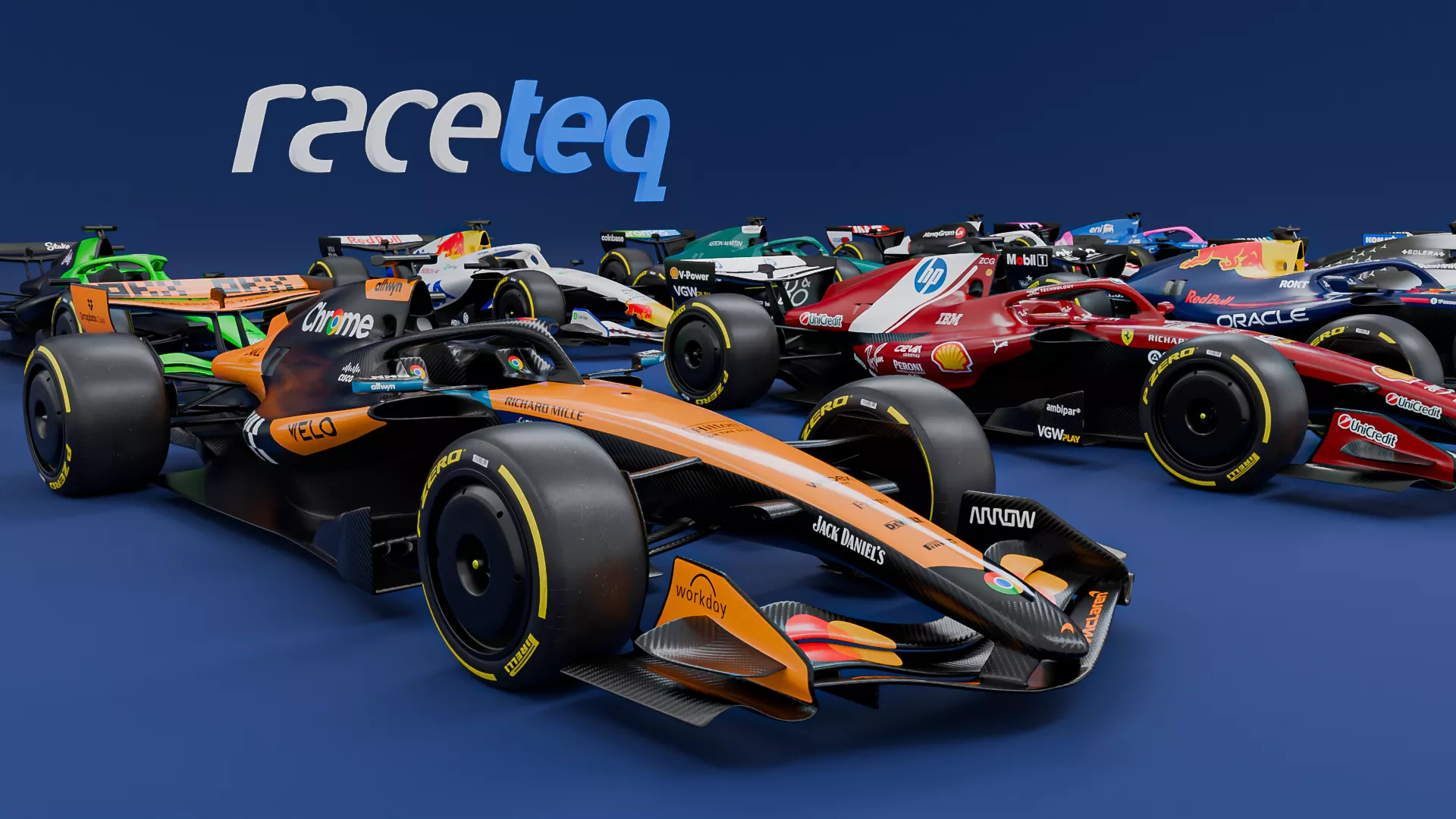
Formula 1’s render of the 2026 F1 car, which includes moveable aerodynamics on the front and rear wings of the car
2026 F1 cars in 2025 liveries

Car, Innovation, Motor, Future

Dan Fallows: Is F1 ‘throwing it all away’ with 2026 rules overhaul?

The group inside aerodynamics, who are responsible for the front wing, will then take their learnings from the launch wing and think about how to make a good step. This will involve running hundreds of new designs through computational fluid dynamics (CFD) simulations and sending the most promising ones to the wind tunnel for evaluation through the attitudes and conditions that the car will see on track.

Rather than simply looking at how much downforce the wing produces, the team will be looking for its behaviour through these different conditions. Wings in ground effect produce more downforce as they get closer to the ground, up to a point. That can be used to generate more overall downforce but can also cause problems when the front of the car dives down under braking. Excess load generated from the front wing can shift the aerodynamic balance forward considerably and make the rear of the car unstable as a result.

Deciding how to trade peak downforce for stability and consistency through conditions can be difficult. It is made even harder without knowledge of your own car’s limitations. Does your car perform worse compared to others in windy conditions? If so, you might want to put more effort into improving consistency in yaw. But if you have no reference point, the temptation is just to put more downforce on the car and wait for more data.
Lewis Hamilton looking at Ferrari

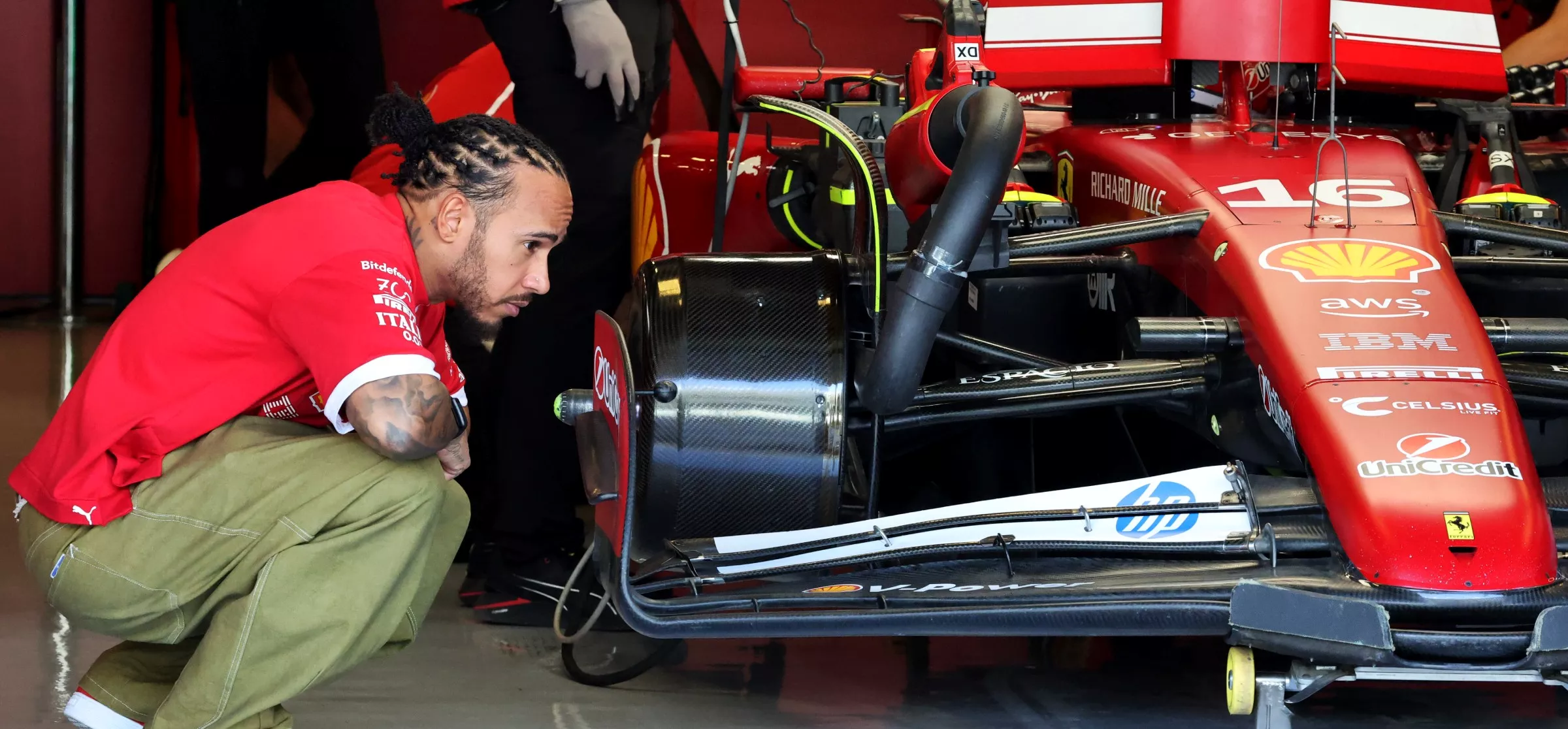
Ferrari’s Lewis Hamilton examines his teammate Charles Leclerc’s Ferrari after the 2025 F1 season had ended. F1 factories must shut down for nine consecutive calendar days from December 24, as per the FIA sporting regulations

Before an enforced winter shutdown was introduced, F1 teams around Christmas time were strange places. 

Typically, any travelling staff would take longer holidays, but the aerodynamics, vehicle performance, manufacturing and design departments would be extremely busy. Now, most people have an enforced break, similar to the one in the summer. From personal experience, this is both welcome and frustrating in equal parts. 

Having more guilt-free time with the family is good but having to stop midway through promising development projects can be painful.

Whatever the feeling inside each F1 team, whether optimistic or trepidatious, aerodynamic development will be continuing in earnest. The base car may have been designed but the foundations for a competitive campaign are laid now, in the midst of winter, before the cars have even turned a wheel. 

Related articles

F1 chequered flag

Career

Dan Fallows: What happens when you leave a Formula 1 team?

Mercedes and Brawn GP car

Car, Motor, Innovation

12 of the biggest innovations in F1 over 75 years

Sign up to receive regular newsletters and ensure you stay ahead with exclusive articles on technological innovations and valuable insights into the world of motorsport

Make sure you're fully up-to-date in the world of race technology

By signing up, I acknowledge that I have read and understood the content of the RaceTeq Terms & Conditions