Innovation
F1 2026 explained: Active Aero, Boost, Recharge and Overtake Mode
by Samarth Kanal
6min read
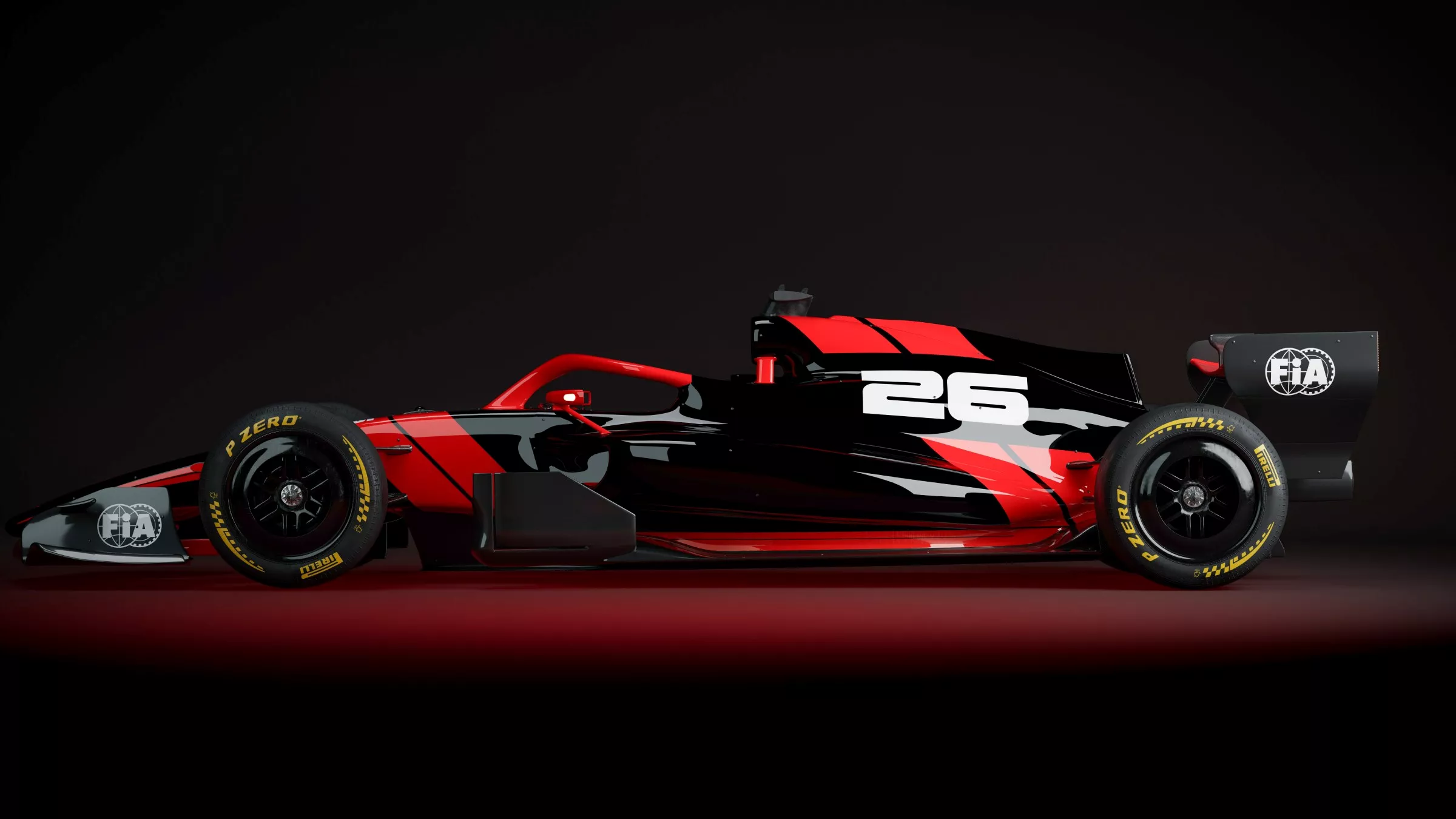
The 2026 Formula 1 era is nearly here with an extensive set of regulations bringing in new aerodynamics, new power units and new fuel. F1 as we know it will be overhauled - but there are four major changes that will shape the on-track spectacle.
Sign up for a newsletter and we'll make sure you're fully up-to-date in the world of race technology
Moveable aerodynamics is one part of the new 2026 regulations. The Drag Reduction System (DRS) is out; now the front and rear wings open up to reduce drag.
Meanwhile, the hybrid power units are transformed by more powerful electrical components, which will form part of a new ‘Overtake Mode’.
The rules continue to be tweaked and honed in preparation for the new season, but here are four crucial changes that you need to know about.
1. Boost
F1 drivers already have the ability to deploy extra energy from the battery to aid in overtaking or defending but, in 2026, this will be known as ‘Boost’.
This is a configurable mode that will deploy extra power from the battery if the driver has sufficient energy stored.
The cars retain the V6 turbocharged hybrid power units, but they no longer include the Motor Generator Unit - Heat (MGU-H) that harvested waste heat energy from the turbocharger.
Instead, the Motor Generator Unit - Kinetic (MGU-K) comprises the hybrid component of the engine.
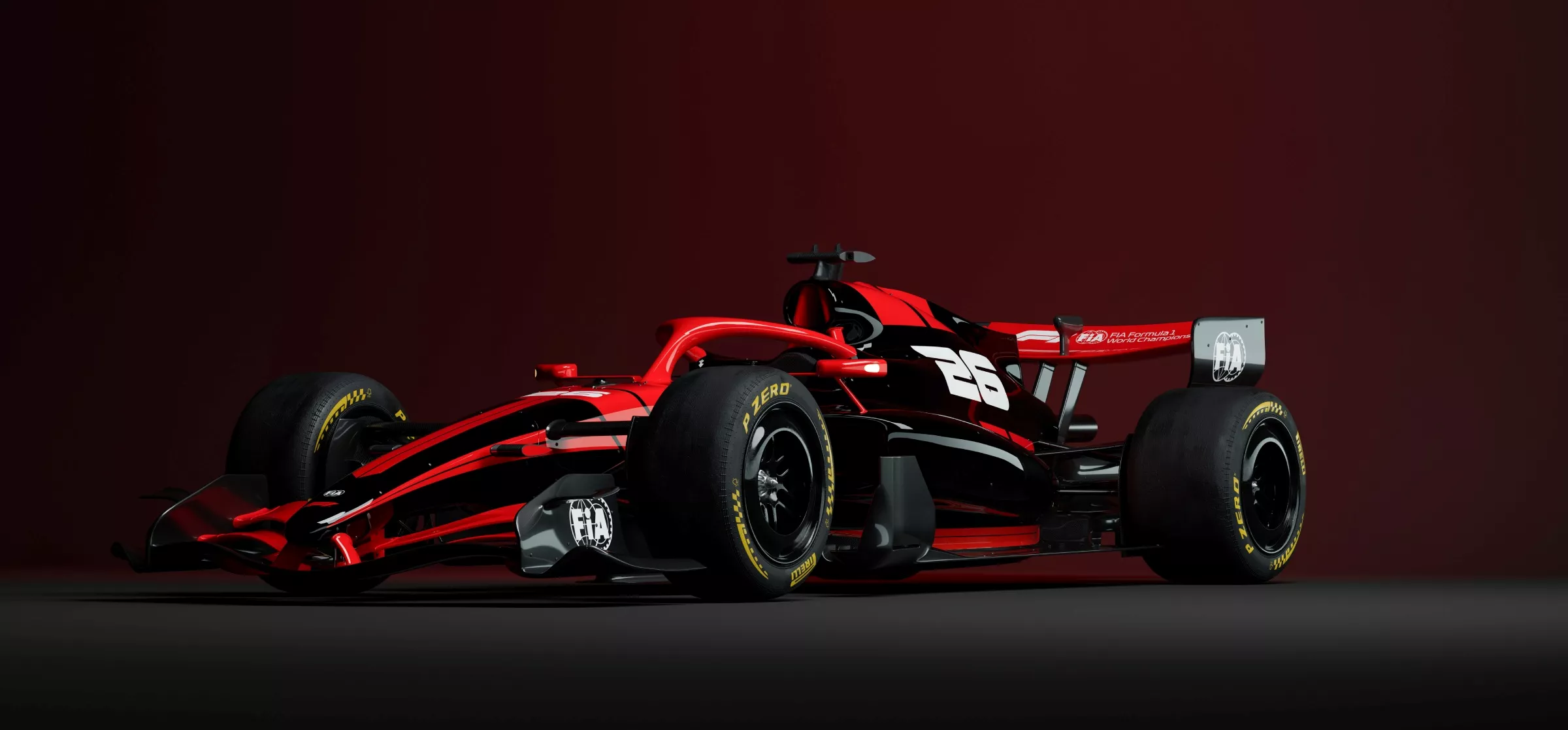
Approximately half of the F1 car’s power will be supplied by the MGU-K from 2026
/xpb_1314694_hires.webp?cx=0.48&cy=0.64)
2. Overtake Mode
From 2011 to 2025, F1 relied on DRS as its overtaking aid. In this case, F1 drivers within one second of the car ahead could open up the main flap of the rear wing to reduce drag and provide a top speed boost at predetermined points on the track.
In 2026, drivers will now have an extra 0.5 megajoules of power from the MGU-K to aid overtaking at predetermined points on the track - usually the final corner leading onto the main straight.
Unlike DRS, this is an increase in power and will not compromise aerodynamics by reducing drag.
This is officially termed ‘Overtake Mode’.
Overtake Mode is not to be confused with Boost; the difference is that the former is restricted by the driver’s location and the latter can be deployed at any time.
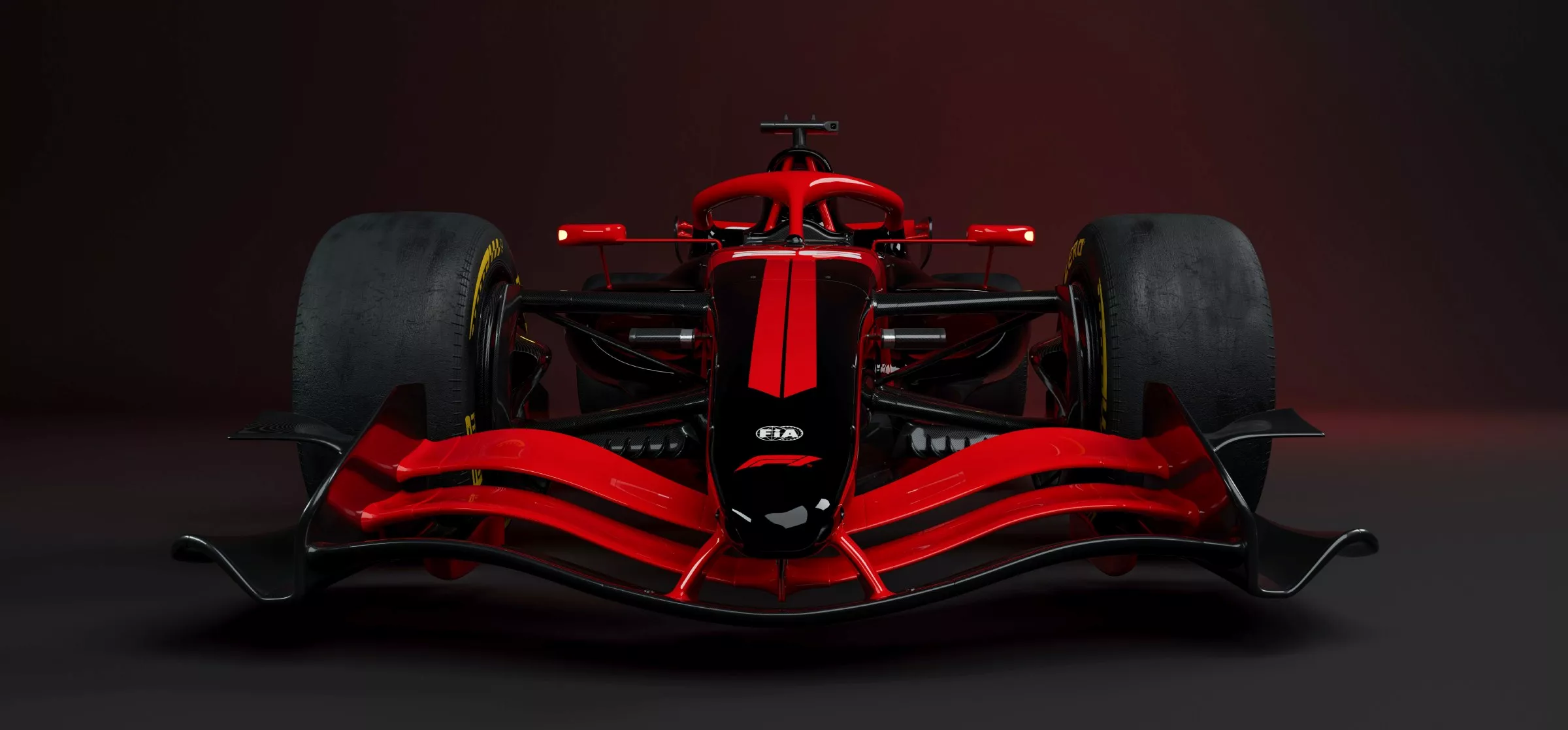
Drivers will be able to deploy Boost freely under normal racing conditions - as long as the battery is sufficiently charged
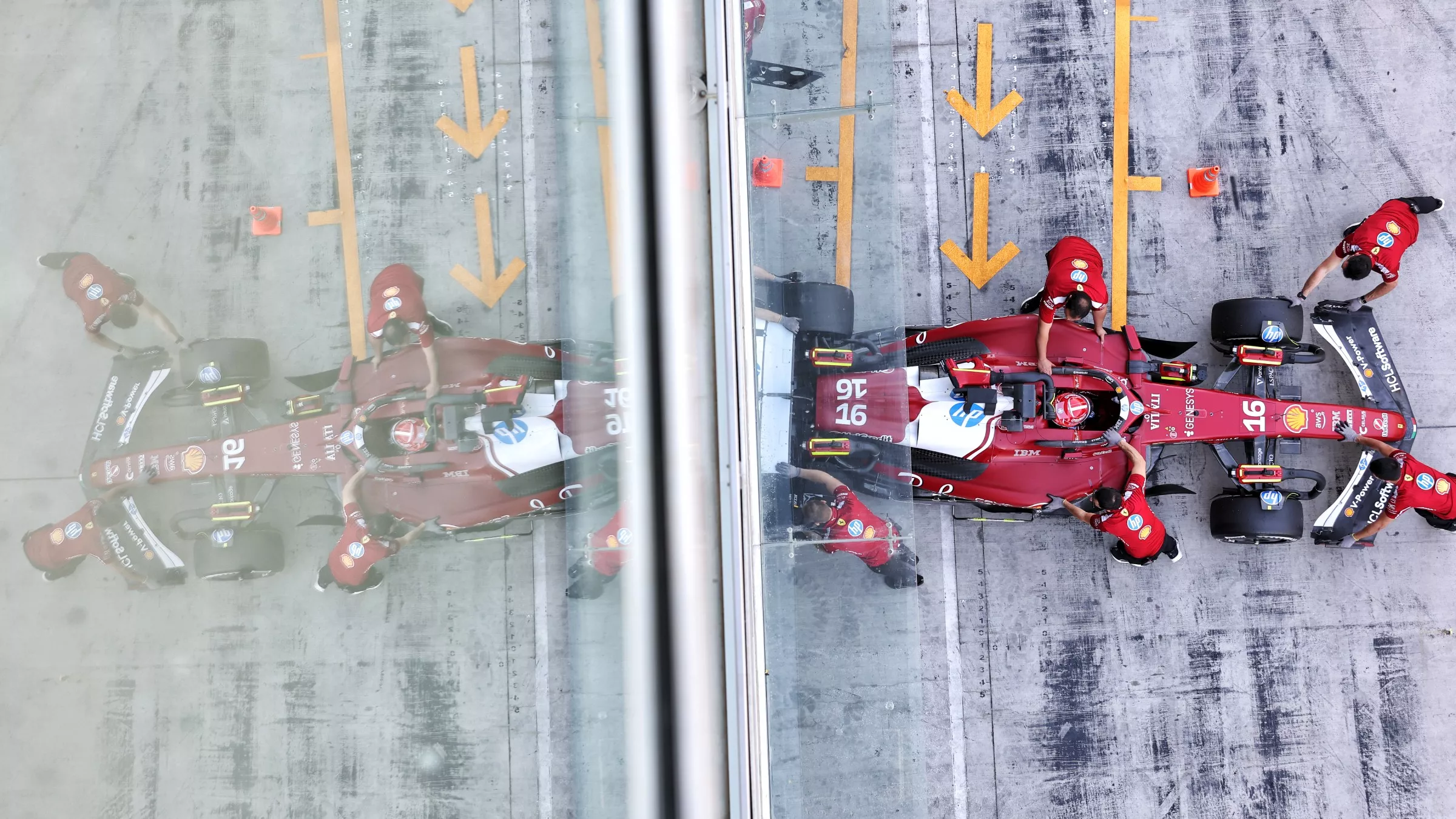
3. Recharge
Another tool at the drivers’ disposal is Recharge, which, along with Overtake Mode and Boost, can strategically be used to help gain or retain positions.
Drivers can choose from different modes to recharge their car’s battery which, using the Motor Generator Unit - Kinetic, is used to convert kinetic energy into chemical energy. That chemical energy can then be deployed through the aforementioned Boost and Overtake Modes to defend or gain positions.
Recharging is automated by the Engine Control Unit (ECU) but drivers can change how much energy is recovered from braking or slowing down.
In 2026, the MGU-K provides approximately triple the amount of energy as it did in 2025 - up to around 350 kiloWatts.
The MGU-K will therefore supply up to eight megajoules of energy per lap by harvesting energy from braking or throttle lift-off.
Managing Recharge will be a crucial part of driver strategy from 2026 onwards.
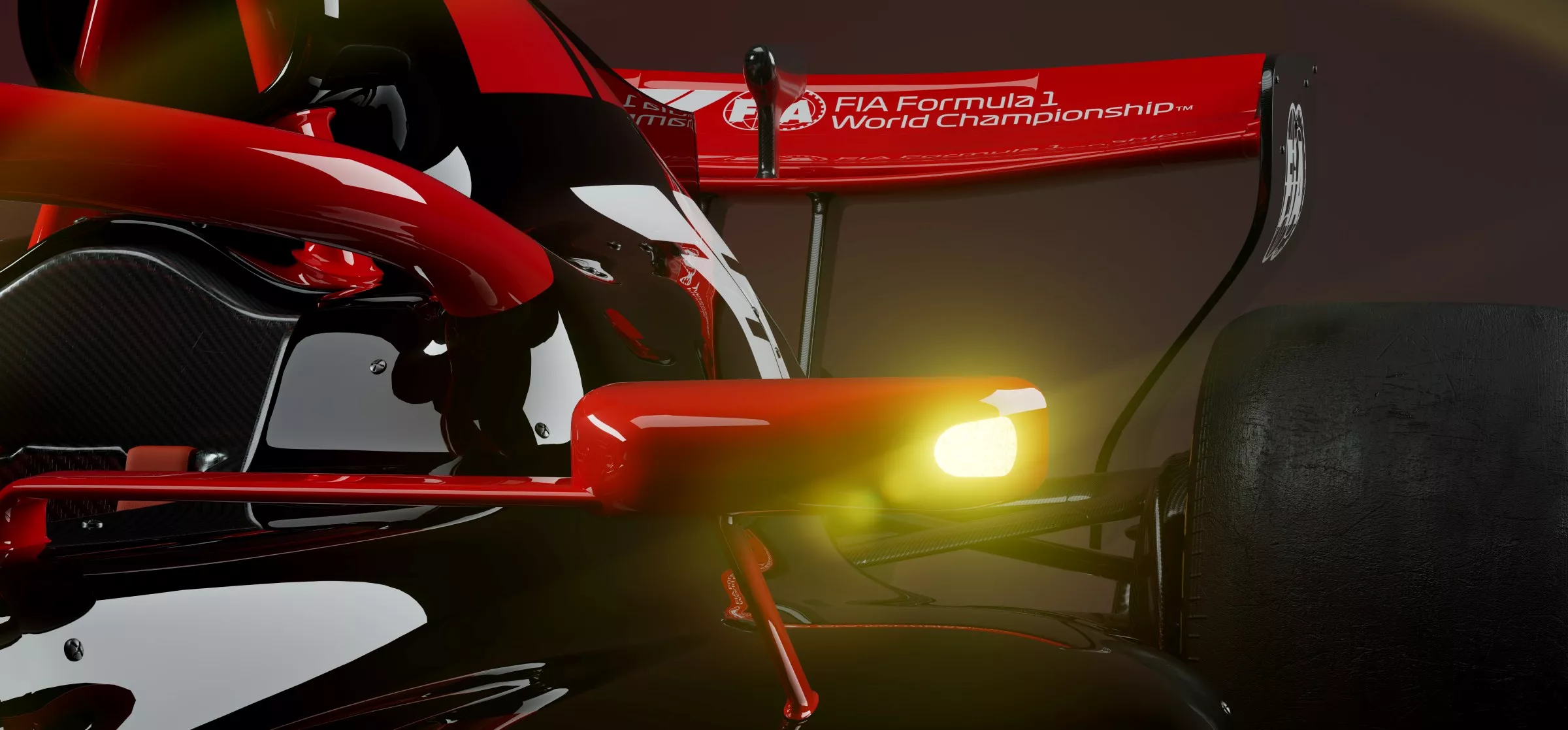
DRS has been replaced by Active Aero from 2026 while drivers will also have Boost, Overtake Mode, and Recharge at their disposal
4. Active Aero
With the dissolution of DRS comes the advent of active aerodynamics. In 2026, instead of just the rear wing opening up to reduce drag, drivers can choose to open both the front and rear wings to reduce drag at set points on the circuit.
The flaps will stay closed to maintain peak downforce through the corners but, on defined straights, they can be opened to reduce drag and increase top speed.
Drivers do not need to be within one second of the car in front to deploy active aerodynamics in 2026.
This was previously known as ‘X-mode’ and ‘Y-mode’, subsequently renamed ‘Straightline Mode’ and ‘Cornering Mode’, and now it’s called ‘Active Aero’.
In wet weather, slippery conditions, or under caution, Active Aero may be diluted for the sake of safety; instead of both flaps opening, drivers might only be able to open one of the flaps on the car to avoid a drastic reduction in drag and the corresponding loss of downforce and handling.