Motor
Fast-food technology in a 3cm box: F1 2026’s fuel flow meters
by Samarth Kanal
6min read
What if Formula 1 teams pumped as much fuel into their engines as they wanted?
Sign up for a newsletter and we'll make sure you're fully up-to-date in the world of race technology
Efficiency, safety and competitiveness would undoubtedly be compromised. With extensive changes to the power unit from 2026, there are also changes to how fuel flow is policed through the single-specification fuel flow meter.
Since 2014, F1 has imposed fuel flow restrictions on teams, striving to ensure that each engine manufacturer gets the most out of a set amount of fuel (100 kilograms per hour).
Before that, in 2013, F1 engines used around 160kg of fuel per race at a flow of 170kg per hour. Limiting fuel flow provided an incentive for teams to improve the efficiency of their hybrid power units, use less fuel, and reduce peaks and troughs of power.
From 2026 to at least 2030, Allengra is the sole supplier of fuel flow meters to F1. And it’s a special time to begin that process as teams adopt FIA-compliant 100% sustainable fuels, derived from “Advanced Sustainable” components (as defined by the FIA) to comply with F1 regulations.
Raceteq spoke to Allengra to find out more - including how tools made for the fast-food industry help shape F1.
.webp?cx=0.5&cy=0.5)
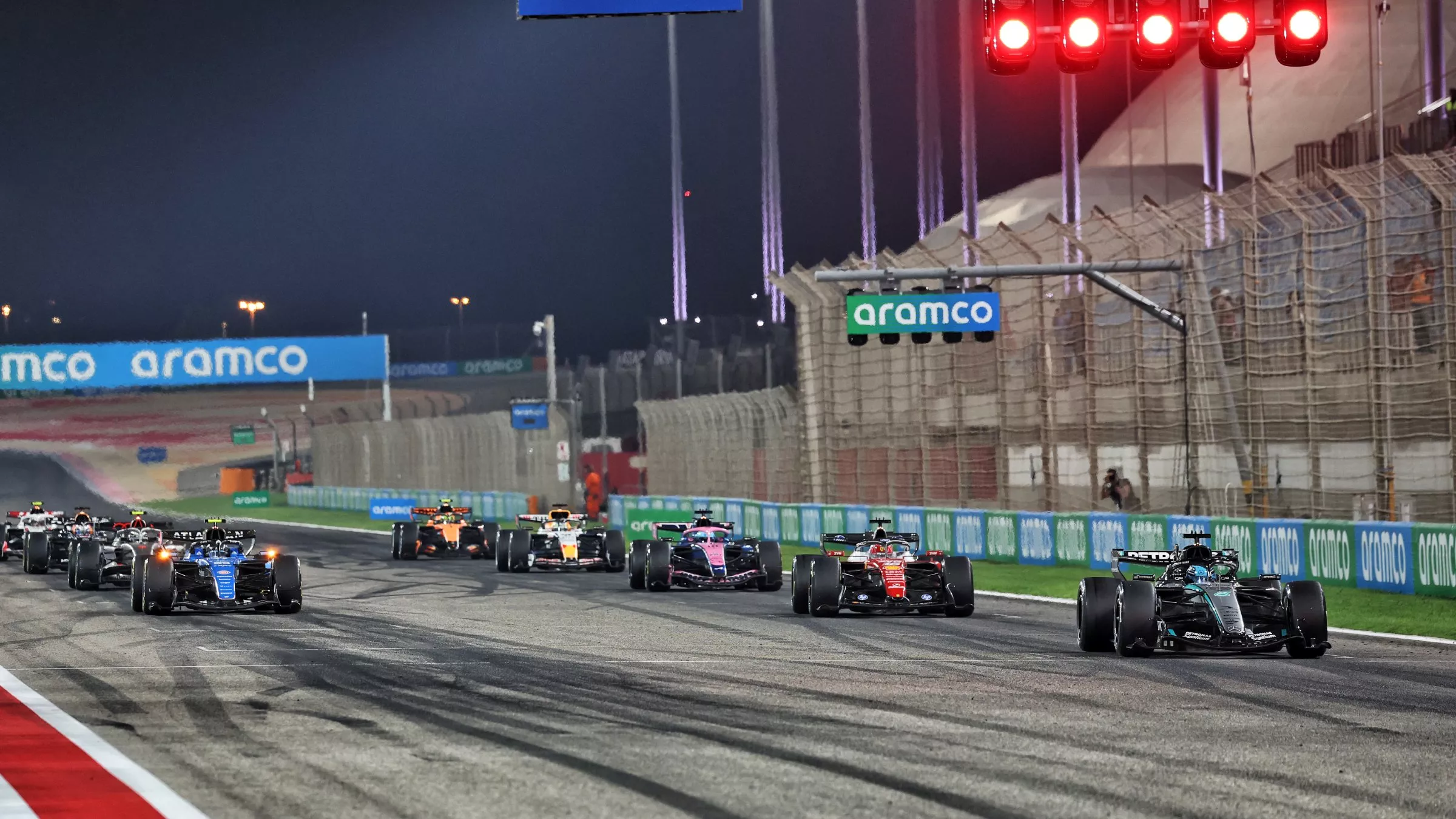
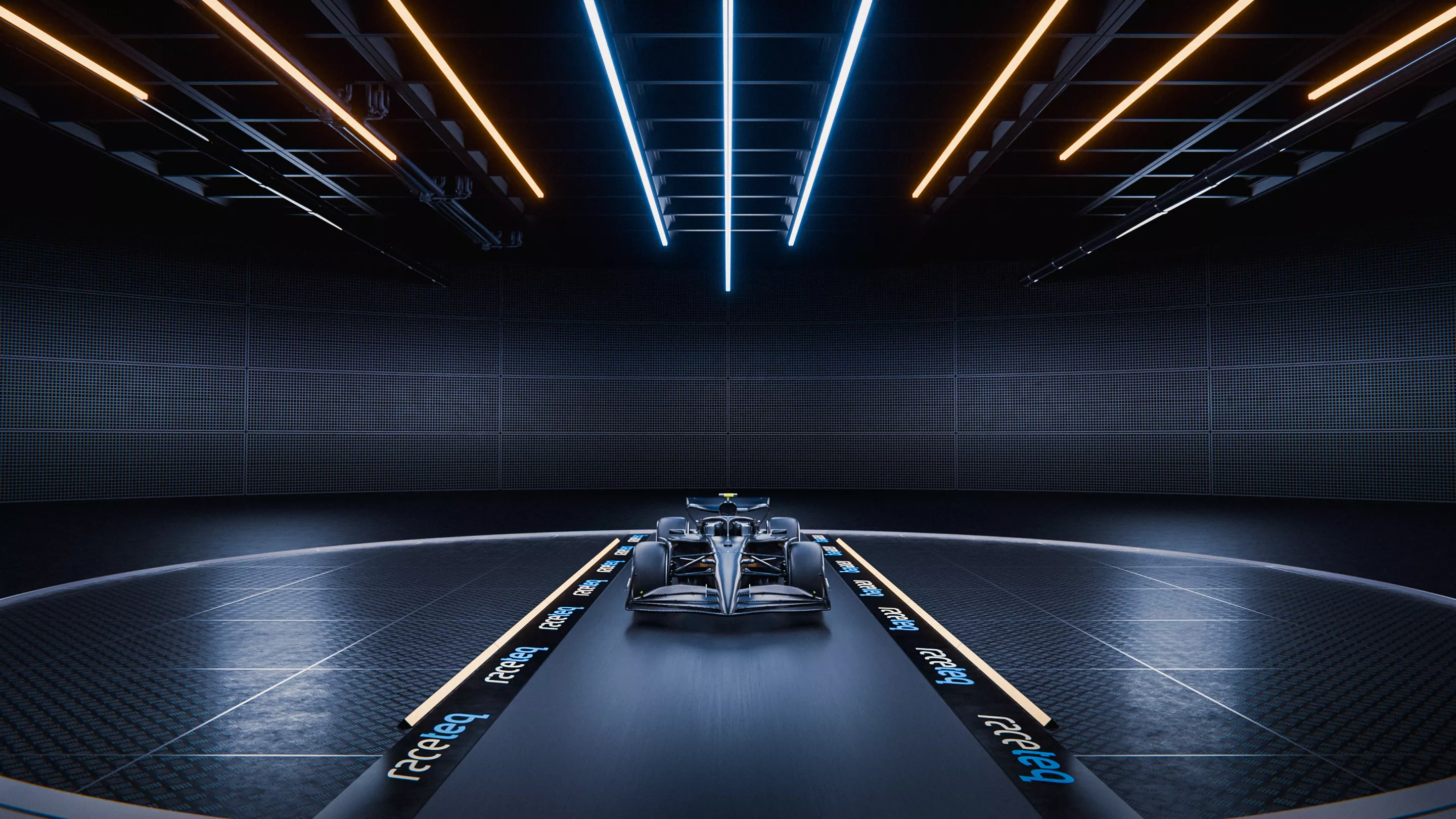
F1 cars at the start of the 2026 Chinese Grand Prix. Every 2026 F1 car is fitted with the same type of fuel flow meter
Why does F1 need to limit fuel flow?
Press a button on an instant coffee machine and it pours out measures of hot water, coffee, and milk. Too much or too little of each, and the coffee wouldn’t taste right.
This is similar in F1; too much or too little fuel going into the engine could limit the racing spectacle.
Allengra CEO and commercial director Niels Junker explains: “Teams would start to manage races in a certain way: you would go full speed for the first two or three laps and from then on just manage it from the front - as we know overtaking is not the easiest thing to do in F1.
“What would happen is you would see so many different strategies of how to set up the engines that you wouldn't have any close racing.
“The second reason is, based on simulations, you can actually go very fast [with unlimited fuel flow]. So it's also a safety issue. In Monza you could reach speeds of more than 400 kilometres per hour. So it's based on safety, but also close racing at the same time.”
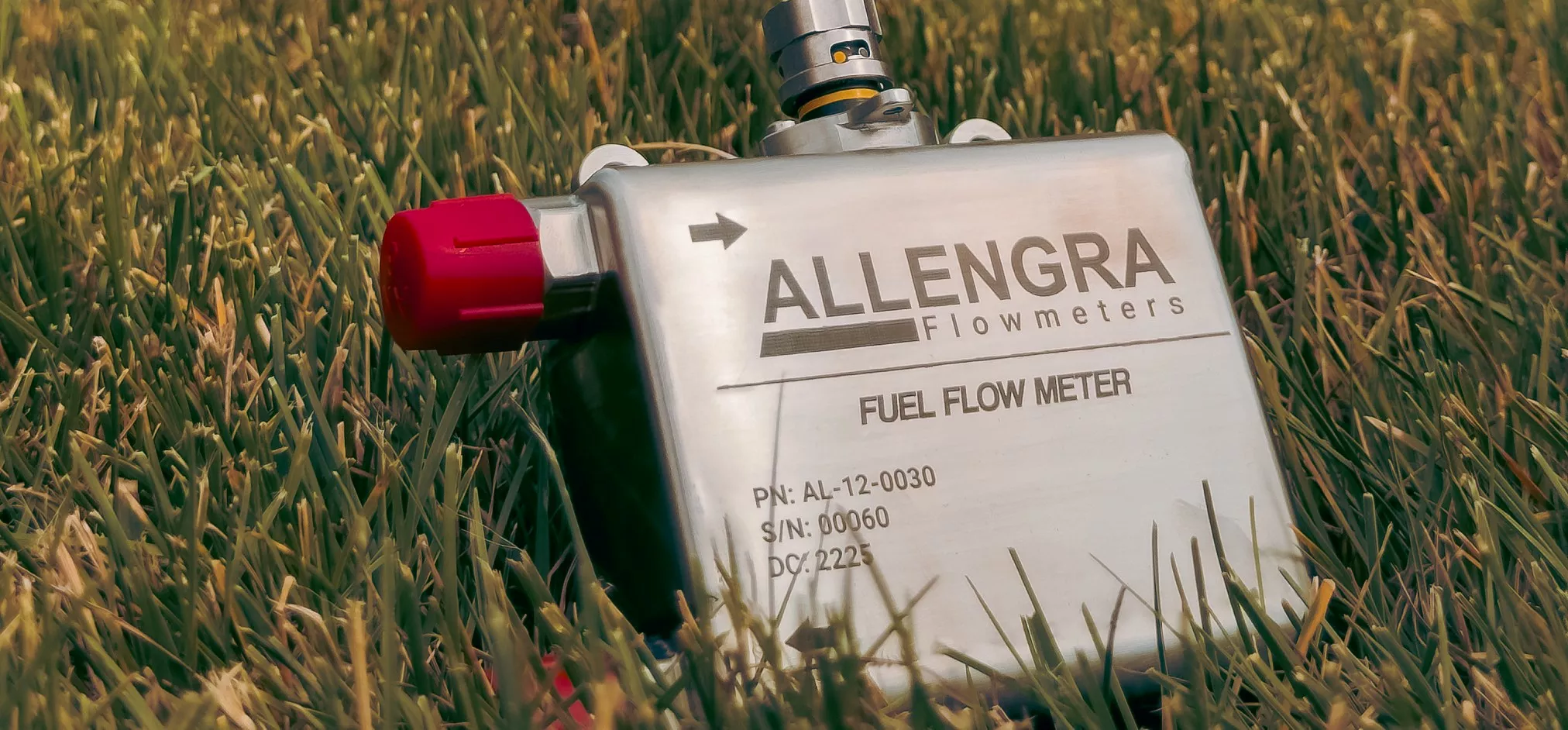
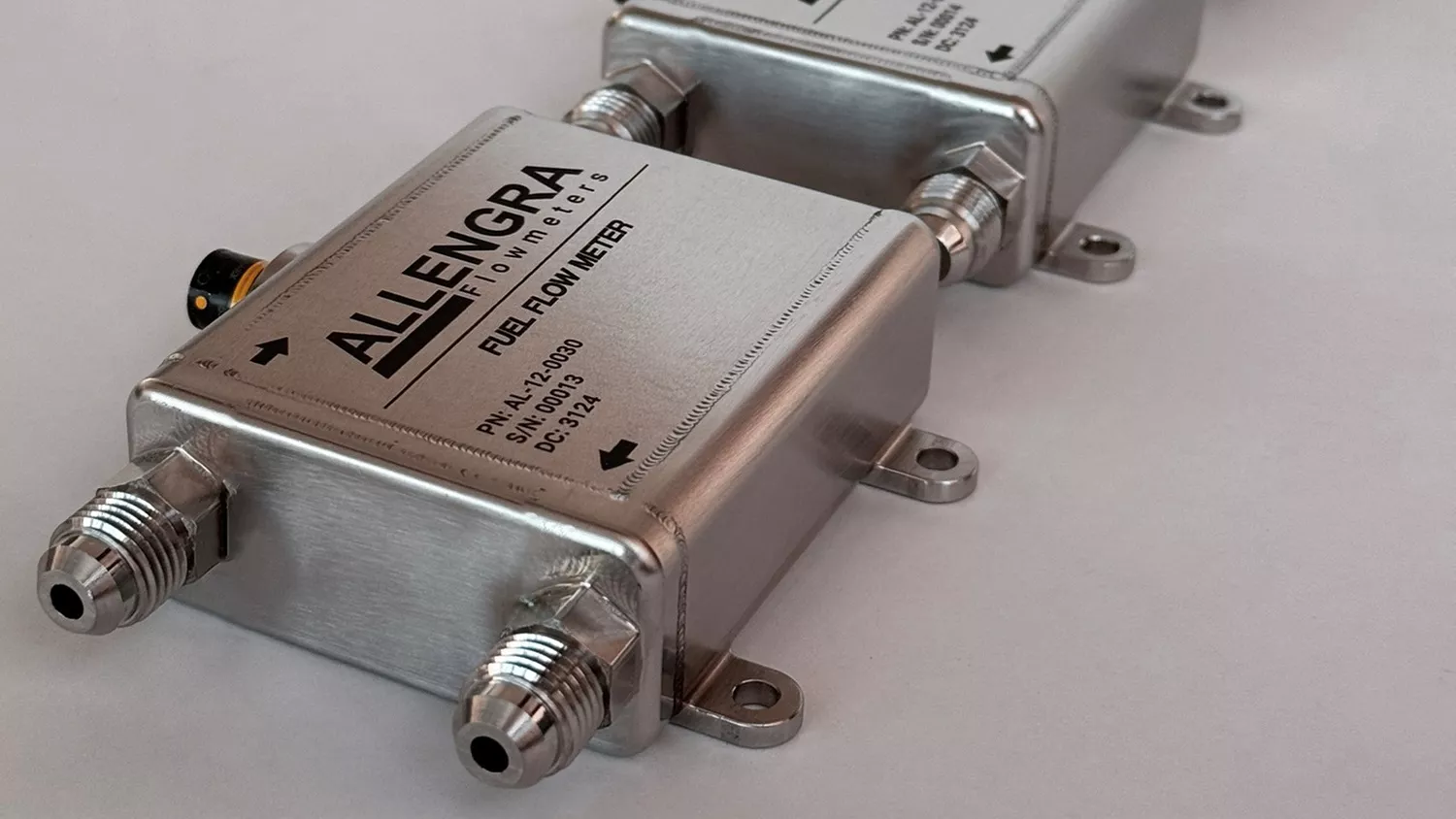
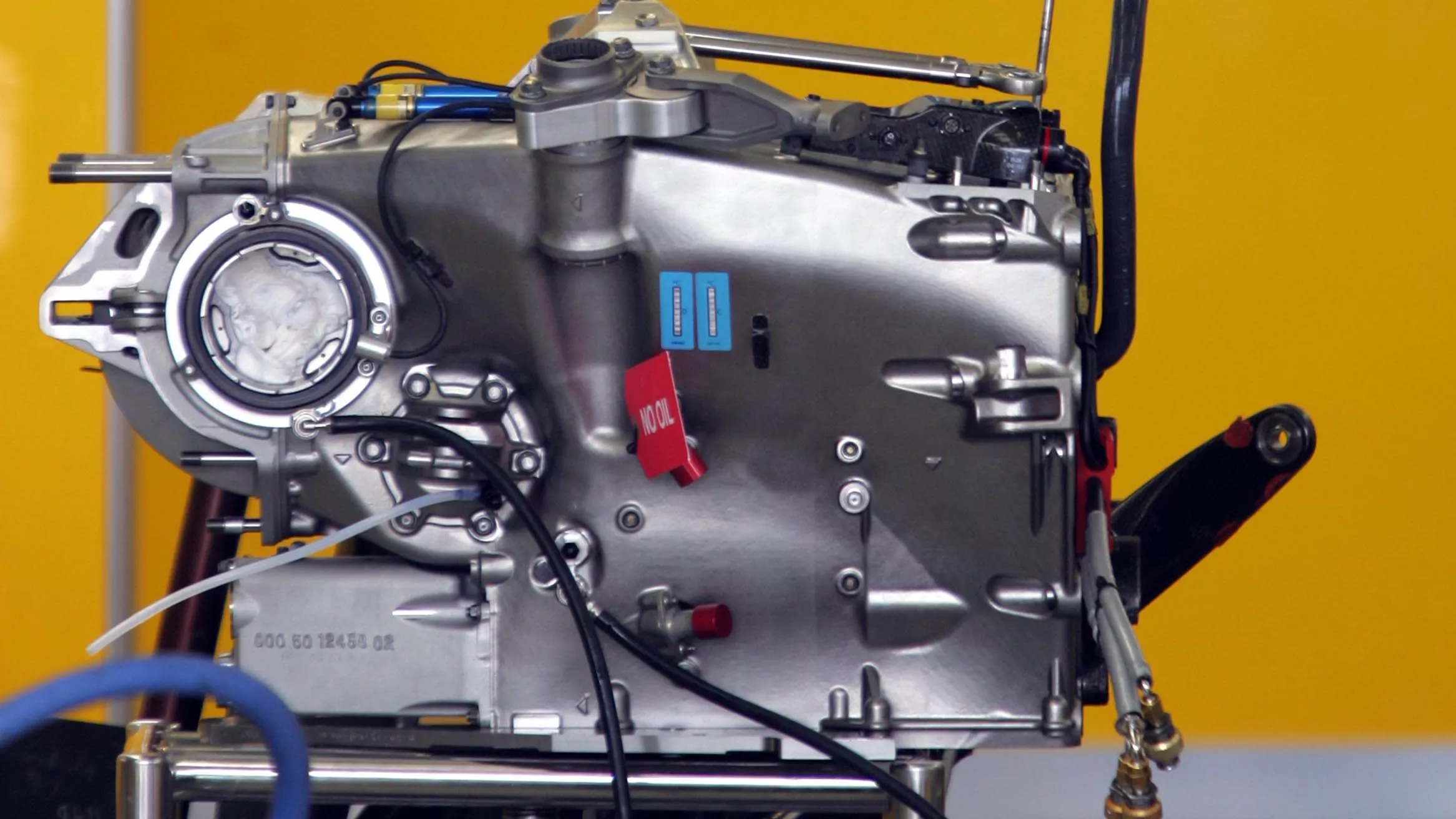
A close-up look at the Allengra F1 fuel flow meter for 2026

How does fuel flow measuring change in 2026?
From 2014 to 2025, the fuel flow rate was based on mass, but from 2026 onwards, the FIA has changed the rules to centre around energy flow. Rather than a fuel flow rate of 100kg per hour, the limit is set at 3000 Megajoules per hour (MJ/h).
This new limit is set to help ensure that energy density is governed by the FIA in this new era of FIA-compliant 100% sustainable fuels providing parity between fuel suppliers from the very start of the era.
That’s not to say each fuel is capped to the same amount of fuel density, but that there is a limit on how energy-dense each fuel is.
The fuel flow meter will measure mass flow and energy flow in conjunction with the engine’s Electronic Control Unit (ECU), which is a homologated part that is standard across F1 cars.
Each fuel will also be independently tested by the FIA across the season.
In 2022, F1 chief technical officer Pat Symonds explained why fuel flow measurement would change from mass to energy: “Much the same way when you get your gas bill at the end of the month or your electricity bill, you’re effectively paying for the kilowatt-hours that you’ve used.
“Similarly, we’ll be saying ‘this is how many kilowatt-hours - megajoules [being] the engineering term - that you can flow in, in a given time. So that we should get a very open competition as to how you produce the fuel. But we won’t get the possibility that someone may totally dominate the sport, because they have got a better fuel.”
Furthermore, the FIA has switched from using fuel flow meters provided by Sentronics to a single meter, now supplied by Allengra. Previously, one fuel flow meter was used as a control measurement, and the other to send encrypted data to the FIA.
Now, the sole meter does both jobs.
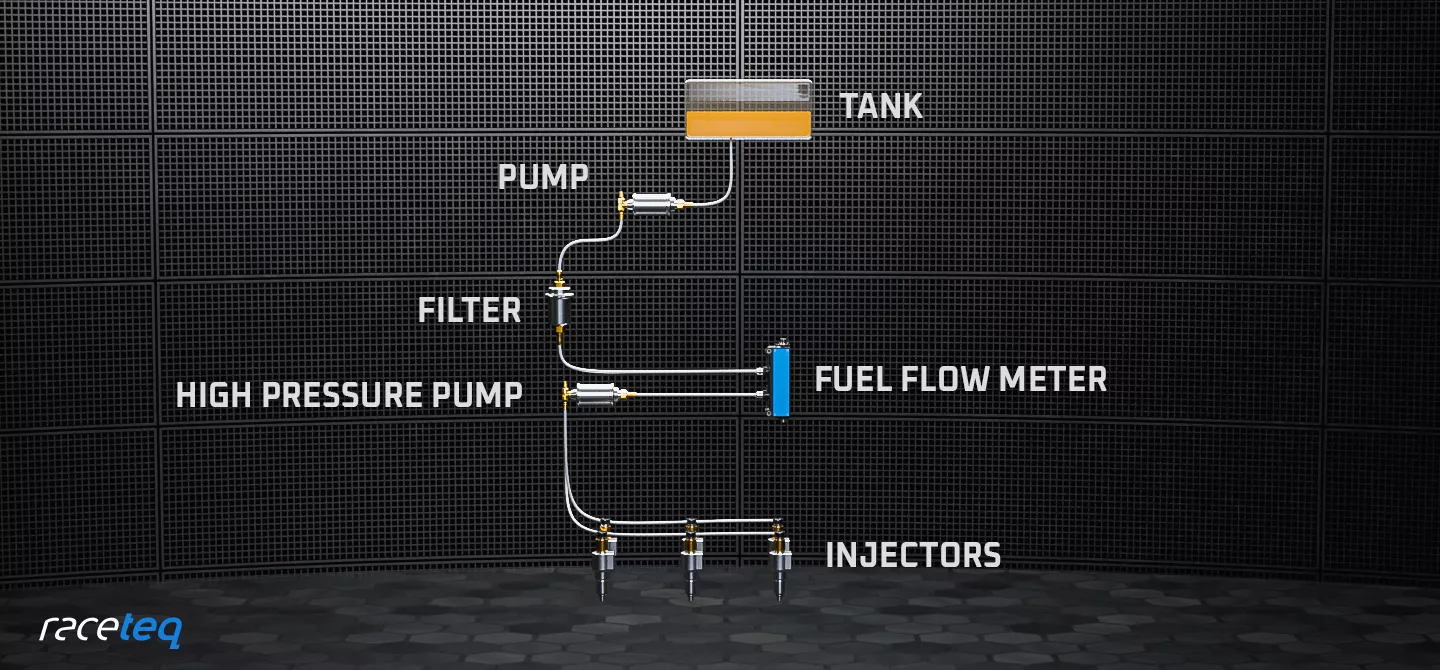
A diagram showing where the fuel flow meter is fitted in relation to the tank and the injectors that feed fuel into the engine
How does the new fuel flow meter work?
The fuel flow meter is tiny. It measures just 99 millimetres by 31mm by 106mm and is fitted inside the fuel tank itself.
It measures the flow of fuel using ultrasound, at a frequence of 4.5 kilohertz to 6kHz. The ultrasonic signal it sends out gets accelerated by the flow of fuel. Two sensors are used, one sending a signal back to the FIA, and another through the engine control unit to the team itself.
The connectors in contact with the fuel itself are made out of stainless steel - a material chosen to avoid reaction with the fuel after extensive testing - and the rest of the sensor is formed out of polyether ether ketone (PEEK) and Fluoroelastomer (FKM). Materials are chosen for their high temperature resistance and lower reactivity, and the meter is estimated to cost from $4,000 to $5,000 US dollars depending on supply of material.
“The key thing is that the FIA handles the transport of the sensors, so the sensors being used by F1 teams never stay with the teams. The teams can have sensors that they use for tests, but they're not allowed to use them in a race. So they're not allowed to alter anything on the sensors,” says Junker.
“And there's also some other tricks that we have in the sensor that we haven’t disclosed yet. So maybe one day if somebody cracks it, then I'm going to talk about it but, now, I cannot talk about it. There's still some small things that we try to keep secret - [only to be revealed] in case a team manages to manipulate the sensor itself.”
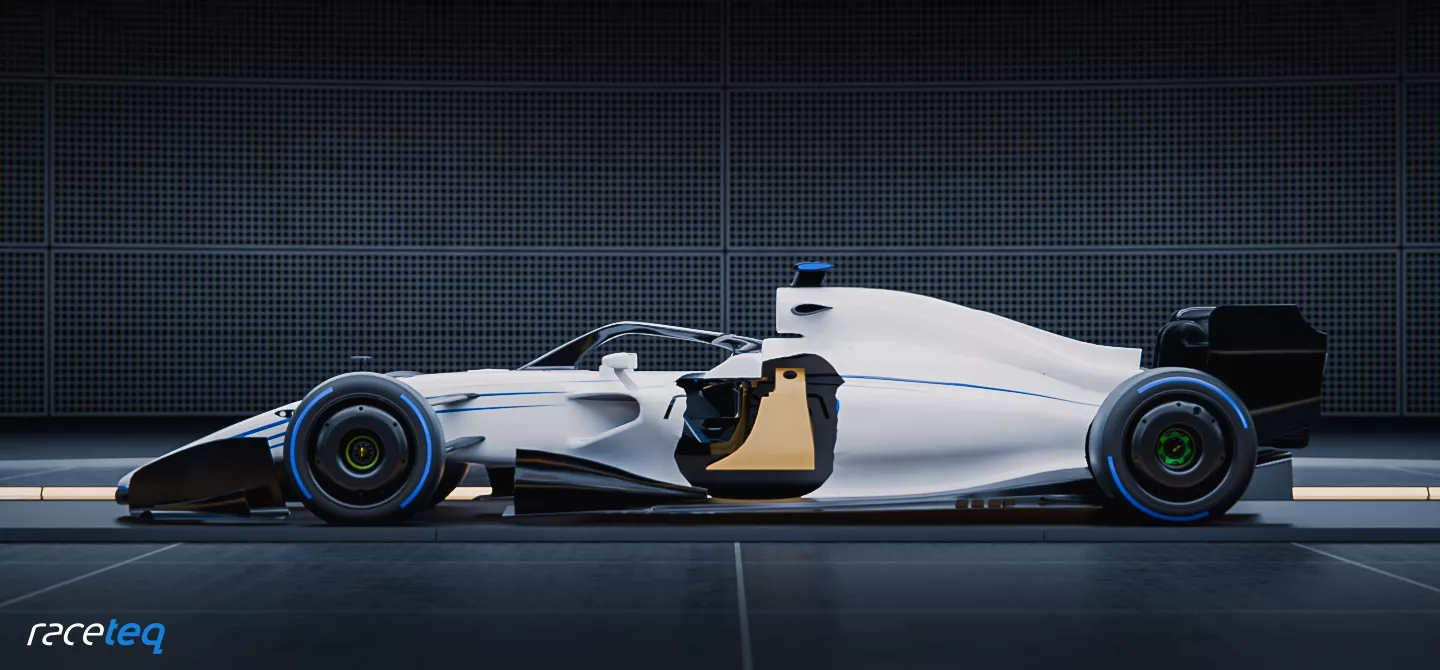
A cutaway showing the location of the fuel tank in a representative 2026 F1 car
From fast-food to fast racing
Allengra’s CEO Junker also says that it’s not just Allengra using motorsport as a test bed for new technology, as is often the case, but motorsport benefiting from other applications – such as the aforementioned coffee machine.
Allengra also makes liquid flow sensors for the food and beverage industries such as a drinks machine at fast-food restaurants, where syrup is mixed with carbonated water to ensure the perfect mix - both for taste and cost-effectiveness.
“You can imagine if you don't measure [drinks syrups] precisely that it's not going to taste the same. And this is somewhere we learned so much about how to do it for other applications - in autonomous vehicles for example, or in drones.
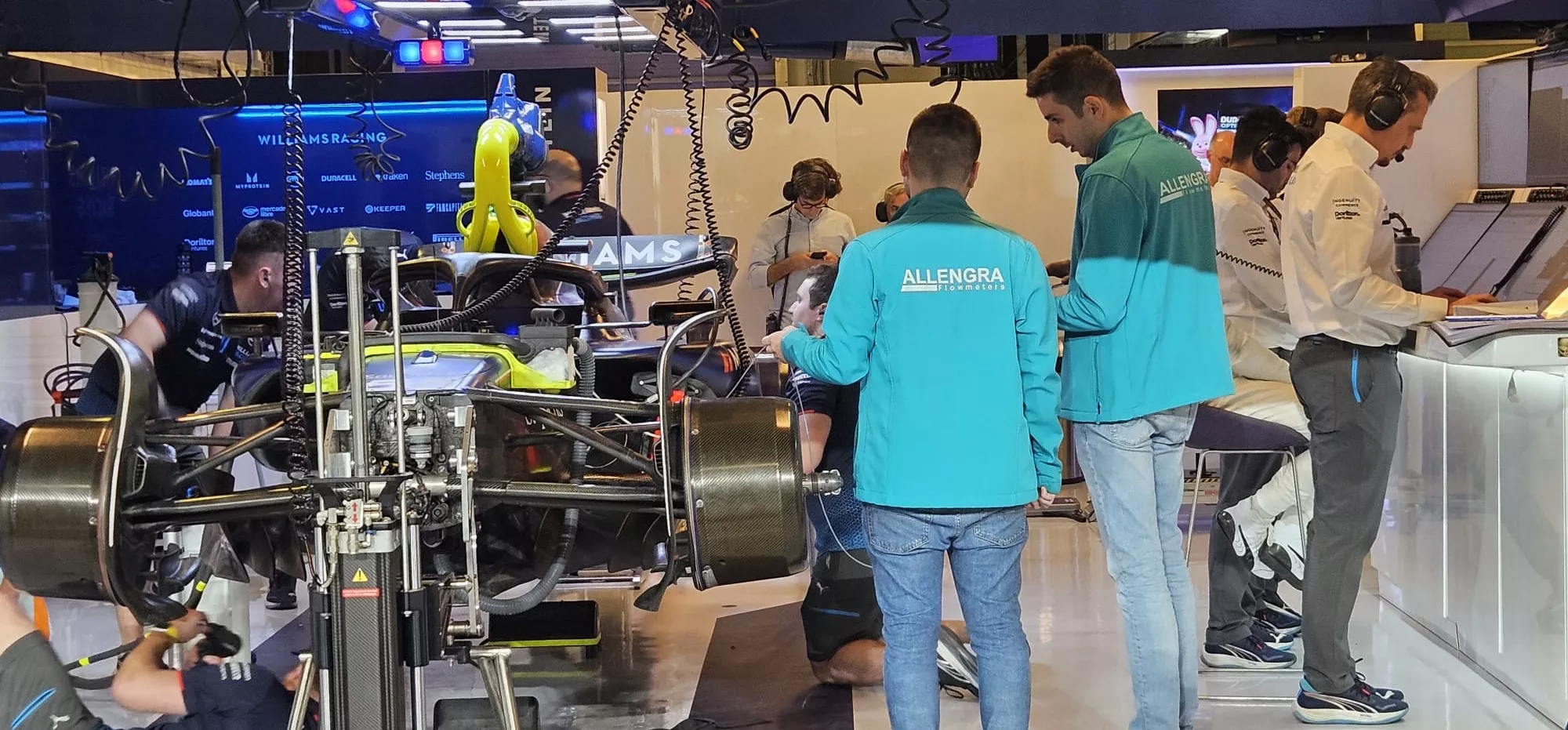
Allengra engineers testing the fuel flow meters in the Williams F1 team garage ahead of its 2026 debut
“We learned a lot not just about vibration and heat resistance, but in how to work with different liquids of different compositions and viscosity.”
The penalties for transgressing the specified fuel limits in F1 can be severe. After the very first F1 race of 2014, Red Bull’s Daniel Ricciardo was disqualified as his car exceeded the maximum allowed fuel flow rate.
When Ferrari was found to have gained a sizeable boost of pace in qualifying and in straight lines in 2019, fuel flow violation was eventually suspected to be the culprit. The FIA punished Ferrari but did not disclose the nature of the violation. However, in 2020, a second fuel flow meter was implemented into cars to help ensure teams could not manipulate their measurements.
There’s a lot at stake, therefore, when it comes to controlling fuel in F1 - safety, parity, and entertainment - and it’s all up to a small box of just three cubic centimetres to keep everything in check.