Car
Rake is back in 2026 and here’s how it affects F1 car balance
by Rosario Giuliana
4min read
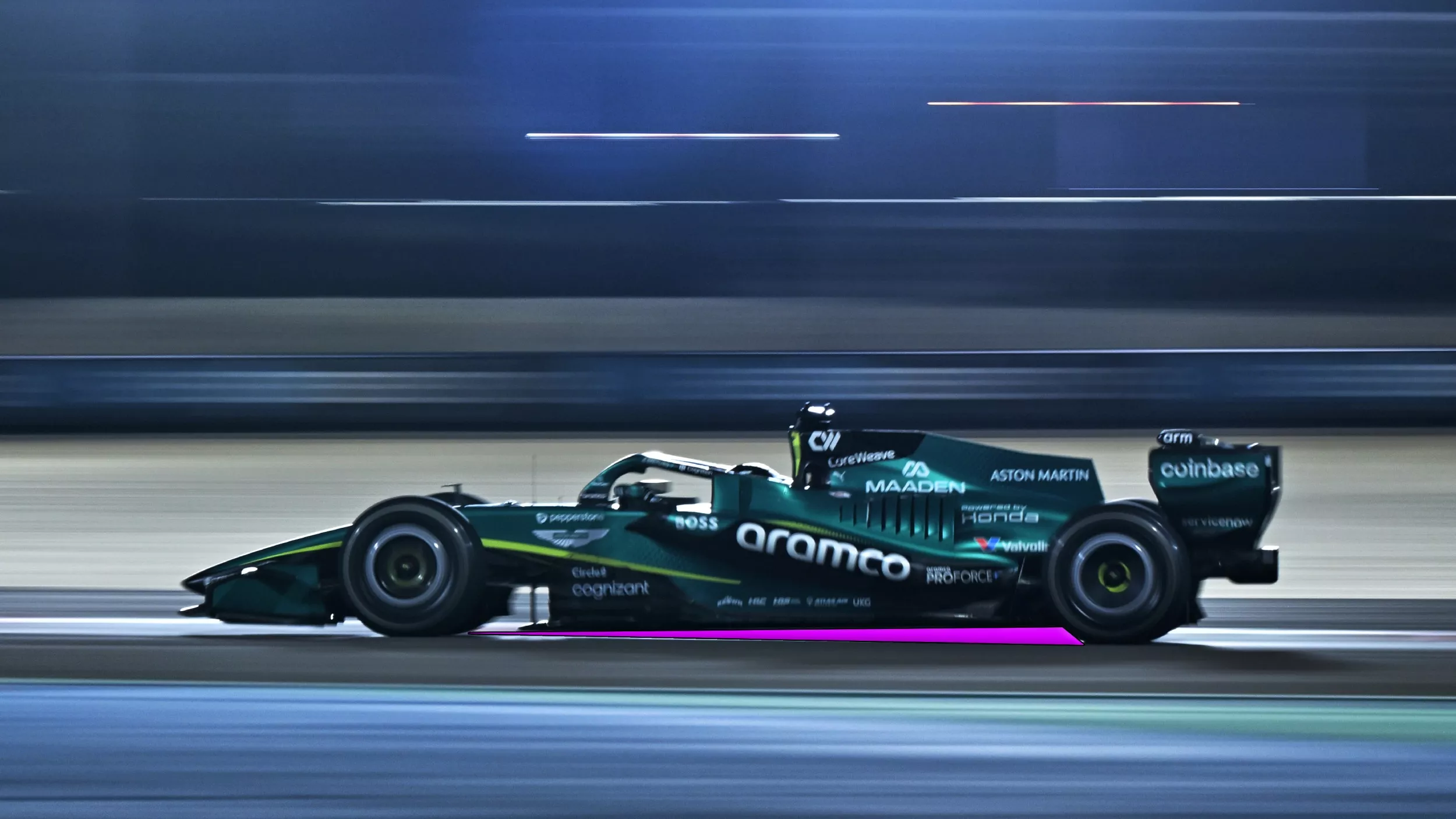
Rake has been one of the most distinctive setup philosophies of the modern Formula 1 era, even though its role has changed significantly compared to the high-rake cars of the early 2010s.
Sign up for a newsletter and we'll make sure you're fully up-to-date in the world of race technology
The topic of rake has once again become relevant in F1 - not because teams can return to extreme rake angles, but due to the increasing sensitivity of the new cars to aerodynamic platform control and overall balance.
What rake actually does, and why rake becomes central again in 2026
In simple terms, rake - the difference in ride height between the front and rear axles - influences how airflow behaves underneath the floor and through the diffuser. A more pronounced rake tends to:
- Energise the airflow under the rear portion of the floor, enhancing underbody downforce
- Shift the aerodynamic balance towards the rear of the car, improving traction under acceleration
- Improve low-speed downforce, although this is often at the expense of efficiency and stability
.webp?cx=0.5&cy=0.5)
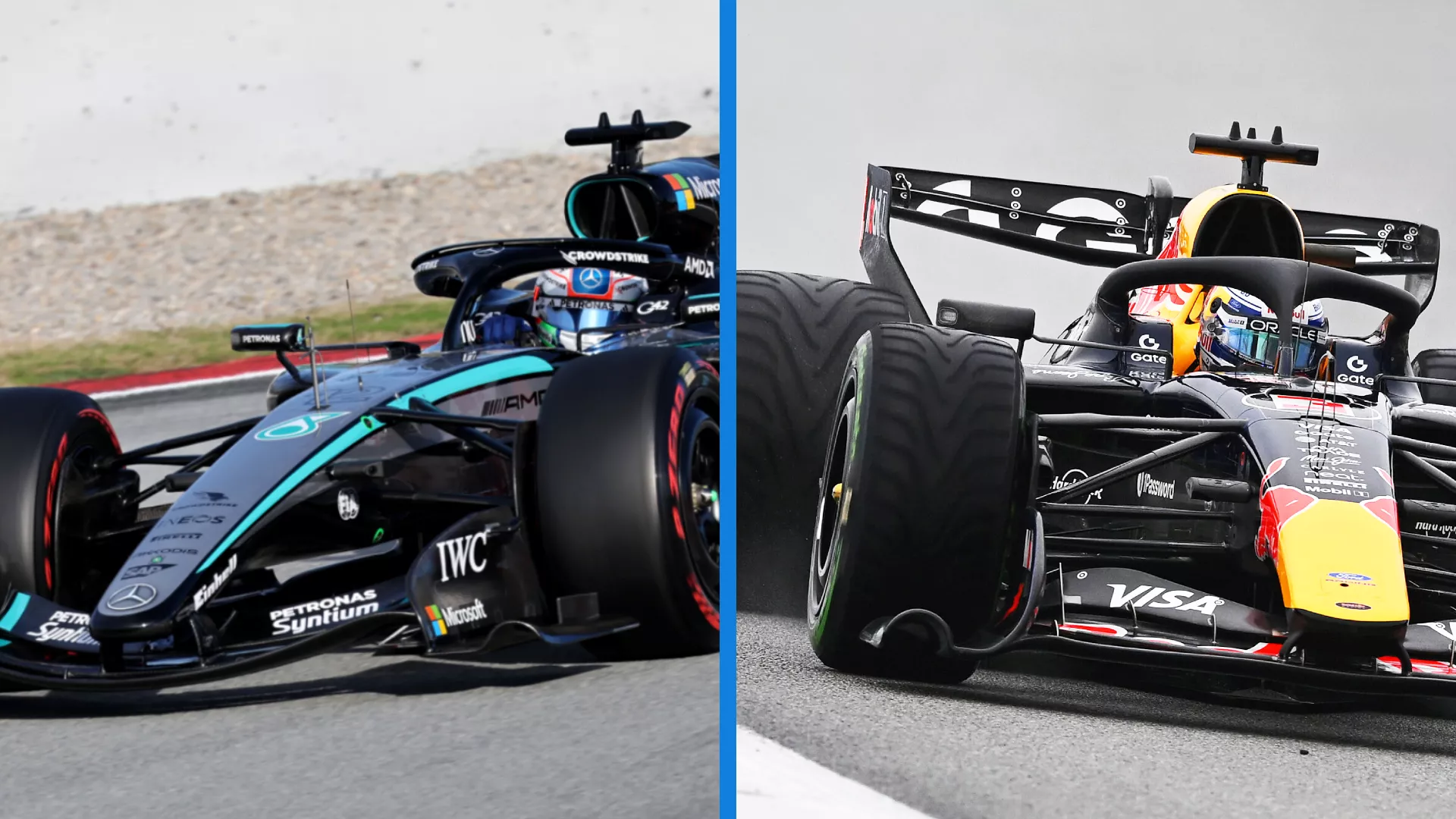
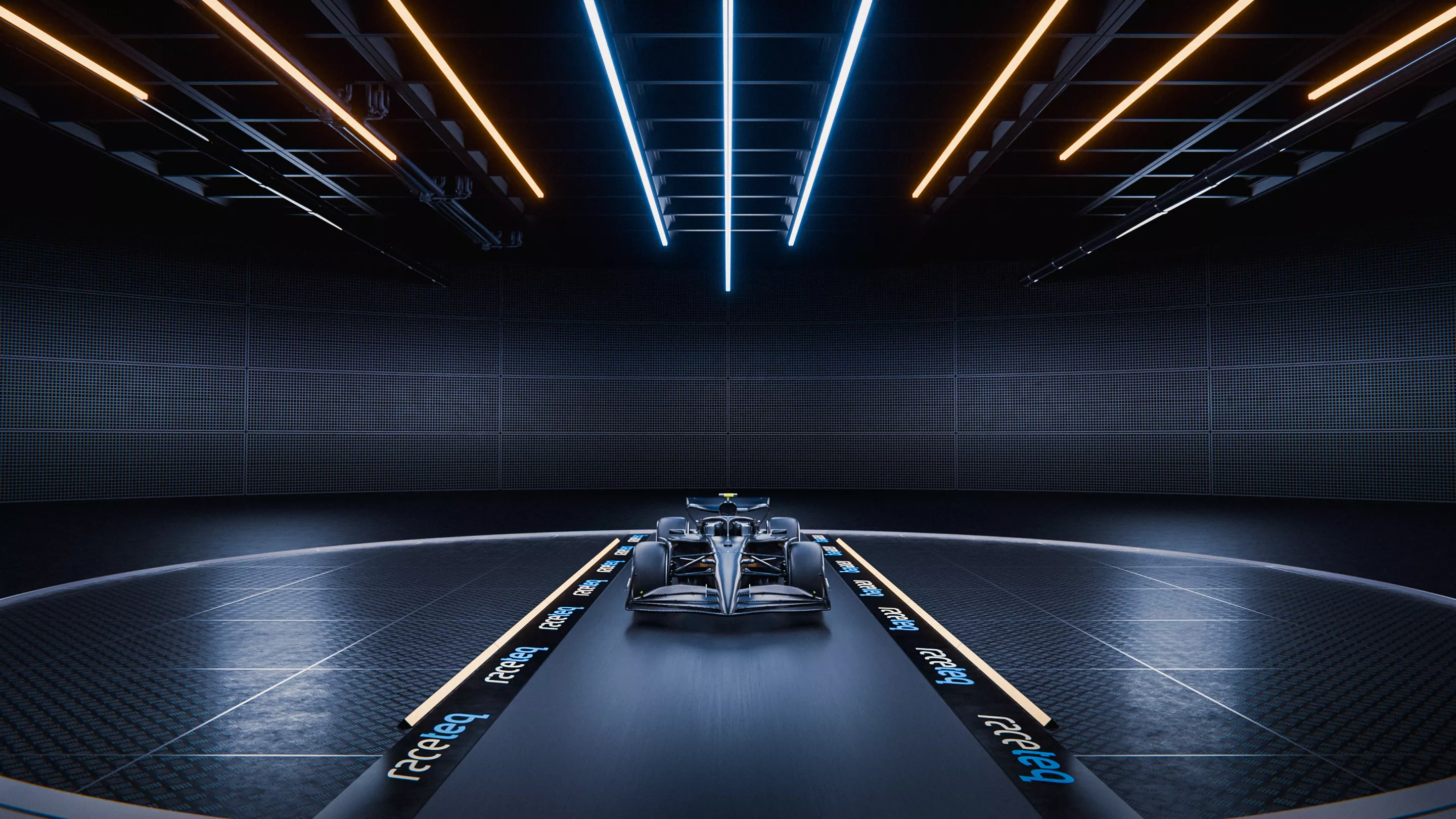
A comparison showing the low-rake Mercedes W17 F1 car and the high-rake Williams FW48 F1 car in 2026
A low-rake approach, by contrast, prioritises:
- Aerodynamic consistency by keeping the car platform flatter through all stages of turning
- Efficiency, by expanding the effective area of the underfloor that produces consistent and high downforce
- Stability through higher-speed corners (thanks to the aforementioned improvement in efficiency), although this is often at the expense of low-speed-corner instability
The 2026 regulations introduce a series of changes that indirectly increase the importance of rake and platform attitude. With the abandonment of Venturi-tunnel floors, it is no longer necessary to run the car extremely low to seal airflow beneath the floor. In the first images of the 2026 cars running during the Barcelona shakedown tests, rake was visible on all cars - to varying degrees.
With less overall downforce available compared to 2025, the quality and stability of that downforce becomes more important. Rake directly affects this aspect, influencing how robust the floor is to changes in pitch, roll, and ride height.
In other words, if the aerodynamic centre of pressure moves too much as speed or attitude changes, the driver will feel it immediately - especially under braking and on corner entry.
How does rake affect car balance?
From a balance perspective, rake affects several key areas.
A rear ride height that is too high can make the car nervous under braking as the rear has more room to move around in corner entry and isn’t as close to the ground as it could be.
For 2026, teams appear to be targeting a narrower operating window for ride height compared to the pre-2022 era, with rake angles now broadly similar across the grid. In 2020-2021, we were used to seeing very different rake philosophies - for example, the relatively low-rake Mercedes W12 versus the very rear-high Red Bull RB16B.
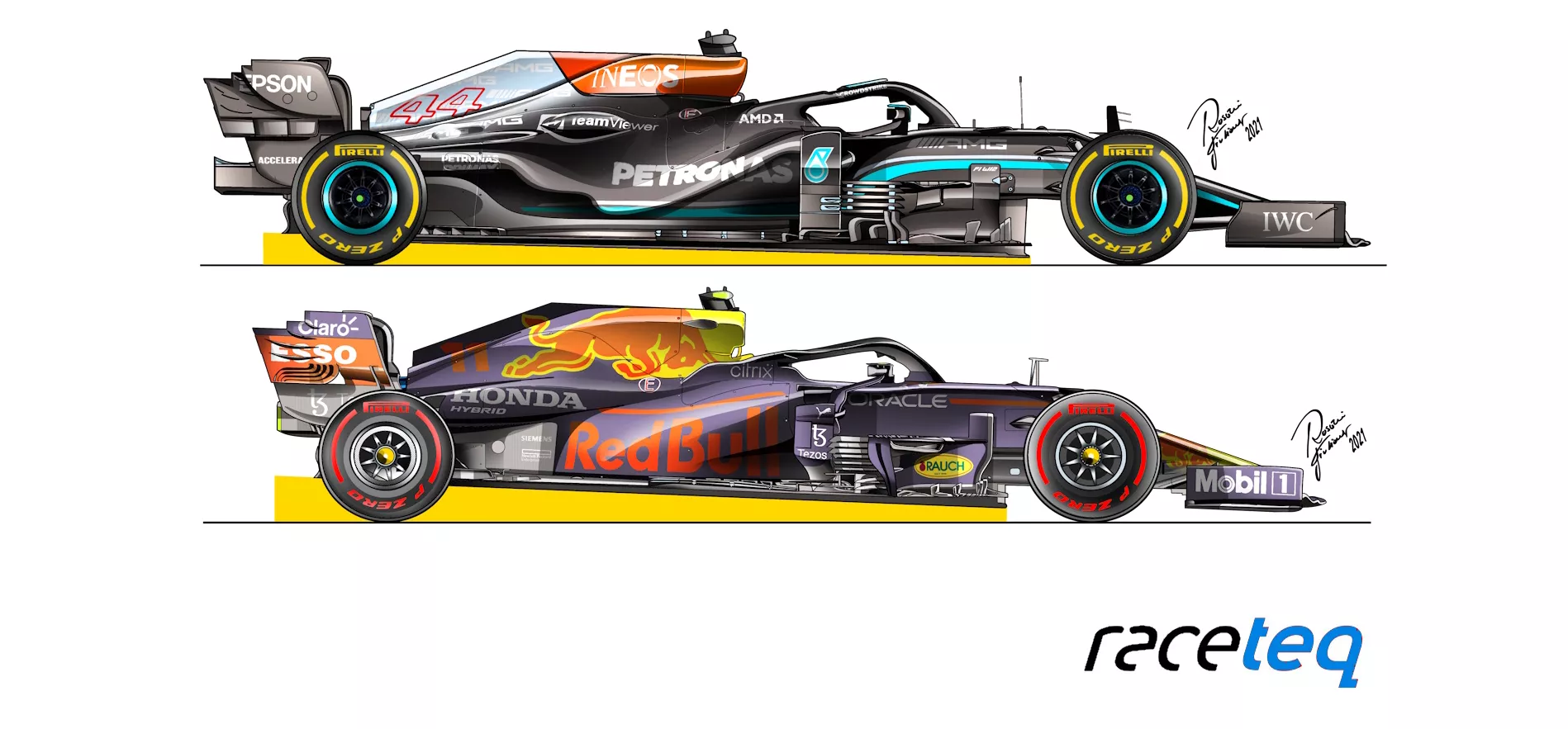
The closely-fought 2021 F1 world championship saw the low-rake Mercedes W12 take on the high-rake Red Bull RB16B
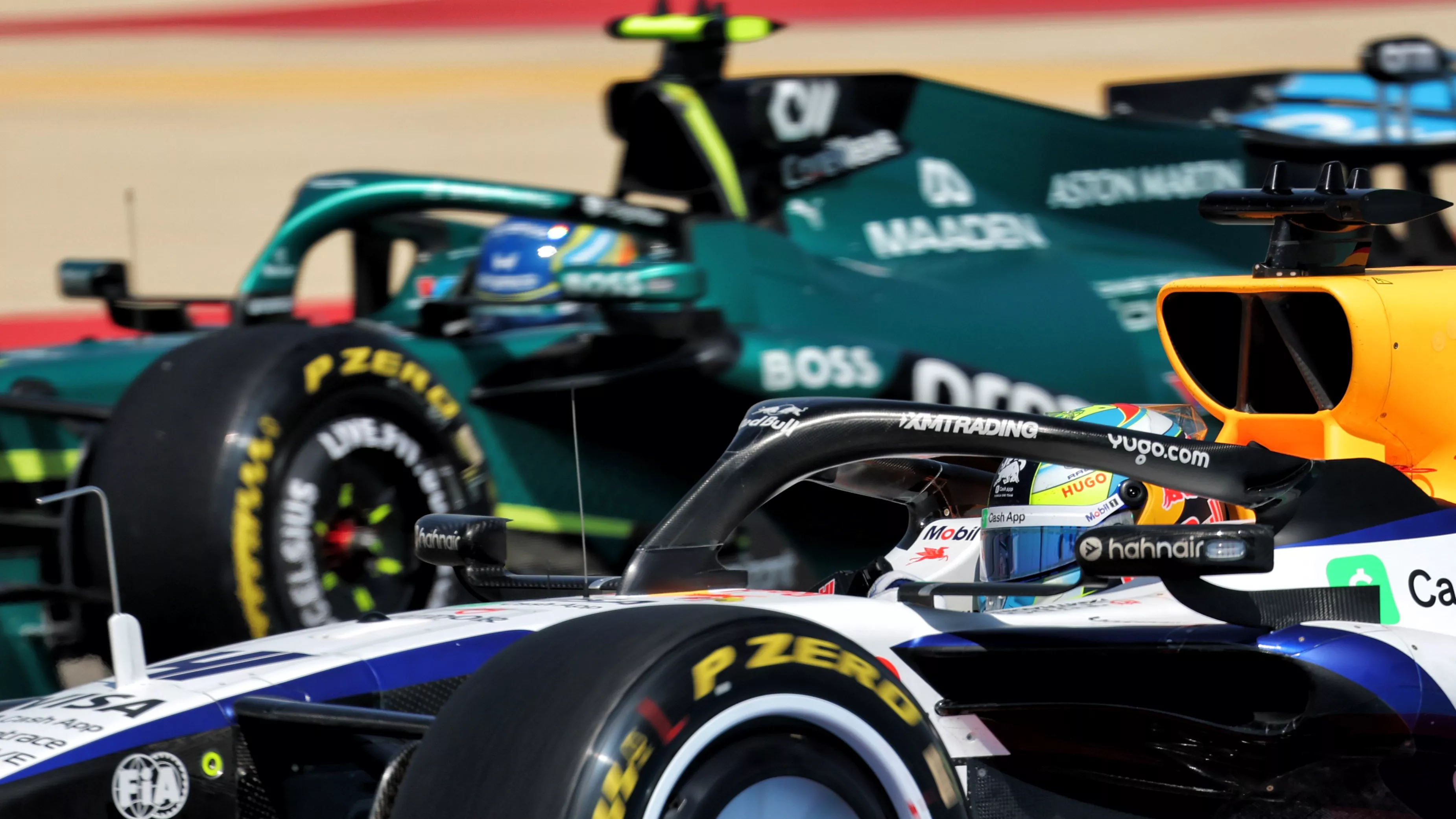
In 2026, rake is less about extremes and more about precision. Current rake angles are more conservative, and early images have shown cars avoiding extremely ‘rear-high’ attitudes, suggesting that aggressive rake could be counterproductive with the 2026 floor geometries. That is apart from Williams, which has opted for the most aggressive rake angle.
With reduced aerodynamic freedom, mechanical control of ride height using suspension and related components - through heave elements, third springs, and anti-dive/anti-squat geometries - becomes crucial. Rake is, increasingly, something that must be maintained dynamically (using the aforementioned suspension components), rather than simply set statically and left alone.
As aerodynamic load varies depending on the Active Aero modes (straight mode and corner mode), the optimal rake is no longer fixed. The car must remain balanced across multiple configurations, which discourages extreme design philosophies.
Teams that manage to stabilise the aerodynamic platform while extracting consistent performance from the floor will gain a great advantage, which is why rake angle is back in 2026.
Will it change in the coming months? That’s unlikely, given a drastic change in rake angle requires a full rethink of the car’s aerodynamic philosophy - but we will see subtle tweaks throughout the season. F1 is, of course, all about those seemingly tiny details.