Car
F1 development in 2026: A cautious start as teams weigh post-April evolutions
by Rosario Giuliana
5min read
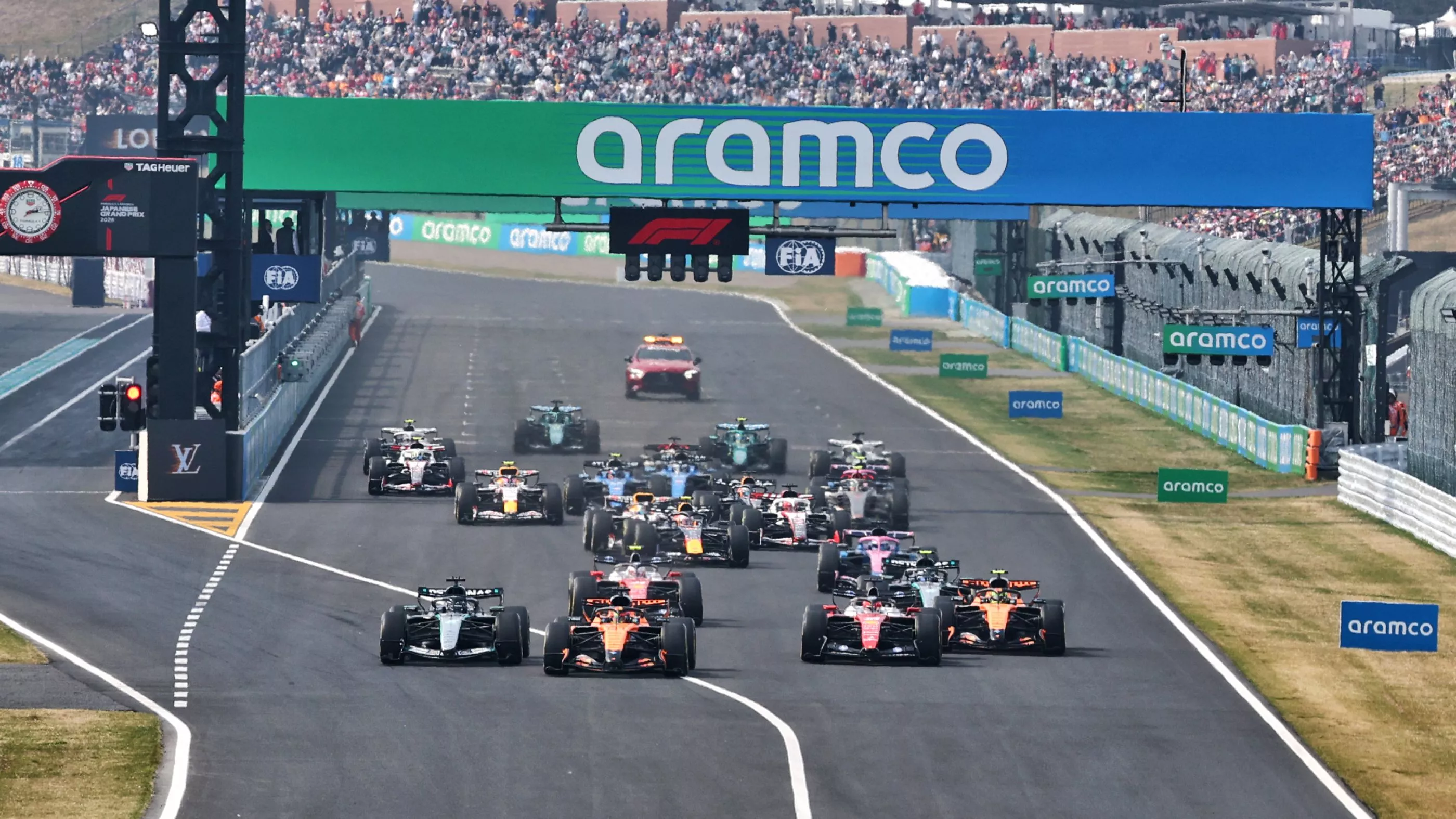
What have we learned about Formula 1 teams’ development paths after witnessing the first chapter of this new ruleset?
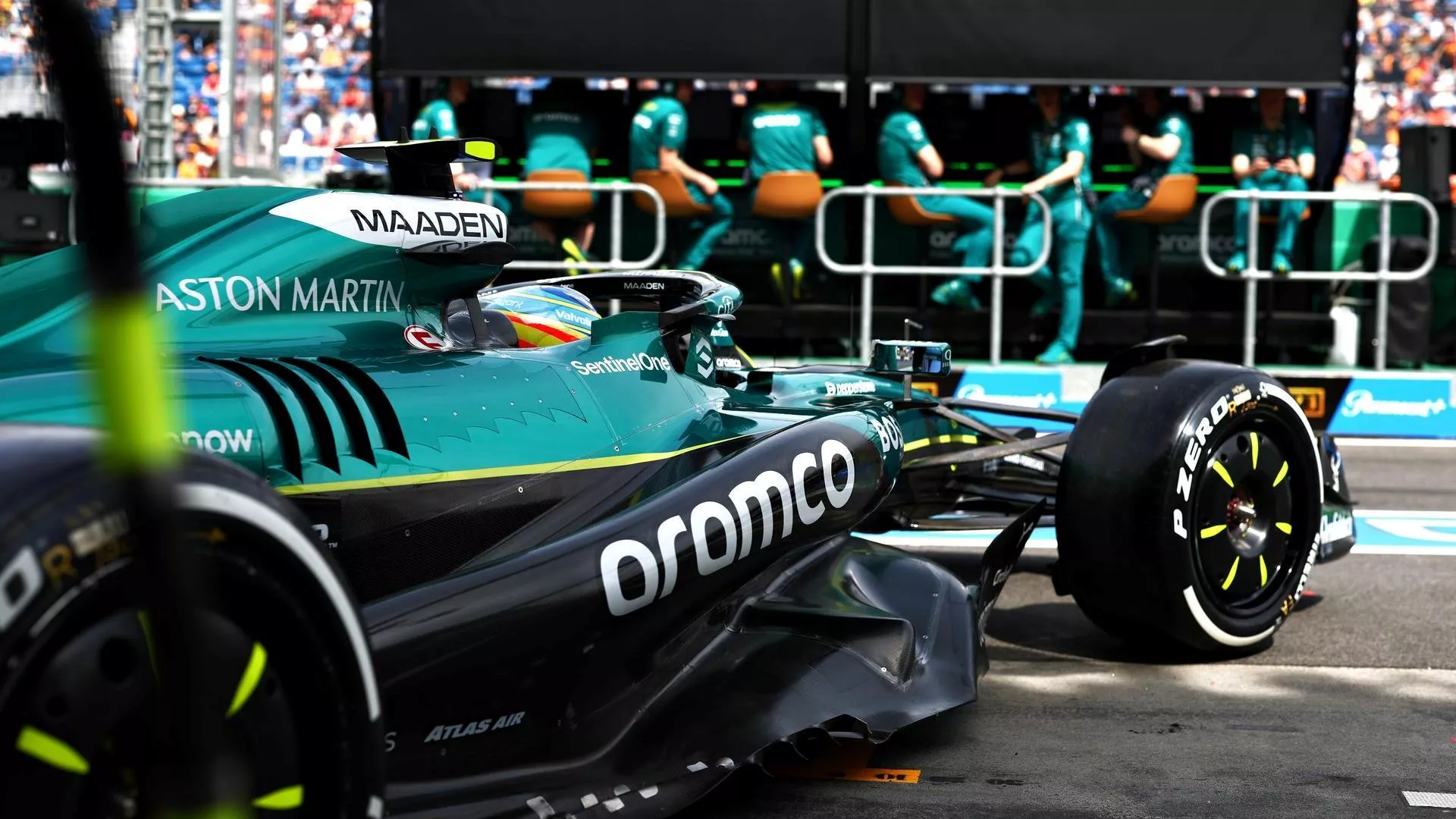
Sign up for a newsletter and we'll make sure you're fully up-to-date in the world of race technology
The first three races of the 2026 F1 season confirmed a clear trend: the main innovations so far are a direct continuation of pre-season testing development. On-track efforts focused more on adaptations and verification than on massive evolutions.
In this new regulatory cycle, teams still have much to learn regarding the behaviour of these cars, not only concerning the power unit but also aerodynamics.
The cars seen between Australia and Japan remained more or less identical to those in testing, with minimal interventions aimed primarily at gathering real-world data, improving simulator-to-track correlation, and optimising set-ups and balance. Yet, we’ve seen a few important innovations brought to the track by teams so far.
Ferrari: Between experiments and regulatory halts
Ferrari was one of the few teams to attempt something different. In China, it reintroduced the so-called 'Macarena' wing - the rear wing that rotates by flipping over, previously seen in testing - but the component showed clear instability issues under braking and was quickly shelved.
The Scuderia tried an aggressive approach that did not pay off, and the system is still under study. Also in Shanghai, the team introduced unprecedented winglets on the halo.
However, the FIA rejected these solutions for non-compliance with the materials used. The concept remains valid from a conceptual standpoint, so much so that Ferrari is ready to propose it again when the championship resumes after this April break.
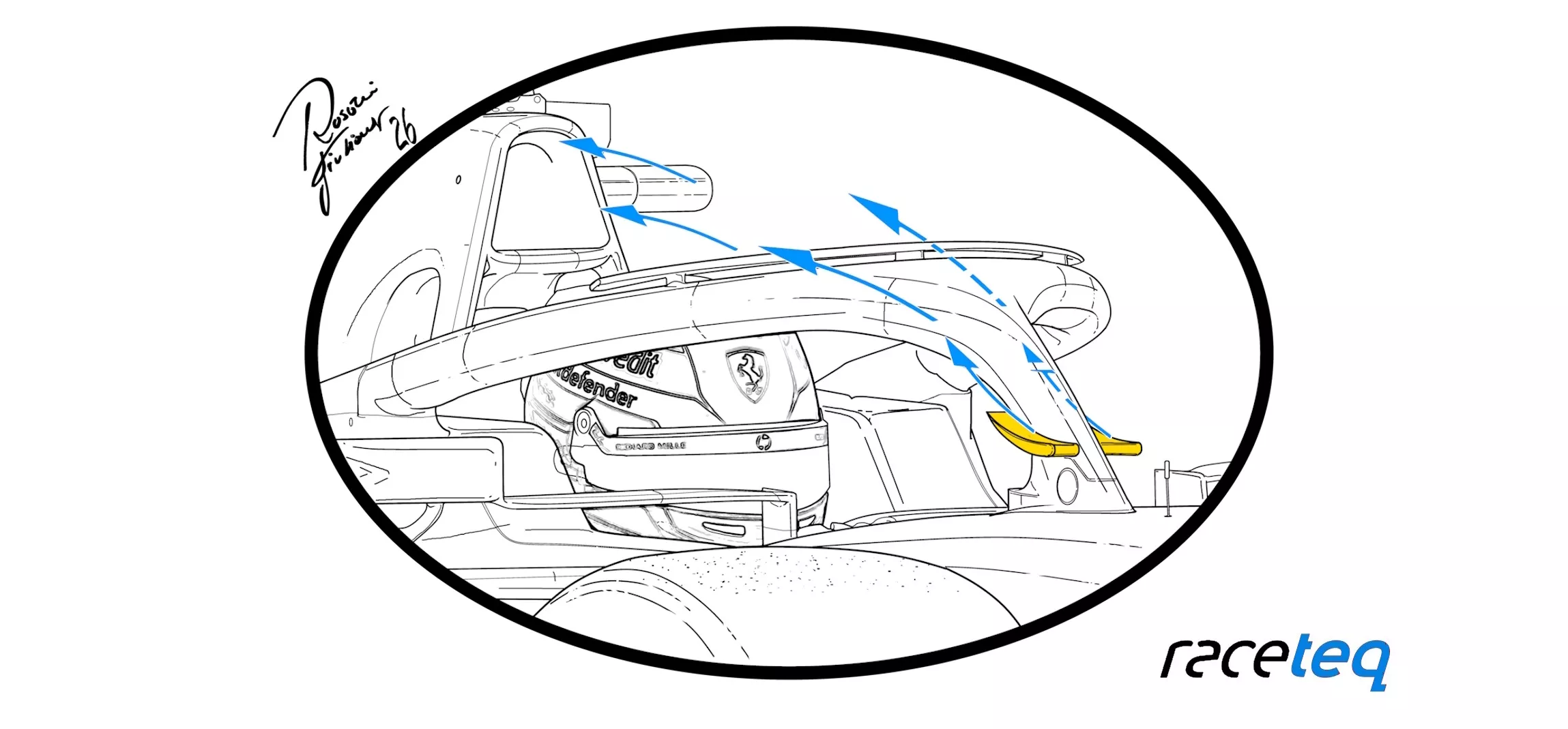
Ferrari briefly ran winglets on the halo of its F1 car (highlighted in yellow) that channelled air to the inlet above the driver’s head - but they were removed in China
Mercedes and McLaren: Continuity and the 'front wing’ case
Mercedes and McLaren remained quieter, not introducing significant updates in the first three races. While Mercedes introduced some minor updates, the McLaren has been the same car since the shakedown tests in Barcelona and is expected to bring a major package to Miami.
Mercedes, however, ended up in the spotlight due to its front wing that appeared to open in stages. The FIA clarified that it was a malfunction rather than a deliberate system to circumvent the regulations. By Suzuka, the situation was completely regularised. Like Ferrari, Mercedes had brought its main innovations to the tests.
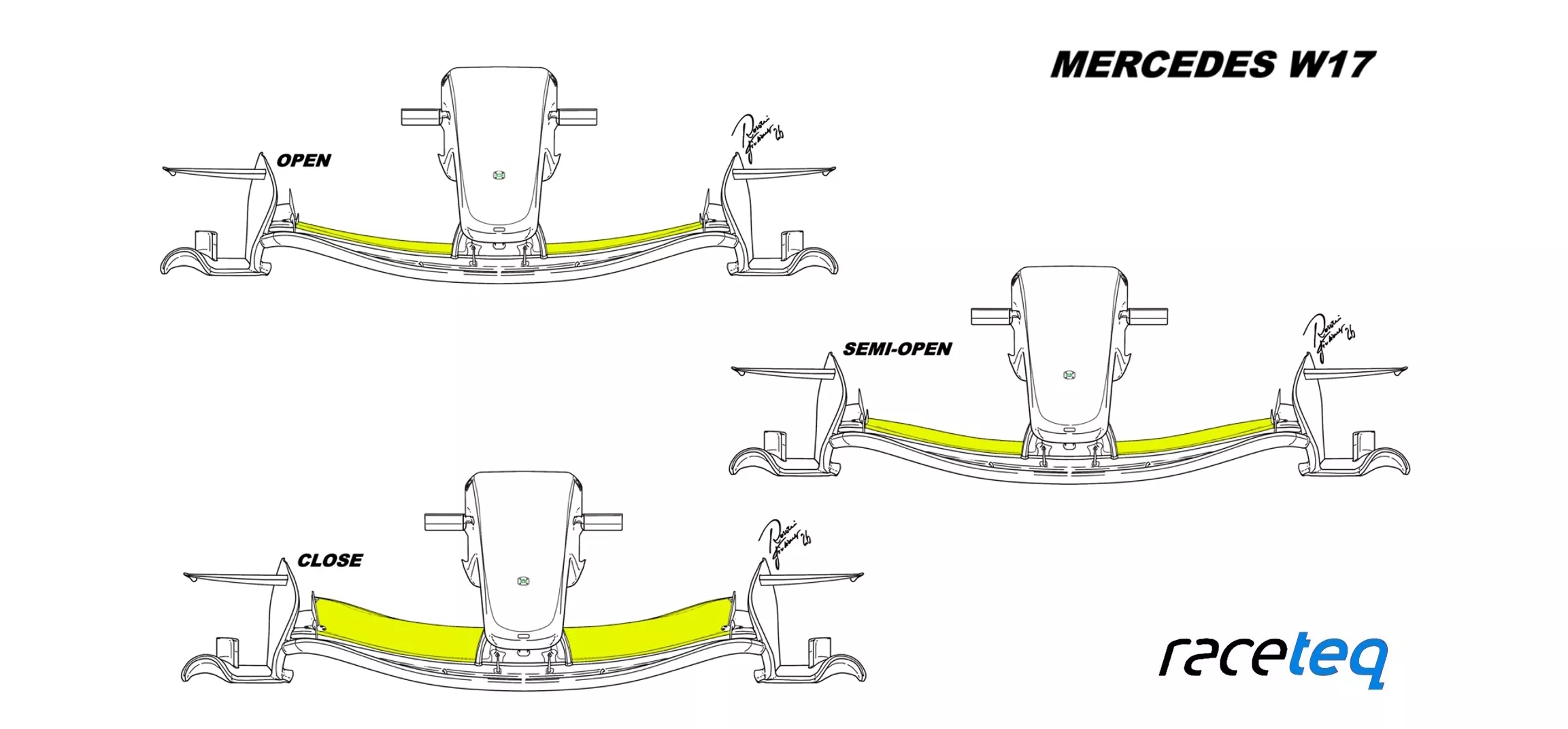
An illustration showing the stages in which the Mercedes front wing opened up
Aston Martin: Continuous development
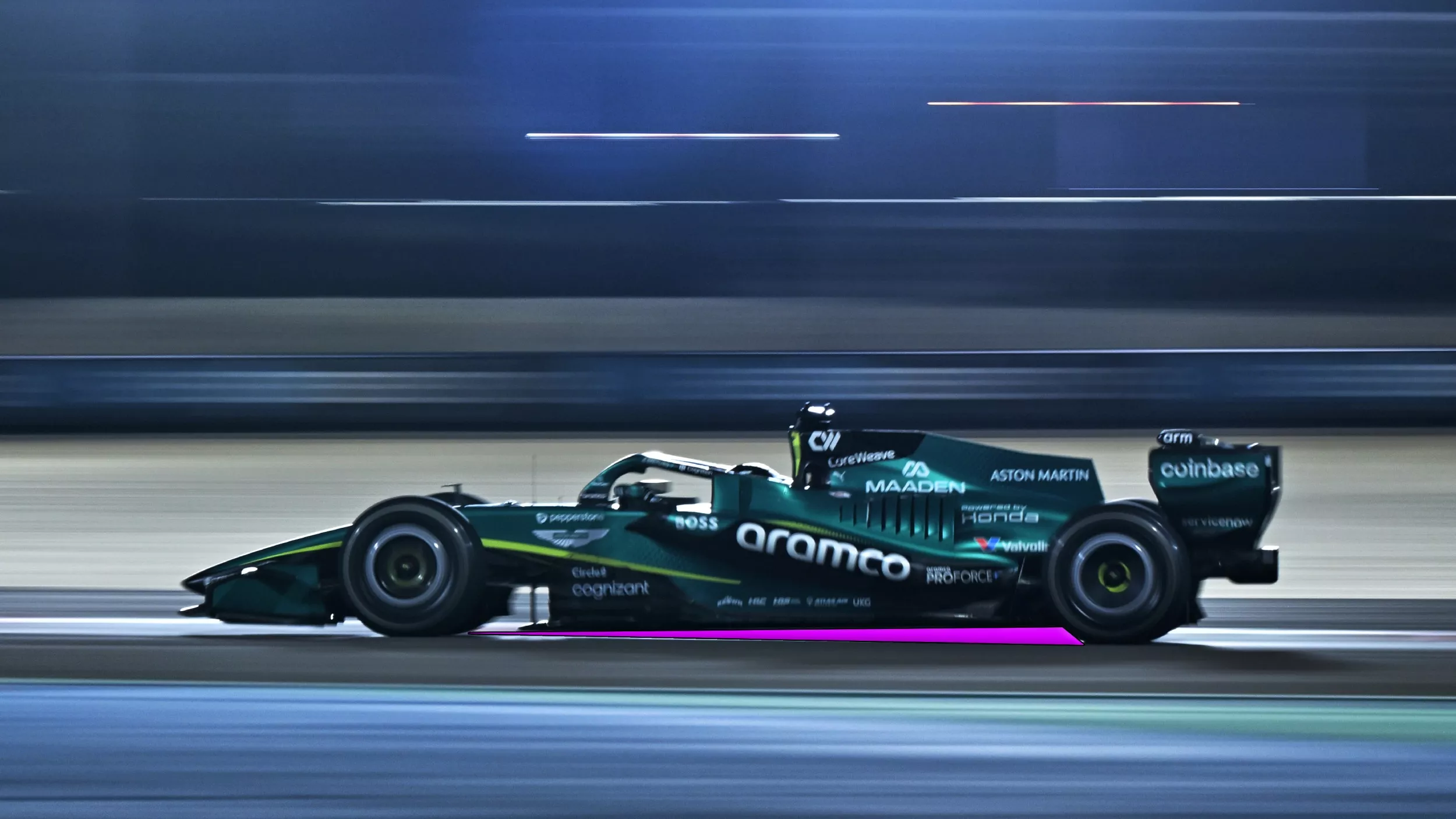
The most active team regarding updates was Aston Martin, despite a complicated phase related to the Honda power unit.
Between Australia and Japan, Aston introduced two different versions of the front wing and a new floor. The latter is particularly interesting, featuring two unprecedented vortex generators on the upper lip of the floor in the front area.
This solution is designed to improve flow management in a critical area of the car. Aerodynamically, the AMR26 is certainly an exciting car, but it cannot demonstrate its potential aerodynamic quality just yet.
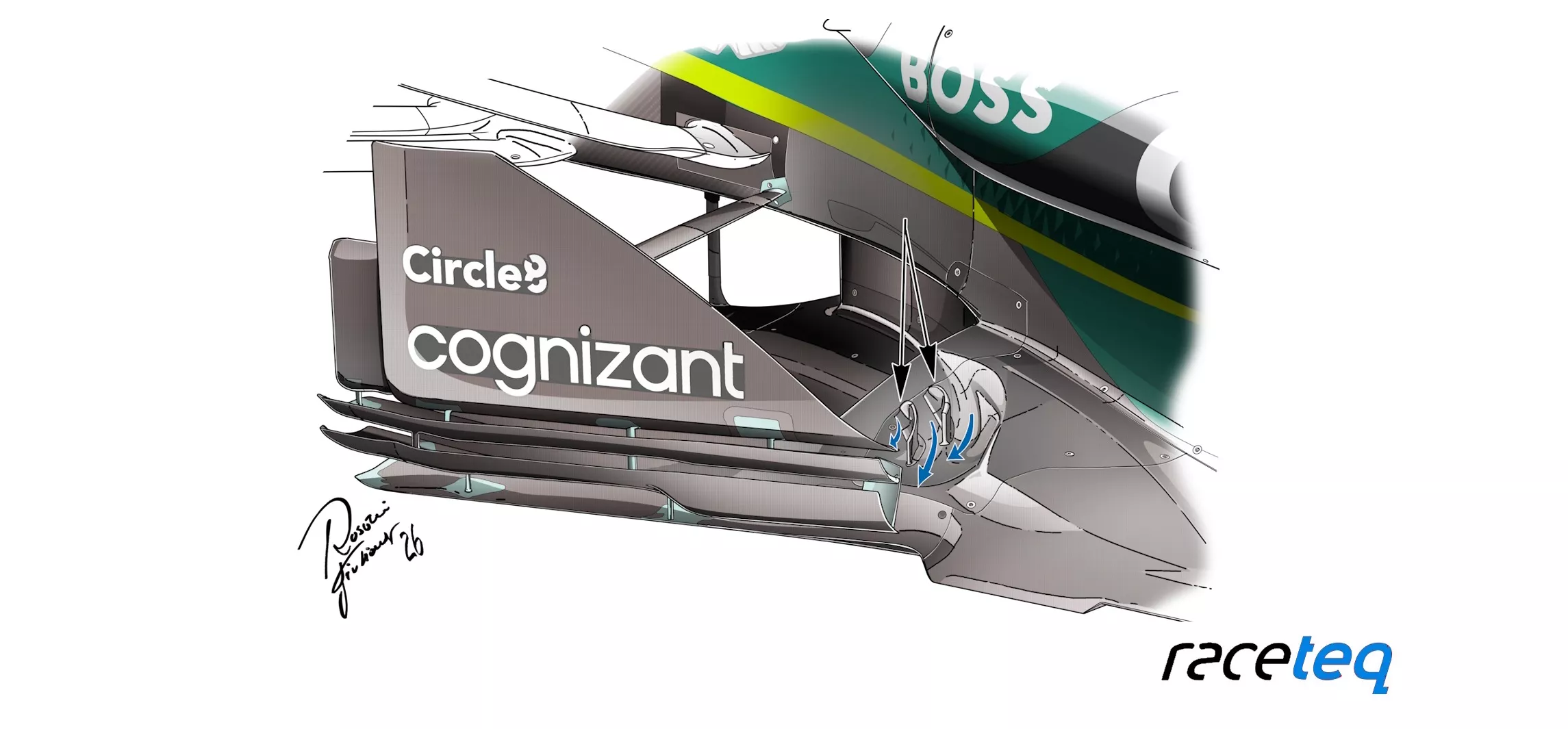
The front floor of the Aston Martin AMR26 showing vanes (denoted by black arrows) that channel airflow outwards (denoted by blue arrows)
Alpine, Haas, and Audi with small intricacies
Haas, Audi, and Alpine are the teams currently contending for midfield supremacy. After some difficulties in Australia, Alpine introduced an unprecedented wing extension on the rear wing actuator device in Japan to increase local downforce.
This design plays with the mobile legality boxes of the wing, somewhat similar to what Mercedes did with the rear wing first brought to testing.
Audi surprised many by effectively changing from 'Version A' to 'Version B' during Bahrain, radically changing the bodywork design. In China, a new front wing and a new nose appeared, which were already quite unique in their design. Audi is actually the only team, along with Racing Bulls, to have the front mobile wing actuators positioned in the front area, above the main plane.
Haas is proving to be a good car aerodynamically, especially in race trim. The American team's aerodynamicists were clever and quick to copy, more or less, the unique winglet that Ferrari studied in front of the engine exhaust on its SF-26 - a system thought to be useful for increasing downforce dubbed ‘flick tail’.
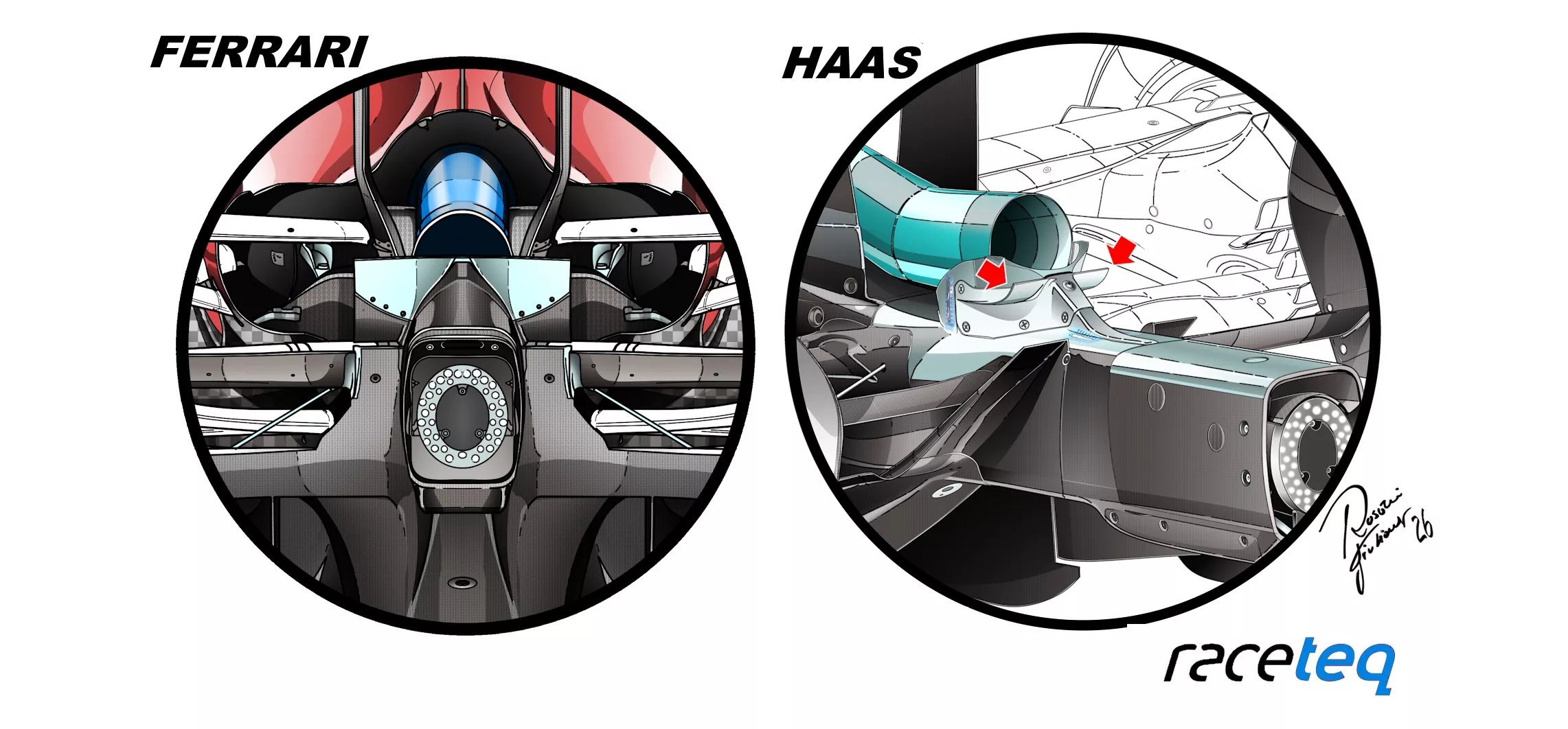
The ‘flick-tail’ winglet on the rear of the Ferrari and Haas F1 cars
Red Bull in difficulty?
In Japan, Red Bull anticipated an updated version of the RB22, but only on Max Verstappen's car.
The main innovation was a 'downwash' bodywork, a car body that slopes more towards the rear, conceptually similar to solutions seen on Cadillac and McLaren. This configuration was subsequently used by Isack Hadjar in the Pirelli tests held at Suzuka the following week.
Miami will mark the beginning of true evolution.
After this cautious start, the forced break in April represents a key moment.
Teams will finally have the time to summarise the new regulations by analysing the collected data in depth and evaluating the effectiveness of the solutions seen on track. It will also be an opportunity to understand where to intervene more decisively: aerodynamics, power unit management, or mechanical behaviour.
Upon resumption at the Miami Grand Prix, the first true evolutionary leap of the season is expected. The first three races were, in fact, a validation phase.
Miami will instead mark the start of the second phase: the one where the data gathered between Australia and Japan will be transformed into concrete updates - and where the real performance values in this new technical cycle of Formula 1 2026 will begin to emerge more clearly.