Motor
F1 engine driveability explained: Why power and torque aren't everything
by Matt Grant
5min read
When it comes to talking about engine performance, there is understandably a significant focus on peak power and torque. Whilst these are important topics, one key characteristic of an engine that is often overlooked is driveability.
Sign up for a newsletter and we'll make sure you're fully up-to-date in the world of race technology
Driveability is actually quite a loose term but broadly speaking it can be thought of a measure of how well an engine can deliver its performance in a predictable, smooth and effective manner. A driveable engine is one that will respond promptly and consistently to throttle inputs, delivering torque in a controllable manner with minimal hesitation or surging.
Unlike power and torque, there aren’t any units that we can use to quantify driveability, and to many drivers it will be a subjective feeling. Nevertheless, we can create a set of metrics that can be used to rate driveability, which might include the time in milliseconds between a throttle input and a measurable output of power or torque response, or the gradient of torque with respect to throttle angle, or the rate of engine acceleration and deceleration, for example.
Why is driveability important in motorsport?
In a race car (or bike for that matter), the driveability of the engine will determine how effectively the driver can use the engine’s available performance. An engine that responds predictably and progressively to throttle inputs ensures that the driver can apply power earlier when exiting a corner, balance the car more accurately through a turn, and make finer adjustments to the car’s attitude. This can improve lap time, consistency and confidence.
In contrast, an engine with poor driveability makes it difficult to exploit the performance of the engine. An abrupt torque response can create wheelspin, while a delay in torque delivery can make it difficult for the driver to judge when to apply the throttle. This poor behaviour is more noticeable on the race track than it is on the road because the tyres will be operating at the limits of adhesion, and so the manner that the torque is delivered can be just as important as how much torque is available.
Over the years there have been many cases where a car and engine package has been able to beat rivals that were thought to have more power and torque thanks to better driveability. The ability to deliver that performance in a predictable and controllable manner can allow a driver to exploit a greater proportion of the engine's potential, particularly when accelerating out of corners where traction is limited.
For example, one can go back to the early 1990s in Formula 1 to see the point where cars that ran the V10 engine configuration started to outperform the V8 and V12 competitors. Whilst there is more to driveability than just the number of cylinders, it was felt by many at the time that the V10 layout was an excellent basis for a more driveable engine. In part, some suggested that this was because the V10 engines that were being used at the time had an optimal spacing of firing intervals that contributed to smooth torque delivery.
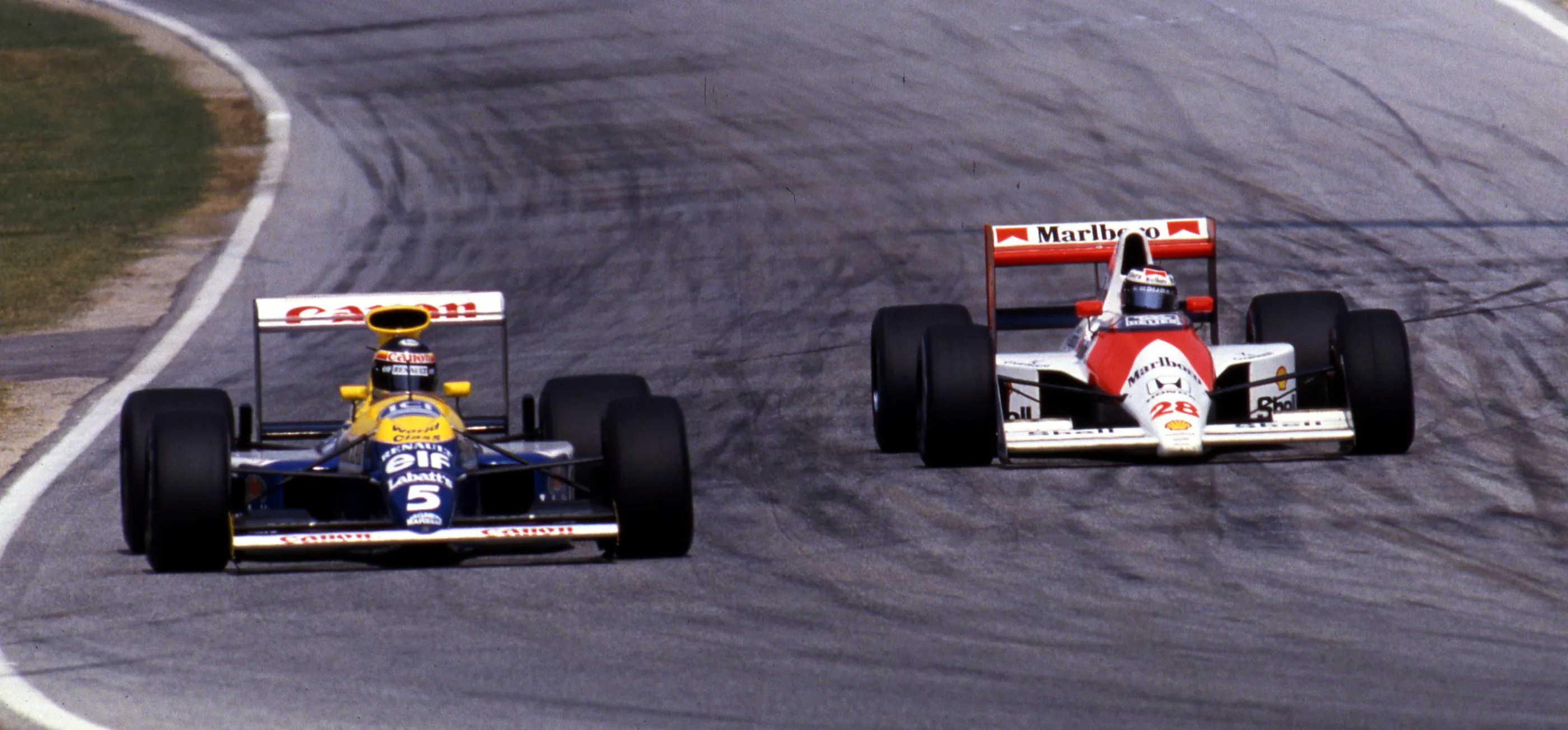
The V10-powered Williams (L) and McLarens (R) took the fight to the V12-powered Ferrari's and V8-powered Benetton's in 1990
Driveability in the hybrid era
In 2014, the hybrid power units were introduced, which added electrical power in the forms of MGU-H (Motor Generator Unit - Heat) and MGU-K (Motor Generator Unit - Kinetic) systems. The former harvested energy from hot exhaust gases via the turbocharger, while the latter harvested energy from kinetic friction during braking, and both systems could then deploy power at opportune moments during the lap.
The addition of these electrical systems fundamentally changed the nature of driveability in Formula 1. Instead of controlling the output of an internal combustion engine alone, the driver was now dealing with the combined torque delivery of a turbocharged engine and electric motors, with the response influenced by energy recovery and deployment strategies. Moreover, the MGU-H also helped to eliminate much of the turbo lag by electrically accelerating the turbocharger.
.webp?cx=0.5&cy=0.5)
A Mercedes F1 powerunit with the battery for the ERS (energy recovery system) in front of it
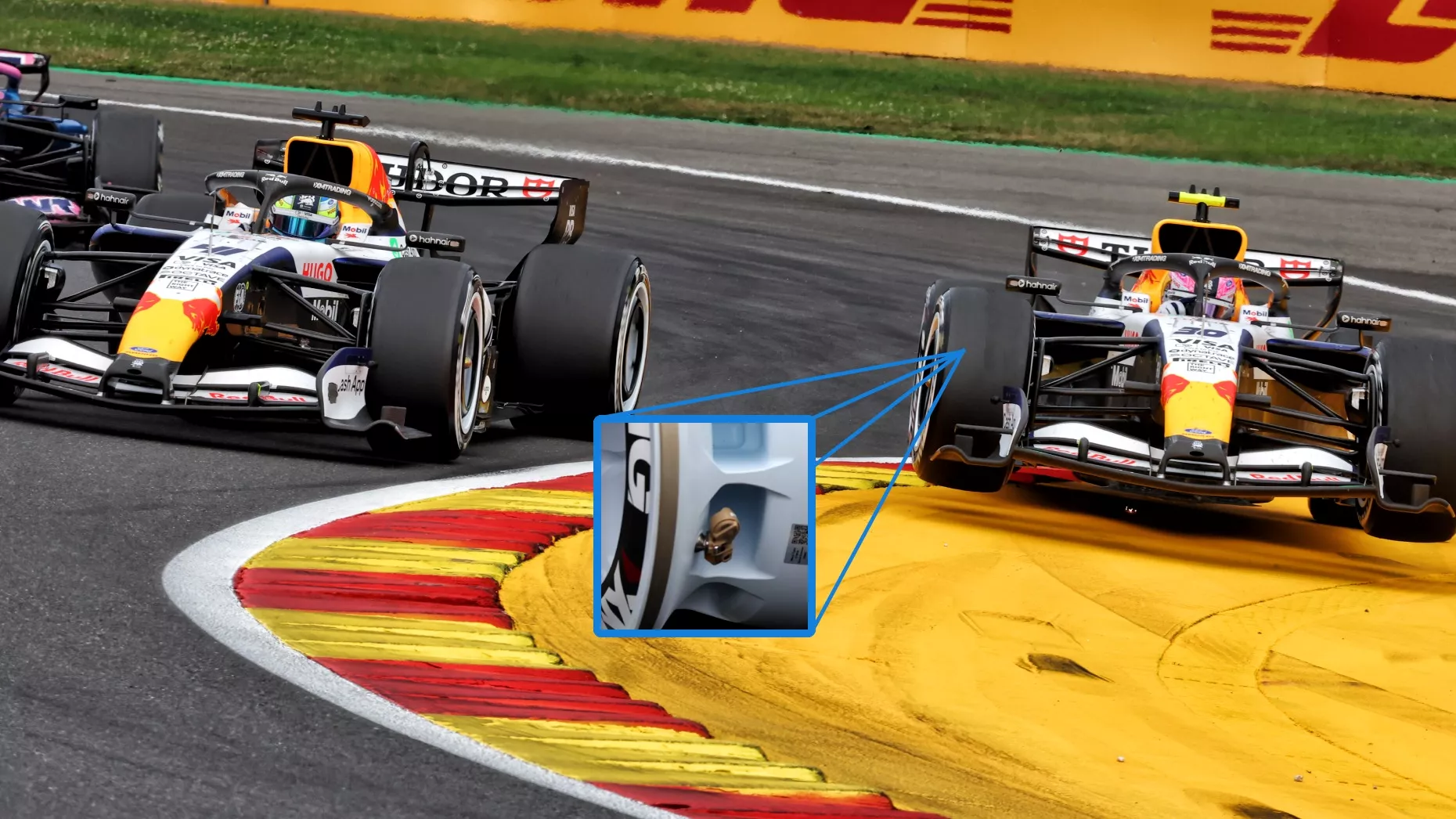
As a result, driveability became increasingly dependent on how smoothly and predictably the power unit could blend combustion and electrical torque, making the calibration of the control systems as important as the mechanical characteristics of the engine itself.
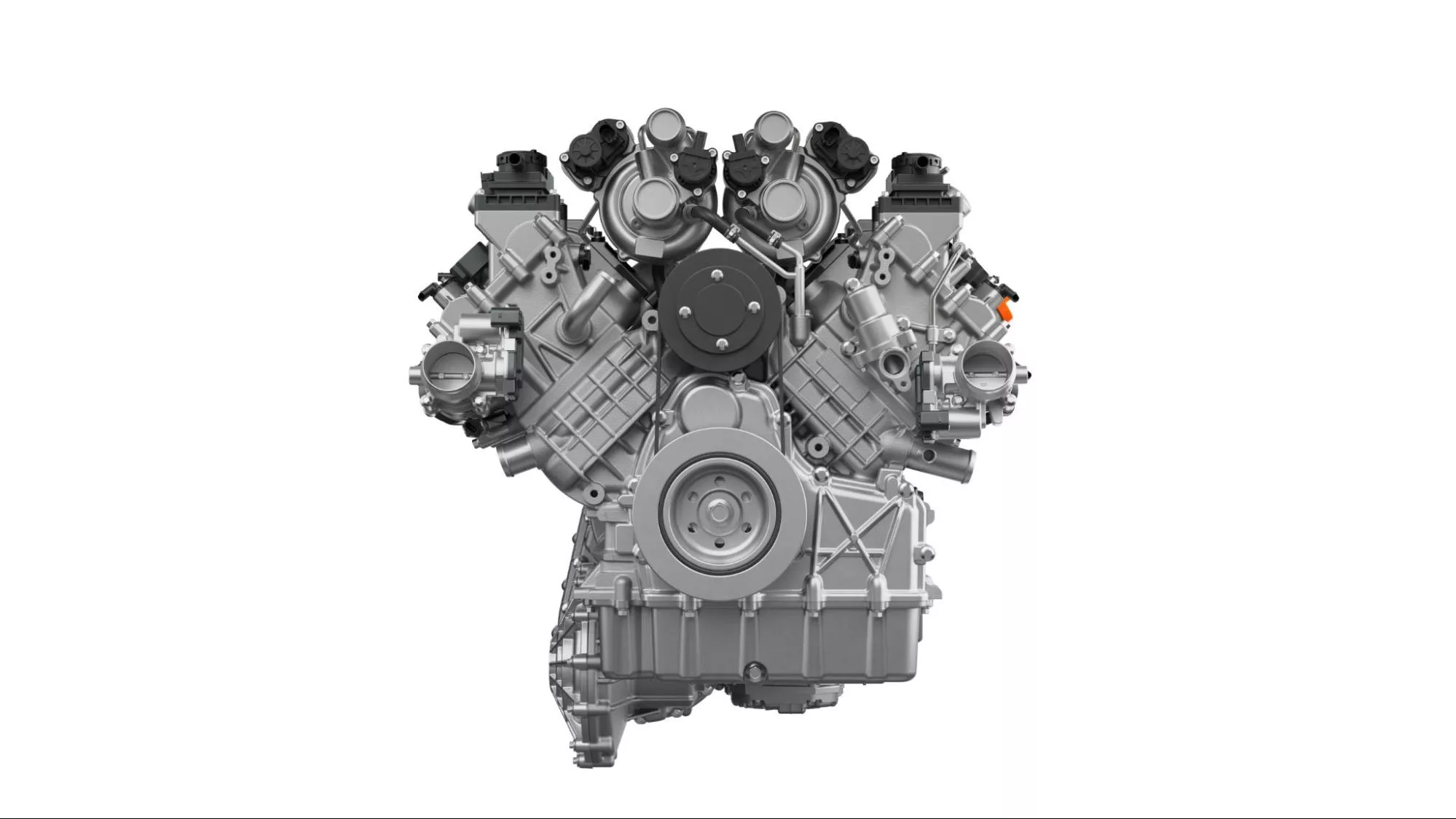
For 2026, while the MGU-H has been removed, the power available from the MGU-K has increased significantly, to the point where the MGU-K provides approximately half of the power unit's total output. Consequently, the interaction between the torque from the electric motor and the torque from the ICE (internal combustion engine) is more important than ever, and this has a significant impact on the overall driveability of the power unit. Now, engineers have to develop control strategies that will cater for the ICE engine, turbocharger, electric motor and energy storage system to give the driver a predictable and exploitable response.
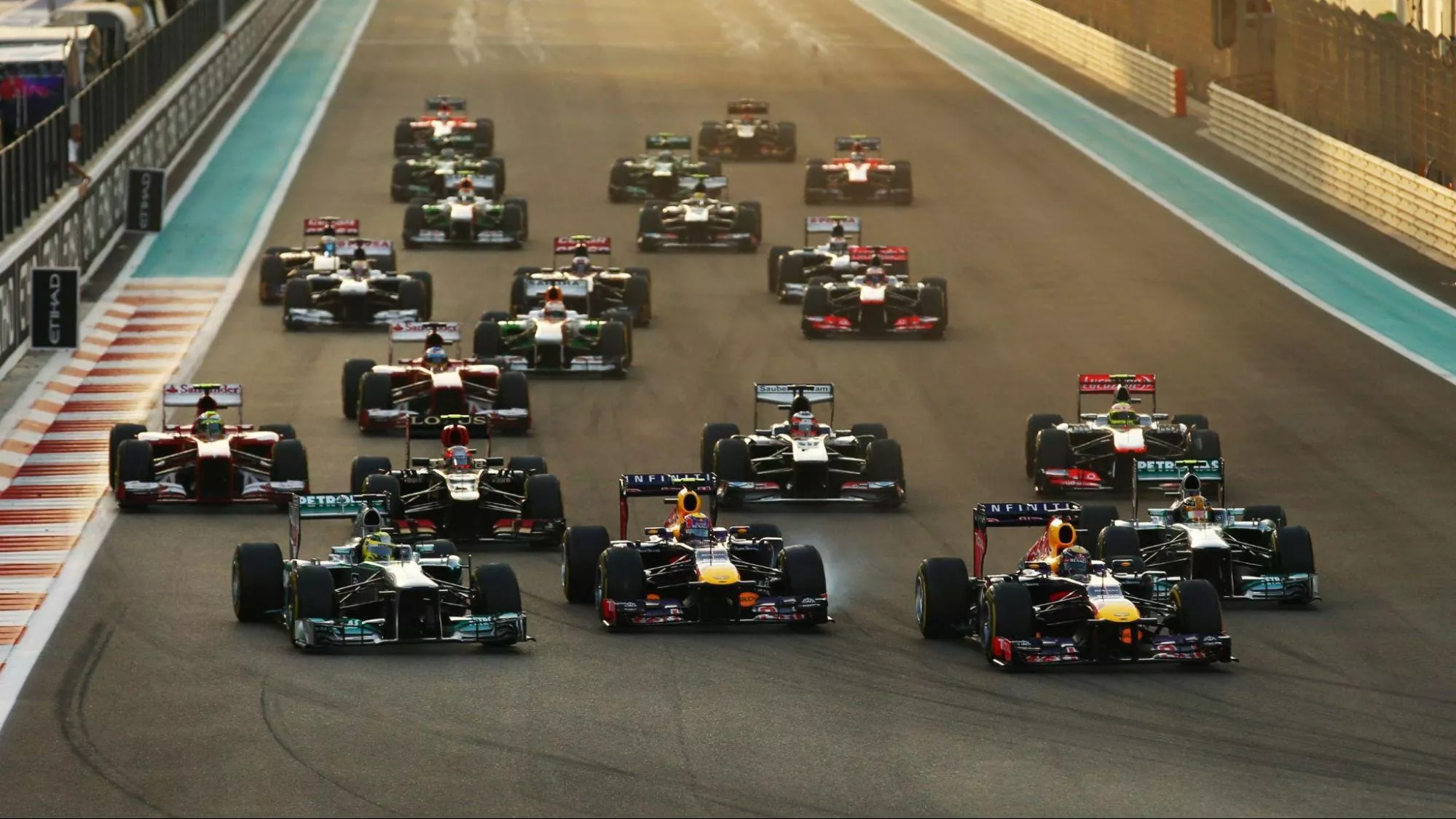
Looking further ahead, the proposed Formula 1 power unit regulations in 2031 could see the sport move back towards an internal combustion V8 with only a small hybrid contribution, similar to that last seen in 2013. The removal of the turbocharger and the reduction in the output of the MGU-K will mean that there will be a simpler, more consistent relationship between the driver’s throttle pedal and the torque delivered to the rear wheels. There will be lessons that have been learnt throughout the hybrid era, but we might be heading back to an era where there will be less effect from electrification to improve driveability.
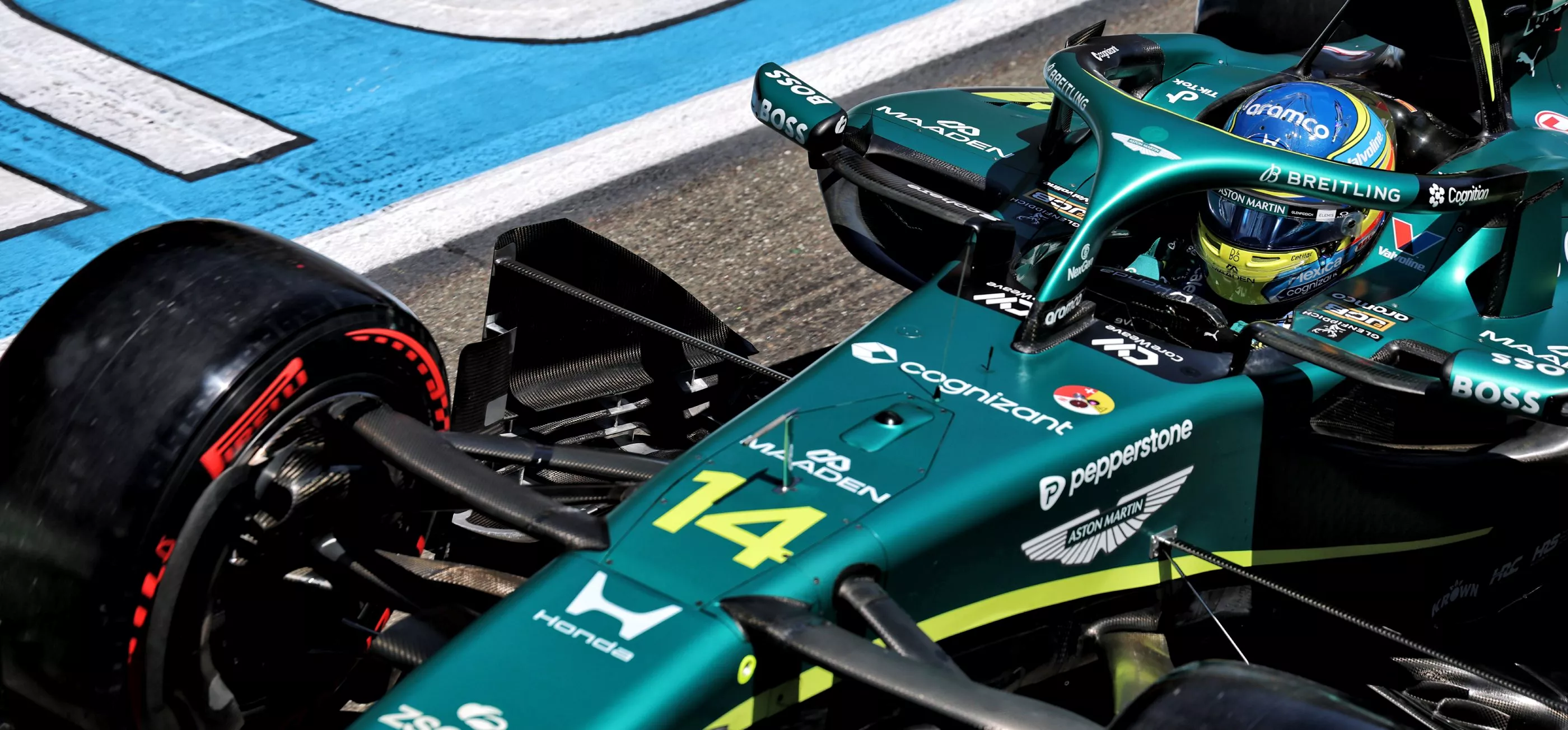
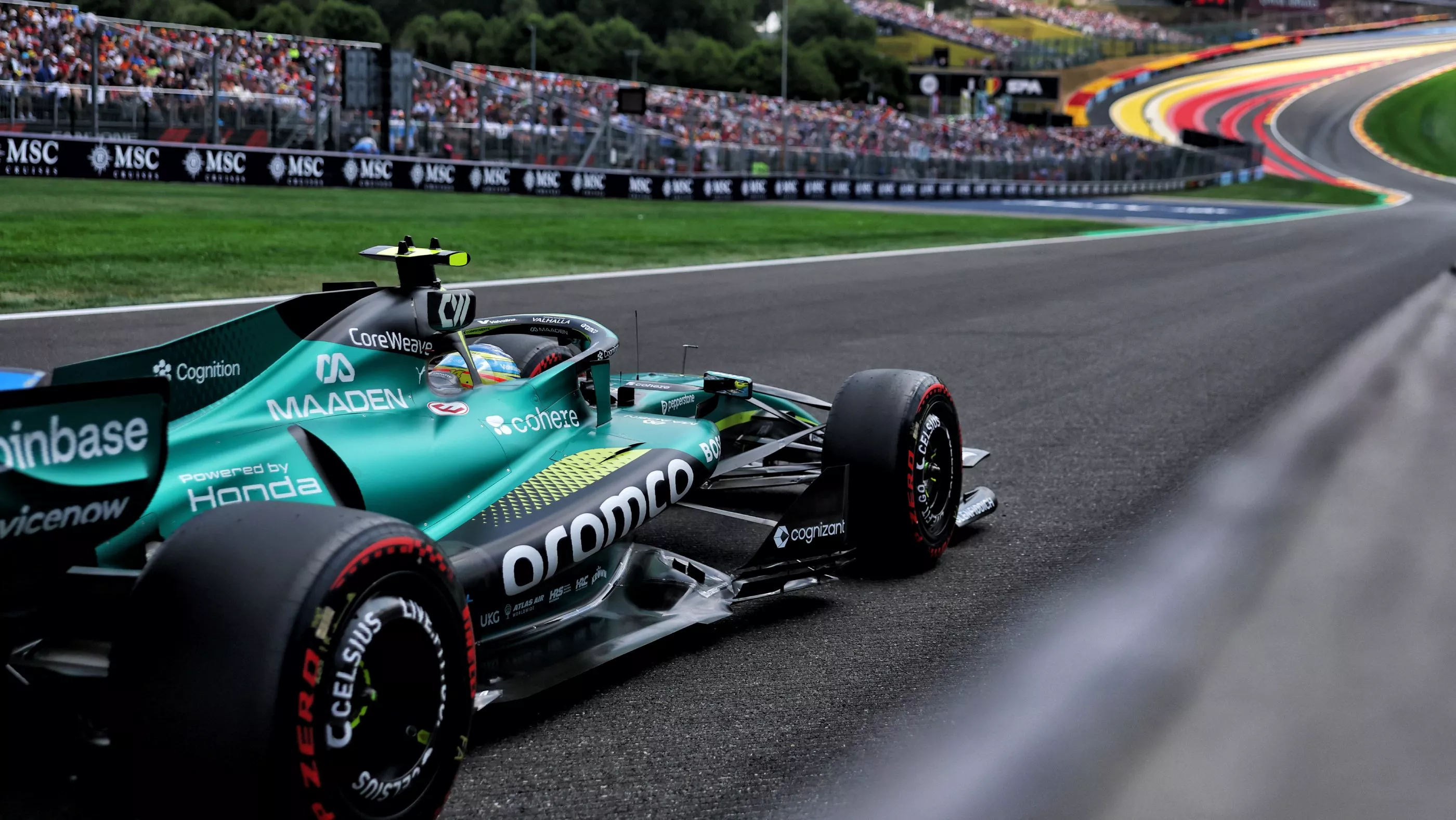
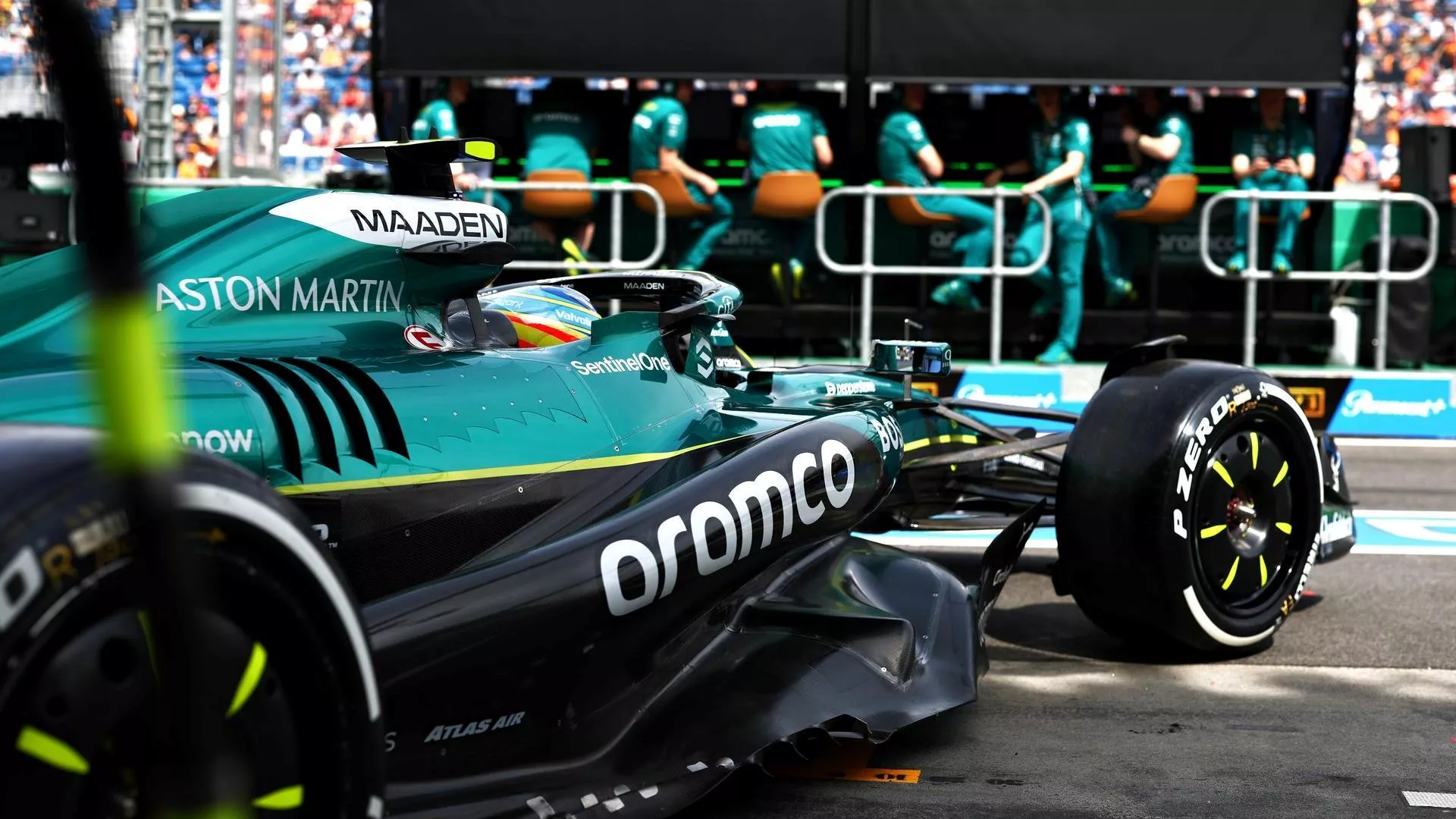
The Aston Martin Aramco Formula 1 Team AMR26 with Fernando Alonso at the wheel. F1 drivers have a say in the throttle response and feel of their cars - with driveability often a focus of development in the hybrid era of F1
From race to road
The lessons that we have learned about driveability in motorsport can be applied to road cars. The race track is an excellent testing laboratory for the development of the engine driveability, providing engineers with the opportunity to study and refine various factors such as throttle response, torque delivery, turbocharger control and the blending of combustion and electric power.
With the electrification of our road cars becoming more commonplace, these lessons will be particularly relevant and will ensure that both race and road cars deliver performance in a manner that is predictable, controllable and effective for the driver.