Car

Pedro de la Rosa: The art of tyre management - and why the Pirelli era has brought the best out of F1

by Pedro de la Rosa

8min read

Pedro de la Rosa
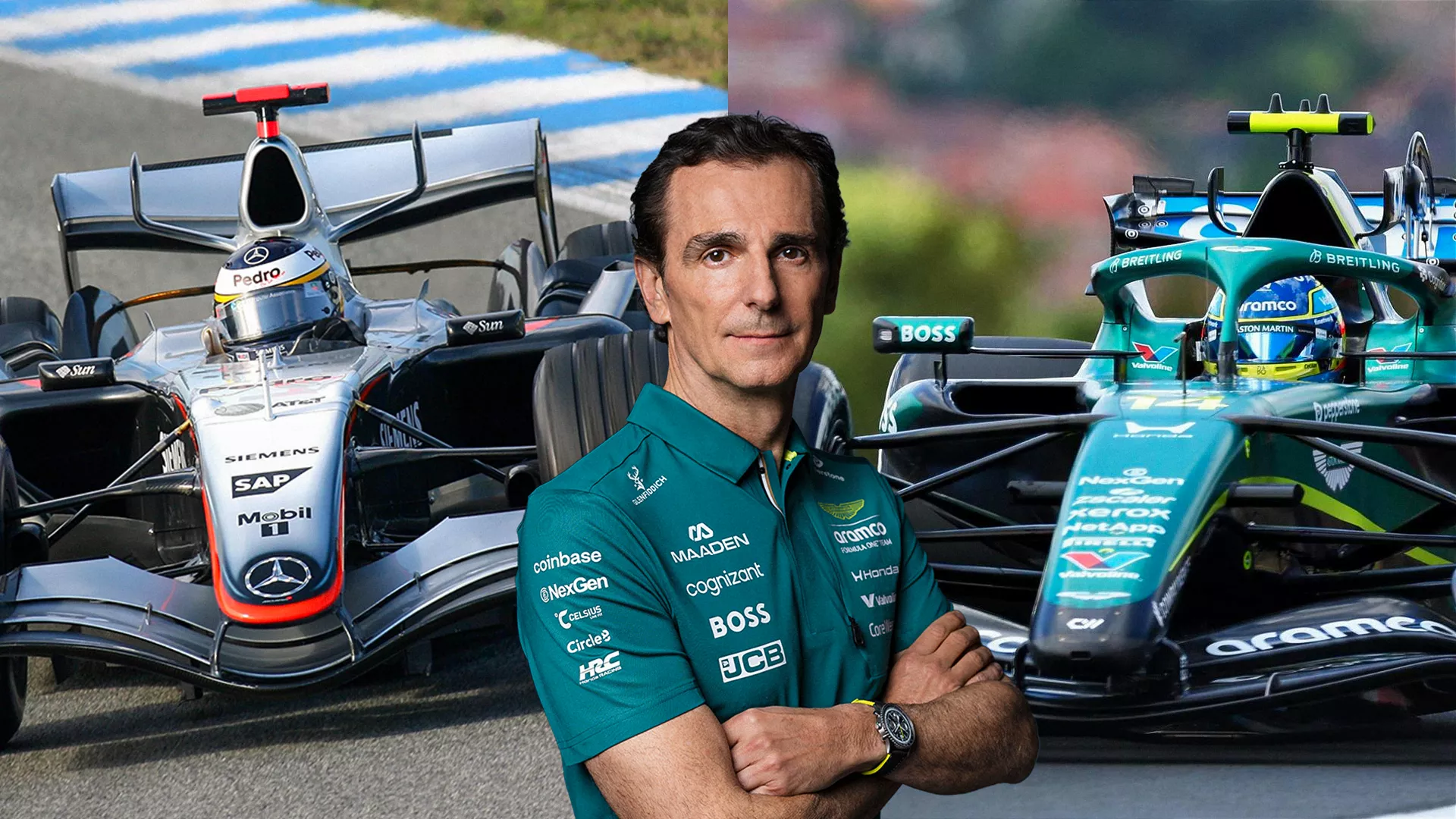
Pedro de la Rosa flanked by F1 cars

Aston Martin Aramco Formula 1 Teams’ Global Ambassador, Pedro de la Rosa is a veteran of more than 100 Formula 1 starts for the likes of Jaguar, McLaren and Sauber. This is his debut column for Raceteq.
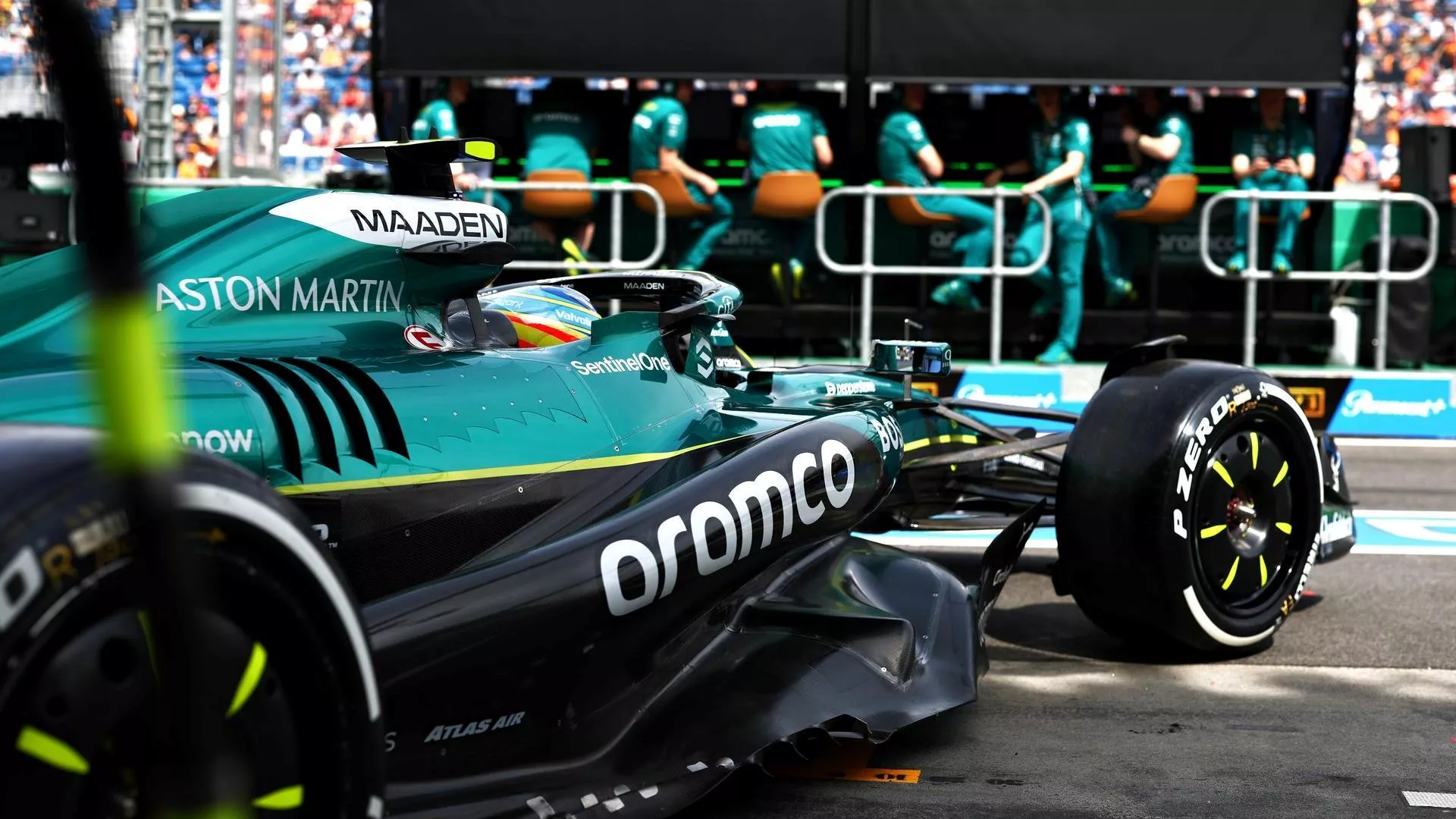
Aston Martin F1 car exiting garage

Sign up for a newsletter and we'll make sure you're fully up-to-date in the world of race technology

De la Rosa made his F1 debut for Arrows in 1999 and left at the end of 2000, the year Michelin joined Bridgestone in F1. He joined McLaren as test driver in 2003, starting a handful of races for the team, and stayed until the end of 2010 - on the eve of Pirelli’s re-entry to F1.
 
In this exclusive column, the Spaniard looks back on the evolving art of tyre management, the critical point the 2005 tyre war, and the unseen reality of Pirelli being F1’s tyre supplier. 
 

The art of tyre management, then and now 

Looking back at the Michelin-Bridgestone era, it was a completely different world.


Back then, the tyres had a much wider operational temperature window, so the driver didn’t have to constantly adjust how they drive to keep the tyres in the perfect temperature window, as they do now.
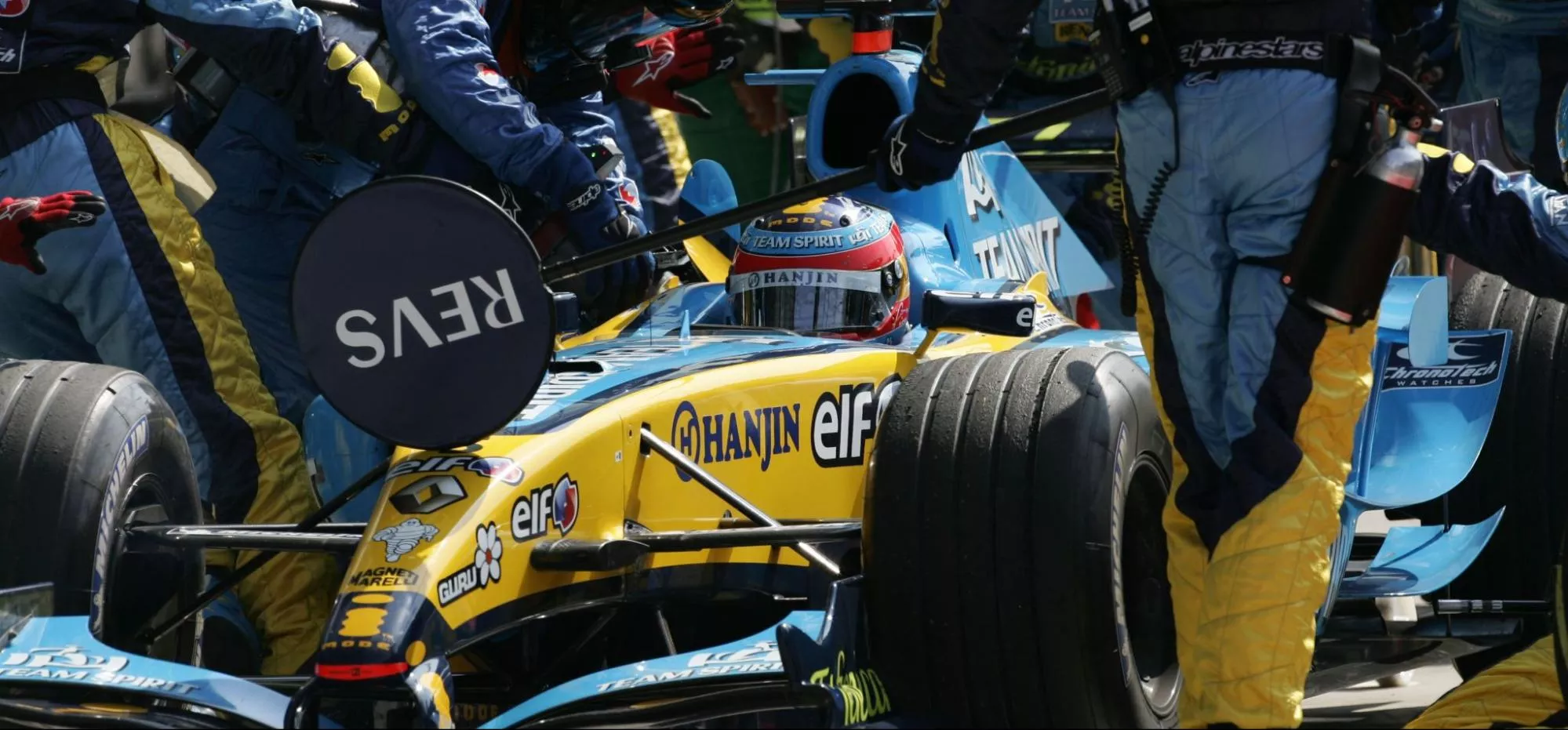
The year that signalled the end of that era was 2005 - a year we’ll return to soon - when F1 also banned tyre changes during pitstops.
Renault F1 car

Pedro de la Rosa pits his Renault for fuel - but not tyres - at the 2005 Italian GP

Lewis Hamilton and his F1 race engineer, left

Career

Xevi Pujolar: The race engineer - what you don’t see on TV

The only requirement from my engineers was: don’t flatspot the tyres. Other than that, you could basically go out there and push every lap to the maximum.

You’d even push on cooldown laps in free practice and qualifying, because the team needed the tyres to be at their peak temperature and pressure to represent how they were on the flying lap.

That’s because we didn’t have the sensors and data acquisition systems that we have now.

Nowadays, when you’re driving, you know exactly what the temperatures are of each tyre, dynamically, in every part of the circuit. 

So, you're given a target temperature to start the lap, and then during the lap, if you're going over the threshold, your engineer will tell you ‘don't slide too much’ just to make sure that you bring the tyre back to its temperature window.

The tooling is so much more sophisticated now and it makes it much easier for the driver to know where they are and where they have to be. 

The Pirelli tyre is more sensitive, so it needs more care and precision. Over a race distance, you need to introduce the tyre over the first few laps so that you bring the temperature up slowly. 

Today, tyre management is still an art, but it used to be art based on intuition.

Before, you were left with your gut feeling. That was the most important thing: ‘Is the tyre warm enough? Am I pushing the tyre too hard on the outlap?’ 

It's now an art based on physics because you have all the data to support your feeling. And data is even more important than the feeling of the driver. So, you keep looking at your display on the steering wheel just to make sure that you're keeping the tyre in the right window.
2005 Indianapolis Grand Prix spin

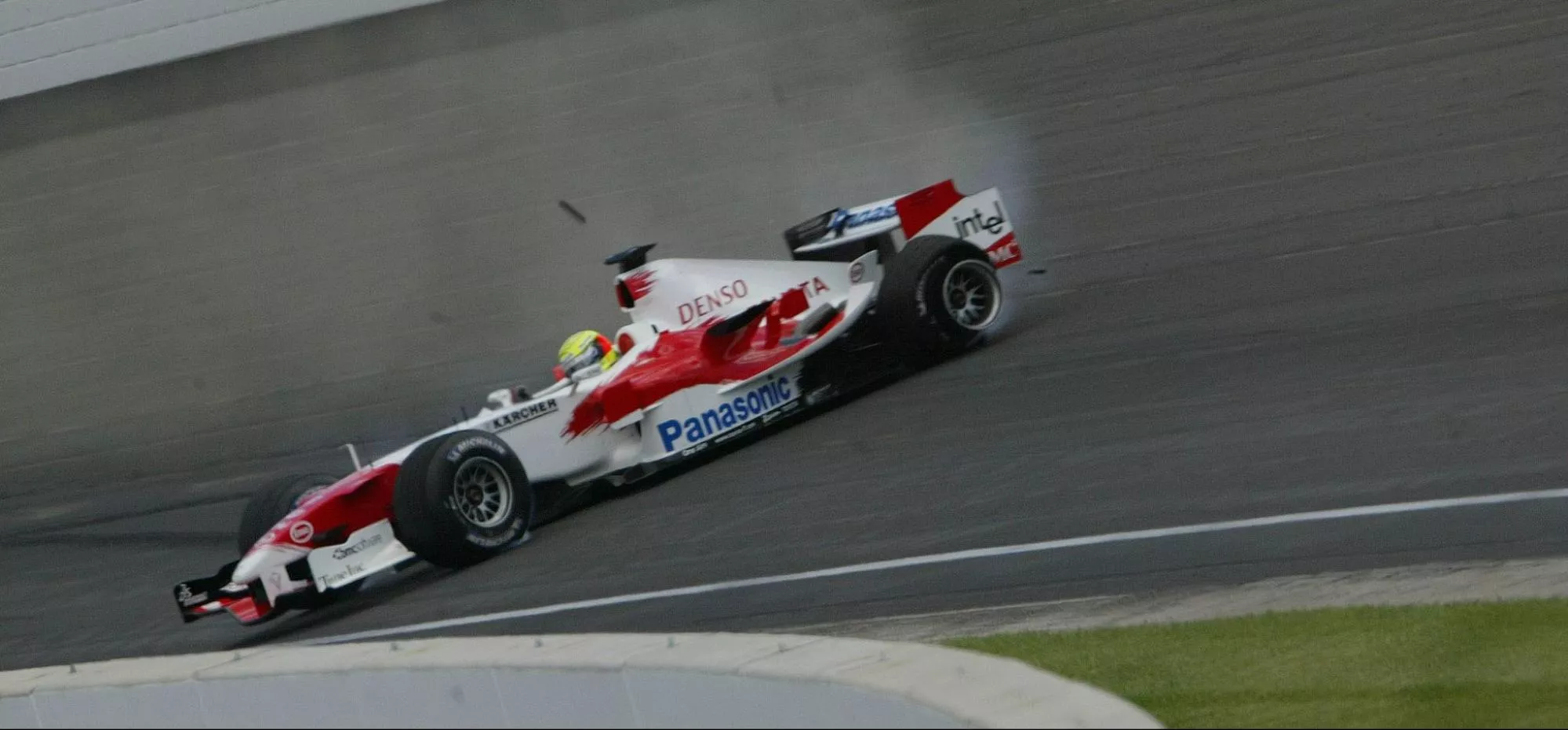
Ralf Schumacher’s Toyota moments before impact in practice for the 2005 United States GP at Indianapolis
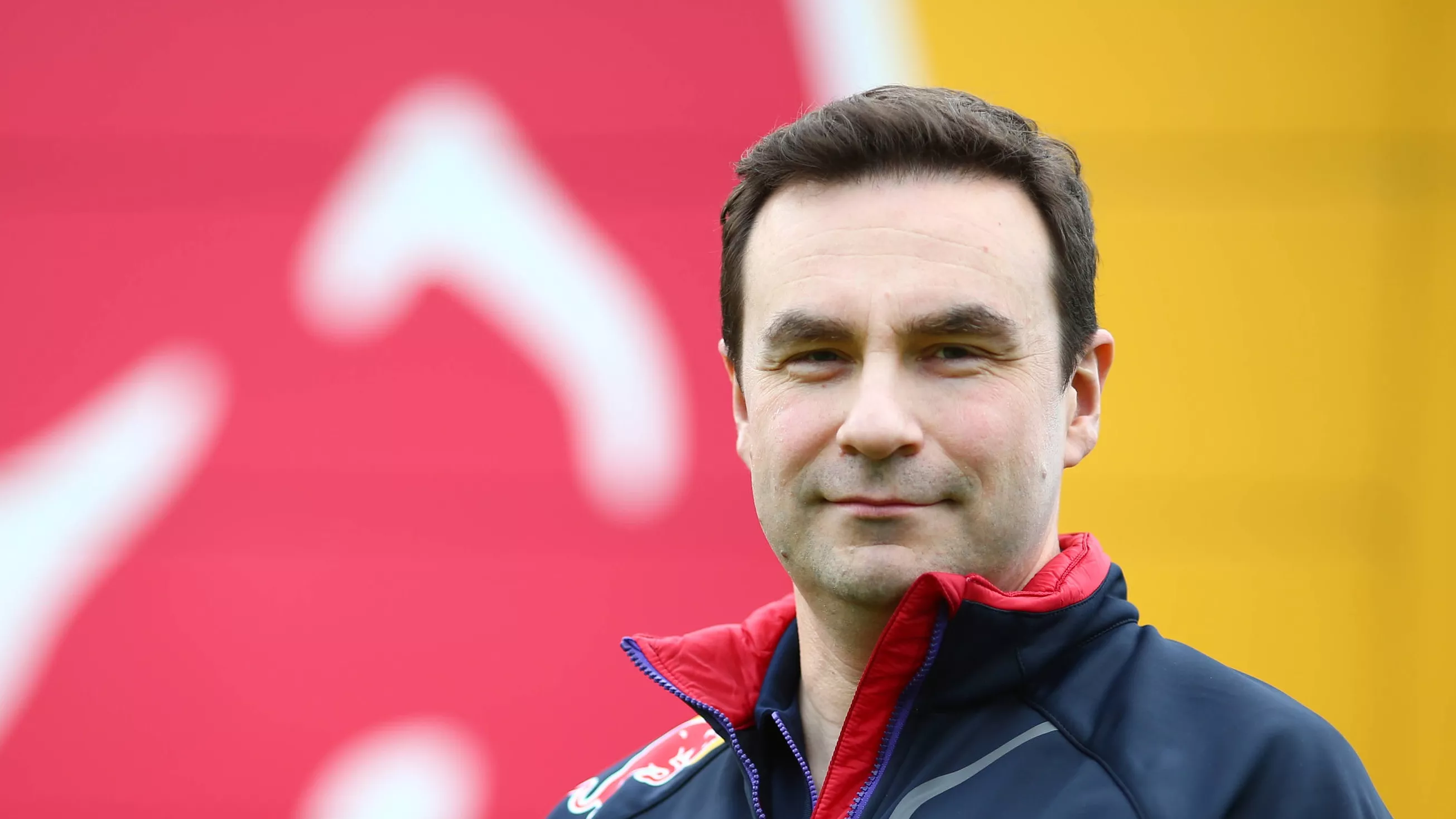
Dan Fallows

Career

Dan Fallows on what F1 teams really want - and why he joined Racing Bulls

The moment that decided Michelin’s fate in F1
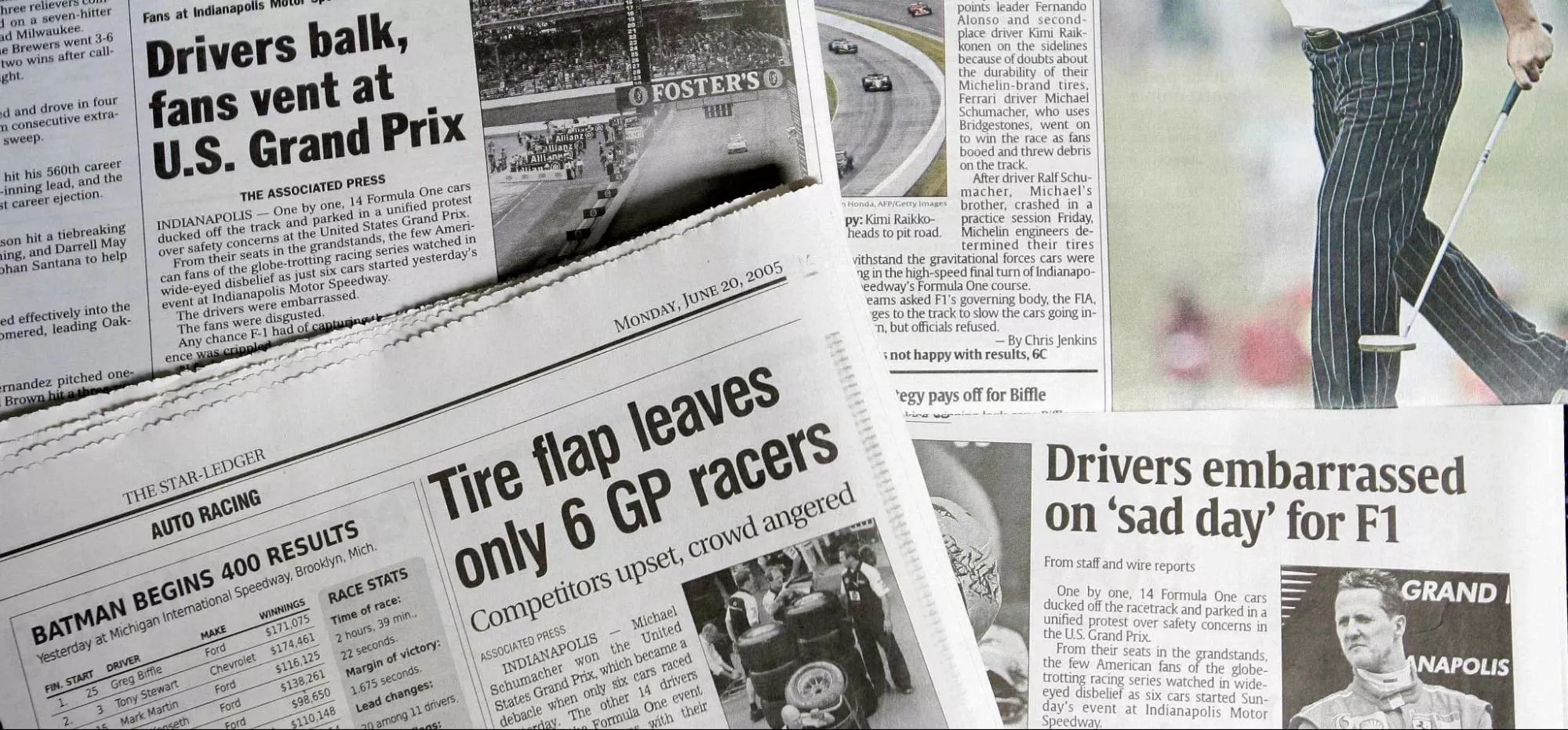
The tyre war came to a head at the 2005 United States Grand Prix.
 
I was the third driver for McLaren back then, as teams that finished out of the top four in the 2004 championship were allowed to field a third driver on Fridays in 2005.
 
There was a raging safety argument at Indianapolis. The teams using Bridgestones were all fine going through the long banked final corner, and they didn’t want a chicane to slow the last section down for the Michelin-tyred teams.
 
The Michelins couldn’t handle that banked section. I have some pictures of my car on the last corner with the Michelin tyre completely on its sidewall. Completely bent, and about to explode.
 
So, I was so lucky - it could have been me. It was Ralf Schumacher who had a massive crash, and it was actually just luck that prevented me from having a similar incident.
 
Several solutions were planned or presented and the chicane was one of them, because the problem was really down to the banking and the load it put on the tyres.
 
This was the Bridgestone-Michelin tyre war and the Bridgestone teams did not want to give in as it was a fight for the championship. 
 
Michelin ended up leaving F1 in 2006, but the spectators ended up paying the price in 2005. 
Newspapers showing headlines about 2005 US GP

Newspaper headlines following the 2005 United States GP, where only the six Bridgestone-tyred cars took to the grid for the race

Gary Anderson

Career

10 Questions With… Gary Anderson

My role in bringing Pirelli back to F1 
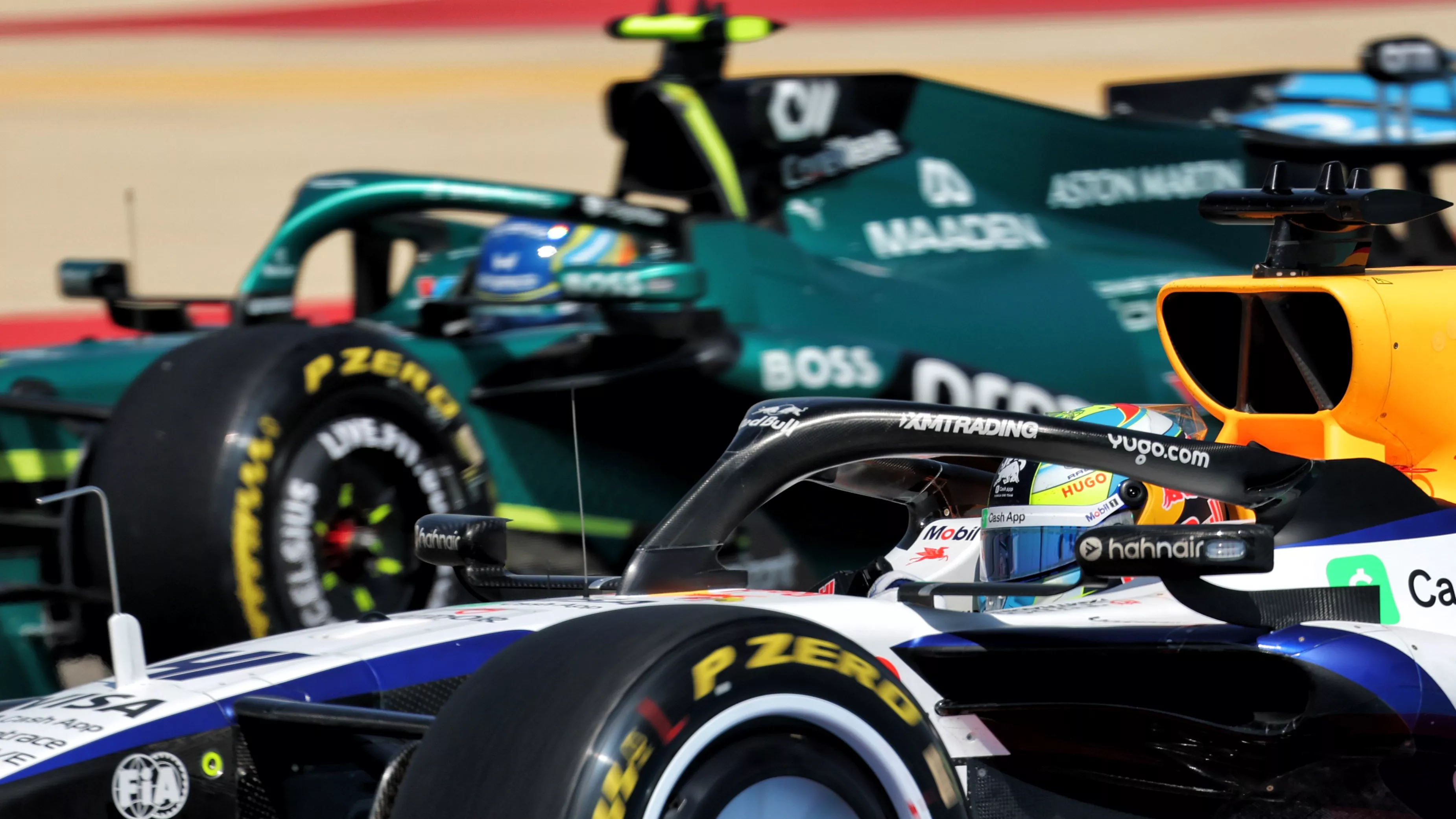
In 2006, everyone changed to Bridgestone tyres and they proved to be solid, with a very wide temperature window. 
 
Bridgestone itself would also soon leave F1 due to financial challenges, with Pirelli taking its place in 2011.
 
I started testing for Pirelli in Spain, in October 2010.
 
It was the first F1 tyre produced by Pirelli since 1991 and even at this late stage of testing we were having a lot of blistering issues. We did hundreds and hundreds of laps, trying different compounds and different constructions.
 
In response to the blistering issues, Pirelli began trying to spread the temperature of the surface. Eventually it changed the construction, putting a little bit less rubber on the inside of the tyre to even out the temperature. 
 
They faced a very steep learning curve, and Pirelli had to develop the wet and intermediate tyres on top of the four dry-weather compounds. 
 
It was also difficult to select the compounds for the first race of 2011 in Australia, because Pirelli was starting from scratch - and there was a bit of guessing going into that round. 
 
‘Are we going to go to too soft a compound? Are we going to have blistering issues?’
 
Sometimes we don’t reflect on how good the company did in such a short time. I really thought we would struggle to deliver a reliable tyre for the first race of the season because we only had a few months but Pirelli’s speed of development was fantastic, really fantastic.
 
It’s still a temperature-sensitive tyre, but back then it was massively so. 
F1 cars 2026 testing

Car, Motor

Dan Fallows: Bad test, long season - how F1 teams fight back

You might remember that the drivers started going over a cliff - we saw it in preseason testing as well - when the tyres had effectively used up most of their available rubber.. There was really no transition to that at all.
 
I think Pirelli has made massive steps now, but the first year was difficult. The tyres have got better and better. To an extent, those tyres being that sensitive in terms of temperature and degradation made racing extremely interesting.
 
The racing was sometimes great; there were three-stop strategies, and drivers were hitting the cliff when no one was expecting it. 
 
And I had a lot of fun as well. We were brainstorming - every test was different.
 

How this generation of F1 tyres has brought the best out of teams 
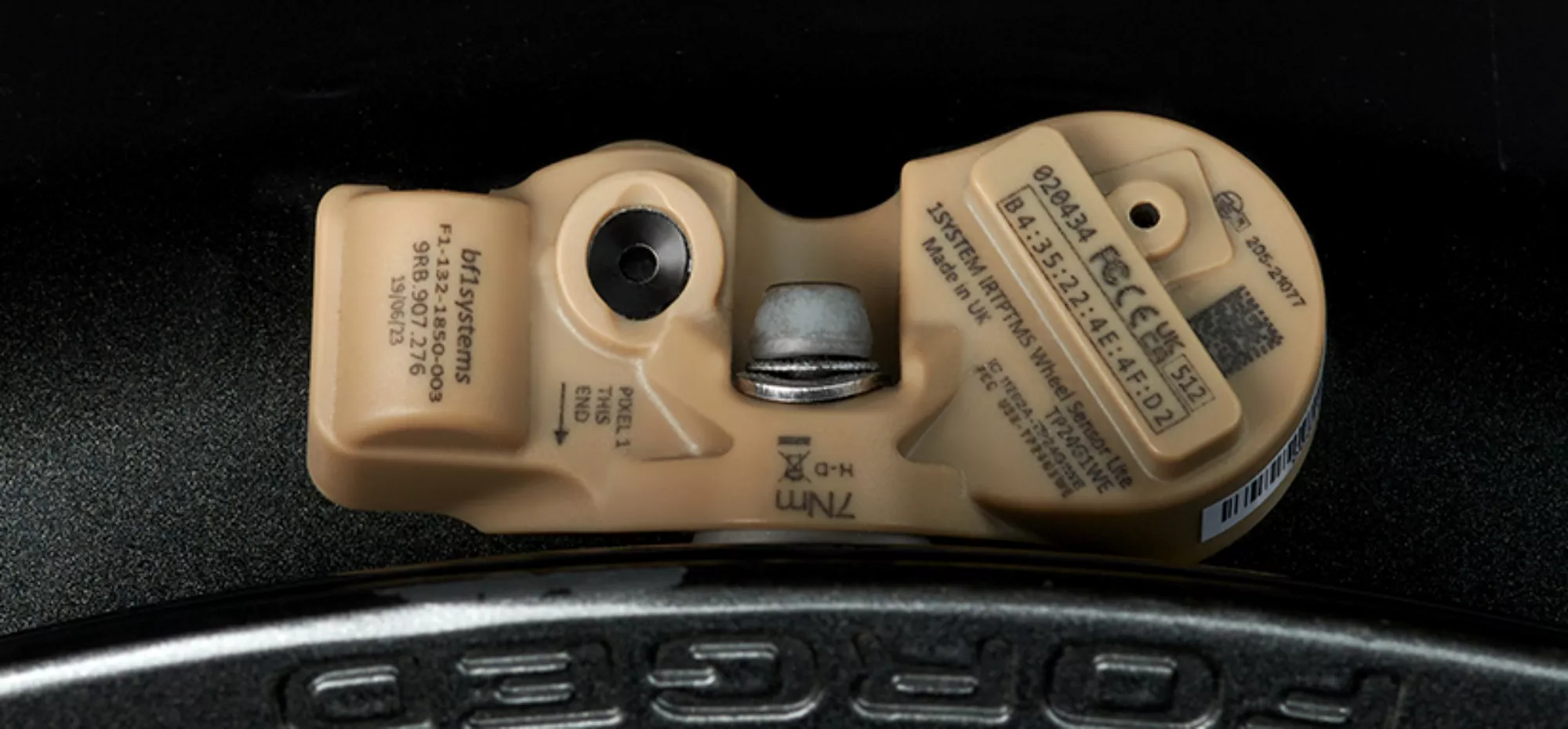
It was thanks to Pirelli that the teams developed very sophisticated ways of understanding the tyres: introducing infrared cameras facing the tyre surfaces, using the TPMS (Tyre Pressure Monitoring Sensor) to check pressures.
 
In 2011, F1’s tyre supplier helped usher in a new era of F1 innovation.
TPMS

A close-up view of the 2026 Tyre Pressure Monitoring System, courtesy of F1’s TPMS supplier bf1systems
Everyone realised how sensitive the tyres were to temperature, so the teams started developing incredible ways of understanding the tyres. 

The teams had developed the necessary tools to improve aerodynamic grip - using pressure tappings, load cells and seven-post rigs - when the 2009 regulation overhaul came in.

But no one really controlled, or had a modern, clear understanding of the tyres until Pirelli came in.

Moreover, if there was an issue with car balance back in 2005 - or thereabouts - the tyre supplier could fix it for us; Michelin designed a bespoke compound for each of its teams.

So, for example, at McLaren we had a different front construction to Renault because Renault had a very rearward weight distribution. Its car was really like a dragster - which explains why it always got off the line so well.

At McLaren, we had a very different front construction because we required more front-end in the car; we had an understeer problem and Michelin fixed the issue for us with a new front construction. 

Pirelli doesn’t develop constructions around the teams. You get the compounds that are available, full stop - and you get limited time to test them. 

Around 2005, we had two to three days of testing per week and one car dedicated to tyre testing and far more tyres available than we do now. We sometimes had more tyres than rims at the track.
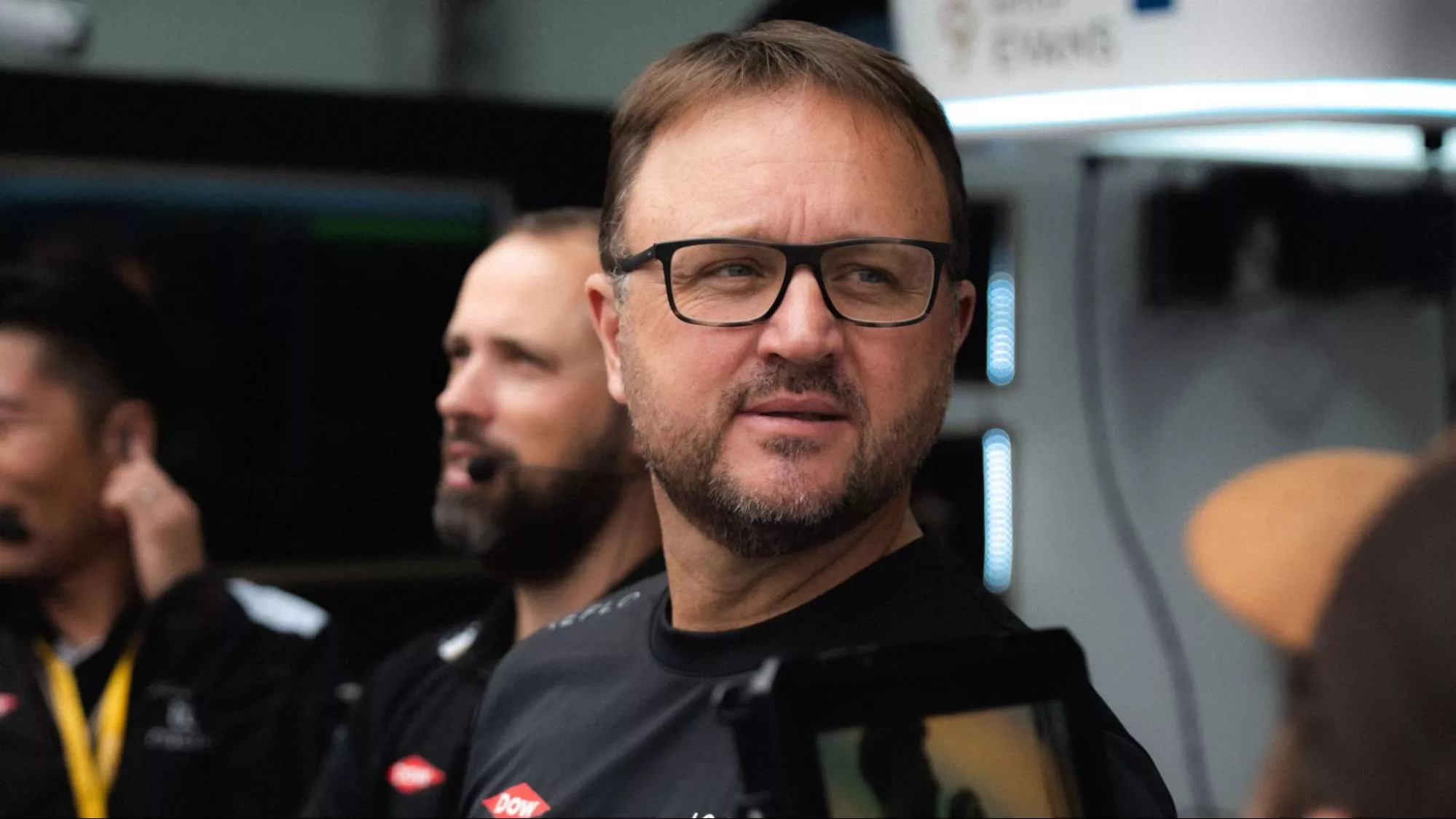
McLaren F1 car

Pedro de la Rosa testing for McLaren in Italy, 2005
On the other side, Pirelli has had to catch up with how quickly other teams were developing. 

There’s always something that pushes the car and therefore the tyres to their extremities like the double diffuser, or hot air being blown towards the tyre, while teams might have added 10% or 15% of downforce over the year. 

So, Pirelli then had to reinforce its tyres and make them stronger for the following season, as it still does.

It was thanks to the new tyre supplier that F1 teams realised, ‘we have to get on top of how the tyres behave’.

Pirelli pushed F1 engineers to achieve a new level of understanding, while also having to react to cars that evolved from one month to the next.

And that really is the Pirelli factor. 

Related articles

Gary Ekerold

Career

10 Questions With… Gary Ekerold

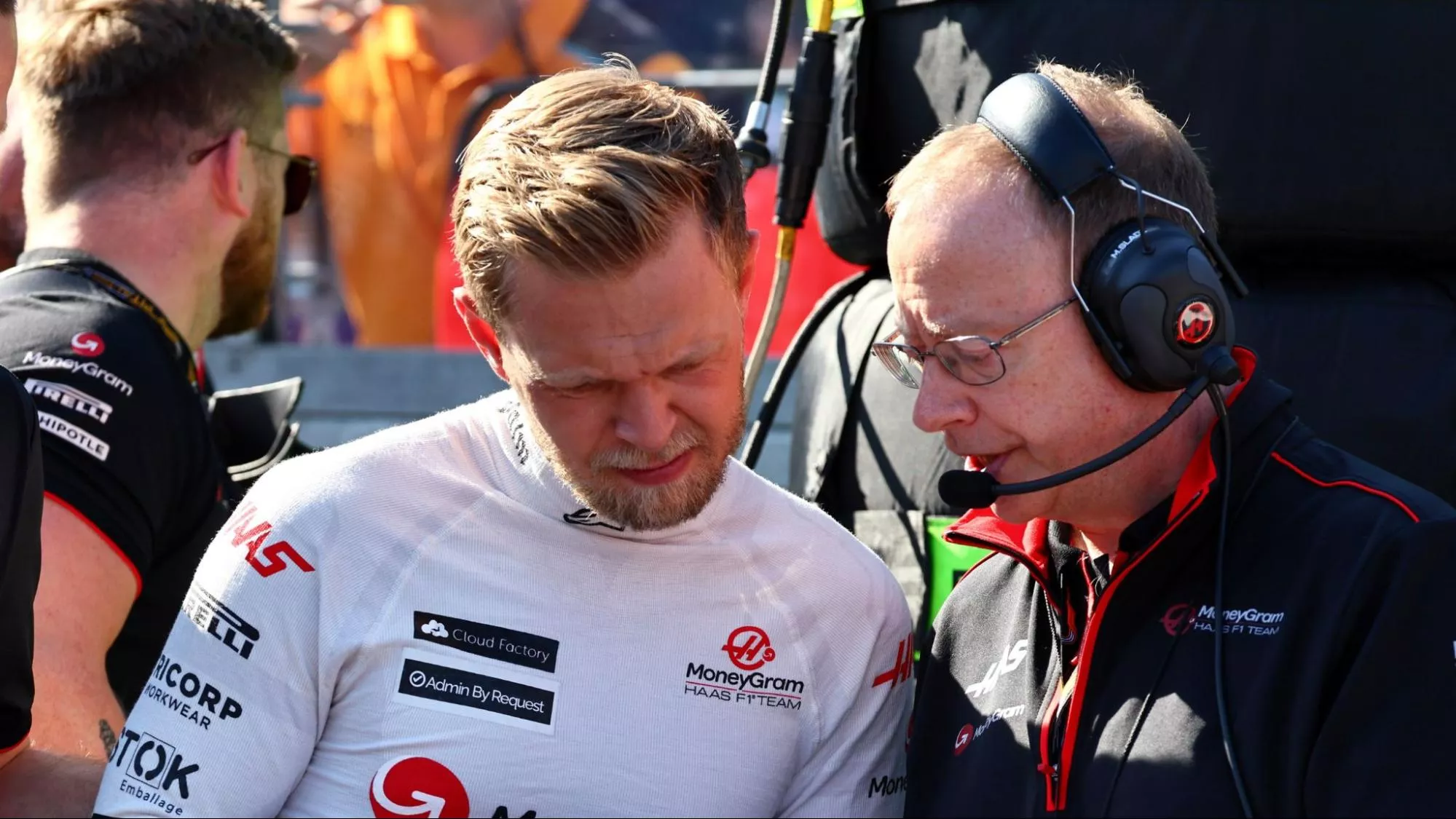
Kevin Magnussen and Mark Slade

Career

10 Questions With... Mark Slade

Sign up to receive regular newsletters and ensure you stay ahead with exclusive articles on technological innovations and valuable insights into the world of motorsport

Make sure you're fully up-to-date in the world of race technology

By signing up, I acknowledge that I have read and understood the content of the Terms and Conditions