Future

F1 engine rules in 2027 and beyond: 60/40 fix and V8s set to return

by Samarth Kanal, Jon Noble, and Scott Mitchell-Malm

8min read
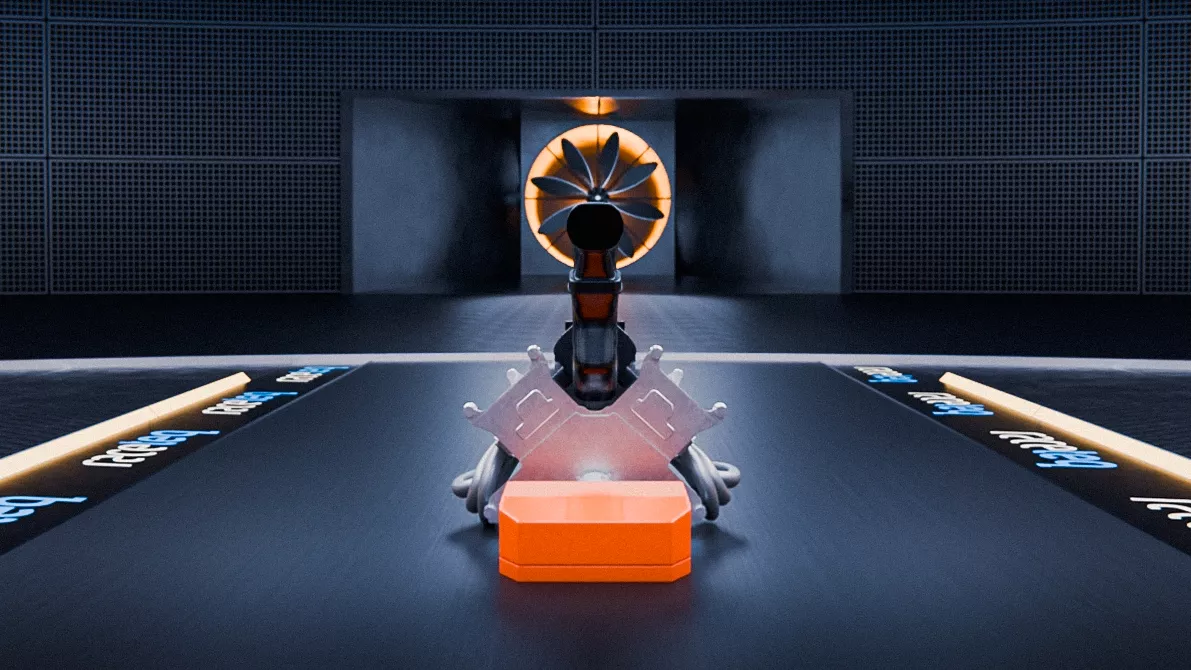
F1 v8 engine - raceteq render

Formula 1 has already agreed to rebalance its much-criticised 2026 power units for next year. But the bigger story is playing out beyond that - a return to V8s by 2031 according to the FIA’s president Mohammed Ben Sulayem.
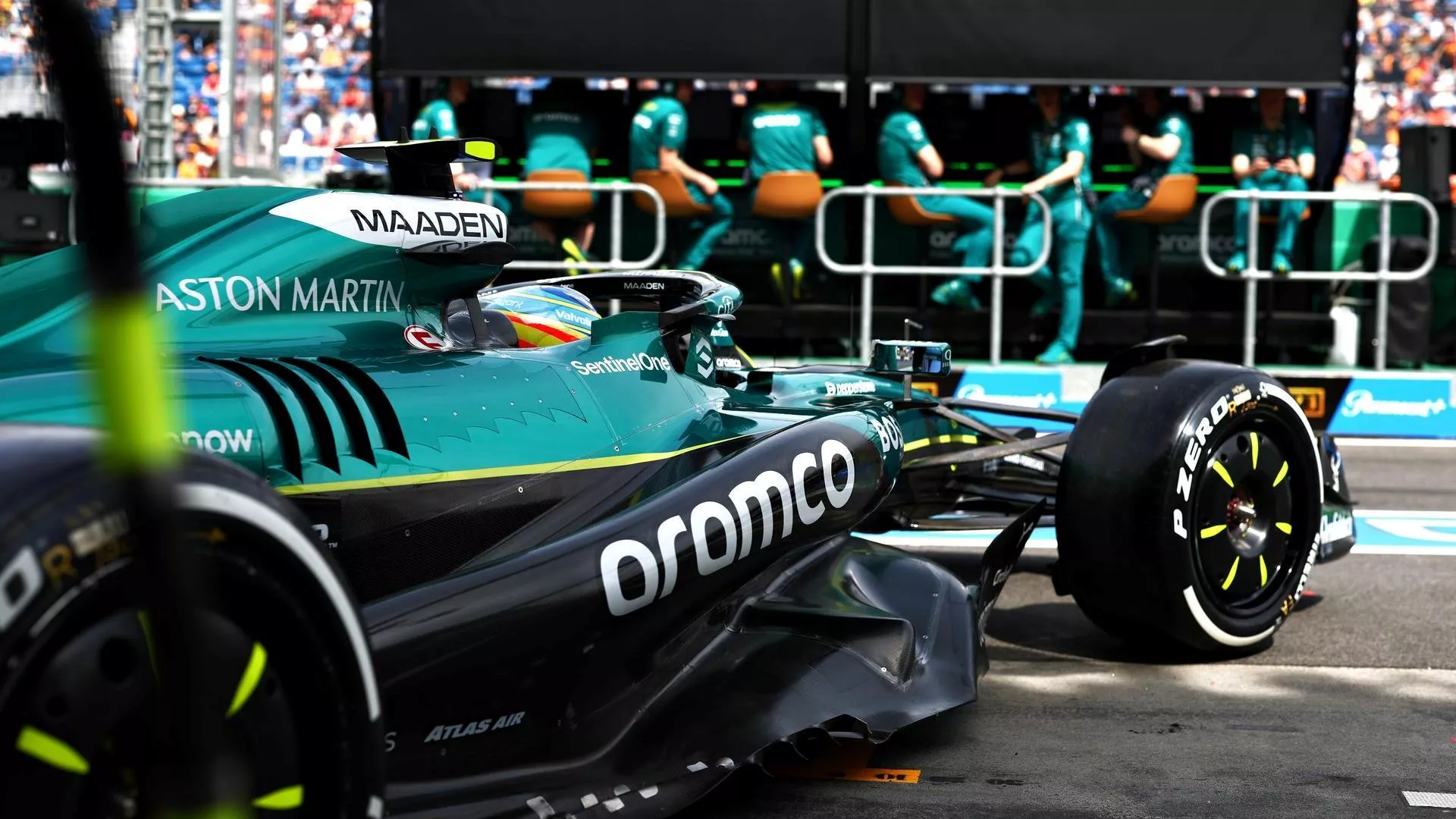
Aston Martin F1 car exiting garage

Sign up for a newsletter and we'll make sure you're fully up-to-date in the world of race technology

It has been fewer than a handful of races, and already Formula 1 is rewriting the rules on its most ambitious engine project in history. 
 
The 2026 power unit - a near-equal split between a turbocharged V6 internal combustion engine and a 350kW electrical system - arrived as the most technically complex propulsion unit the governing body has ever mandated.
 
The increased onus on electric power was ambitious but proved somewhat difficult to implement, as some cars have been energy-starved in qualifying and races, morphing the racing spectacle into something novel and divisive with greater closing speeds due to increased regeneration.
 
In an emergency online meeting held on May 9, involving teams, power unit manufacturers, F1, and the FIA, the sport agreed in principle to push through hardware changes for 2027 - a year earlier than many thought possible.
 

What changes in 2027 

The plan, confirmed by the FIA in a statement after the meeting, is to increase the combustion engine's output by 50kW through a fuel-flow increase, while pulling the electrical deployment back from 350kW to 300kW. 
 
That nudges the effective power split from the current near-parity toward something closer to 60/40, in favour of the internal combustion engine.
Year Engine Hybrid Split of combustion/hybrid power
2014–2026 1.6-litre V6 turbo MGU-H + MGU-K 80/20
2026 1.6l V6 turbo MGU-K 50/50
2027 1.6l V6 turbo MGU-K 60/40
2031~ 2.4l V8 MGU-K TBD
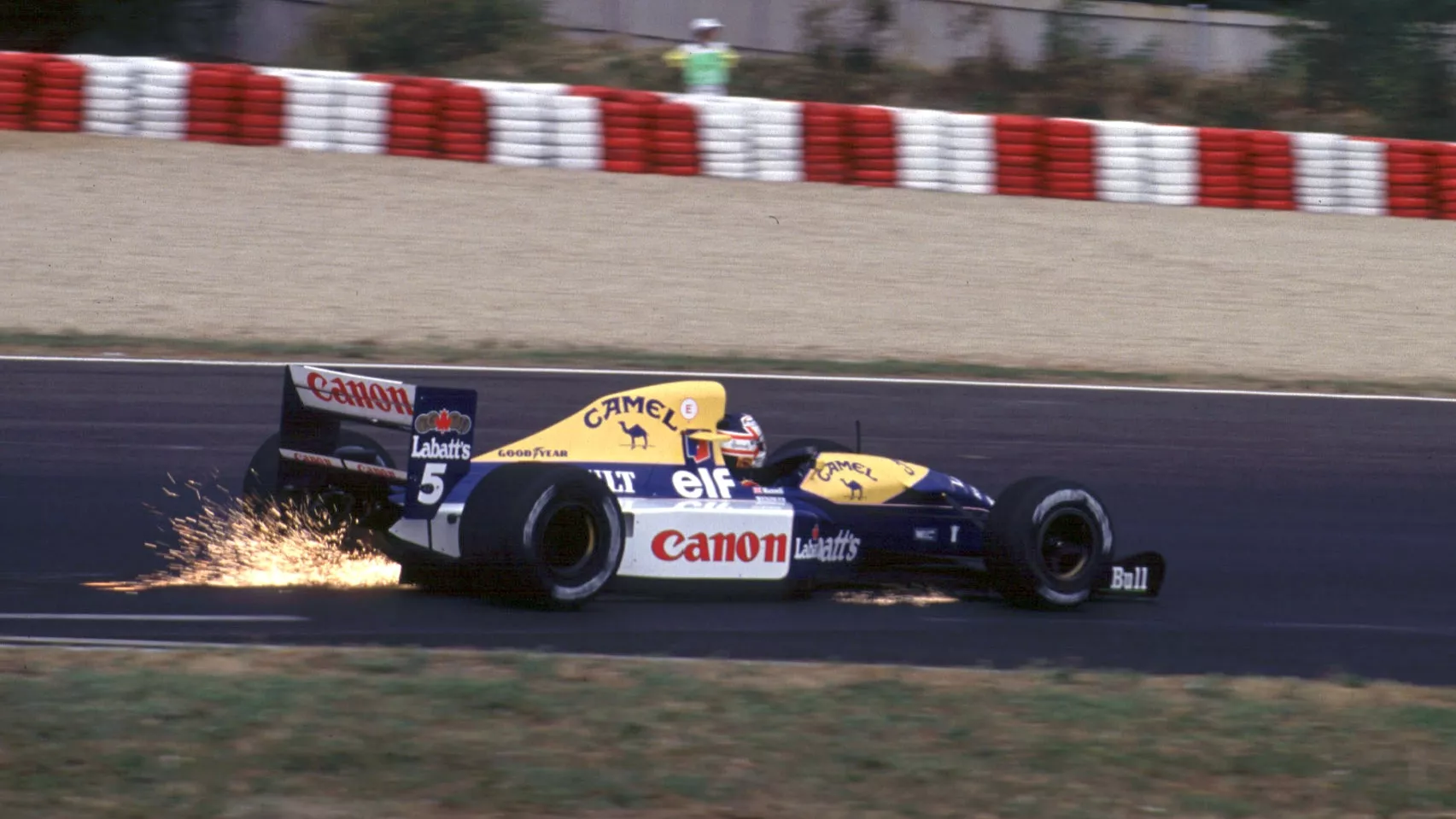
Williams FW14B

Motor, Car, Future

How the V10 engine came to rule Formula 1

The changes are not trivial. Power unit casings will need modification and, critically, fuel tanks will need to grow to cope with the greater combustion demands - raising complications for chassis designers and engine manufacturers who will have less than a year to respond. 


Time was tight, the FIA acknowledged, but the consensus was to act now rather than wait until 2028.
 

The proposals will still need to pass through the formal governance process - the F1 Commission, the Power Unit Advisory Committee, and the FIA World Motor Sport Council - but the direction is set.


The bigger play: V8s by 2031

The conversation in Miami was dominated by something far larger: what comes after. 
 
FIA president Mohammed Ben Sulayem used the Miami Grand Prix weekend to declare, in unambiguous terms, that a return to V8 engines is on the near horizon.
 
"V8 is coming. You will hear about it very soon and it will be with a very, very minor electrification," he said.
 
Ben Sulayem set out a timeline: if enough manufacturers agree, the switch could happen as early as 2030. If not, 2031 is, in his words, "done anyway."
 
In 2025, his push for V10 engines was shelved after manufacturers pushed back - but V8s have met a warmer reception, partly because the automotive landscape has shifted since 2022, when the broad concept of a 50/50 power split was first agreed.
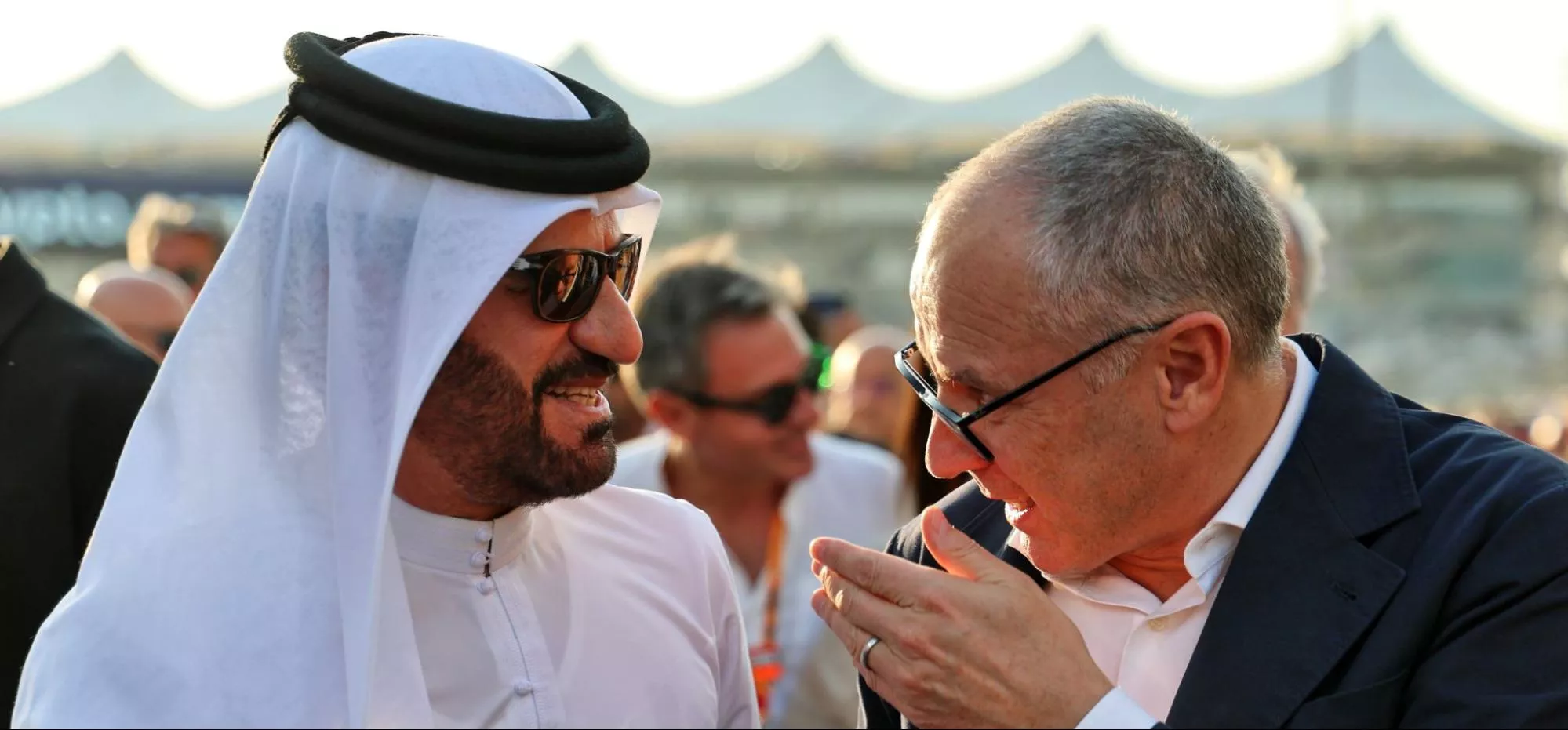
Mohammed ben Sulayem and Stefano Domenicali

FIA president Mohammed Ben Sulayem (L) with Formula 1 CEO and president Stefano Domenicali (R)

The appeal is straightforward. V8s are light, and lighter without the turbocharger. They rev higher and produce the kind of visceral sound that V6 hybrids - for all their engineering brilliance - have not replicated.
 
They are less complex to build and to operate. Ben Sulayem has cited "the sound, less complexity, [and being] lightweight" as the core case. 
 
F1 CEO Stefano Domenicali has separately flagged cost-cutting and weight reduction as priorities for the next rule cycle. The two organisations are aligned and the next engine needs to be simpler and more traditional.
 
The plan as it stands would retain electrification, but as a genuinely minor component - far closer in philosophy to the pre-2026 generation, where the V6 provided more than 80% of total power, than to the current near-parity rules.
 
It is expected that teams will continue to use FIA-compliant 100% advanced sustainable fuel, a major milestone that dovetailed the 2026 move to 50/50 hybrid-combustion engines.


How the paddock reacted
 

What was striking in Miami was not just that V8s have momentum at governance level - engine manufacturers are in support of the change.
 
Mercedes, which has dominated the V6 turbo-hybrid era, came out unambiguously in favour. 


Team principal Toto Wolff said his team "love V8s," calling the format a "pure Mercedes engine" with memories that are "only great." 
 

His one condition: that some battery element remains, and that it is treated as a genuine performance asset rather than a token concession to relevance.
 
"Maybe we can extract 800 horsepower off the ICE and we put 400 on top of it - or more, in terms of electric energy. Make it simpler and make it a mega engine,” said Wolff.
 
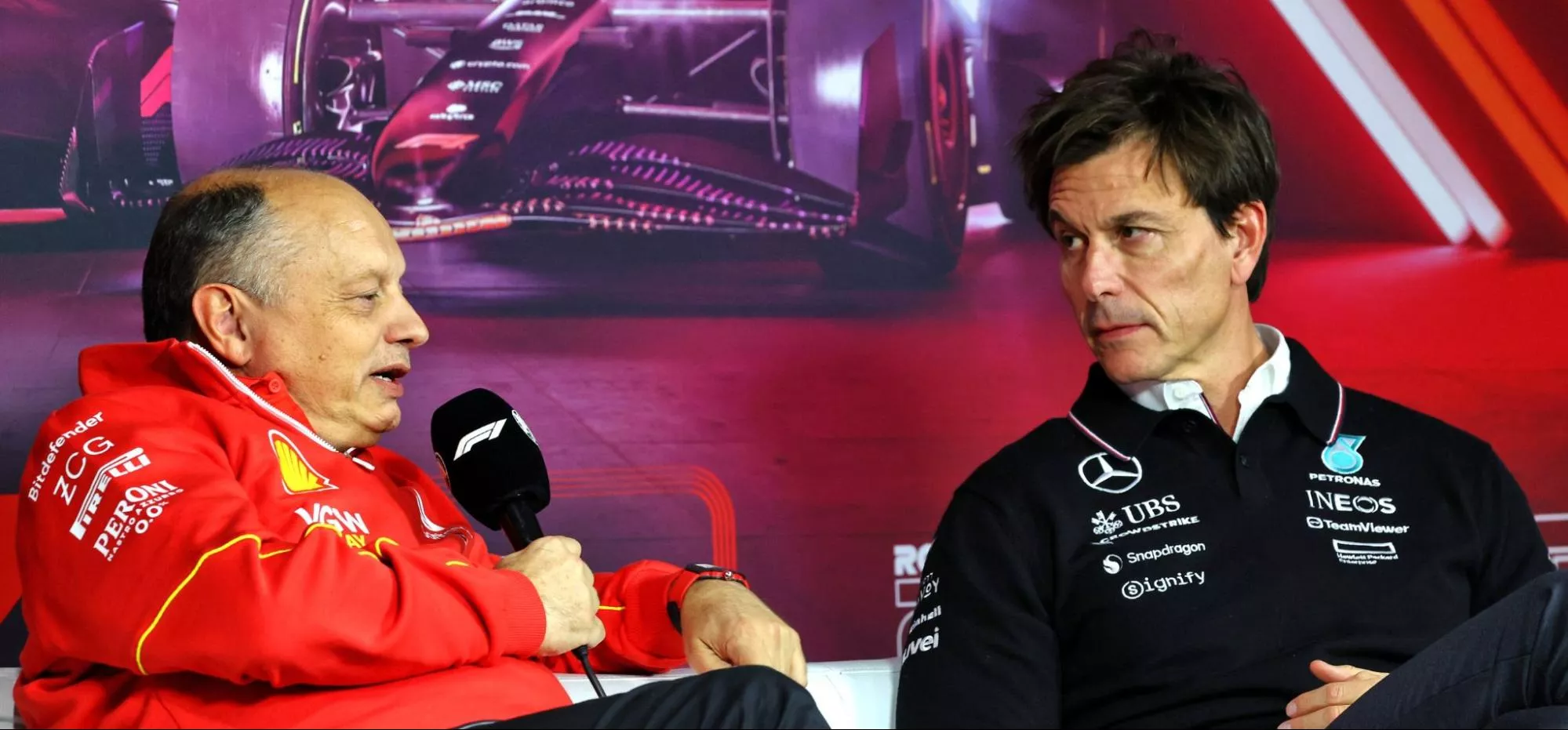
Fred Vasseur and Toto Wolff

Ferrari team principal Fred Vasseur (L) and Mercedes team principal Toto Wolff (R) reacted positively to the potential return of V8 engines
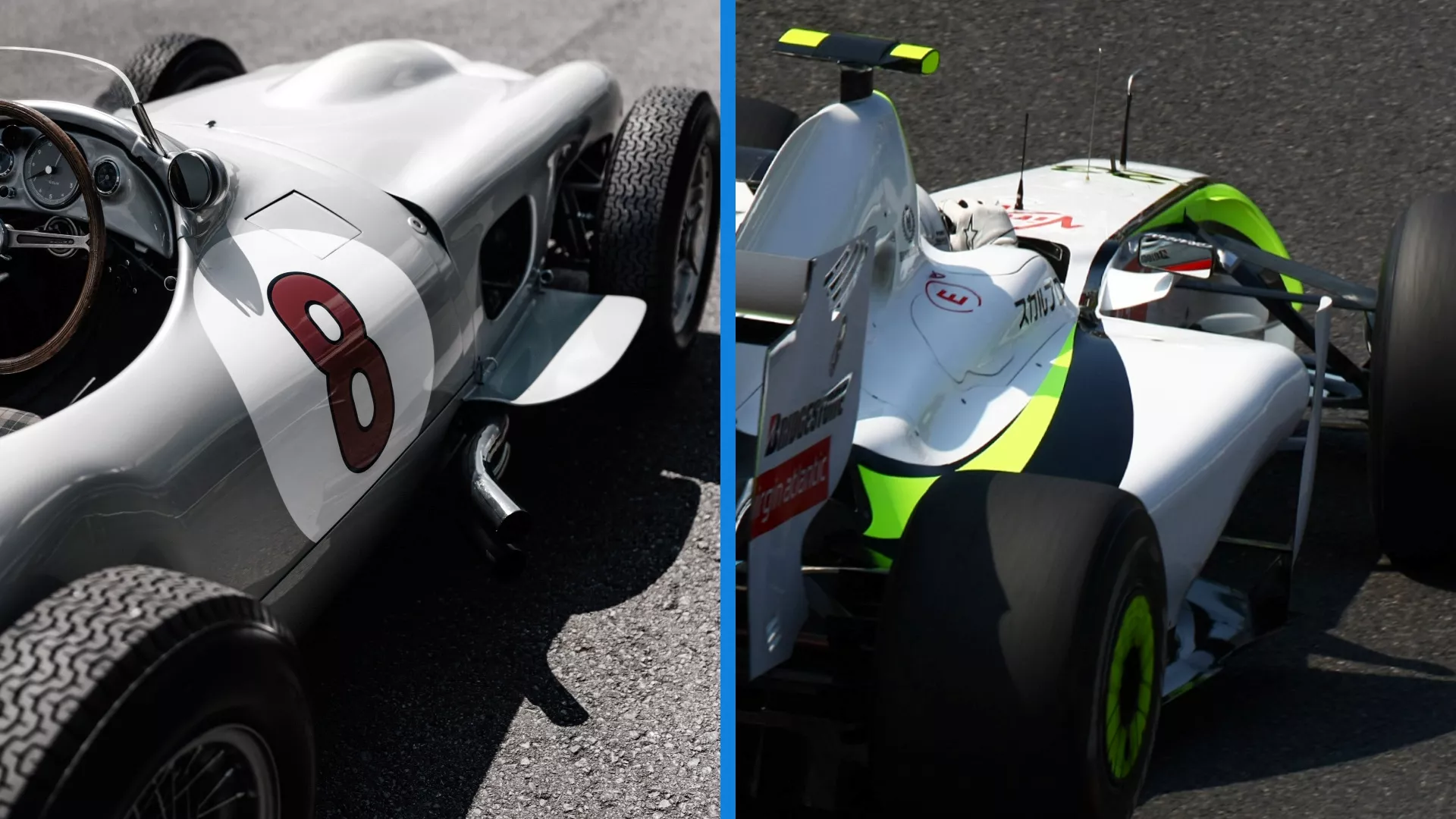
Mercedes and Brawn GP car

Car, Motor, Innovation

12 of the biggest innovations in F1 over 75 years

Wolff's "mega engine" concept - roughly 1,200hp total, with the ICE as the dominant but not exclusive source - may represent where the eventual rules settle. It is a vision that acknowledges commercial and wider realities without abandoning performance ambition. 
 
"If we swing 100% combustion, we might be looking a bit ridiculous in 2031," he said.
 
Red Bull, which has invested heavily in building a power unit from scratch under the Red Bull Ford Powertrains banner, was equally relaxed. Team boss Laurent Mekies described the prospect of starting again with a new format as "another challenge tomorrow" - a notably positive response from a team that has poured enormous resources into the current generation. 
 
"We are probably a bit more flexible and independent," he said, reflecting the unusual position of a constructor-manufacturer that does not carry the same brand obligations as a road-car OEM.
 
Ferrari's team principal Fred Vasseur kept his eyes on the cost question. 
 
"From the beginning, we have one parameter in mind, it's to reduce the crazy budget of the engine," he said - making clear that for Ferrari, the architecture matters less than whether the next formula is financially sustainable for both manufacturers and their customer teams.
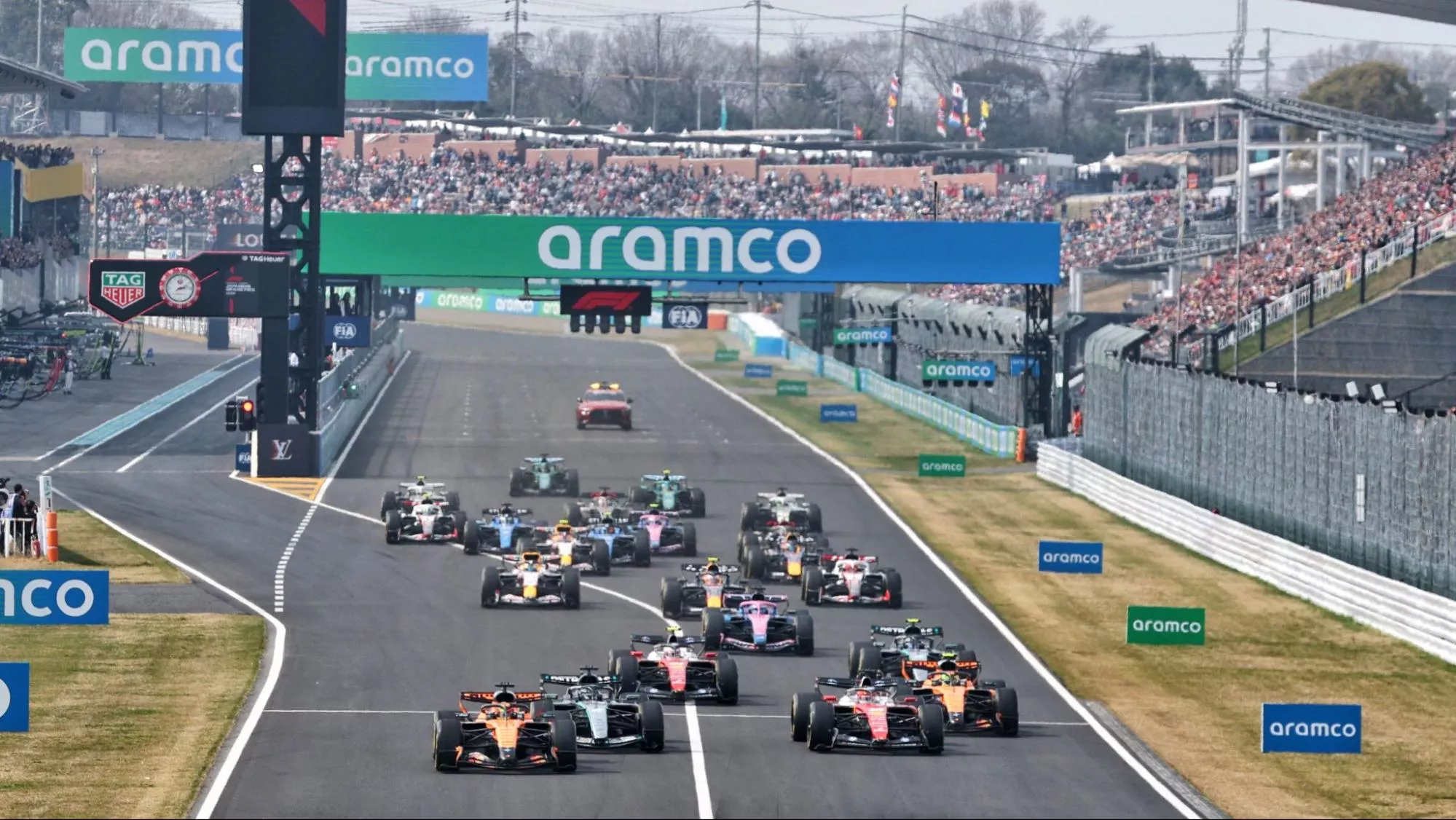
F1 start

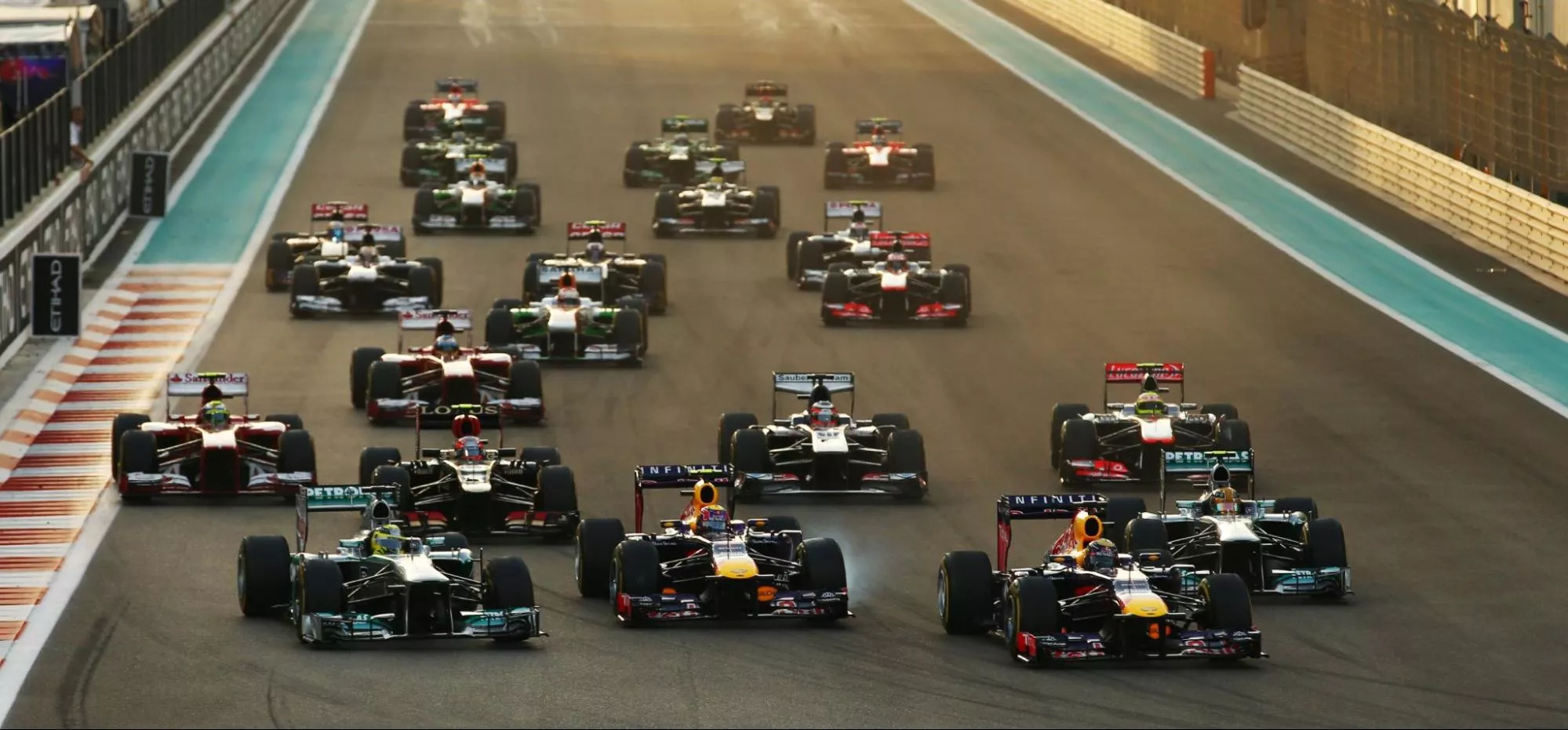
2013 was the last V8 era in Formula 1 before the switch to V6 turbo-hybrids
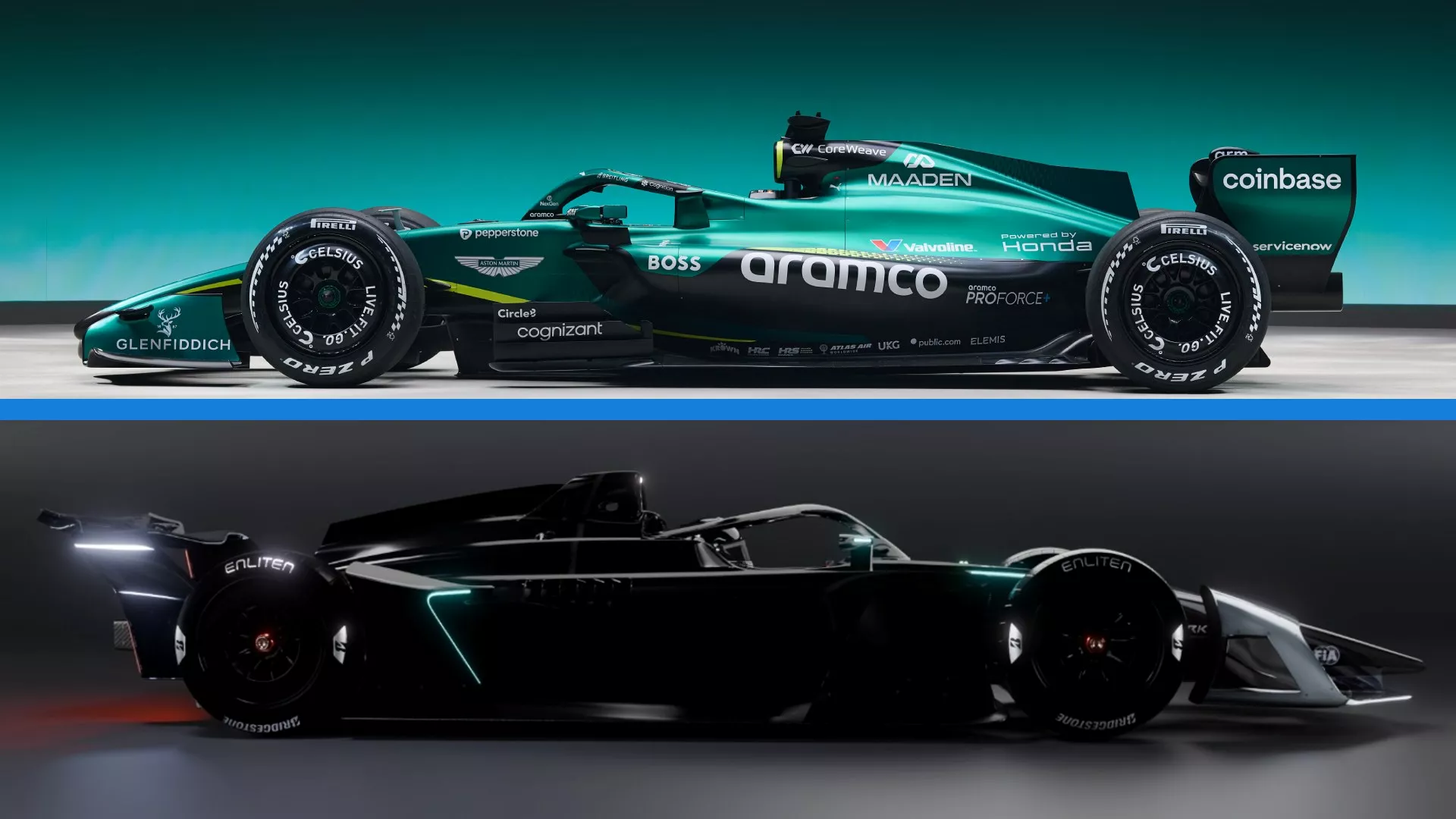
What happens next

The next engine rules cycle is formally intended for 2031, though Domenicali has suggested in recent weeks that new regulations could come "slightly sooner". 
 
Conversations with manufacturers will now centre on two things: timing, and what percentage of electrification is acceptable while keeping the internal combustion engine firmly dominant.
 
V10s remain technically on the table, but they are not where the momentum lies. V8s are. 
 
And with Mercedes, Red Bull, and Ferrari all signalling openness - each for their own reasons - Ben Sulayem's confidence that it will happen looks well-founded.
 
The 2026 engine era was supposed to last for years and shape the sport's identity for a generation. 
 
It may instead be remembered as the brief, turbulent moment that convinced everyone, once and for all, that Formula 1 wants to hear its engines scream again.

Related articles

F1 car vs Formula E car

Car, Motor, Innovation, Future

Two formulas, two philosophies: Formula E's Gen4 vs the 2026 Formula 1 car

F2 cars

Event

Logistics, last-minute paddock, and the Herta effect: how Formula 2 finally made it to the US

Sign up to receive regular newsletters and ensure you stay ahead with exclusive articles on technological innovations and valuable insights into the world of motorsport

Make sure you're fully up-to-date in the world of race technology

By signing up, I acknowledge that I have read and understood the content of the Terms and Conditions